Blog

  • 7 Unforgettable Beaches in Zanzibar: Ultimate Guide to Sun, Sea, and Sand in Paradise!

    7 Unforgettable Beaches in Zanzibar: Ultimate Guide to Sun, Sea, and Sand in Paradise!

    Zanzibar isn’t just about the historic allure of Stone Town—this East African island is a captivating blend of sun, sand, and culture. Its coastline is a treasure trove of pristine beaches where traditional Swahili heritage meets modern luxury. Whether you’re seeking exhilarating water sports, peaceful moments by the sea, or immersive cultural adventures, Zanzibar’s beaches offer a unique escape that will leave you longing for more.

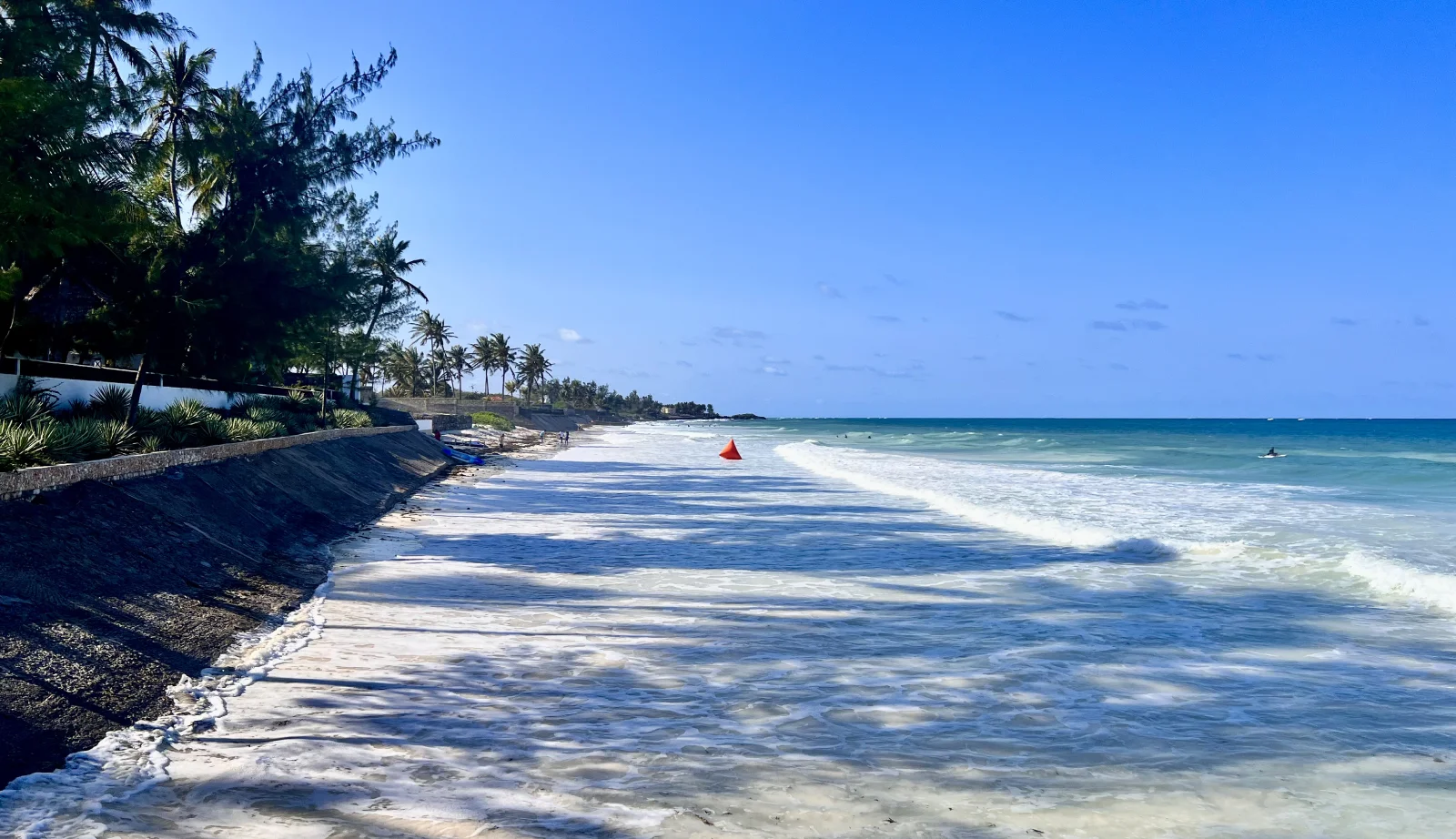
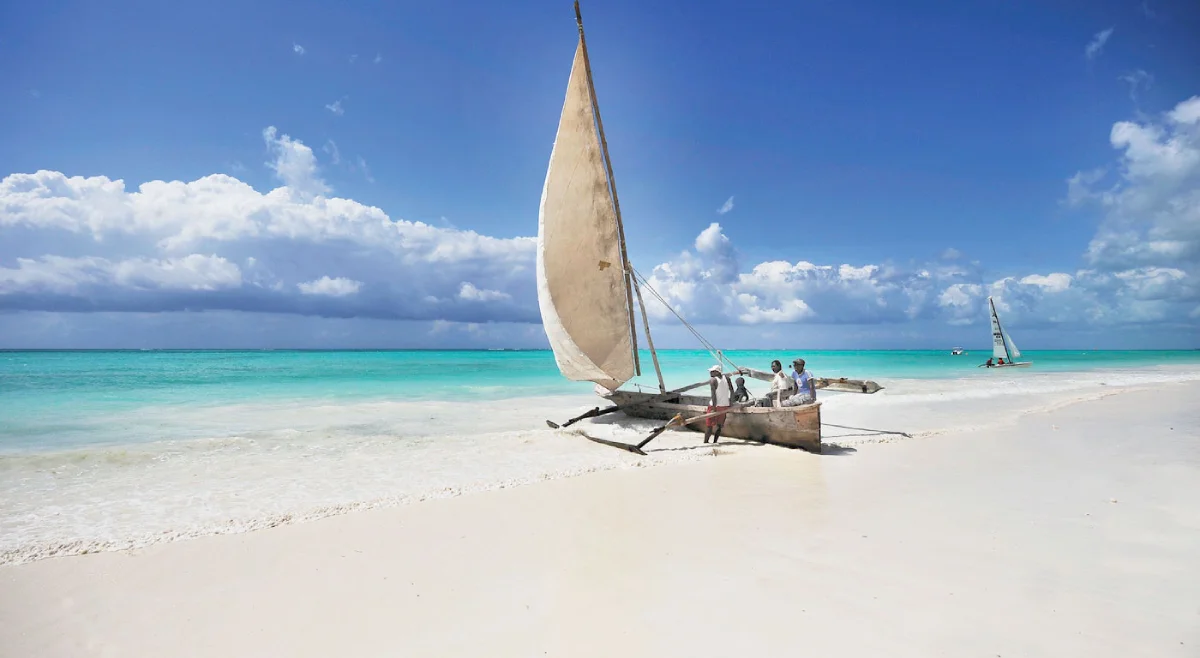
    Zanzibar Paje Beach Dhow

    1. Nungwi Beach – The Heart of Zanzibar’s Vibrant Beach Scene

    Nestled at the northern tip of Zanzibar, Nungwi Beach is one of the island’s crown jewels and a must-visit destination for any Zanzibar vacation. This bustling beach is renowned for its lively atmosphere—imagine local fishermen repairing their nets against the backdrop of bustling craft markets and trendy beach bars. The crystal-clear waters invite snorkelers and divers to explore an underwater world teeming with colorful coral reefs and diverse marine life. As dusk falls, the sky transforms into a breathtaking canvas of brilliant hues, making sunset on this Zanzibar beach an unforgettable experience.

    Nungwi’s culinary scene is as dynamic as its shoreline. Begin your evening at The Dhow Lounge, where craft cocktails and international cuisine are served al fresco, creating a perfect prelude to a magical night. For a more refined dining experience, Zen Nungwi offers an elegant fusion of local seafood and global flavors, ideal for an intimate dinner. Casual diners can enjoy the laid-back vibe at Mambo’s Beach Bar & Grill—famous for its grilled specialties—or relax at Fisherman’s Beach Bar, where freshly caught seafood pairs perfectly with the soothing sounds of the waves. Maisha Beach Restaurant further elevates the experience with its creative mix of Swahili-inspired dishes and international fare.

    When it comes to lodging, Nungwi does not disappoint. Indulge in luxury at Essque Nungwi, where elegant rooms and panoramic ocean views set the tone for a lavish retreat. Alternatively, Langi Langi Beach Bungalows offer a mid-range option steeped in traditional Swahili charm, while budget travelers will appreciate the cozy comfort of Mnarani Beach Cottages.

    Zanzibar Nungwi Mnarani Aquarium

    Enhance your Nungwi experience by taking part in a variety of activities—from snorkeling and diving excursions that reveal Zanzibar’s vibrant coral reefs to a traditional dhow sunset cruise that casts you in a golden glow. Don’t miss the chance to visit the Nungwi Mnarani Aquarium, where you can learn about local marine conservation efforts and even swim with rehabilitated turtles, deepening your connection to Zanzibar’s rich marine culture.

    2. Kendwa Beach – The Ultimate Zanzibar Beach for Sunsets and Full Moon Parties

    Just a short distance from Nungwi, Kendwa Beach offers a striking contrast with its expansive, powdery white sands and tranquil turquoise waters. Ideal for sunbathing and swimming, Kendwa’s deep blue sea invites you to relax and refresh during the day. As night falls, the beach transforms into a vibrant venue for full moon parties, where music, dancing, and festive energy light up the shoreline under a starlit sky.

    Dining at Kendwa is equally delightful. Kendwa Rocks Bar is the perfect spot to sip refreshing cocktails while watching the sun set over the horizon, while Sunset Grill Kendwa specializes in serving freshly caught seafood paired with breathtaking evening views. Sails Restaurant offers a relaxed beachfront ambiance that artfully blends local flavors with international cuisine.

    For your stay, choose the luxurious Royal Kendwa Resort, where infinity pools, elegant rooms, and impeccable service create an indulgent escape. Alternatively, Kendwa Beach Hotel provides comfortable mid-range accommodations perfect for families or couples looking to relax by the sea. Enhance your Kendwa experience with activities like paddleboarding, beach volleyball, or a serene sunset boat cruise, and explore nearby fishing villages to connect with traditional Swahili culture.

    3. Paje Beach – The Best Zanzibar Beach for Kitesurfing and Bohemian Vibes

    Located on Zanzibar’s southeastern coast, Paje Beach is a haven for water sports enthusiasts and free spirits. Renowned as Zanzibar’s kitesurfing hotspot, its steady trade winds and shallow waters create perfect conditions for adrenaline-pumping adventures. The long, wide stretch of sand bordered by lush mangroves and sparkling blue water offers an idyllic setting for both exhilarating sports and peaceful sunset strolls.

    Paje’s dining scene is eclectic and inviting. At Paje Chill Spot, unwind with a cold drink and live music in an irresistibly bohemian atmosphere. Salt & Pepper Café is the go-to spot for organic, locally sourced meals that fuel your adventures, while Barefoot Bistro treats you to fresh seafood and authentic Swahili dishes right on the beach. For those who love to dance as the sun sets, Wave Lounge offers handcrafted cocktails and pulsating DJ sets. The energetic vibe continues at Oxygen, known for its innovative cocktails, and Mr. Kahawa, where specialty coffee and fusion snacks add a delightful twist to your day.

    Zanzibar Paje Beach Night

    When it comes to accommodations, Paje offers something for every budget. Paje Paradise Resort provides comfortable mid-range lodging with lush gardens, while Kite & Chill Bungalows are perfect for budget travelers and kitesurfers alike. For a more upscale experience, Blue Waves Hotel Paje and Palm Tree Suites offer modern amenities and boutique-style elegance. Beyond the beach, enjoy activities like kitesurfing lessons from seasoned professionals, beachfront yoga sessions, and kayaking through the mangroves, along with cultural visits to local villages where authentic Swahili traditions come to life.

    4. Jambiani Beach – Zanzibar’s Most Authentic Coastal Village

    Heading south, Jambiani Beach offers an authentic taste of Zanzibar’s local culture. This traditional fishing village exudes a slow, relaxed pace where time seems to stand still. The long, powdery beach and gently lapping waves provide the perfect backdrop for a truly intimate escape.

    Here, dining is a celebration of Swahili heritage. Jambiani Café invites you to enjoy home-cooked meals crafted from fresh, local ingredients, evoking the warmth of traditional Zanzibar. Ocean Breeze Restaurant is famed for its delectable grilled seafood and breathtaking views of the Indian Ocean, while Swahili Spice Lounge blends modern cocktail innovation with the essence of local flavors. The standout venue, Passion, is renowned for its artistic presentation and creative menu, offering a unique culinary experience that delights food enthusiasts.

    Zanzibar Jambiani Beach Sunrise Fisherman Dhow

    Accommodations in Jambiani range from the boutique charm of Jambiani Sea View Villas, which offer spectacular vistas, to the comfortable mid-range Coral Coast Resort and the inviting, budget-friendly Swahili Inn Jambiani. In Jambiani, you can deepen your cultural experience through guided fishing village tours, hands-on Swahili cooking classes, and cultural walks that reveal the daily rhythms and traditions of local life. Don’t miss a visit to Kuza Cave, a hidden limestone cavern with crystal-clear waters that adds an extra element of adventure to your stay.

    5. Michamvi Beach – Zanzibar’s Hidden Gem with Stunning Sunsets

    Zanzibar Michamvi Beach Palm Tree

    For travelers seeking seclusion and natural beauty, Michamvi Beach is the perfect escape. This secluded stretch of pristine coastline is known for its long, unspoiled white sands and clear, gentle waters, ideal for meditation, reflective walks, and soaking in the tranquility of nature. The sunsets here are truly magical, casting a romantic glow over the horizon and creating picture-perfect moments.

    Michamvi’s dining options are intimate and understated. Michamvi Chill Bar provides a quiet spot for a refreshing drink and light snack, while Beachside Bistro Michamvi offers a well-curated menu that merges local flavors with international cuisine. For accommodations, Michamvi Beach Resort provides elegant rooms and a sparkling pool right on the beach, while Michamvi Bungalows deliver a budget-friendly yet charming stay with spectacular views.

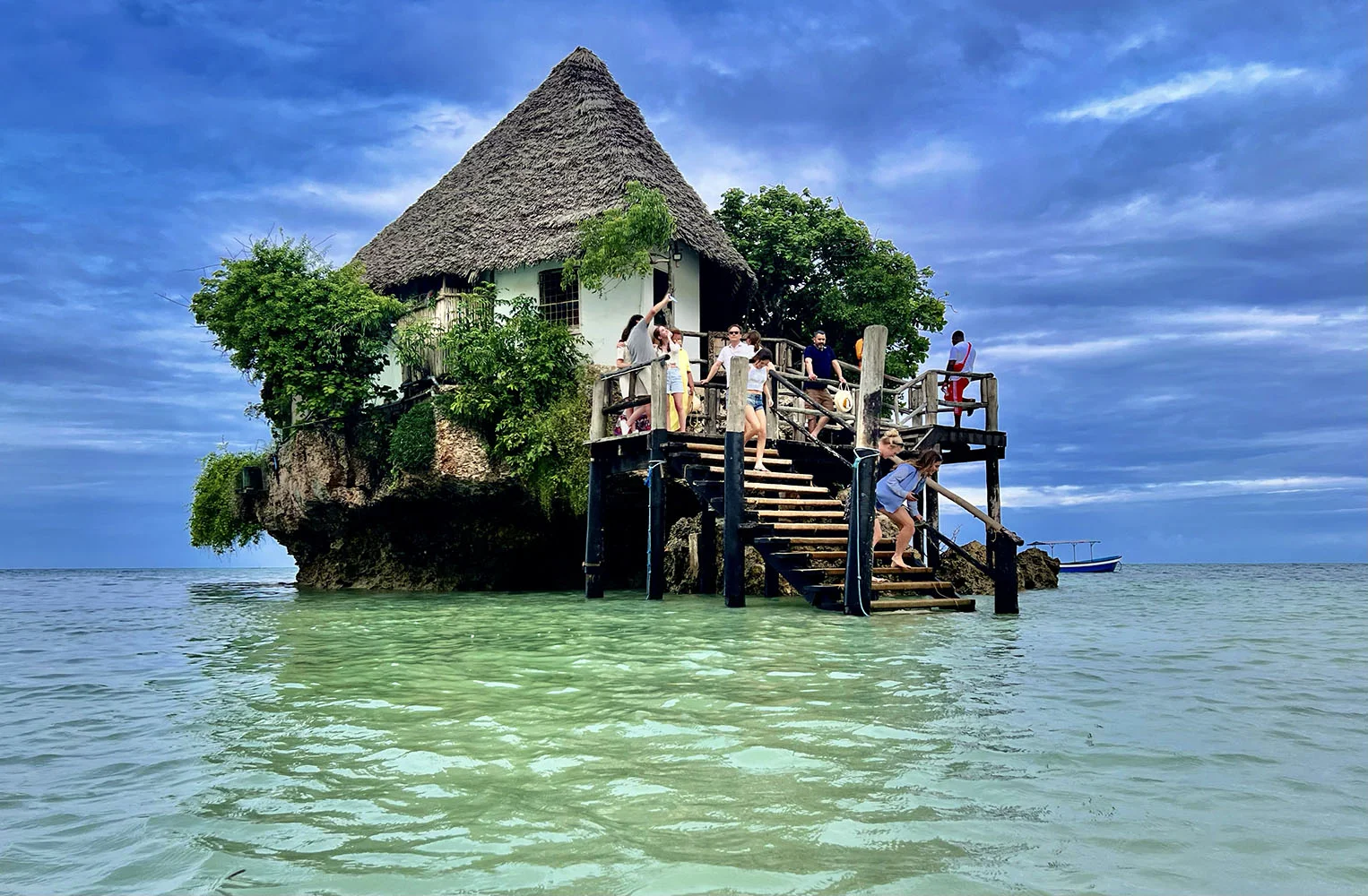
    Adventure awaits in Michamvi—embark on a unique boat trip to The Rock Restaurant, an iconic dining destination set on a natural rock formation in the sea. Other activities include snorkeling, kayaking through hidden coves, and guided nature hikes that reveal the rich diversity of local flora and fauna.

    6. Matemwe Beach – Zanzibar’s Diving and Snorkeling Paradise

    On Zanzibar’s northeast coast lies Matemwe Beach—a tranquil haven celebrated for its vibrant coral reefs and calm, clear waters. Ideal for divers and snorkelers, Matemwe offers a peaceful retreat where underwater adventures blend seamlessly with luxurious relaxation. This quiet beach is perfect for those looking to experience the natural wonders of Zanzibar while enjoying top-tier amenities.

    Dining at Matemwe is an experience in itself. Matemwe Beach Bar offers gourmet drinks and light bites with panoramic views, while Coral Reef Café specializes in fresh, healthy meals that highlight local ingredients. Ocean’s Edge Restaurant is perfect for an elegant seafood dinner, combining innovative local cuisine with the soothing sounds of the ocean.

    For accommodations, indulge in the opulence of Matemwe Retreat Resort, where every detail is designed for a lavish escape. Matemwe Beach Villas offer spacious living with private balconies and stunning vistas, and Matemwe Bungalows provide a charming, budget-friendly option without compromising comfort. Activities in Matemwe include guided snorkeling and diving tours to explore vibrant underwater ecosystems, rejuvenating spa treatments at luxurious resort spas, and boat excursions to nearby islands or traditional fishing spots.

    7. Kizimkazi Beach – Dolphins and Rich Cultural Heritage

    At the southern tip of Zanzibar lies Kizimkazi Beach, a rustic gem that offers a unique blend of natural beauty and cultural heritage. Famous for its exhilarating dolphin-watching tours, Kizimkazi provides visitors with the rare opportunity to witness playful dolphins in their natural habitat. This area is steeped in history, with ancient ruins and traditional dhow boat building that highlight Zanzibar’s rich cultural legacy.

    Dine on authentic Swahili cuisine at Kizimkazi Dhow Restaurant, where traditional dishes are served in a charming dockside setting, or unwind at Seaside Haven, a quaint beachfront venue that exudes local laid-back charm. For accommodations, Kizimkazi Beach Lodge offers cozy, welcoming rooms with easy access to dolphin tours, while Kizimkazi Eco Resort features eco-friendly bungalows that combine sustainability with comfort.

    Activities in Kizimkazi include guided dolphin tours, cultural heritage walks exploring ancient ruins and dhow traditions, and visits to local artisan markets where you can purchase handmade crafts and souvenirs that celebrate the island’s vibrant culture.

    Must-Sees in Zanzibar: Embracing Culture Beyond the Beach

    Zanzibar Jozani Forest Red Colobus Monkey

    Must-Sees in Zanzibar: Embracing Culture Beyond the Beach

    While Zanzibar’s sun‑drenched shores set the scene for a classic tropical escape, the island’s soul reveals itself when you wander beyond the sand. Here, hidden caves, secret forests, living villages, and bioluminescent seas invite you into experiences that linger long after your footprints fade from the beach.

    Swim in Enchanted Sea Caves

    Venture inland from Jambiani to discover Kuza Cave, a moss‑clad limestone grotto cradling a crystalline emerald pool. Slip beneath its vaulted ceiling—where shafts of sunlight dance on cool water—and you’ll understand why locals revere it as sacred. A short drive north brings you to the quieter Maumbi Cave, whose sunlit fissures and dripping stalactites create a natural cathedral perfect for snorkeling, photography, and serene moments of wonder.

    Dive & Snorkel Pristine Reefs

    Zanzibar’s underwater realm rivals its beaches for beauty. At Mnemba Atoll, a marine sanctuary off Matemwe, kaleidoscopic coral gardens teem with parrotfish, reef sharks, eagle rays—and the graceful glide of green sea turtles. Beginner snorkelers float above shallow shoals alive with neon anthias, while advanced divers explore vertical drop‑offs alive with swirling barracuda and moray eels. Closer to Nungwi and Kendwa, wreck dives and coral arches offer further thrills beneath impossibly clear water.

    Jozani Forest: Safari‑Style Walks & Wildlife Encounters

    Step into Jozani Chwaka Bay National Park, Zanzibar’s only national park, for guided “game‑drive” walks through dense mangrove boardwalks and sun-dappled forest glades. Watch endangered red colobus monkeys swing overhead, spot shy bush babies at dusk, and encounter the lumbering giants of the butterfly world at the adjacent Zanzibar Butterfly Centre. Hidden within the park are free‑roaming Aldabra tortoises, relics of the colonial era whose placid presence feels like stepping back in time.

    Dolphins & Turtles in Kizimkazi

    At dawn, traditional dhows drift from Kizimkazi in search of playful pods of bottlenose and humpback dolphins. Ethical tours ensure respectful distance, allowing you to watch these acrobats leap against an endless blue horizon. Later, head to the Nungwi Mnarani Aquarium or the small turtle rehabilitation ponds of Jozani to swim alongside rescued green turtles—an intimate reminder of Zanzibar’s fragile marine heritage.

    Sunset Dhow Cruises & Horseback Rides

    Zanzibar Sunset Dhow Cruise Sea Ocean Beach Sailing

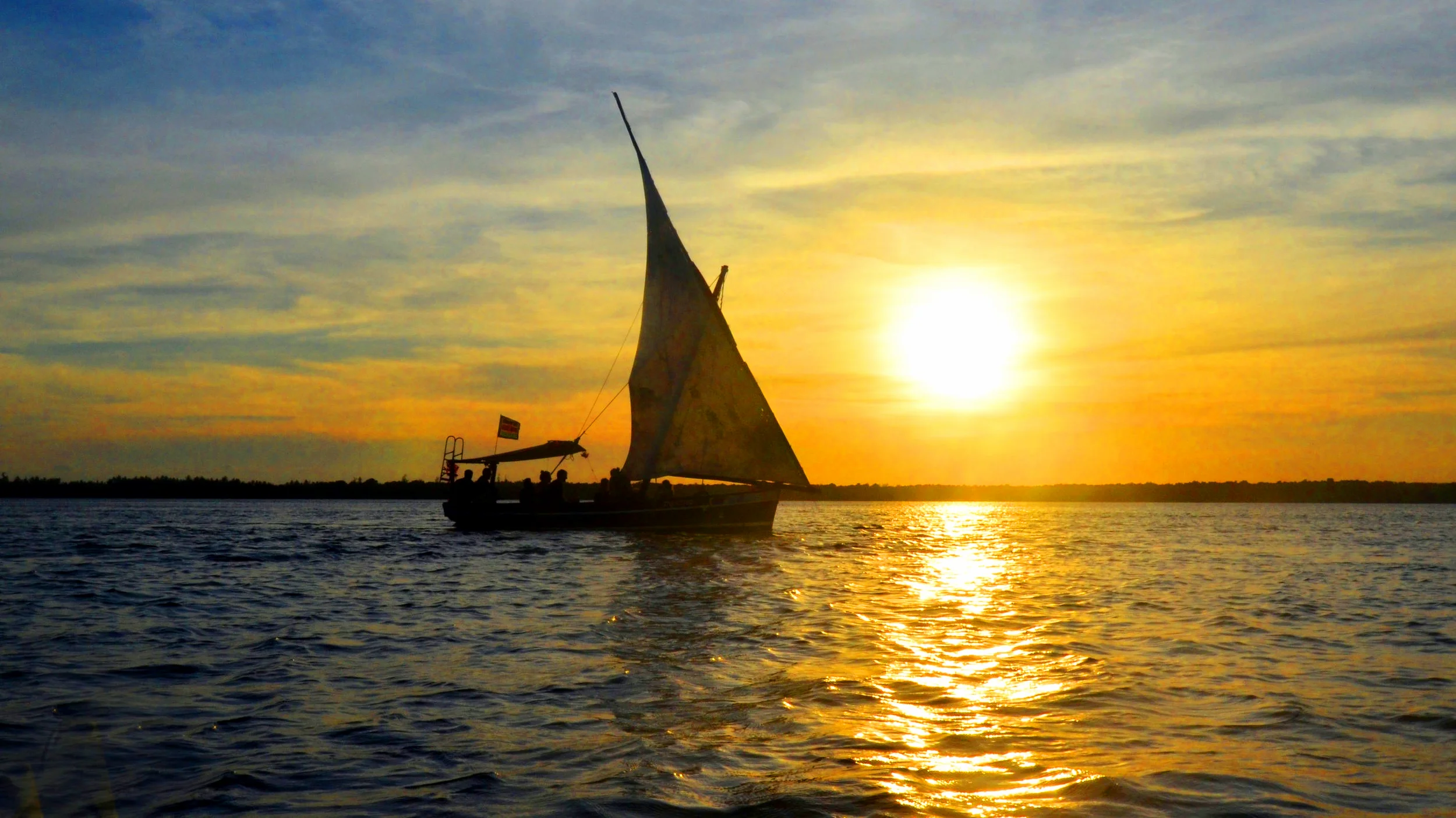
    Few experiences rival the romance of a sunset dhow cruise—a traditional wooden sailboat cutting through golden waters as taarab music drifts on the breeze. For a more grounded adventure, saddle up at Nungwi or Michamvi for horseback rides along deserted beaches, letting rhythmic hoofbeats echo through shallow surf as the sky blazes crimson.

    Mangrove Kayaking & Bioluminescent Nights

    Paddle through the twisting waterways of Chwaka Bay’s mangroves, where kingfishers dart among tangled roots and crabs scuttle across mudbanks. Return after dark to eastern shores of Paje or Jambiani for a guided bioluminescence tour—each stroke of your paddle ignites the sea with ethereal blue sparks, mirroring the starry heavens above.

    Cultural Village Tours & Tumbatu Island

    Immerse yourself in Swahili life on community‑led tours in Makunduchi or Matemwe. Walk through coconut groves to meet craftsmen weaving palm baskets, learn to cook biryani over charcoal flames, and share stories beneath mango trees. For the rarest glimpse of traditional island life, arrange a visit to Tumbatu Island, a remote community where centuries‑old customs remain unchanged and hospitality feels like stepping into another era.

    Kitesurfing in Paje

    When the trade winds pick up (December–March, June–October), Paje Beach transforms into one of Africa’s premier kiteboarding playgrounds. Shallow lagoons offer safe learning zones for beginners, while adrenaline junkies chase wind‑driven jumps against a backdrop of swaying palms.

    From secret caves to starlit seas, Zanzibar’s true magic lies beyond its shoreline. These immersive adventures connect you to the island’s history, wildlife, and warm‑hearted communities—transforming a simple beach holiday into a journey of discovery.

    Final Thoughts

    Zanzibar’s beaches form a vibrant tapestry of natural splendor, rich culture, and luxurious retreats. Whether you’re drawn to the energetic vibes and gourmet delights of Nungwi, the kitesurfing adventures and bohemian spirit of Paje, the authentic cultural immersion of Jambiani, or the secluded serenity of Michamvi (complete with an unforgettable trip to The Rock), every stretch of sand here tells its own story. Add to that the upscale relaxation of Matemwe, the rustic charm and historical allure of Kizimkazi, and even the pristine, less-explored shores of Pemba – the northern “little sister” of the Zanzibar archipelago, known for its unspoiled beauty – and you have a collection of paradises waiting to be discovered.

    So pack your sunscreen, snorkeling gear, and sense of adventure—Zanzibar awaits with its mesmerizing blend of sun, sea, and culture, ready to transform your tropical getaway into an experience you’ll cherish forever.

    Ready to dive into the ultimate Zanzibar beach adventure? Bookmark this guide, share it with fellow travelers, and start planning your dream Zanzibar vacation today!
  • Discover the Timeless Charm of Stone Town: 15 Unforgettable Experiences in Zanzibar

    Discover the Timeless Charm of Stone Town: 15 Unforgettable Experiences in Zanzibar

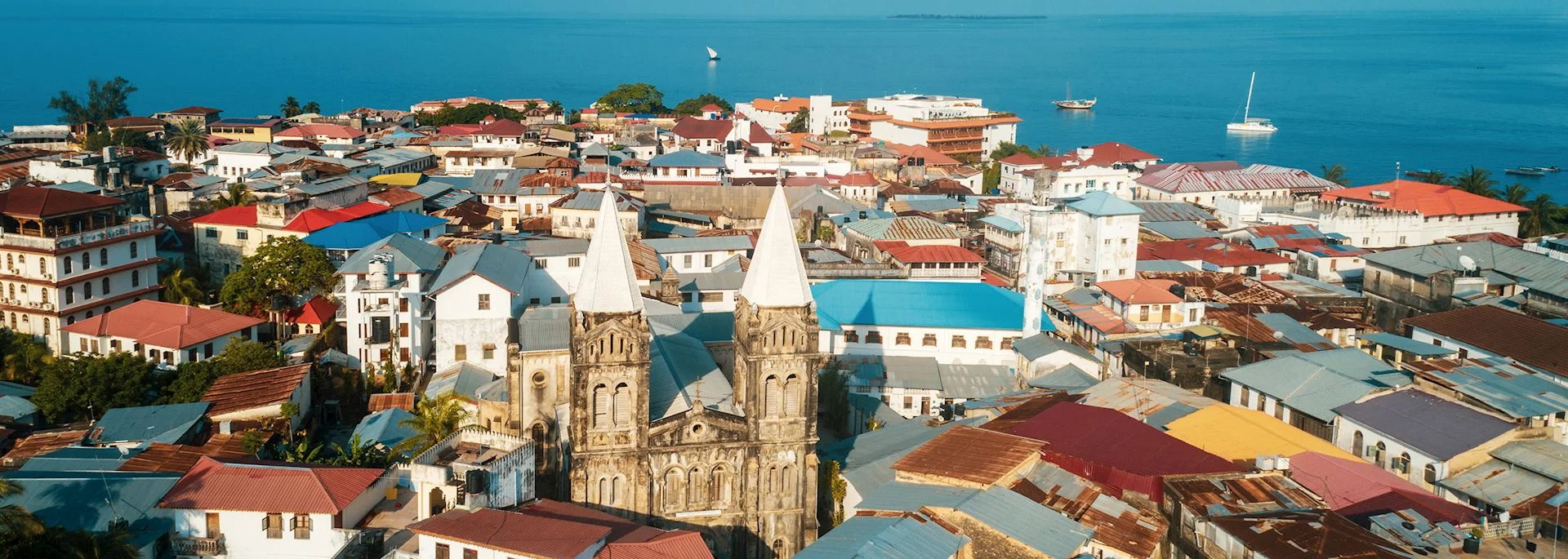
    Stone Town, Zanzibar, is not merely a destination—it’s an immersive journey through time. Nestled on the shores of the Indian Ocean, this UNESCO World Heritage Site is renowned for its labyrinthine streets, intricately carved wooden doors, and a legacy that blends African, Arab, Persian, Indian, and European influences. Whether you are a history buff, a food lover, or a traveler seeking authentic cultural experiences, Stone Town offers a wealth of treasures waiting to be explored. In this ultimate guide, we invite you to discover the magic of Stone Town through its historic landmarks, culinary delights, and diverse accommodations that together paint a vivid portrait of Zanzibar.

    1. A Glimpse Into the Rich History of Stone Town

    Every stone, every door, and every alley in Stone Town whispers a story from the past. This ancient town has witnessed centuries of triumphs, turmoil, and cultural exchange that have left an indelible mark on its very soul.

    The House of Wonders and the Old Fort

    Zanzibar Stone Town Sultan Palace House of Wonders
    The House of Wonders (Beit al-Ajaib) in Stone Town, Zanzibar

    At the heart of Stone Town stands the House of Wonders (Beit al-Ajaib), a monumental building that once heralded modernity in East Africa. Constructed in 1883 by Sultan Barghash, this architectural marvel was the first building in the region to be equipped with electricity, running water, and an elevator. Today, even as it undergoes restoration, the House of Wonders remains a symbol of Zanzibar’s innovative spirit and historical grandeur.

    Not far from the House of Wonders is the Old Fort (Ngome Kongwe). Originally built by the Omanis in the late 17th century to fend off Portuguese invaders, the Old Fort has evolved into a lively cultural center. Its sturdy walls now house art exhibitions, local performances, and bustling markets where the present meets the past. Walking through its ancient corridors, you can almost hear echoes of history whispering through the stone walls.

    A Dark Chapter: The Slave Trade and Remembrance

    Stone Town’s history is not without its darker chapters. Once a central hub of the Indian Ocean slave trade, the town played a significant role in the enslavement of Africans who were captured and sold across the region. Today, the former slave market has been transformed into a place of remembrance. The Anglican Cathedral, built on the very site of the old slave market, stands as a moving memorial dedicated to those who suffered during those turbulent times. This powerful monument reminds visitors of the resilience of the human spirit and the importance of honoring the past.

    Stone Town Zanzibar Slave Monument

    The Omani Legacy and the Birth of a Legend

    Zanzibar’s transformation into a global trading powerhouse is closely linked to the era of the Omani Sultanate. In the 19th century, Sultan Said bin Sultan moved his capital from Muscat to Zanzibar, turning the island into a bustling center for the spice, ivory, and slave trades. The influence of Omani culture is still palpable in Stone Town’s ornate architecture, the intricate designs of its wooden doors, and the lingering aromas of exotic spices.

    Adding another layer to Stone Town’s colorful history is the story of Freddie Mercury, born Farrokh Bulsara in Zanzibar in 1946. The legendary frontman of Queen is celebrated not only through his music but also by local establishments like Mercury’s Restaurant & Bar. For decades, Mercury’s has been a beloved landmark in Stone Town, symbolizing the fusion of history and modern culture that defines Zanzibar.

    Surprising Tidbits of History

    Did you know that Stone Town gets its name from the coral stone used in the construction of its buildings? Over time, the soft coral stone weathers to a distinctive golden-brown hue that gives Stone Town its characteristic charm. Moreover, the island of Zanzibar was once known as the “Spice Island” due to its prolific production of cloves, nutmeg, cinnamon, and other aromatic spices. Even the 38-minute Anglo-Zanzibar War of 1896—the shortest war in history—adds to the fascinating mosaic of Stone Town’s past, making it a treasure trove for history enthusiasts.

    2. Culinary Adventures with a Historic Flair

    Stone Town’s culinary scene is a delightful blend of tradition and innovation. The flavors here are as diverse as the cultures that have influenced Zanzibar over the centuries. Dining in Stone Town is not just about eating; it’s about experiencing a vibrant heritage through every bite.

    Iconic Dining Destinations

    • Taarab Restaurant & Rooftop Bar:
      Imagine savoring a fusion of Swahili, Indian, and Mediterranean cuisines while gazing at a panoramic view of the Indian Ocean. Taarab Restaurant offers just that—an unforgettable culinary experience where every dish is a celebration of Zanzibar’s rich heritage. As the sun sets over Stone Town, the gentle strains of Taarab music add an enchanting soundtrack to your meal.
    • Cape Town Fish Market Zanzibar:
      Located along the scenic waterfront, this restaurant is a haven for seafood enthusiasts. The open-air terrace offers spectacular views of the ocean, making it the perfect spot to enjoy freshly caught seafood, innovative sushi creations, and Swahili-spiced grilled fish. Whether you’re dining under a starlit sky or a radiant sunset, every meal here is a feast for the senses.
    • Emerson on Hurumzi:
      Housed within a beautifully restored Swahili palace, Emerson on Hurumzi offers an immersive dining experience that is as much about culture as it is about cuisine. Enjoy a multi-course Swahili tasting menu, where traditional flavors are reimagined with modern flair. Live Taarab music fills the air, transporting you to another era as you dine in an ambiance steeped in history.
    • Mercury’s Restaurant & Bar – A Stone Town Legend:
      For decades, Mercury’s has been a beloved institution in Stone Town. Named after the legendary Freddie Mercury, this restaurant and bar is renowned for its eclectic mix of seafood, grills, and international dishes. With its mesmerizing ocean views, live music, and a legacy that spans generations, Mercury’s is a must-visit for anyone wanting to taste the spirit of Zanzibar.

    Local Favorites and Hidden Gems

    Stone Town Zanzibar Forodhani Food Market

    Beyond the well-known landmarks, Stone Town is dotted with charming eateries that capture the essence of local life. Lukmaan Restaurant is celebrated for its authentic Swahili dishes, serving up hearty plates of octopus curry, pilau rice, and chapati in a bustling, no-frills setting. Meanwhile, The Tea House Restaurant offers a refined high tea experience, complete with spiced teas, local pastries, and a serene ambiance that perfectly complements the historic surroundings.

    Cafés such as Zanzibar Coffee House and Lazuli Café provide a cozy retreat for travelers. Whether you’re in the mood for a rich, locally roasted coffee or a light, refreshing smoothie, these spots offer the perfect blend of flavor and culture—ideal for a leisurely break as you wander through the storied streets of Stone Town.

    3. Rest and Relaxation: Where to Stay in Stone Town

    After a day of exploring history and savoring sumptuous meals, the perfect sanctuary awaits in Stone Town. Accommodation here ranges from luxurious hotels steeped in heritage to charming mid-range options that offer both comfort and authenticity.

    Luxury & Boutique Options

    • Park Hyatt Zanzibar:
      For travelers seeking the pinnacle of elegance and luxury, Park Hyatt Zanzibar delivers an unrivaled oceanfront experience. Set against the backdrop of the Indian Ocean, this top-tier hotel combines Swahili-inspired decor with modern amenities. The spacious rooms, infinity pool, and gourmet dining options create a setting where every moment is steeped in opulence.
    • Emerson on Hurumzi:
      More than just a hotel, Emerson on Hurumzi is a cultural experience in itself. Nestled in a restored palace, this boutique hotel offers uniquely decorated rooms that reflect the rich heritage of Stone Town. Guests can indulge in the celebrated rooftop restaurant, where live Taarab music and multi-course Swahili tasting menus provide an unforgettable dining experience.

    Mid-Range Marvels

    • DoubleTree by Hilton Hotel Zanzibar – Stone Town:
      Ideally located in the heart of Stone Town, this hotel strikes the perfect balance between modern comfort and traditional charm. With well-appointed, air-conditioned rooms and amenities like a fitness center and rooftop dining, DoubleTree by Hilton is an excellent choice for both leisure and business travelers. Its proximity to major attractions, such as the House of Wonders and Forodhani Gardens, makes it a convenient and stylish base for your Stone Town adventures.
    • Tembo House Hotel:
      Step into history at Tembo House Hotel, where a historic building meets modern-day comforts. Located right on the beachfront, this hotel enchants guests with antique furnishings, traditional Swahili decor, and a refreshing courtyard pool. The unique beach access in Stone Town is a rarity, offering guests the luxury of both land and sea.
    • Zanzibar Serena Hotel:
      Overlooking the mesmerizing ocean, Zanzibar Serena Hotel is an upscale boutique option that exudes elegance and warmth. With its beautifully landscaped garden courtyard and a sparkling beachfront pool, this hotel offers a refined yet comfortable stay that captures the essence of Zanzibari hospitality.
    • Maru Maru Hotel & Kisiwa House:
      For those who prefer a more intimate setting, Maru Maru Hotel and Kisiwa House are two charming boutique accommodations that offer picturesque rooftop views and personalized service. These hotels are perfect for couples and solo travelers looking to experience the local flavor in a tranquil, yet stylish environment.

    Budget-Friendly & Authentic Guesthouses

    For travelers on a more modest budget who still want to experience the true essence of Stone Town, authentic guesthouses provide a welcoming home away from home. The Swahili House and Stone Town Café & Bed & Breakfast offer cozy, budget-friendly accommodations where traditional Zanzibari decor meets warm local hospitality. These guesthouses provide not only a comfortable place to rest but also a deeper connection to the local community and culture.

    4. Explore and Immerse: Must-Do Activities and Attractions

    Stone Town is a treasure trove of experiences that bring its rich history to life. Whether you’re a seasoned explorer or a curious traveler, the following activities offer a glimpse into the soul of Zanzibar:

    Wander the Labyrinthine Streets

    Stone Town Zanzibar Street Alley

    One of the simplest yet most captivating experiences in Stone Town is the act of wandering its narrow, winding alleys, similar to those found in Mombasa Old Town or Lamu. Here, every carved wooden door tells a story—each one a unique blend of Arab, Indian, and African artistry. As you meander through these ancient pathways, you’ll stumble upon hidden courtyards, vibrant artisan shops, and centuries-old mosques. It is a living museum where the past and present coexist in a dynamic dance of color, sound, and scent.

    Local Cultural Hotspots

    • Jaws Corner:
      Immerse yourself in local life at Jaws Corner, a bustling gathering spot where residents converge over strong, aromatic coffee. This open-air hub is a microcosm of Stone Town’s social fabric—filled with animated conversations, impassioned debates, and a sense of community that is both infectious and genuine.
    • Spice Tours and the Essence of Zanzibar:
      Just beyond the narrow streets of Stone Town lies the aromatic legacy of Zanzibar—the Spice Island. Venture on a spice tour to explore lush plantations where cloves, nutmeg, cinnamon, and vanilla are grown. These tours are not only a sensory delight but also a window into the historical trade that once made Zanzibar one of the richest spice producers in the world.
    • Prison Island Adventure:
      A short boat ride from Stone Town takes you to Prison Island, a serene retreat that offers a mix of history and nature. Originally used as a prison for rebellious slaves, this island is now a sanctuary for ancient giant tortoises, some of which are over a century old. Snorkeling in the crystal-clear waters surrounding the island adds a splash of adventure to this cultural excursion.

    Discover Cultural Landmarks

    Stone Town’s many museums and historic sites offer deeper insights into its multifaceted past:

    • Sultan’s Palace Museum:
      Once the residence of Omani sultans, the Sultan’s Palace Museum is a treasure trove of royal artifacts, ornate furnishings, and historical documents. A visit here allows you to step back into a world of regal opulence and learn about the intricate history of Zanzibar’s ruling elite.
    • Hamamni Persian Baths and Maruhubi Palace Ruins:
      Explore the exquisite remnants of the Persian Baths and the ruins of Maruhubi Palace. These sites speak to the lavish lifestyles and architectural prowess of Zanzibar’s past rulers, inviting you to imagine the splendor that once graced these ancient walls.
    • The Anglo-Zanzibar War Memorial:
      History enthusiasts will be intrigued by the tale of the 38-minute Anglo-Zanzibar War—the shortest war in history. Though brief, this conflict in 1896 left an indelible mark on Zanzibar’s narrative, serving as a reminder of the island’s complex colonial past.

    5. Embracing the Local Spirit: Art, Music, and Handicrafts

    No visit to Stone Town is complete without engaging with its vibrant cultural scene. The town is a hub for local artisans, musicians, and craftspeople who keep age-old traditions alive while adding their own modern twists.

    The Art of the Carved Doors

    Perhaps one of the most iconic symbols of Stone Town is its elaborately carved wooden doors. These masterpieces are a visual testament to the town’s rich heritage. Ranging from the simple elegance of Swahili designs to the intricate floral patterns of Arab-inspired doors, each door reflects the wealth, status, and cultural pride of the family that once resided behind it. As you photograph these stunning works of art, you become part of a centuries-old tradition that celebrates beauty and craftsmanship.

    Music That Tells a Story

    Music is the heartbeat of Zanzibar, and nowhere is this more evident than in the haunting melodies of Taarab. This unique musical genre—a blend of Arabic, African, and Indian influences—fills the air at many of Stone Town’s rooftop restaurants and cultural centers. Whether you’re enjoying a meal at Taarab Restaurant & Rooftop Bar or being serenaded at Emerson on Hurumzi, the music of Zanzibar adds an irreplaceable layer of authenticity to your experience.

    Handicrafts and Souvenirs

    Stone Town’s bustling markets are a paradise for shoppers seeking authentic souvenirs. From handmade textiles and intricate beadwork to locally produced spices and artisanal ceramics, the markets here offer a glimpse into the everyday artistry of Zanzibar. The Darajani Market, in particular, is a sensory overload where every stall tells a story of tradition, skill, and community.

    Final Thoughts: Your Unforgettable Zanzibar Adventure Awaits

    Stone Town, Zanzibar, is a destination where every experience is steeped in history and every moment is a chance to create lasting memories. Its unique blend of ancient landmarks, vibrant culinary experiences, and diverse accommodations create a canvas rich with color, culture, and endless possibilities.

    Imagine waking up in a heritage hotel like Park Hyatt Zanzibar or Emerson on Hurumzi, where every detail tells a story of tradition and modern elegance. Spend your mornings exploring centuries-old forts, bustling markets, and secret alleys that lead to hidden treasures. Savor a lunch of freshly caught seafood at Cape Town Fish Market, followed by an afternoon wandering through spice plantations that have defined Zanzibar’s identity for generations. As the sun sets, the air fills with the soulful strains of Taarab music, inviting you to dine under the stars at Mercury’s Restaurant & Bar—an institution that has captivated locals and visitors alike for decades.

    This is the magic of Stone Town, Zanzibar—a place where the past and present coalesce into a vibrant mosaic of experiences. Whether you’re fascinated by history, in love with food, or simply seeking a destination that feels authentically alive, Stone Town promises an adventure that is as timeless as it is unforgettable.

    So pack your bags, set your spirit free, and prepare to be enchanted by the endless wonders of Stone Town, Zanzibar. Your unforgettable journey awaits in this island paradise where every moment is a story, and every story is a treasure.

    See Also

    https://hellozanzibar.com/stone-town-zanzibar-to-do-explore-mji-mkongwe/
  • 7 Epic Dar es Salaam Secrets: Discover the Best Nightlife, Dining, and Cultural Delights

    7 Epic Dar es Salaam Secrets: Discover the Best Nightlife, Dining, and Cultural Delights

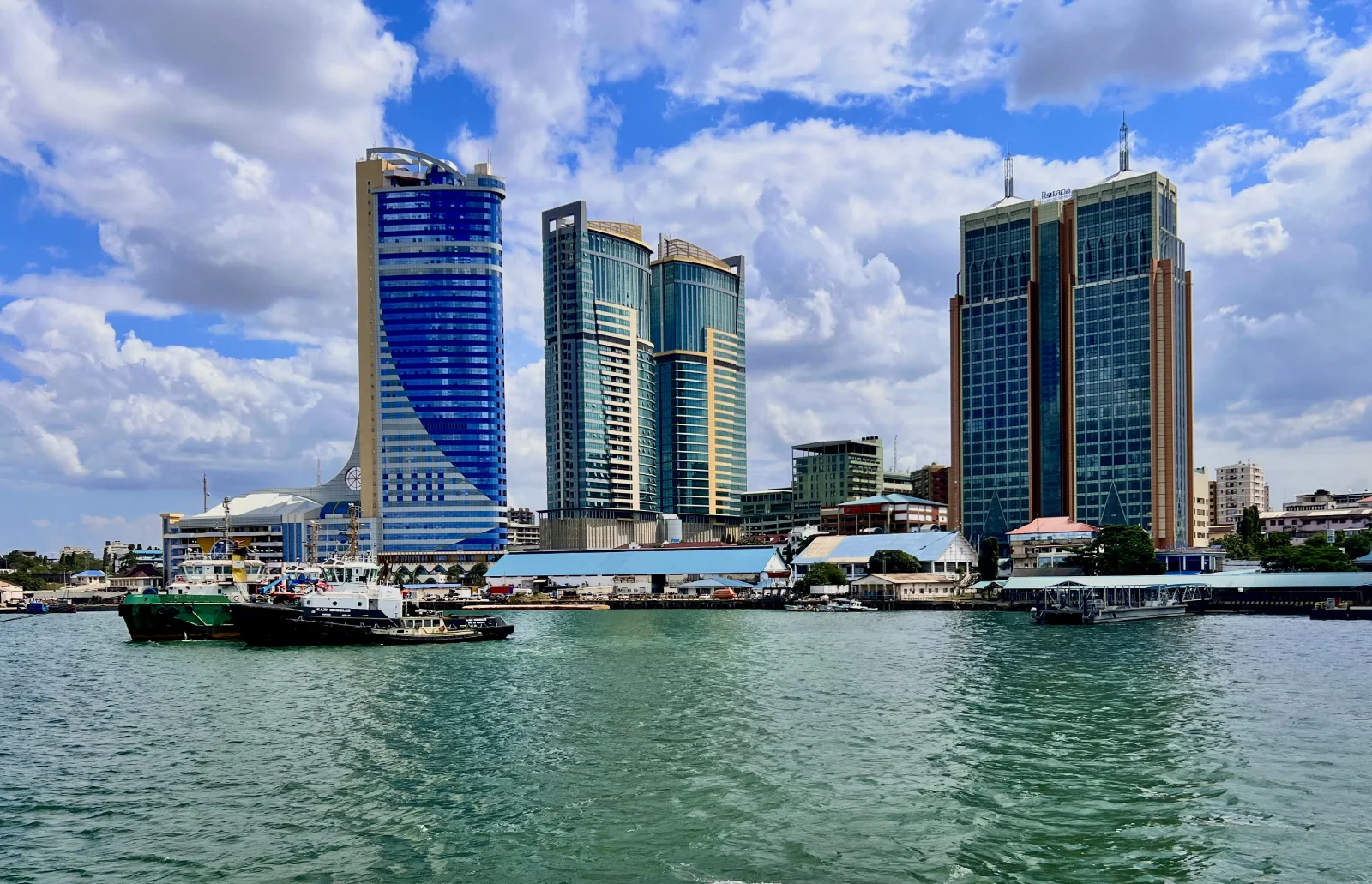
    Dar es Salaam, often affectionately referred to as “Dar,” is not just Tanzania’s largest city—it’s the pulsating heart of East Africa’s culture, commerce, and creativity. A vibrant blend of modernity and history, Dar es Salaam offers travelers a rich tapestry of experiences ranging from scenic oceanfront vistas and bustling markets to sophisticated dining and electrifying nightlife.

    Just like its coastal counterpart Mombasa in Kenya, Dar captivates with its unique energy, and beckons with a vibrant mix of historic charm and seaside allure, offering visitors an extended taste of East Africa’s dynamic spirit. In this comprehensive guide, we’ll take you on an in-depth journey through the very best the city has to offer. Read on to uncover the top bars and nightclubs, restaurants, hotels, must-do activities, and intriguing historical facts that shape this dynamic city.

    (adsbygoogle = window.adsbygoogle || []).push({});

    A Nightlife to Remember: Top Bars and Nightclubs in Dar es Salaam

    Dar es Salaam’s nightlife is an eclectic mix of chic rooftop lounges, lively dance floors, and relaxed neighborhood bars. Whether you’re in the mood for sipping cocktails under the stars or dancing the night away, the city’s venues cater to every style and taste.

    1. Level 8 Rooftop Bar

    Location: Hyatt Regency Dar es Salaam, 24 Kivukoni Rd
    Best For: Stunning panoramic views and an upscale, sophisticated ambiance

    Perched atop the elegant Hyatt Regency, Level 8 Rooftop Bar is a must-visit for anyone who loves breathtaking vistas. As the city’s lights begin to twinkle against the backdrop of the Indian Ocean, this rooftop bar creates a mesmerizing ambiance ideal for romantic evenings or high-end gatherings with friends. With an expertly curated cocktail menu and impeccable service, Level 8 provides a luxurious escape from the everyday hustle.

    2. High Spirit Lounge Bar

    Location: It Plaza, Ohio Street (Garden Ave)
    Best For: Open-air vibes and a dynamic mix of music

    High Spirit Lounge Bar offers more than just great drinks—it’s a full sensory experience. Nestled in the heart of the city, this rooftop venue boasts captivating views of the ocean and the cityscape below. The relaxed yet energetic atmosphere, paired with a diverse music playlist that blends African beats with international hits, makes it an ideal spot for unwinding after a long day or kicking off a night on the town.

    3. Slow Leopard

    Location: Chole Road
    Best For: Casual, laid-back vibes perfect for sports enthusiasts

    If you’re looking for a more relaxed setting, Slow Leopard is your go-to bar. Popular among both locals and expats, this laid-back venue is renowned for its delicious burgers, finger foods, and, of course, its excellent drink selection. The casual atmosphere makes it the perfect place to catch a game, chat with friends, and soak up the local vibe without the need for any pretense.

    4. HAVOC

    Location: Various locations in Dar es Salaam
    Best For: An electrifying nightclub experience with a spacious dance floor

    For those who want to experience the high-energy pulse of Dar’s nightlife, HAVOC is a top choice. This vibrant nightclub features multiple sections that cater to different musical tastes and moods, ensuring that there’s something for everyone. With its expansive dance floor and sophisticated decor, HAVOC is perfect for letting loose and celebrating life deep into the early hours.

    5. Samaki Samaki

    Location: Multiple locations around Dar es Salaam
    Best For: A lively fusion of seafood dining and vibrant nightlife

    Samaki Samaki is not your average restaurant—it’s a cultural hub where dining meets entertainment. Famous for its delectable seafood dishes, this venue also transforms into a buzzing bar as the night progresses. The energetic atmosphere, live music, and eclectic mix of patrons create a dynamic environment that perfectly encapsulates Dar’s spirit.

    6. Elements Restaurant & Lounge

    Location: Haile Selassie Road
    Best For: Trendy ambiance with an eclectic mix of music styles

    Elements Restaurant & Lounge is where style meets substance. Catering to a trendy, cosmopolitan crowd, this venue is known for its fusion of hip-hop, Afro beats, and Bongo Flava. With its chic interior, creative cocktail offerings, and an atmosphere that effortlessly transitions from relaxed to lively, Elements stands out as one of the city’s hippest lounges.

    (adsbygoogle = window.adsbygoogle || []).push({});

    Culinary Adventures: The Best Restaurants in Dar es Salaam

    Dar es Salaam’s culinary scene is as diverse as its people, offering everything from high-end dining experiences to local eateries that have won hearts for their authenticity and flavor. Whether you’re seeking gourmet international dishes or traditional Tanzanian fare, the city’s restaurants cater to every palate and budget.

    High-End Dining Experiences

    1. Akemi Revolving Restaurant

    Location: 21st Floor, Golden Jubilee Tower (Ohio Street)
    Best For: A unique dining experience with 360-degree views

    Akemi Revolving Restaurant is a culinary landmark in Dar es Salaam. As Tanzania’s only revolving restaurant, Akemi offers diners a mesmerizing 360-degree view of the city and the shimmering Indian Ocean. The menu features a sophisticated blend of international and local cuisines—perfect for those special occasions when you want your dining experience to be as memorable as the view.

    2. The Palm at Hyatt Regency Dar es Salaam

    Location: Hyatt Regency Dar es Salaam, The Kilimanjaro, 24 Kivukoni Front
    Best For: Fine dining with a blend of international and local flavors

    Nestled within the luxurious Hyatt Regency, The Palm delivers an exceptional fine dining experience. The restaurant offers a menu that artfully blends Swahili spices with European culinary techniques. From fresh seafood to gourmet steaks, every dish is prepared with precision and served in an elegant, modern setting. It’s the ideal destination for romantic dinners, business meetings, or special celebrations.

    3. Karambezi Café

    Location: Sea Cliff Hotel
    Best For: Oceanfront dining with a focus on fresh seafood

    Karambezi Café, set at the iconic Sea Cliff Hotel, offers diners more than just a meal—it provides a sensory experience. With its cliffside location, guests are treated to panoramic ocean views while enjoying an array of fresh seafood and continental dishes. Whether you’re there for brunch or a romantic dinner, the stunning setting coupled with delicious cuisine makes Karambezi Café an unforgettable dining destination.

    Mid-Range Marvels

    4. Addis in Dar

    Location: Various locations in Dar es Salaam
    Best For: Authentic Ethiopian cuisine and a communal dining experience

    For a change of pace from traditional Tanzanian fare, Addis in Dar brings the rich flavors of Ethiopian cuisine to the heart of Dar es Salaam. This family-owned restaurant offers a unique dining experience where dishes are served on injera (Ethiopian flatbread) and shared among friends and family. The bold spices, hearty stews, and warm, inviting atmosphere make Addis in Dar a standout mid-range dining option.

    5. Épi d’Or

    Location: Haile Selassie Road
    Best For: A delightful fusion of French, Mediterranean, and Middle Eastern dishes

    Épi d’Or is a charming café that blends the best of French and Mediterranean culinary traditions with a touch of Middle Eastern flavor. It’s a popular spot for breakfast, brunch, and casual dinners. Whether you’re indulging in freshly baked pastries or a gourmet sandwich, the relaxed ambiance and beautiful garden seating ensure a pleasant dining experience.

    Budget-Friendly Delights

    6. Mamboz Corner BBQ

    Location: 296/101 Libya St (Morogoro Road)
    Best For: Authentic Tanzanian barbecue at unbeatable prices

    Mamboz Corner BBQ is a must-visit for those seeking the true taste of local street food without breaking the bank. Known for its succulent grilled meats and vibrant atmosphere, this budget-friendly eatery is a hit among locals and travelers alike. Here, you can savor flavor-packed dishes like ‘Sekela’ chicken, beef mishkaki, and spicy Zanzibar mix—all served in a bustling, authentic environment that epitomizes Dar’s street food culture.

    Rest and Relaxation: The Top Hotels and Accommodations in Dar es Salaam

    Finding the perfect place to stay in Dar es Salaam is key to enjoying your trip to the fullest. The city offers a wide range of accommodations from luxurious five-star hotels to cozy mid-range options and standout budget-friendly alternatives.

    (adsbygoogle = window.adsbygoogle || []).push({});

    High-End Hotels

    1. Hyatt Regency Dar es Salaam, The Kilimanjaro

    Location: Kivukoni Street, Dar es Salaam
    Best For: Luxurious amenities, panoramic views, and central location

    Hyatt Regency Dar es Salaam stands as a beacon of luxury in the city. With modern rooms that offer breathtaking views of the Indian Ocean, this five-star hotel combines comfort with elegance. Guests can indulge in a world-class spa, work out at the state-of-the-art fitness center, or enjoy a cocktail at the rooftop bar. Whether you’re in town for business or leisure, Hyatt Regency provides an impeccable blend of style and convenience.

    2. Dar es Salaam Serena Hotel

    Location: Ohio Street, Dar es Salaam
    Best For: Elegant ambiance set in lush tropical gardens

    Set against a backdrop of tropical gardens, Dar es Salaam Serena Hotel is the epitome of elegance. The hotel’s spacious rooms, adorned with a mix of African and modern décor, create a serene atmosphere that’s perfect for relaxation. With its excellent dining options, outdoor pool, and comprehensive amenities, Serena Hotel offers a luxurious retreat in the heart of the city.

    3. Johari Rotana

    Location: Sokoine Drive, Dar es Salaam
    Best For: Contemporary luxury with exceptional business facilities

    Johari Rotana caters to both business and leisure travelers with its stylish and modern rooms and suites. The hotel features a wellness center, an outdoor pool, and diverse dining venues that serve a variety of cuisines. Its central location along Sokoine Drive makes it an ideal base for exploring Dar es Salaam’s commercial and cultural hubs.

    Mid-Range Hotels

    4. Mediterraneo Hotel & Restaurant

    Location: Kawe Beach, Dar es Salaam
    Best For: A charming beachfront boutique hotel with a Mediterranean twist

    Mediterraneo Hotel & Restaurant offers a refreshing change of pace. Located right on Kawe Beach, this boutique hotel combines Swahili-inspired décor with Mediterranean elegance. The lush gardens, cozy rooms, and an on-site restaurant renowned for its seafood and Mediterranean dishes create an inviting atmosphere perfect for a relaxed getaway. It’s an ideal choice for those who want to enjoy the tranquility of the beach without sacrificing comfort or style.

    5. Protea Hotel by Marriott Dar es Salaam Courtyard

    Location: Sea-view Ocean Road, Dar es Salaam
    Best For: Colonial charm and a convenient location for urban explorers

    Housed in a beautifully restored colonial building, the Protea Hotel by Marriott Courtyard offers a delightful blend of history and modernity. The hotel features comfortable rooms, a charming courtyard pool, and a restaurant serving both local and international fare. Its location on Ocean Road makes it an excellent choice for travelers eager to explore the city’s landmarks and hidden treasures.

    6. Tanzanite Executive Suites

    Location: Mali Street, Dar es Salaam
    Best For: Spacious suites ideal for extended stays and city center access

    Tanzanite Executive Suites caters especially to those planning a longer stay in Dar es Salaam. With modern suites equipped with kitchenettes, this hotel is perfect for travelers who prefer a home-like environment while exploring the bustling city. The added convenience of a fitness center and proximity to shopping areas further cements its reputation as a reliable mid-range option.

    Standout Budget Accommodation

    7. Sophia Hotel

    Location: Mchafukoge, Dar es Salaam
    Best For: Exceptional value in a central location with reliable amenities

    For budget-conscious travelers, Sophia Hotel offers clean, comfortable rooms without compromising on quality. Located in the bustling area of Mchafukoge, this hotel is renowned for its affordability, dependable Wi-Fi, and friendly service. Despite its budget-friendly pricing, Sophia Hotel consistently receives praise for its attention to detail and prime location, making it a standout choice for those looking to explore Dar es Salaam on a budget.

    Must-Do Experiences and Attractions in Dar es Salaam

    The city is bursting with activities and attractions that reflect its vibrant cultural tapestry. From museums and markets to nature escapes and artistic hubs, there’s something in Dar es Salaam for every kind of traveler.

    (adsbygoogle = window.adsbygoogle || []).push({});

    1. Immerse Yourself in History and Culture

    National Museum & House of Culture

    Location: Shaaban Robert Street, Dar es Salaam
    Highlights:

    • Discover Tanzania’s fascinating history, including early hominid fossils and cultural artifacts.
    • Learn about the region’s colonial past through exhibits featuring German and British influences.

    The National Museum & House of Culture is a treasure trove of historical insights that take you on a journey through time. Here, visitors can delve into the rich pre-colonial and colonial history of Tanzania, viewing rare artifacts and educational exhibits that provide context to the region’s development.

    Village Museum (Kijiji cha Makumbusho)

    Location: Mikocheni, Dar es Salaam
    Highlights:

    • Explore a vibrant open-air museum showcasing traditional huts from 16 different Tanzanian ethnic groups.
    • Enjoy live cultural performances, including music and dance, that bring the museum to life.

    This unique museum offers a hands-on cultural experience where traditional lifestyles are recreated through authentic structures and regular performances. The Village Museum is an essential stop for those eager to understand the diverse heritage of Tanzania.

    2. Engage with Local Markets and Landmarks

    Kivukoni Fish Market

    Location: Ocean Road, Kivukoni, Dar es Salaam
    Highlights:

    • Witness the hustle and bustle of a traditional fish market where local fishermen bring in their fresh catches.
    • Experience the vibrant local commerce and sample freshly prepared seafood dishes.

    The Kivukoni Fish Market is a sensory overload in the best way possible. Early risers can catch the excitement of auctions and the energetic banter of vendors—a perfect snapshot of local life.

    Askari Monument

    Location: Samora Avenue, Dar es Salaam
    Highlights:

    • Admire the bronze statue commemorating the brave African soldiers of World War I.
    • Reflect on the monument’s historical significance as a symbol of resilience and unity.

    A short stroll through the city’s bustling streets will lead you to this iconic monument, a poignant reminder of Dar es Salaam’s historical contributions and the sacrifices of its people.

    3. Explore Spiritual and Natural Havens

    Azania Front Lutheran Church

    Location: Kivukoni Road, Dar es Salaam
    Highlights:

    • Marvel at the Gothic architecture and historic red-roofed design built by German missionaries in 1898.
    • Enjoy panoramic views of the harbor from the church’s prominent belfry.

    This charming church offers more than spiritual solace—it’s a window into the city’s colonial past, standing proudly as one of Dar es Salaam’s most recognizable landmarks.

    St. Joseph’s Metropolitan Cathedral

    Location: Sokoine Drive, Dar es Salaam
    Highlights:

    • Visit a stunning Gothic-style cathedral known for its intricate stained glass windows and historical depth.
    • Reflect on the rich religious history that has influenced the region for over a century.

    Whether you’re a history buff or simply appreciate architectural beauty, this cathedral is a must-see landmark in the city.

    Botanical Gardens

    Location: Samora Avenue, Dar es Salaam
    Highlights:

    • Wander through lush gardens established in 1895, featuring both indigenous and exotic plants.
    • Enjoy a peaceful respite from the city’s hustle while learning about tropical flora.

    The Botanical Gardens provide a serene escape where nature and history coexist—a perfect retreat for nature lovers and those seeking tranquility.

    4. Sun, Sand, and Island Escapes

    Bongoyo Island

    Location: Off the Msasani Peninsula, Dar es Salaam
    Highlights:

    • Embark on a day trip to an uninhabited island within the Dar es Salaam Marine Reserve.
    • Enjoy pristine beaches, clear waters perfect for snorkeling, and scenic nature trails.

    For a taste of paradise, a short boat ride from Dar es Salaam will transport you to Bongoyo Island, where you can bask in the natural beauty of Tanzania’s coastline. This island escape is ideal for adventurers and beach lovers alike.

    Nafasi Art Space

    Location: Mikocheni B, Dar es Salaam
    Highlights:

    • Dive into the contemporary art scene at this cultural hub, where exhibitions, workshops, and live performances foster creativity.
    • Meet local artists and gain insights into the evolving artistic landscape of Tanzania.

    Nafasi Art Space is more than just an art gallery—it’s a dynamic center for creative expression that captures the progressive spirit of Dar es Salaam’s modern cultural scene.

    Kariakoo Market

    Location: Kariakoo, Dar es Salaam
    Highlights:

    • Explore one of the city’s largest and most bustling markets, offering everything from fresh produce to textiles.
    • Experience the vibrant energy of local commerce and interact with friendly vendors.

    A visit to Kariakoo Market is essential for those who want to immerse themselves in the daily life of Dar es Salaam. The market is not only a shopping destination but also a cultural experience that reveals the city’s heartbeat.

    The Historical Tapestry of Dar es Salaam: 4 Fascinating Facts

    No exploration of Dar es Salaam would be complete without understanding its rich historical backdrop. Here are four captivating historical facts that have shaped the city into what it is today:

    (adsbygoogle = window.adsbygoogle || []).push({});
    1. Founding and Name Origin:
      Founded in 1866 by Sultan Majid bin Said of Zanzibar, Dar es Salaam—meaning “abode of peace” in Arabic—was established near the village of Mzizima. Its peaceful name belies the dynamic growth and evolution that the city has undergone over the decades.
    2. Colonial Capital:
      In the late 19th century, Dar es Salaam emerged as the administrative and commercial center of German East Africa. Following World War I, British control reshaped the city as it became the capital of the Tanganyika Territory, leaving behind a legacy of colonial architecture and urban planning.
    3. Railway Development:
      The early 1900s saw the construction of the Central Railway Line, linking Dar es Salaam to the interior regions of Tanzania. This pivotal development spurred trade, boosted economic growth, and positioned the city as a vital hub for commerce.
    4. Post-Independence Capital Shift:
      After Tanganyika gained independence in 1961 and later united with Zanzibar in 1964 to form Tanzania, Dar es Salaam continued as the capital for many years. Despite plans in 1973 to move the capital to Dodoma, many government functions remain in Dar, maintaining its status as the political and economic heartbeat of the nation.

    Why Dar es Salaam Should Be Your Next Destination

    Dar es Salaam is more than just a gateway to Tanzania—it’s a destination in its own right. Here’s why travelers from around the world are drawn to this dynamic city:

    (adsbygoogle = window.adsbygoogle || []).push({});

    A Cultural Melting Pot

    Dar es Salaam is a living, breathing mosaic of cultures. The city’s bustling markets, lively street scenes, and colorful festivals offer endless opportunities to engage with the local culture. Whether you’re bargaining for souvenirs at Kariakoo Market or enjoying a traditional dance at the Village Museum, every experience is a chance to immerse yourself in the vibrant tapestry of Tanzanian life.

    A Food Lover’s Paradise

    The culinary scene in Dar es Salaam is as diverse as its people. From high-end restaurants serving international gourmet dishes to street-side BBQ joints dishing out local favorites, the city caters to every taste and budget. Whether you’re savoring the panoramic views at Akemi Revolving Restaurant or enjoying the authentic flavors of Mamboz Corner BBQ, your taste buds are in for a treat.

    Luxurious Comfort and Cozy Retreats

    When it comes to accommodations, Dar es Salaam offers options for every traveler. Indulge in the luxury of five-star hotels like the Hyatt Regency and Dar es Salaam Serena Hotel, or choose from charming mid-range options such as Mediterraneo Hotel & Restaurant. For those on a tighter budget, standout choices like Sophia Hotel ensure that comfort and convenience are never compromised.

    A Blend of Modernity and History

    Walking through Dar es Salaam, you can see firsthand how the city balances its rich historical heritage with modern dynamism. Historic landmarks like the National Museum and Askari Monument stand side by side with contemporary art spaces and bustling nightlife. This unique blend creates an urban landscape that is as inspiring as it is diverse.

    Natural Beauty and Island Escapes

    Beyond the city limits, the natural beauty of Dar es Salaam’s surroundings beckons. With easy access to pristine beaches, vibrant marine reserves, and scenic islands like Bongoyo, adventurers can quickly switch from urban exploration to tropical relaxation. Whether you’re snorkeling in crystal-clear waters or lounging on a sun-kissed beach, the region’s natural attractions provide the perfect counterbalance to city life.

    Tips for Making the Most of Your Dar es Salaam Experience

    To truly enjoy everything Dar es Salaam has to offer, here are a few insider tips:

    • Plan Ahead:
      With so many attractions, planning your itinerary can help you make the most of your time. Consider grouping activities by location to minimize travel time and maximize experiences.
    • Embrace Local Culture:
      Interact with locals, try regional dishes, and attend cultural events. The more you immerse yourself in the local culture, the richer your experience will be.
    • Stay Hydrated and Protected:
      The tropical climate of Dar es Salaam means the sun is often strong. Always carry water, wear sunscreen, and don a hat or sunglasses when exploring during the day.
    • Safety First:
      Like any major city, it’s wise to stay aware of your surroundings. Use reputable transportation services, especially at night, and always keep your valuables secure.
    • Connect with Locals:
      Whether it’s through guided tours or casual conversations at a local café, interacting with residents can provide unique insights into the city’s hidden gems and local traditions.
    (adsbygoogle = window.adsbygoogle || []).push({});

    Final Thoughts

    Dar es Salaam is a city of endless discovery—a place where historic legacy meets modern vibrancy, where culinary adventures blend with luxury and budget-friendly finds, and where every street tells a story. From the high-energy nightlife to the exquisite dining and comfortable accommodations, every facet of the city is designed to captivate the senses.

    Whether you’re exploring cultural landmarks, indulging in gourmet cuisine, or simply soaking up the tropical sun on a nearby beach, Dar es Salaam offers experiences that are as diverse as they are unforgettable. The rich history, dynamic urban scene, and warm, welcoming people make it clear why so many travelers have fallen in love with this remarkable city.

    So pack your bags, prepare your senses, and get ready to explore one of East Africa’s most captivating destinations. Dar es Salaam isn’t just a place to visit—it’s an experience that will leave you inspired, rejuvenated, and longing for your next adventure.

    By combining world-class hospitality, an ever-evolving cultural scene, and a deep historical narrative, Dar es Salaam stands as a beacon for travelers seeking both luxury and authenticity. This ultimate guide is your key to unlocking the many layers of this dynamic city. Whether you’re planning a short trip or an extended stay, let Dar es Salaam’s magic sweep you off your feet and leave you with memories that last a lifetime.

    Experience the pulse of Tanzania—experience Dar es Salaam.

    Ready to plan your next adventure? Bookmark this guide, share it with fellow travelers, and let the vibrant streets of Dar es Salaam welcome you with open arms!

  • 10 Must-Know Secrets of Tsavo East & Tsavo West: Epic Sundowners, Wild Encounters & Kilimanjaro Vistas

    10 Must-Know Secrets of Tsavo East & Tsavo West: Epic Sundowners, Wild Encounters & Kilimanjaro Vistas

    The Twin Legends of Tsavo

    Kenya’s Tsavo East and West National Parks together create a vast tapestry of nature’s wonders, weaving together dramatic landscapes, abundant wildlife, and historical intrigue. These parks, while distinct in character, share an irresistible charm—ranging from expansive savannahs that glow with the hues of unforgettable sundowners to modern routes like the highway and Standard Gauge Railway (SGR) that cut through their wild heart. With the iconic snow-capped silhouette of Mount Kilimanjaro as a distant backdrop, every moment in Tsavo is a captivating blend of natural beauty and storied heritage.

    The Heartbeat of Tsavo: Shared Wonders and Modern Contrasts

    Awe-Inspiring Sundowners and Scenic Vistas

    As the sun dips below the horizon, both Tsavos come alive with colors that set the skies ablaze. Elevated viewpoints reveal endless expanses of savannah dotted with acacia trees, where every sundowner is a soulful performance of reds, oranges, and golds. The distant, imposing figure of Mount Kilimanjaro adds a majestic counterpoint to these sunsets, creating an ever-changing masterpiece that captures the essence of Kenya’s wilderness.

    Tsavo West Sunset

    A Thriving Wildlife Extravaganza

    The parks are home to a dazzling array of wildlife that encapsulates the spirit of Africa. Every game drive is a lesson in nature’s delicate balance:

    • Elephants: Massive herds roam freely, their stately movements underscoring the park’s ancient rhythms.
    • Big Cats: Lions, leopards, and cheetahs move with stealth and power, providing thrilling encounters for the intrepid traveler.
    • Grazers and Birdlife: Zebras, antelopes, giraffes, and a colorful chorus of birds—from hornbills to bee-eaters—add texture and dynamism to the landscape.

    Each creature, from the mighty elephant to the elusive predator, is part of the wild narrative that makes Tsavo a living, breathing safari experience.

    Tsavo West Elephant

    Modern Highways and the SGR

    Amid the timeless wilderness, modernity makes its mark. A bustling highway slices through the parks, seasoning the journey with a reminder of Kenya’s infrastructural progress. The Standard Gauge Railway (SGR) further underscores this blend of old and new, its sleek design cutting across rugged terrain. This convergence of modern transit and natural majesty symbolizes Kenya’s dynamic evolution while serving as a gateway to deeper adventures in the wild.

    Ostrich SGR Kenya

    Tsavo East: The Land of Vast Plains and Timeless Legends

    Expansive Landscapes and Unforgettable Sundowners

    Expansive Landscapes and Unforgettable Sundowners

    Tsavo East is defined by its boundless plains and rugged terrain—a canvas where nature paints with light and shadow. Located within reach of the vibrant coastal city of Mombasa and the beach haven of Diani, this park offers a unique blend of inland wilderness and coastal allure. As day turns to dusk, expansive savannahs transform into a mesmerizing palette of colors, accentuated by dramatic escarpments and clusters of ancient acacia trees. From elevated points within the park, visitors are treated to uninterrupted views that capture the grandeur of the African wilderness, with the distant peak of Mount Kilimanjaro adding an ethereal quality to every sunset.

    Wildlife Encounters in a Realm of Giants

    In Tsavo East, the animal kingdom reigns supreme:

    • Herds of Elephants: These gentle giants parade through the arid plains, their movements a quiet celebration of survival.
    • Predators on the Prowl: The stealth of lions, complemented by the agility of cheetahs and leopards, creates thrilling moments that pulse with the raw energy of nature.
    • Avian Life: The skies are alive with vibrant bird species, adding dynamic bursts of color and melody to the park’s ambiance.

    Every game drive in Tsavo East is an invitation to witness the circle of life up close—a visceral experience where every encounter deepens your connection with nature.

    Legends of the Railway and the Infamous Man-Eater

    Tsavo East is also steeped in historical mystery. The old railway, now a rusted relic, winds through the park, bearing silent testimony to a bygone era of colonial ambition and adventure. Among the stories that linger in the dusty air is that of the infamous man-eater—a lion whose brutal exploits during the railway’s construction turned it into a living legend. This chilling narrative not only underscores the perilous nature of early railway construction but also cements Tsavo’s reputation as a land where the wild defies human control.

    Tsavo East Lions

    A Touch of Luxury: Salt Lick Lodge

    For travelers seeking respite amid the rugged beauty of Tsavo East, Salt Lick Lodge offers a perfect blend of rustic charm and modern comfort. Situated on the edge of the park, the lodge provides panoramic views of the sprawling savannah and easy access to game drives. Whether you’re unwinding after an exhilarating day in the wild or savoring a gourmet meal with the setting sun, Salt Lick Lodge transforms your safari experience into an indulgent retreat.

    Tsavo West: A Mosaic of Dramatic Landscapes and Rich Heritage

    Diverse Terrains and Mystical Sundowners

    While Tsavo East is renowned for its expansive plains, Tsavo West offers a more intimate encounter with nature through its varied terrain. Located just a short journey from the charming coastal towns of Malindi and Watamu, the park is enriched by a hint of coastal allure that enhances its diverse landscapes. Here, rocky outcrops, dense bushlands, and meandering river systems form a mosaic of environments that invite exploration. As the light fades, rugged escarpments and hidden waterholes become bathed in a soft, diffused glow, evoking a sense of mystery and wonder that is distinctly Tsavo West.

    Tsavo West Sunset

    Intimate Wildlife Encounters

    The wildlife in Tsavo West thrives amid its eclectic habitats:

    • Elephants and Grazers: Smaller, more intimate herds of elephants wander through rugged terrain, while zebras and antelopes add a rhythmic pulse to the land.
    • Predatory Elegance: The park’s natural cover provides ideal settings for lions, leopards, and cheetahs to exhibit their stealth and grace, ensuring that every safari here is filled with heart-stopping moments.
    • Aviary Delight: With an impressive array of bird species, from the delicate flutter of sunbirds to the commanding calls of raptors, Tsavo West offers a paradise for birdwatchers and nature enthusiasts alike.

    Every excursion in Tsavo West is a journey into the subtle intricacies of nature—a chance to witness how diverse ecosystems interact in perfect harmony.

    Modern Transit and Historical Echoes

    Tsavo West and Tsavo East are intersected by Nairobi-Mombasa highway and the SGR, reinforcing the narrative of modernity amid untamed wilderness. These transit routes not only provide convenient access to the park’s hidden treasures but also serve as reminders of Kenya’s rapid development. At the same time, echoes of history—like the remnants of the old railway and tales of the man-eater—infuse the landscape with a rich, storied past that deepens every visit.

    Indulgent Comfort: Ashnil Aruba Lodge

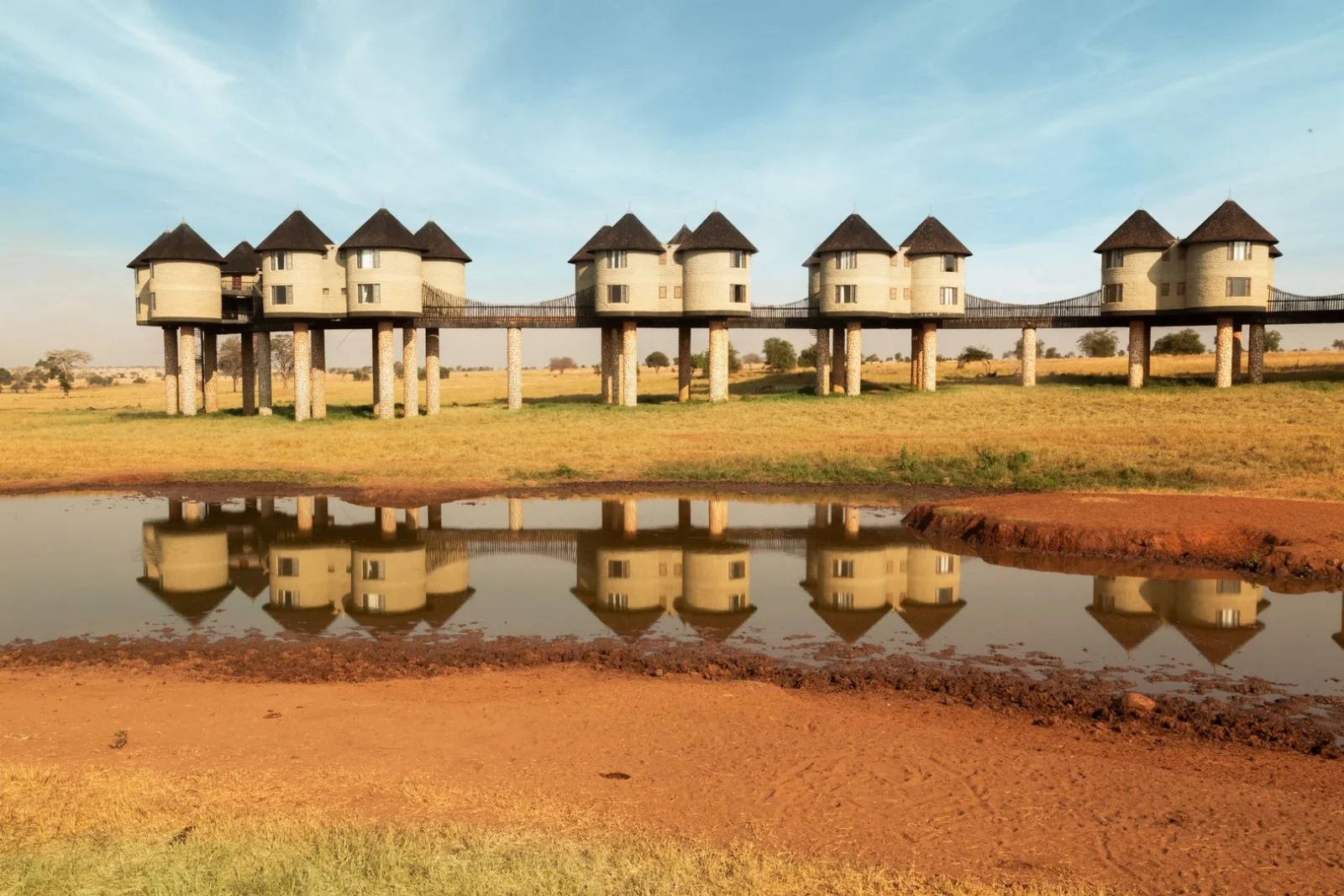
    In the heart of Tsavo West, Ashnil Aruba Lodge stands as a beacon of comfort and elegance. Overlooking some of the park’s most picturesque sceneries, this lodge offers refined accommodations and impeccable service. Whether you’re enjoying a sumptuous meal on the terrace or preparing for an early morning game drive, Ashnil Aruba Lodge ensures that your experience in Tsavo West is as luxurious as it is adventurous.

    Tsavo West Ashnil Aruba Lodge

    Immersive Safari Adventures: Game Drives and Mzima Spring

    The Pulse of the Safari

    Both Tsavo East and Tsavo West offer game drives that serve as the lifeblood of the safari experience. Traversing winding, dusty roads through expansive landscapes, every drive feels like a journey through a living documentary. The thrill of witnessing rare wildlife in their natural habitat, coupled with the element of surprise at every turn, makes these game drives an unforgettable adventure. Whether it’s the distant rumble of a lion’s roar or the graceful parade of a herd of elephants, every moment is a vivid reminder of the wild’s unpredictable beauty.

    The Tranquil Oasis of Mzima Springs

    A visit to Tsavo is incomplete without experiencing the soothing allure of Mzima Springs. This natural oasis, with its crystal-clear waters bubbling from the earth, offers a refreshing contrast to the rugged expanses of the parks. Mzima Springs supports a vibrant ecosystem of fish, birds, and small mammals, providing an intimate glimpse into the water’s vital role in sustaining life in the arid landscape. It’s the perfect spot to pause, reflect, and rejuvenate before setting out for another day of adventure.

    Two Twin Parks the Size of Rwanda

    When it comes to sheer scale, the combined majesty of Tsavo East and Tsavo West is truly staggering. Together, these parks cover an area of over 22,000 km²—a vast expanse that dwarfs many protected areas across Africa. In comparison, the nation of Rwanda spans approximately 26,338 km². While Rwanda enchants with its lush, rolling hills and vibrant greenery, Tsavo captivates with its raw, untamed beauty—a land where every kilometer is a testament to the enduring power of nature.

    This comparison not only highlights the monumental size of the twin parks but also reinforces their role as sanctuaries for countless species. The expansive landscapes provide the space necessary for diverse ecosystems to flourish, making the twin parks a critical haven for wildlife and an essential destination for adventurers seeking a genuine taste of Africa’s wild heart.

    Embrace the Wild Spirit of the Tsavos

    Tsavo East and Tsavo West are more than just national parks—they are epic narratives of nature, history, and modern progress coexisting in perfect harmony. From the soul-stirring sundowners over expansive savannahs to the thrilling game drives that bring you face-to-face with Africa’s majestic creatures, every moment in Tsavo is a celebration of life in its purest form.

    Whether you’re drawn by the ancient legends of the railway and the infamous man-eater, or you’re seeking the luxury and comfort of Salt Lick Lodge and Ashnil Aruba Lodge, the twin parks promise an experience that is as enlightening as it is exhilarating. The blend of modern highways and the SGR with untouched landscapes creates a dynamic environment where past and present intermingle seamlessly.

    And while Tsavo offers a raw and expansive wilderness experience, its spirit resonates with that of other iconic destinations like the Maasai Mara, where the magic of Africa’s wildlife continues to captivate travelers from around the globe.

    For those with an unquenchable thirst for adventure, the twin realms of Tsavo beckon with unforgettable encounters and breathtaking vistas. With every turn of the road and every glimpse of Kilimanjaro in the distance, Tsavo stands ready to capture your heart and leave an indelible mark on your soul.

    Embark on your next safari in the Tsavos, where the wild spirit of Africa unfolds before your eyes—a place where nature’s timeless beauty, modern luxury, and the echoes of legendary safari experiences combine to create a journey unlike any other.

    More about Tsavo East and Tsavo West

  • 10 Epic “Mombasa Raha” Moments : Uncover Coastal Magic, Gourmet Delights & Timeless Culture

    10 Epic “Mombasa Raha” Moments : Uncover Coastal Magic, Gourmet Delights & Timeless Culture

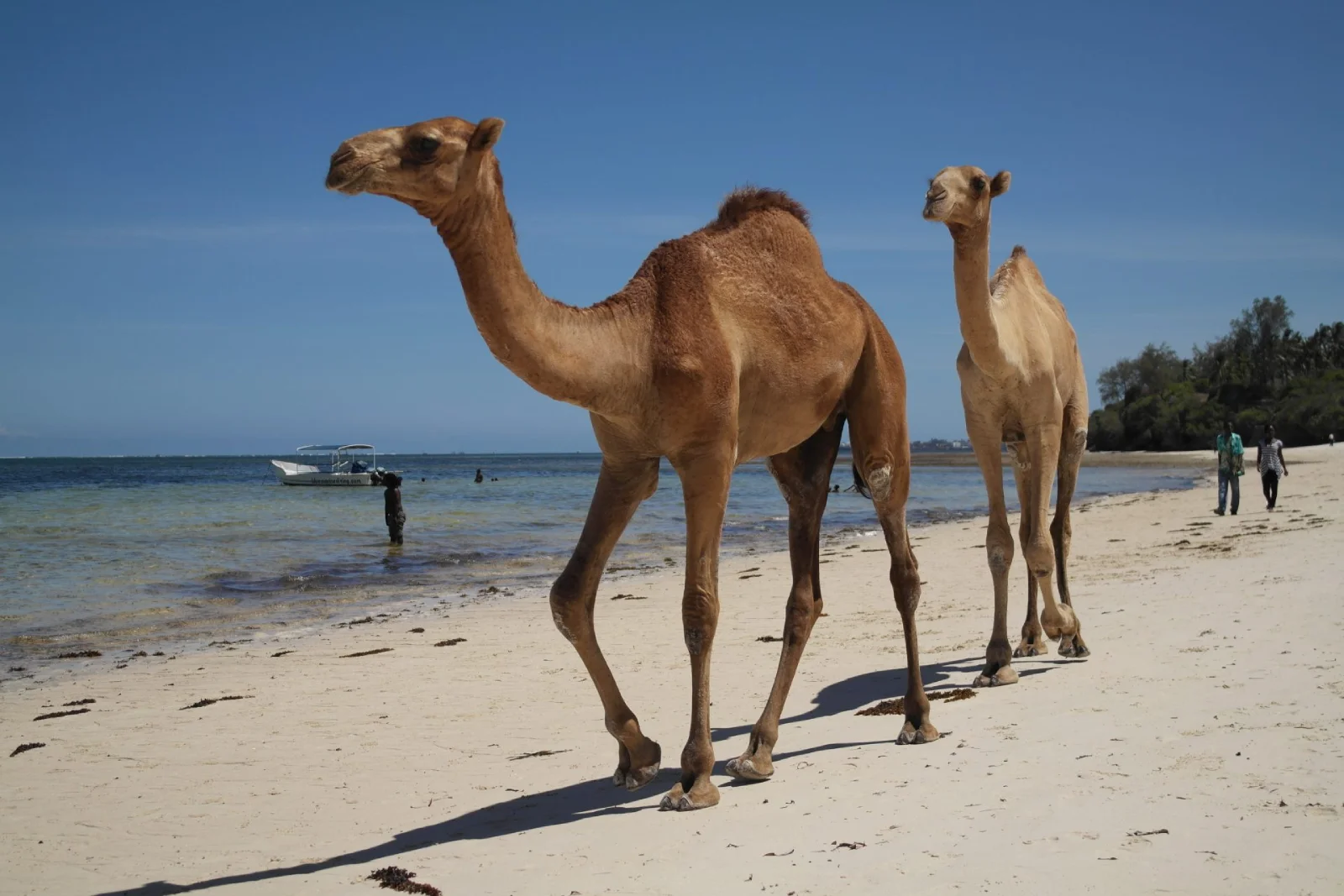
    Mombasa is more than a destination; it’s an experience. A vibrant international city on Kenya’s coast, Mombasa boasts an irresistible mix of cultural heritage, breathtaking beaches, and a dynamic modern vibe. In Swahili, “raha” means joy or delight, and here, the term “Mombasa raha” captures the spirit of carefree pleasure and unforgettable experiences that define the city. Whether you’re exploring ancient fortifications or unwinding at luxurious beach resorts, Mombasa invites you to savor every moment of its magic.

    Mombasa Raha: The Joyful Spirit of Coastal Kenya

    The phrase “Mombasa raha” perfectly sums up the exuberant, relaxed vibe of the city. This unique energy blends centuries of history, from Arab and Portuguese influences to modern-day multiculturalism, into an atmosphere of genuine joy and hospitality. Here, every corner—from lively street markets to serene seaside retreats—radiates warmth, inviting travelers to embrace life with open arms and a smile.

    Sun, Sand, and Sea: The Beaches of Mombasa

    Northern Beach Escapes in Nyali and Bamburi

    Mombasa’s northern outskirts, especially in Nyali and Bamburi, offer some of the most stunning beaches on the Kenyan coast. Picture expansive white sands, crystal-clear turquoise waters, and luxurious beach hotels where every detail is designed to pamper you.

    • Nyali Beach: Known for its vibrant energy and upscale resorts, Nyali offers an ideal blend of leisure and luxury. Imagine spending your days lounging under the sun and your evenings dining in style at beachside restaurants.
    • Bamburi Beach: With its more laid-back atmosphere, Bamburi is perfect for those seeking a relaxed beach escape without compromising on quality. Here, you can enjoy long walks along the shoreline and rejuvenating spa treatments at some of the finest resorts in the region.
    • Shanzu Beach: Located along Mombasa’s northern coast, Shanzu Beach is renowned for its pristine white sands and clear blue waters. This tranquil beach is less crowded compared to others, offering a serene environment ideal for relaxation. Visitors can indulge in activities such as swimming, sunbathing, and snorkeling among vibrant coral reefs teeming with marine life. The beachfront is dotted with luxury resorts and hotels, providing upscale accommodations and dining options. Additionally, the presence of palm trees enhances the tropical ambiance, making Shanzu Beach a picturesque getaway. ​
    • Mtwapa Beach: Situated to the north of Shanzu, Mtwapa Beach is a vibrant destination known for its lively atmosphere and scenic beauty. The beach features soft golden sands and turquoise waters, making it perfect for sunbathing, swimming, and various water sports. The area is also famous for its bustling nightlife, with numerous beach bars and restaurants offering local cuisine and entertainment. Nearby, the Mtwapa Creek provides opportunities for boat trips and deep-sea fishing, adding to the adventure. The blend of natural beauty and cultural experiences makes Mtwapa Beach a must-visit spot.
    • Beaches and Waterfronts Around Mombasa Island: Mombasa Island itself is surrounded by several notable waterfronts and beaches that offer a mix of historical significance and recreational activities:​
      • English Point: Located directly opposite Mombasa’s Old Town, English Point offers stunning views of the historic area. While the beach itself is not ideal for swimming, it is home to the upscale Hotel English Point, which features a marina, restaurants, and a spa. The waterfront promenade is perfect for leisurely walks, offering panoramic vistas of the old harbor and Fort Jesus. ​
      • Mama Ngina Waterfront: Situated at the southern tip of Mombasa Island, this public space has been revitalized into a modern waterfront park. It features paved walkways, seating areas, and spots to enjoy ocean views and passing ships. The area is also known for its street food vendors, offering local snacks like cassava crisps and coconut water. ​

    Thrilling Watersports and Coastal Adventures

    Mombasa’s coastline offers a plethora of thrilling water sports and coastal adventures that cater to both adrenaline seekers and those looking for leisurely experiences. Here’s an expanded look at some of the most popular activities:​

    Jet Skiing

    Experience the exhilaration of speeding across the Indian Ocean on a jet ski. Facilities like East Coast Water Sports, located at Mombasa Continental Resort, provide top-of-the-line equipment and professional guidance to ensure a safe and exciting ride. ​

    Kitesurfing

    With its consistent winds and expansive beaches, Mombasa is a kitesurfer’s paradise. Whether you’re a beginner or an experienced surfer, the conditions are ideal for harnessing the wind and gliding over the waves. Numerous schools and rental shops along the coast offer lessons and equipment. ​

    Scuba Diving and Snorkeling

    Explore the vibrant underwater world of Mombasa’s marine parks. The Mombasa Marine National Park, teeming with colorful coral reefs and diverse marine life, is perfect for both snorkeling and diving enthusiasts. Dive centers in the area provide guided tours and certification courses for all levels. ​

    Dhow Sailing

    Experience traditional Swahili culture by embarking on a dhow sailing excursion. These wooden boats offer a unique way to explore the coastline, often accompanied by local music and cuisine, especially during sunset cruises.

    Paddleboarding

    For a more tranquil adventure, paddleboarding along the calm waters of Mombasa’s beaches offers both relaxation and a full-body workout. It’s an excellent way to enjoy the scenic beauty of the coastline at your own pace.

    Deep-Sea Fishing

    The waters off Mombasa are rich with game fish like marlin, sailfish, and tuna, making it a prime location for deep-sea fishing. Chartered fishing trips are available, providing all the necessary equipment and expertise for an exciting fishing expedition. ​

    Glass-Bottom Boat Rides

    For those who prefer to stay dry while observing marine life, glass-bottom boat tours offer a window into the underwater world, showcasing the vibrant coral reefs and fish species without the need for snorkeling or diving. ​

    These activities highlight the diverse and exciting coastal adventures that Mombasa has to offer, ensuring unforgettable experiences for all visitors.

    A Culinary and Nightlife Haven

    Dining Delights: From Traditional to Trendy

    Mombasa’s culinary scene is a feast for the senses. The city’s diverse restaurants and eateries cater to every palate, merging local Swahili flavors with international culinary trends.

    Mombasa Sea Haven Crab
    • Tamarind Restaurant: Overlooking Mombasa Old Town, Tamarind is one of the city’s most celebrated dining establishments. Known for its elegant setting and panoramic views, it offers a refined menu focusing on fresh seafood and Swahili-influenced international cuisine—a must-visit for those looking to indulge in fine dining with a historic twist.
    • Forodhani Restaurant: Situated in the heart of Mombasa Old Town, Forodhani offers an authentic taste of Swahili street food. With a menu featuring traditional dishes such as biryani, pilau, and freshly grilled seafood, it provides an immersive experience into the local culinary heritage in a lively, bustling atmosphere.
    • Char-Choma: A local favorite, Char-Choma specializes in traditional Kenyan barbecue. This casual spot is popular for its flame-grilled meats and hearty portions, making it a go-to destination for travelers and locals craving robust, smoky flavors in a laid-back setting.
    • Yul’s: A legendary beach bar and restaurant known for its vibe, Yul’s has earned a reputation for serving some of the best pizzas on the coast.
    • Sea Haven: With its prime beachfront location on top of a cliff, Sea Haven is celebrated for its relaxed, open-air setting and stunning ocean views. The restaurant emphasizes fresh, locally sourced seafood prepared in both traditional and modern styles, offering an ideal dining experience for anyone looking to savor the coastal vibe.
    • Monsoons at Jumba Ruins: Set on a beach against the evocative backdrop of historic Jumba Ruins, Monsoons provides a unique dining experience where ancient heritage meets Italian cuisine. The restaurant’s atmosphere and carefully curated menu allow guests to enjoy a fusion of history and culinary arts.
    • The Moorings: A chic and laid-back floating restaurant, The Moorings is known for its creative cocktail menu and inviting ambiance. Overlooking the ocean, it offers a perfect blend of relaxed dining and stylish nightlife, making it a favorite among those looking to enjoy Mombasa’s coastal charm after sunset.

    Nightlife and Entertainment: Where Mombasa Comes Alive After Dark

    When the sun sinks beneath the horizon and the Indian Ocean reflects the last blush of daylight, Mombasa’s coastal charm takes on a new rhythm. The city’s nightlife scene is as warm and vibrant as its beaches—where Swahili soul meets global beats. Whether you’re looking for an all-night dance floor, laid-back lounges, or rooftop elegance, Mombasa offers nightlife that’s as diverse as it is electric. Here’s a look at the city’s most iconic nightclubs and after-dark hotspots:

    Club Hypnotica – The Pulse of Mombasa’s Dance Scene

    Located along the lively Links Road in Nyali, Club Hypnotica is where Mombasa parties hardest. With a massive dance floor, neon lighting, and a rotation of top local and international DJs, this club is a mainstay for those who live for the beat. Music genres range from Afrobeats and amapiano to dancehall and electronic, creating an energy-charged atmosphere that lasts until dawn. VIP tables and premium bottle service are available for those who want to elevate the night.

    Tapas Cielo – Where Gourmet Meets Groovy

    Perched inside Nyali Centre, Tapas Cielo blends fine dining with nightlife in one dynamic venue. The evening starts with mouthwatering Spanish tapas, paella, and craft cocktails, but as the night deepens, the space evolves into a vibrant club. With sleek interiors, mood lighting, and a curated playlist of Afrohouse, R&B, and deep house, it’s the go-to for a classy, culinary-fueled night out.

    Anuba Lounge – Sophistication with Skyline Views

    Anuba Lounge, also located at Nyali Centre, offers a more refined experience. Its indoor-outdoor rooftop layout provides views over the Mombasa-Malindi highway, while its music selection spans R&B, soulful house, and Afro-fusion. The crowd here leans upscale, the drinks are meticulously crafted, and the atmosphere is effortlessly chic. Though currently undergoing renovations, Anuba remains one of Mombasa’s most talked-about lounges—and one to watch when it reopens.

    Z Lounge – Rooftop Glamour in the Heart of Nyali

    Found atop City Mall in Nyali, Z Lounge invites you to unwind in rooftop luxury. Known for its ambient lighting, stylish décor, and smooth musical selection, Z Lounge is ideal for those who want to sip cocktails under the stars. With everything from jazz-infused evenings to lounge-style DJ sets, it offers a mellow yet sophisticated nightlife option, perfect for pre-club drinks or an easygoing night out.

    Il Covo – Seaside Elegance Meets Nightclub Energy

    Nestled right on Bamburi Beach, Il Covo combines oceanfront dining with nightlife sophistication. The venue starts as a romantic dinner spot serving Italian and Japanese cuisine, but as the night builds, the indoor space and open-air terrace transform into a buzzing club. With sea breezes, dancing under the stars, and eclectic DJ sets, Il Covo offers one of the most atmospheric experiences in Mombasa’s nightlife scene.

    Buddha Lounge – A Hidden Gem for the Soulful Crowd

    Buddha Lounge in Nyali is an intimate venue favored by locals in the know. Its dim lighting, plush seating, and Afro-fusion soundscapes create an immersive, sensual vibe. It’s the kind of spot where you ease into the night—sipping slow, moving subtly, and soaking up Mombasa’s nocturnal rhythm. With a curated cocktail list and a stylish yet relaxed crowd, Buddha Lounge is made for deep conversations and low-lit magic.

    Moonshine Beach Bar – Barefoot Beats by the Sea

    Located within the Reef Hotel on Nyali Beach, Moonshine is as casual as it gets—and that’s the charm. Set right on the sand, this beach bar offers live reggae nights, acoustic sets, and beach BBQs under the stars. Here, it’s less about the glam and more about the vibe. Come as you are, order a cold Tusker or tropical cocktail, and dance barefoot by the shoreline.

    Live Music and Cultural Nights: The Rhythmic Heartbeat of Coastal Nights

    Mombasa’s cultural spirit doesn’t fade with the sunset—it transforms. From live bands echoing the rhythms of taarab and Afro-jazz to Swahili poetry slams and traditional dance showcases, the city offers an intoxicating mix of music and heritage after dark. If you’re looking for experiences beyond the typical nightclub, these live music venues and cultural hotspots deliver a soulful slice of Mombasa nightlife.

    Jahazi Coffee House – Taarab and Storytelling in Old Town

    Nestled in the narrow alleys of Mombasa’s Old Town, Jahazi Coffee House is a cultural gem. By day it’s a quiet Swahili café with strong kahawa and coconut-infused pastries, but by night it often comes alive with live taarab music, spoken word, and storytelling events. Local artists gather here to revive centuries-old traditions through sound and verse. If you’re lucky, you’ll catch a performance that fuses oud strings, poetry in Kiswahili, and the echoes of Mombasa’s coastal soul.

    Tapas Cielo (Live Lounge Nights) – Gourmet Sounds

    In addition to its role as a lounge and nightclub, Tapas Cielo regularly hosts live band nights that feature acoustic soul, Afro-jazz, and Afro-pop sets from local musicians. The live sessions usually begin in the early evening, making it a great place to start your night with mellow tunes and elegant bites before the volume cranks up later on. These curated evenings offer a taste of Mombasa’s contemporary soundscape in an upscale setting.

    The Tamarind Dhow – Dinner Cruise with Coastal Music

    For a floating cultural experience, the Tamarind Dhow offers one of Mombasa’s most iconic night excursions. Aboard a traditional dhow boat, guests enjoy a seafood feast on the water, accompanied by live coastal music—usually soft Swahili ballads or mellow jazz with a Kenyan twist. The warm breeze, candlelit deck, and lilting melodies create an experience that’s both romantic and rooted in the region’s maritime traditions.

    Nyali Cinemax Amphitheatre – Concerts and Cultural Showcases

    This open-air venue behind Nyali Cinemax mall plays host to occasional live concerts, community theatre, and cultural showcases. From Afrobeat concerts to dance troupes performing traditional Giriama and Luo routines, the amphitheatre is a flexible space where modern and indigenous art forms coexist. Events here are seasonal, so check listings or ask locals what’s happening while you’re in town.

    Little Theatre Club – Where Drama Meets Rhythm

    For those drawn to performance arts, Mombasa’s Little Theatre Club is a long-standing institution. While known for its drama productions and stand-up comedy nights, it also features occasional live music nights, ranging from Swahili folk fusion to gospel showcases. It’s one of the few places in the city where you can experience the intersection of Mombasa’s theatre and musical talent in one cozy venue.

    Char Choma Lounge – Afro Live Nights

    Situated in the Nyali area, Char Choma Lounge is part grill, part live music venue. On select nights, it hosts Afro Live sessions with high-energy bands playing everything from benga to Congolese rumba. The vibe here is relaxed and joyful—perfect for those who want to pair grilled nyama choma with authentic East African rhythms. The setting is casual, the food is hearty, and the music is always vibrant.

    Mombasa’s live music and cultural nights offer far more than just entertainment—they’re a window into the region’s history, rhythm, and creativity. Whether you’re drifting on a dhow beneath the stars or swaying to taarab in a candlelit café, these experiences add depth and authenticity to your coastal nights.

    Rich History and Cultural Heritage

    Fort Jesus: A Testament to Colonial Struggles

    Mombasa Fort Jesus

    Dominating Mombasa’s coastline is Fort Jesus, a monumental fortress constructed by the Portuguese between 1593 and 1596 to safeguard their trade interests in the region. Designed by Italian architect Giovanni Battista Cairati, the fort exemplifies Renaissance military architecture with its geometric proportions and strategic layout. Over the centuries, Fort Jesus witnessed numerous power shifts, including Omani Arab sieges and British occupation, symbolizing the tumultuous colonial history of the area. Today, as a UNESCO World Heritage Site, it houses a museum displaying artifacts from various periods, offering visitors a glimpse into Mombasa’s storied past.

    Mombasa Old Town: A Cultural Mosaic

    Adjacent to Fort Jesus lies Mombasa’s Old Town, a historic quarter that encapsulates the city’s multicultural heritage. Covering 72 hectares, this area is characterized by narrow winding streets, ancient buildings, and a blend of architectural styles reflecting African, Arab, and European influences. The Swahili architecture, with intricately carved wooden doors and balconies, tells stories of the diverse communities that have called Mombasa home. Exploring Old Town offers a sensory journey through bustling markets, aromatic spice shops, and landmarks like the Old Port and the Swahili House Museum, each narrating tales of trade and cultural exchange.

    Swahili Culture: The Heartbeat of Mombasa

    At the core of Mombasa’s identity is the Swahili culture, a rich blend of Bantu and Arab traditions that emerged from centuries of coastal interactions. This culture is evident in the city’s language, cuisine, music, and daily life. Traditional Swahili music, such as Taarab, fills the air during local celebrations, while the cuisine offers a fusion of flavors influenced by various trading partners. The Swahili people’s hospitality and communal ethos further enrich the cultural fabric of Mombasa, inviting visitors to immerse themselves in authentic coastal experiences.​

    Mombasa’s rich history and cultural heritage are not merely relics of the past but living narratives that continue to shape the city’s present and future. Exploring its historic sites and engaging with its diverse communities provide a profound understanding of the confluence of cultures that define this vibrant coastal city.

    Mama Ngina Drive and New Urban Spaces

    Modern Mombasa blends history with contemporary life. The iconic Mama Ngina Drive cuts through the city, connecting bustling markets and street vendors selling everything from fresh sugarcane juice to local crafts. Recently developed parks beneath Fort Jesus provide tranquil spaces for relaxation, creating a harmonious balance between the old and the new.

    A Melting Pot of Global Influences

    Mombasa’s cultural landscape is a vibrant tapestry woven from centuries of international trade and interaction.

    • Portuguese Legacy: The Portuguese were among the first Europeans to leave their mark on the city, their repeated invasions and subsequent retreats shaping Mombasa’s fortifications and cultural identity.
    • Omani and Zanzibari Influences: Later, the influence of Oman and the Zanzibar Sultanate further enriched the city’s heritage, introducing new architectural styles, culinary traditions, and social customs that are still evident today.
    • International Trade Routes: Even before European contact, Arab, Persian, Indian, and Chinese traders converged on Mombasa, making it a vital hub in the Indian Ocean trade network. This historical melting pot has given rise to a rich cultural legacy that continues to define the city.

    Luxurious Beach Hotels and Modern Comforts

    Mombasa Serena Hotel

    Mombasa’s hospitality scene is as diverse as its history. The northern beach resorts in Nyali and Bamburi offer world-class accommodations that combine modern luxury with breathtaking natural beauty.

    • Whitesands Hotel: Renowned for its impeccable service and stunning beachfront location, Whitesands Hotel is a favorite among discerning travelers.
    • Severin Beach Hotel: This upscale resort offers elegant rooms, infinity pools, and direct access to pristine beaches, ensuring a perfect blend of relaxation and adventure.
    • Serena Beach Resort: Part of the esteemed Serena group, this resort exemplifies sophisticated coastal living with its refined amenities and traditional Swahili touches.
    • English Point: A hidden gem known for its intimate atmosphere and exclusive offerings, English Point provides a serene escape from the hustle and bustle of city life.

    Mombasa – A City of Ever-Evolving Magic

    Mombasa is a city that never ceases to amaze—where ancient traditions and contemporary flair converge to create a vibrant mosaic of experiences. With its sun-drenched beaches, historic landmarks like Fort Jesus and Old Town, and an infectious spirit encapsulated by “Mombasa raha,” the city continues to evolve and expand at a rapid pace.

    Adding to this dynamic energy is the new highway northwards through Bamburi, which has transformed what was once a notorious traffic bottleneck into a smooth, scenic route. This upgrade has unlocked effortless travel to top coastal destinations such as Kilifi, Watamu, Malindi, and even Lamu, making the journey to these idyllic escapes a true breeze. Whether you’re savoring gourmet meals, exploring historic sites, or simply enjoying the vibrant urban life, Mombasa invites you to experience its ever-changing magic in every direction.

    In a city where history, culture, and modernity seamlessly converge, Mombasa stands as a beacon of coastal allure and dynamic energy—ever-changing, ever-inspiring, and always inviting you to experience its magic.

  • 8 Unforgettable Reasons Why Kilifi is Kenya’s Hidden Coastal Gem You Must Explore Now!

    8 Unforgettable Reasons Why Kilifi is Kenya’s Hidden Coastal Gem You Must Explore Now!


    Kilifi is one of Kenya’s best-kept secrets—a quieter, more relaxed coastal destination that remains blissfully underexplored compared to its more famous neighbors like Watamu, Malindi, or Mombasa. Here, you’ll find a world where pristine, crowdless beaches stretch for miles, and spacious, exquisite hotels provide a luxurious yet intimate retreat. Kilifi’s charm lies not only in its natural beauty but also in its vibrant culinary scene, where quaint restaurants serve authentic coastal flavors and innovative dishes. This is a place for travelers seeking a pure beach bliss vacation without the hectic pace of heavily trafficked tourist spots.

    The Allure of Kilifi’s Beaches

    Kilifi beach 2

    Kilifi boasts some of the most vast and unspoiled beaches on the Kenya Coast. Imagine endless white sands and gentle turquoise waves meeting a clear blue sky—this is the everyday reality for visitors here. The beaches are less crowded, offering an ideal setting for long, leisurely walks, sunbathing in peace, and immersive moments by the sea. Whether you’re looking to relax with a good book or take part in water sports, Kilifi’s coastline provides an atmosphere of serenity that is increasingly rare along more commercialized beaches.

    Luxurious, Spacious, and Exquisite Beach Hotels

    Four Iconic Resorts in Kilifi

    Silver Palms

    Silver Palms is an upscale resort in Kilifi known for its distinctive features that highlight the natural charm of the coast. The resort offers swim-in rooms that connect directly to a vast pool, allowing for a refreshing dip at any time. Surrounded by a lush garden, the property also includes a beachfront dining area where guests can enjoy unobstructed views of the ocean.

    Kilifi Bay Beach Resort

    Kilifi bay Beach Resort Pier bar

    Kilifi Bay Beach Resort offers a harmonious blend of contemporary style and local character. Spacious, modern rooms accented with subtle local design touches provide a serene retreat, while the pier bar—set above a vast and usually not very crowded beach—creates a picturesque setting for enjoying sunset drinks and quiet moments by the ocean.

    Salty Squid

    Salty Squid captures a relaxed, mid-range vibe that highlights the authentic charm of coastal Kilifi. With a focus on fresh, local cuisine served in a casual, unpretentious setting, it offers a comfortable space where guests can enjoy the essence of the beach without any excess, making it a favorite for those seeking genuine coastal dining.

    Distant Relatives

    For travelers on a budget, Distant Relatives offers simple, welcoming accommodations that encapsulate the laid-back spirit of Kilifi. Modest yet charming, this option provides comfortable lodging with a distinctly local feel, ensuring that the coastal experience remains accessible without compromising on authenticity.

    Boutique Guesthouses and Smaller Retreats

    Kilifi is also home to a number of charming boutique guesthouses that cater to those looking for a more personal experience. These smaller establishments emphasize local hospitality, with each guesthouse offering unique touches that reflect Kilifi’s coastal heritage. Whether it’s a quaint seaside bungalow or an artistically decorated villa, these accommodations provide a peaceful retreat away from the buzz of larger resorts.

    Culinary Delights: A Foodie’s Paradise

    Kilifi’s culinary scene is as vibrant and diverse as its coastline. The town is dotted with quaint restaurants that serve an array of delicious dishes, blending local Swahili flavors with international influences. Foodies will delight in the variety of options available, from casual beachside eateries to upscale dining establishments.

    The Food Movement

    The Food Movement is a cherished culinary gem, uniquely set on a quaint old farm. This charming eatery offers a rustic yet refined experience where the emphasis is on fresh, locally sourced ingredients and traditional coastal recipes reimagined with a modern twist. With its warm, homely atmosphere and beautifully maintained garden setting, The Food Movement invites guests to enjoy hearty meals in an environment that reflects the authentic charm of Kilifi’s countryside.

    The Twisted Fig

    Another favorite among locals and visitors alike is The Twisted Fig. This charming restaurant offers a cozy ambiance paired with an eclectic menu that fuses global culinary trends with local flavors. From succulent grilled fish to aromatic coconut curries, The Twisted Fig is known for its creative presentation and delectable dishes. Its intimate setting makes it the perfect spot for a romantic dinner or a quiet meal with friends.

    Salty’s on the Creek

    Salty’s on the Creek is a unique floating restaurant in Kilifi that offers a truly memorable dining experience on the water. Docked gracefully on a gently flowing creek, this venue provides an intimate, nautical ambiance where guests can savor fresh, sustainably sourced seafood and innovative Swahili-inspired dishes. Its relaxed atmosphere, friendly service, and scenic waterside views make Salty’s on the Creek a must-visit destination for those seeking an authentic taste of the Kenyan coast.

    White Star Seafood Restaurant

    Overlooking a picturesque creek, the White Star Seafood Restaurant is another highlight of Kilifi’s food scene. Known for its fresh catches of the day and innovative seafood preparations, this restaurant offers a relaxed yet sophisticated dining experience. With outdoor seating that allows diners to enjoy the soothing sounds of flowing water and gentle breezes, the White Star is the ideal spot for a sunset dinner or a leisurely lunch.

    A Relaxed, Less-Crowded Coastal Atmosphere

    One of the most appealing aspects of Kilifi is its relaxed, unhurried pace of life. Unlike more popular tourist hubs on the Kenya Coast, Kilifi remains a haven for those seeking a peaceful retreat. The atmosphere here is laid-back and genuine—there’s no rush, no overwhelming crowds, just a natural rhythm that encourages you to slow down and truly savor every moment. Whether you’re lounging on the vast, uncrowded beaches, enjoying a quiet dinner at a seaside restaurant, or taking a leisurely stroll through the town, Kilifi exudes a sense of calm and authenticity that is hard to find elsewhere.

    Outdoor Activities and Beach Adventures

    Kilifi isn’t just about lounging by the beach—it’s a destination rich in activities for those seeking adventure. The pristine coastline and crystal-clear waters provide the perfect backdrop for a range of outdoor pursuits.

    Water Sports and Snorkeling

    The calm, clear waters of Kilifi are ideal for water sports such as snorkeling, kayaking, and paddleboarding. Explore the vibrant marine life just off the shore, or simply glide over the gentle waves as you take in the stunning coastal scenery. With its vast and unspoiled beaches, Kilifi is a paradise for those who love to get in touch with nature through water-based activities.

    Cultural Excursions and Local Markets

    Beyond its beaches, Kilifi offers cultural experiences that allow you to connect with the local community. Visit the bustling local markets where artisans sell handmade crafts and sample traditional Swahili street food. These excursions provide insight into the rich cultural heritage of the area and offer a delightful break from beach activities.

    Relaxation and Wellness

    For travelers looking to rejuvenate, Kilifi’s serene environment is perfect for wellness retreats and yoga sessions. Several hotels and guesthouses offer yoga classes on the beach at sunrise, creating a peaceful start to your day. The combination of the soothing sound of the ocean and the gentle warmth of the sun sets the stage for deep relaxation and mindfulness.

    Discovering the Mnarani Ruins

    Kilifi - Mnarani Ruins

    Tucked away along the Kilifi coast, the Mnarani Ruins offer a fascinating window into the region’s storied past. These ancient ruins, once the heart of a thriving Swahili settlement and fortress, boast intricate coral stone architecture that whispers secrets of bygone eras.

    As you wander through the crumbling walls and overgrown courtyards, you’ll feel transported back in time, connecting with a culture steeped in rich traditions and maritime heritage. The Mnarani Ruins are not only a testament to the architectural ingenuity of early coastal traders but also a must-visit site for those seeking an authentic glimpse into Kilifi’s historical landscape. Whether you’re an avid history buff or a curious traveler, this hidden gem is sure to captivate your imagination and deepen your appreciation for the unique cultural tapestry of Kenya’s coast.

    Exploring the Surrounding Areas

    While Kilifi itself is a gem, the surrounding region is equally enchanting. The nearby coastline and inland areas offer additional attractions that complement your beach vacation.

    Nearby Coastal Excursions

    Consider a day trip to some of the less-explored coastal spots nearby, where you can enjoy quiet beaches and more intimate dining experiences. These hidden escapes allow you to experience a different side of the Kenyan coast—one that is even more secluded and pristine than Kilifi.

    Inland Adventures

    If you’re in the mood for a change of scenery, explore the lush hinterlands surrounding Kilifi. Scenic drives, cultural tours, and visits to local villages offer a glimpse into the everyday life of Kenya’s coastal communities. These excursions add depth to your vacation, combining beach bliss with cultural enrichment and natural beauty.

    An Experience to Behold

    Kilifi stands as a true hidden coastal gem on the Kenya Coast, offering everything from vast, crowdless beaches and luxurious, spacious hotels to an authentic culinary scene and a relaxed, unhurried atmosphere. It’s a destination for travelers who crave pure beach bliss without the overwhelming commercialization of more popular spots. Whether you’re dining at quaint restaurants like The Food Movement, The Twisted Fig, or The Boat Restaurant, savoring fresh seafood at White Star Seafood Restaurant and the Salty Squid, or simply soaking up the sun on pristine sands, Kilifi promises an experience that is both enriching and unforgettable.

    Embrace the charm of a destination where time seems to slow down, allowing you to connect with nature and culture in a meaningful way. Kilifi isn’t just a vacation—it’s an invitation to rediscover the beauty of simplicity and the joy of genuine relaxation. Pack your bags, escape the crowds, and immerse yourself in the serene allure of Kilifi—the lesser-explored paradise waiting to be discovered on the Kenya Coast.

    More about Kilifi

  • 25 Timeless Reasons Lamu Will Transport You Back in Time – Discover Kenya’s Hidden Swahili Paradise!

    25 Timeless Reasons Lamu Will Transport You Back in Time – Discover Kenya’s Hidden Swahili Paradise!

    Introduction: A Journey to a Timeless Paradise

    Imagine a place where modernity takes a back seat, where the hum of car engines is replaced by the gentle clop of donkey hooves, and where the only vehicles navigating the ancient streets are dhows and foot travelers. Welcome to Lamu, an enchanting island on Kenya’s northern coast, where history and culture breathe through every stone, every alley, and every smile of its warm, welcoming inhabitants.

    Lamu isn’t just another beach destination—it is a living museum of the Swahili world. Here, time seems to stand still, transporting visitors to an era when Arab traders, Persian navigators, and Swahili settlers forged a unique culture that has endured for centuries. In this blog post, we’ll explore the rich tapestry of Lamu’s historic setting, uncover its hidden treasures, and reveal the myriad experiences that make it a must-visit destination for those seeking an authentic taste of Africa’s cultural heritage.

    The Unique Historic Setting of Lamu

    A World Without Cars

    Lamu Shela Donkeys in the street

    One of the most striking features of Lamu is its commitment to preserving a way of life that has remained virtually unchanged for centuries. The narrow, labyrinthine streets of Lamu Old Town are car-free, with the only modes of transport being the steady trot of donkeys and the slow, graceful glide of dhows along the shoreline. This ban on motor vehicles not only preserves the historical ambiance but also ensures that the island retains its unique, tranquil charm.

    Walking along these ancient streets feels like stepping into a living history book. Each corner reveals centuries-old architecture adorned with intricately carved wooden doors, ornate balconies, and faded murals that tell tales of bygone eras. The gentle pace of life here invites visitors to slow down, breathe deeply, and fully absorb the serene beauty that surrounds them.

    The Authenticity of the Swahili Cultural Experience

    Lamu is more than just an island—it is a repository of Swahili culture. Its people are descendants of Arab traders, Persian settlers, and indigenous Africans, whose interwoven histories have created a vibrant, unique cultural mosaic. The Swahili language, with its melodic cadence and rich vocabulary, echoes through the narrow lanes, while local traditions are celebrated with pride during vibrant festivals and community events.

    The authenticity of Lamu’s cultural experience is palpable in every aspect of daily life. From the traditional dhow races that mark the beginning of a new season to the heartfelt recitations of ancient Swahili poetry, the island pulses with a timeless energy that captivates the soul. Whether you are sampling the flavors of local cuisine or listening to the soft strains of taarab music in a centuries-old courtyard, you cannot help but feel that you are part of something extraordinary—an experience that transcends the ordinary and connects you with a living legacy.

    Historic Fortresses, Castles, and Ruins: The Story of Lamu

    Lamu Old Town: A UNESCO World Heritage Site

    Lamu Old Town is a labyrinth of history, recognized by UNESCO as one of the oldest and best-preserved Swahili settlements in East Africa. The town is a testament to the flourishing trade networks and cultural exchanges that once linked the East African coast with the Arabian Peninsula, Persia, India, and beyond. Strolling through its narrow, winding streets, you will encounter architectural marvels that speak of a rich, storied past.

    Key Highlights of Lamu Old Town:

    • Ancient Houses: Crafted from coral stone and mangrove timber, the houses of Lamu Old Town are architectural treasures. Their intricately carved wooden doors, some dating back to the 16th century, serve as a reminder of the town’s prosperous past.
    • Courtyards and Mosques: Scattered throughout the town are serene courtyards and majestic mosques that have served as centers of community life for generations. These sites are not only places of worship but also communal spaces where local history is celebrated and preserved.
    • Bazaars and Markets: The bustling markets of Lamu offer a sensory overload of colors, sounds, and scents. Here, you can purchase handcrafted jewelry, woven baskets, and traditional textiles, each piece telling a story of Swahili artistry and heritage.

    Fortresses and Castles: Guardians of the Past

    Lamu Takwa Ruins

    While Lamu itself is a mosaic of historic sites, the surrounding islands also harbor ruins that speak of a once-thriving civilization deeply connected to the Indian Ocean trade network. On Manda Island, for instance, lie the Takwa Ruins—a ghost town of coral-stone houses, a well-preserved mosque, and pillar tombs dating back to the 15th century.

    These ruins are a testament to the Swahili people who once flourished here, engaging in trade with merchants from Arabia, Persia, India, and even China. The remnants of ancient fortresses and castles, such as those on Pate Island, were strategically constructed to protect these profitable trade routes from pirates and rival empires vying for control of the East African coast. Today, these crumbling structures—weathered by centuries of monsoon winds and sea spray—stand as silent sentinels over the turquoise waters, evoking a time when Lamu was not only a cultural crossroads but a powerful maritime hub.

    Notable Historic Structures:

    • The Lamu Fort: Originally constructed by the Portuguese in the 16th century, Lamu Fort is an imposing structure that has witnessed centuries of conflict and trade. Though partially in ruins, its robust walls and battlements provide a tangible connection to the island’s turbulent history.
    • Castle Ruins on Siyu and Manda Islands: A visit to the Lamu archipelago isn’t complete without exploring its ancient ruins that echo the splendor of Swahili civilization. Siyu Island offers a secluded glimpse into the past with its coral stone structures, intricate wooden carvings, and remnants of mosques that hint at a once-bustling trading hub. A short boat ride away, the Takwa Ruins reveal a hidden legacy where weathered mosaics and subtle carvings tell stories of a sophisticated community, inviting quiet reflection away from the crowds. Meanwhile, Manda Island stands as a testament to Swahili urban ingenuity, with ruins of mosques, tombs, and residential quarters that highlight its role in the historic Indian Ocean trade network. Together, these sites capture the enduring spirit of the Swahili coast, offering travelers a concise journey back in time to explore Kenya’s rich maritime heritage.

    Cultural Festivals and Rich Events

    Celebrating Swahili Heritage

    Lamu is a cultural treasure trove, where festivals and events are celebrated with unbridled enthusiasm and a deep sense of pride. The island’s cultural calendar is filled with events that showcase its rich heritage and provide visitors with an immersive experience into Swahili traditions.

    Lamu Dhow Festival

    Key Festivals and Events:

    • Lamu Cultural Festival: This annual event is one of the highlights of the year, drawing visitors from across the globe. The festival is a vibrant celebration of Swahili music, dance, poetry, and art. Traditional dhow races, camel processions, and street parades bring the island’s history to life, while local artisans display their crafts in bustling markets.
    • Maulidi Festival: Celebrated in honor of the birth of the Prophet Muhammad, the Maulidi Festival is marked by recitations of sacred verses, communal prayers, and sumptuous feasts. This deeply spiritual event is a profound expression of the island’s Islamic heritage.
    • Local Craft Fairs and Art Exhibitions: Lamu’s artistic community thrives on local craftsmanship and contemporary expressions of tradition. Throughout the year, various fairs and exhibitions offer a glimpse into the creative spirit of the island, showcasing handmade jewelry, paintings, and textiles that capture the essence of Swahili culture.

    Unique Experiences: Dhow Dinners, Floating Restaurants, and Mangrove Cruises

    Lamu offers a plethora of unique experiences that go beyond the typical tourist fare. Here are some of the most memorable activities that allow visitors to truly connect with the island’s magic:

    Dhow Dinners: A Feast on the Waves

    Imagine dining under a canopy of stars, with the gentle lapping of the ocean as your soundtrack. Dhow dinners in Lamu are an unforgettable experience where you board a traditional wooden dhow and set sail along the pristine coastline. As you glide over the calm waters, you are treated to a sumptuous meal featuring freshly caught seafood, local vegetables, and aromatic spices. The setting is magical—romantic, relaxed, and steeped in tradition—offering a taste of what life was like for generations of Swahili sailors.

    Floating Restaurant: Dining with a View

    For a dining experience that is as unique as it is luxurious, the floating restaurant in Lamu is a must-visit. Anchored just off the coast, this innovative venue allows guests to enjoy gourmet meals while taking in panoramic views of the Indian Ocean. With its sleek design and modern amenities, the floating restaurant blends contemporary flair with the timeless charm of the sea, offering an unparalleled culinary adventure.

    Mangrove Cruises: Nature’s Secret Pathways

    The coastal waters of Lamu are fringed with extensive mangrove forests—mysterious, labyrinthine ecosystems that are home to an astonishing variety of wildlife. A mangrove cruise is a serene and educational journey, where you glide through narrow channels, spotting colorful birds, playful dolphins, and curious marine creatures. These cruises offer a unique perspective on Lamu’s natural beauty, providing insight into the ecological importance of the mangroves and the role they play in protecting the coastline.

    Lamu Mangrove Bridge

    Luxury Hotels and Boutique Guesthouses: Your Home Away from Home

    Lamu is home to an impressive selection of accommodations that cater to discerning travelers seeking both comfort and authenticity. Whether you’re drawn to luxurious resorts or charming boutique guesthouses, Lamu’s hospitality scene is designed to make you feel at home in this timeless paradise.

    Luxury Hotels

    Peponi Hotel

    Perched on the edge of the Indian Ocean, Peponi Hotel is a beacon of luxury and elegance in Lamu. With its expansive verandas, beautifully landscaped gardens, and meticulously decorated rooms, Peponi offers an oasis of tranquility. Guests can indulge in world-class dining, rejuvenating spa treatments, and a range of recreational activities, all set against a backdrop of stunning coastal vistas. Peponi’s commitment to service and its deep connection to Lamu’s heritage make it an unforgettable choice for travelers seeking the ultimate in coastal luxury.

    Majlis Resort

    Majlis Resort combines modern sophistication with Swahili charm, offering a refined retreat for those looking to immerse themselves in Lamu’s unique ambiance. The resort features spacious, elegantly furnished suites, an inviting infinity pool, and multiple dining options that celebrate both international and local flavors. With its tranquil setting and personalized service, Majlis provides the perfect blend of comfort and cultural immersion.

    Shela Private Castle Hotel

    For those seeking an experience steeped in history and luxury, Shela Private Castle Hotel is an extraordinary destination. Located in the picturesque village of Shela, this boutique hotel is housed in a beautifully restored traditional Swahili building that dates back centuries. The hotel seamlessly marries old-world charm with modern amenities, offering guests a glimpse into the storied past of Lamu while providing all the comforts of contemporary living. With its intimate setting and exceptional service, Shela Private Castle Hotel is ideal for romantic getaways and cultural explorations.

    Boutique Guesthouses in Shela

    In addition to luxury hotels, Shela boasts a number of charming boutique guesthouses that offer a more personal, homely experience. These guesthouses are often run by local families who are eager to share their culture, history, and culinary traditions with visitors. Staying in one of these intimate accommodations allows you to experience the true heart of Lamu—a place where every guest is treated as part of the family, and where the slow pace of life lets you savor every moment.

    Culinary Experiences: A Feast for the Senses

    Authentic Swahili Seafood and Local Delicacies

    No visit to Lamu is complete without indulging in its legendary culinary offerings. The island is renowned for its abundance of fresh seafood, prepared using time-honored Swahili recipes that have been passed down through generations. From succulent grilled fish to spicy seafood stews, Lamu’s food scene is a delightful exploration of flavors, aromas, and textures.

    Seafood Restaurants Galore

    • Local Favorites: The narrow streets of Lamu Old Town are lined with eateries where you can savor freshly caught fish, prawns, and lobsters, all prepared with a generous mix of local spices. These humble restaurants offer an authentic taste of the coast, often served with a side of ugali (a maize-based staple) and kachumbari (a tangy tomato and onion salad).
    • Beachfront Dining: In the sun-dappled alleys of Lamu’s coastal resorts, beach restaurants provide the perfect setting to enjoy a meal while gazing out at the shimmering sea. These establishments blend Swahili flavors with international culinary influences, offering a varied menu that caters to every palate.

    Yoga and Wellness: Finding Balance in Paradise

    Lamu is not only a feast for the senses but also a sanctuary for the mind and soul. The island’s serene environment and unhurried pace of life make it an ideal destination for yoga enthusiasts and wellness seekers. Several yoga hotels and retreats offer daily classes, workshops, and even annual yoga festivals that attract participants from around the globe.

    Yoga Festivals and Classes

    Imagine starting your day with a gentle yoga session on the beach, the first light of dawn reflecting off the calm waters as you breathe in the salty air. Lamu’s yoga retreats provide this and more, offering a range of classes tailored to all levels. Whether you’re a seasoned yogi or a curious beginner, these sessions help you reconnect with your inner self and find balance amid the island’s natural beauty.

    Cultural Culinary Festivals

    In addition to its everyday culinary delights, Lamu also hosts cultural culinary festivals that celebrate the island’s rich gastronomic heritage. These events bring together local chefs, food artisans, and culinary experts who showcase traditional recipes, cooking techniques, and innovative interpretations of Swahili cuisine. It’s an immersive experience where you can learn about local ingredients, sample authentic dishes, and even participate in cooking demonstrations that reveal the secrets behind Lamu’s famed flavors.

    Lamu: A Discreet Yet Coveted Destination

    One of Lamu’s most compelling aspects is its ability to remain relatively under the radar. While other coastal destinations in Kenya may be bustling with tourists, Lamu exudes an air of discretion and exclusivity. Its preservation of the old ways, from the absence of cars to the preservation of ancient traditions, creates a haven for those who seek a more authentic and intimate travel experience.

    This quiet charm has made Lamu a favorite destination for celebrities, European royals, and discerning travelers who appreciate the island’s unique blend of history, culture, and natural beauty. The allure of Lamu lies in its untouched authenticity—an unspoiled gem where time seems to slow down, inviting you to fully immerse yourself in a journey that transcends the ordinary.

    Conclusion: Step into a Timeless World in Lamu

    Lamu is not just a destination—it’s a journey back in time. It’s where narrow, winding streets and ancient stone houses whisper the stories of generations past. It’s where the rhythmic clop of donkey hooves and the gentle sway of dhows on the turquoise sea remind you that history is alive here, waiting to be discovered.

    From its majestic historic sites like ancient fortresses and UNESCO-recognized Swahili ruins, to its vibrant cultural festivals and mouthwatering culinary experiences, Lamu invites you to explore a world untouched by the relentless pace of modern life. Whether you’re enjoying an intimate dhow dinner under the stars, exploring the labyrinthine alleys of Old Town, or simply relaxing at a luxurious beachfront hotel, every moment in Lamu is a celebration of heritage, beauty, and the enduring spirit of the Swahili coast.

    So, pack your bags, leave the modern chaos behind, and step into the timeless embrace of Lamu. Discover why this enchanting island remains one of Kenya’s best-kept secrets—a place where every corner holds a story, every meal is a celebration, and every experience is a journey into the heart of Africa’s cultural soul.

    In Lamu, every moment is a step back in time—a chance to experience a world where tradition meets tranquility, and where history lives on in every stone, every smile, and every wave that laps the ancient shores. Come, lose yourself in the magic of Lamu, and let this timeless haven on Kenya’s coast enchant you like never before.

    More about Lamu

  • 12 Amazing Reasons Malindi Will Steal Your Heart (And Make You Stay Forever!)

    12 Amazing Reasons Malindi Will Steal Your Heart (And Make You Stay Forever!)

    A place where ancient Swahili culture meets Italian coastal flair, Malindi offers a rare blend of history, natural beauty, and seaside indulgence. Located on Kenya’s north coast, this vibrant beach town is famed for its white-sand beaches, rich cultural heritage, fresh seafood, and proximity to some of the country’s most stunning coastal attractions. Whether you’re chasing waves, exploring ruins, or savoring coconut-laced cuisine, Malindi promises an unforgettable Kenya beach holiday.

    Sun-Kissed Escapes: Best Beaches in Malindi

    Malindi Beach 2

    Silversands Beach: Where Relaxation Meets Activity

    Silversands Beach is Malindi’s most iconic and accessible stretch of sand. Fringed by palms and caressed by warm Indian Ocean waters, it offers soft white sands perfect for lounging, beach walks, and water sports. You’ll find beachfront resorts, camel rides, and friendly locals selling fresh coconuts and Swahili snacks. During low tide, coral formations and tidal pools emerge, ideal for beachcombing and photography.

    Casuarina Beach: A Quieter Coastal Hideaway

    For a more peaceful retreat, Casuarina Beach offers serenity just south of Silversands. This beach is less commercialized, lined with casuarina trees that provide natural shade and a rustic charm. Early mornings are especially magical, with locals jogging and fishermen hauling in their catch. It’s a favorite for picnics and quiet contemplation.

    Mayungu Beach: Raw Beauty and Solitude

    Located between Malindi and Watamu, Mayungu Beach is a lesser-known gem that offers sweeping, undeveloped shores. It’s popular among kite surfers and nature lovers who appreciate its unspoiled beauty. Traditional fishing dhows glide across the horizon while gentle waves invite you to unplug and reconnect with the rhythm of the sea.

    Dive into Adventure: Top Things to Do in Malindi

    Malindi offers more than just sun and sand. The town is a treasure trove of activities for thrill-seekers, nature enthusiasts, and cultural explorers.

    Snorkeling and Scuba Diving

    With warm waters and thriving reefs, Malindi is a prime spot for underwater exploration. Dive centers offer PADI-certified courses and trips to nearby reefs teeming with marine life. From clownfish to sea turtles, the Indian Ocean reveals an explosion of biodiversity.

    Deep-Sea Fishing

    Malindi is one of East Africa’s premier deep-sea fishing destinations. Between November and March, game fish like marlin, sailfish, and barracuda attract anglers from across the world. Several charters offer full-day excursions complete with gear, guides, and refreshments.

    Kayaking and Bird Watching at Sabaki Estuary

    Just north of town, the Sabaki River meets the ocean in a scenic estuary that’s perfect for birdwatchers and kayakers. Flamingos, herons, pelicans, and African fish eagles are commonly spotted. During sunset, the sky transforms into hues of orange and gold—a must-see for photographers and nature lovers.

    Swahili Cooking Classes

    Immerse yourself in Malindi’s culinary heritage by taking a Swahili cooking class. Local instructors teach how to prepare classic dishes such as coconut fish curry, chapati, and pilau rice, using age-old recipes and market-fresh ingredients.

    Coastal Spa and Wellness Retreats

    Unwind at one of Malindi’s beachfront wellness centers offering yoga, massage, and detox treatments. Many spas use natural local ingredients—like coconut oil, baobab, and sea salt—to create rejuvenating experiences that reconnect body and soul.

    Explore the Depths: Malindi Marine National Park

    Established in 1968, the Malindi Marine National Park is Kenya’s oldest marine protected area and a highlight of any trip to the coast. It covers over 213 square kilometers of coral reefs, sea grass beds, lagoons, and mangroves.

    Snorkeling and Glass-Bottom Boat Tours

    The park’s proximity to shore makes it easily accessible for beginners and families. Snorkeling is exceptional, with vibrant corals and colorful reef fish visible just a few meters beneath the surface. For non-swimmers, glass-bottom boat tours offer a clear view of the marine world below.

    Marine Life Encounters

    Expect to see angelfish, parrotfish, groupers, sea urchins, and even turtles gliding through the reef. Dolphin sightings are also common, especially in the dry season. Certified dive centers can arrange scuba excursions to explore deeper reef formations and drop-offs.

    Conservation and Education

    The park is managed by the Kenya Wildlife Service and plays a crucial role in marine conservation. Educational signage and visitor centers provide insight into reef ecology and the importance of sustainable tourism. Visiting the park supports ongoing protection efforts for this fragile ecosystem.

    A Culinary Fusion: Where to Eat and Drink in Malindi

    Malindi Lobster Seafood Dinner

    Baby Marrow: Italian Flair by the Sea

    A long-time favorite, Baby Marrow brings Italian elegance to Malindi’s culinary scene. Enjoy seafood linguine, grilled lobster, and fine wines in a romantic garden setting. Don’t miss their handmade tiramisu or panna cotta for dessert.

    Olimpia Club: Classic Seafood Dining

    Set within a beachfront resort, Olimpia Club offers ocean views and a menu rich in seafood. Try their grilled octopus, calamari, or catch-of-the-day paired with Italian wines. Their candlelit setting makes it ideal for special occasions.

    Bar Bar: Casual Café Culture

    This lively café is a favorite among expats and digital nomads. With great coffee, smoothies, sandwiches, and a relaxed vibe, it’s perfect for brunch or a midday break. They often host open mic nights and live acoustic sessions.

    Rosada Gelateria: A Sweet Coastal Legacy

    Malindi’s Italian influence lives on in its gelato, and Rosada Beach Gelateria is a must-visit. Made with fresh ingredients, their ice creams and sorbets are best enjoyed with your toes in the sand and a sea breeze on your face.

    Seafront Swahili Dishes: Authentic Local Cuisine

    For an authentic taste of the Kenyan coast, head to Seafront Swahili Dishes. This no-frills eatery serves up generous plates of samaki wa kupaka (fish in coconut sauce), biryani, and freshly made chapatis. The service is warm and the flavors unforgettable.

    Masai Beach – local and authentic

    Set along Silversands Beach, Masai Beach Restaurant is a hidden gem that delivers an unforgettable beachfront dining experience. Known for its tranquil ambiance and sweeping views of the Indian Ocean, this open-air restaurant offers a menu that celebrates Swahili flavors and coastal seafood. Signature dishes include grilled snapper, coconut crab curry, and freshly prepared octopus served with chapati or rice. With comfortable seating shaded by palms and a soundtrack of crashing waves, it’s the perfect place for a leisurely lunch, romantic dinner, or sunset cocktail. Whether you’re a seafood lover or just in search of a scenic meal, Masai Beach pairs taste with atmosphere in the best possible way.

    History Etched in Coral: Malindi’s Must-See Sights

    Malindi Vasco da Gama Pillar

    Vasco da Gama Pillar: A Monument to Exploration

    Standing on a cliff above the sea, the Vasco da Gama Pillar is one of the oldest European monuments in sub-Saharan Africa. Erected in 1498 by the Portuguese explorer, it marks Malindi’s long-standing role in global maritime trade.

    Portuguese Chapel: A Peaceful Relic

    This small whitewashed chapel near the pillar dates back to the 16th century. Built by Portuguese sailors, it’s surrounded by centuries-old tombstones and offers a tranquil space for reflection.

    Juma Mosque and Palace Ruins

    Near the town center, these coral-stone ruins offer a glimpse into Malindi’s Islamic heritage. The site includes remnants of a sultan’s palace and mosque, showcasing the coastal town’s pre-colonial power and spiritual traditions.

    House of Columns: From Colonial to Cultural

    Now home to part of the Malindi Museum, this historic building offers exhibits on Swahili culture, marine life, and Portuguese history. It’s an essential stop for understanding the layers that make up Malindi’s identity.

    After Dark in Malindi: Where the Night Comes Alive

    Rosada Beach Party: The Coastal Epicenter

    Every Monday night, Rosada Beach Club transforms into a vibrant party scene with DJs, cocktails, and dancing on the sand. Fire performers, acrobats, and a mix of locals and travelers create an unforgettable coastal party atmosphere.

    Olimpia Club: Live Music and Sophisticated Vibes

    If you’re in the mood for live bands and a more refined setting, Olimpia Club delivers. Their outdoor terrace overlooks the ocean, and their music line-up spans jazz, Afrobeat, and lounge sounds.

    Kani Club: Local Flavor, High Energy

    Kani Club is where you go to experience Malindi’s youthful energy. With DJs spinning Bongo Flava, Afrohouse, and reggae, the dancefloor stays busy till the early hours. The crowd is diverse, and the drinks are cold and affordable.

    Beach Bonfires and Acoustic Nights

    Several beachfront lodges host more intimate nightlife experiences, like bonfires, storytelling, and acoustic jam sessions. Perfect for travelers seeking a quieter connection to Malindi’s culture after sunset.

    Hell’s Kitchen Marafa: A Canyon of Color and Legend

    Malindi Hell's Kitchen Marafa

    About 45 kilometers inland from Malindi lies Hell’s Kitchen—a stunning sandstone canyon near the village of Marafa. Known for its dramatic ridges, jagged spires, and shifting colors, this natural wonder is sometimes dubbed “Kenya’s Grand Canyon.”

    The Legend Behind the Landscape

    Local lore tells of a once-prosperous village cursed by divine wrath after its people became wasteful. Today, the eroded earth reveals vibrant layers of red, orange, and white that glow at sunrise and sunset.

    Hiking and Guided Tours

    Hell’s Kitchen is best explored on foot with a local guide who can explain the geology and mythology of the site. Visit late afternoon to catch the sun’s golden light casting shadows across the ravines.

    What to Bring

    Wear sturdy shoes, carry plenty of water, and prepare for the heat—this is one of the hottest areas in coastal Kenya. Despite its nickname, Hell’s Kitchen is a photographer’s paradise and a spiritual place for many.

    Mambrui: Ancient Settlement, Untouched Beauty

    North of Malindi lies Mambrui, a sleepy coastal village with deep historical roots and wild beachfront charm.

    Swahili Heritage and Ancient Trade

    Mambrui is believed to be one of the oldest Islamic settlements in East Africa, predating many other coastal towns. Excavations have unearthed Chinese porcelain and gold coins, suggesting it was once a bustling hub of trade linking Asia and Africa.

    Ruins and Culture

    Wander through the Old Mosque ruins and traditional Swahili homes built from coral stone. Guided walks offer insights into local customs, architectural techniques, and village life that remains unchanged for generations.

    Mambrui Beach: Nature Unfiltered

    Mambrui’s wide, windswept beach is perfect for solitude. It’s also ideal for kite surfing and quad biking on the dunes. With few tourists, you’ll often have the entire shoreline to yourself.

    A Day in Malindi Town: Culture, Markets, and Color

    Malindi Town is the beating heart of the coast. Its markets, streets, and coastal charm offer a lively introduction to Swahili culture.

    Malindi Market: A Feast for the Senses

    Bustling and colorful, the central market offers everything from spices and textiles to fresh tropical fruits and seafood. Pick up a kanga, some Zanzibar cloves, or handmade beaded jewelry to remember your trip.

    Art, Woodcarving, and Local Design

    Malindi’s artisan scene is alive with creativity. Visit wood carving cooperatives to see skilled craftsmen at work, or stop by galleries featuring coastal art inspired by local mythology and marine life.

    Street Food and Daily Life

    Don’t leave without sampling street eats like vitumbua (sweet rice cakes), viazi karai (fried potatoes with chutney), and fresh madafu (young coconut water). It’s an easy, delicious way to connect with everyday life on the Kenya coast.

    Where to Stay: Best Hotels in Malindi

    Diamonds Dream of Africa: Luxury on the Beach

    For five-star indulgence, Diamonds Dream of Africa offers Italian-inspired décor, gourmet dining, and beachfront suites with private jacuzzis. Ideal for romantic getaways or luxury retreats.

    Lion in the Sun: Exclusive Wellness and Luxury

    An elegant retreat tucked inland near Casuarina, Lion in the Sun blends luxury with Ayurvedic wellness. With opulent suites, private pools, and a renowned spa, it offers a secluded, high-end escape for those seeking total rejuvenation in style.

    Lawford’s Hotel: A Heritage Stay in the Heart of Malindi

    One of Malindi’s oldest hotels, Lawford’s offers colonial charm with modern comfort. Set near the beach and town center, it features spacious rooms, lush gardens, a pool, and a restaurant serving coastal and Italian cuisine—perfect for a relaxed, central stay.

    Kilili Baharini Resort & Spa: Boutique Comfort and Wellness

    Located on Casuarina Beach, Kilili Baharini offers a serene retreat with Swahili-style rooms, five pools, and a full-service spa. The resort is known for its peaceful ambiance, tropical gardens, and excellent service—ideal for couples and wellness-focused travelers seeking a quiet coastal escape.

    Ocean Beach Resort & Spa: Colonial Elegance

    This sprawling resort combines old-world charm with modern amenities. With tropical gardens, spa facilities, and panoramic views, it offers relaxation in style.

    African House Resort: Boutique Tranquility

    An intimate and artistic retreat, African House Resort features themed rooms, lush gardens, and personalized service. It’s a favorite for returning visitors seeking charm and calm.

    Budget-Friendly Options and Airbnb Stays

    Villa Mela and Silver Rock Hotel provide affordable comfort near key beaches. For longer stays, Airbnb options with sea views and kitchens are increasingly popular among digital nomads and families.

    Final Word: Malindi Is More Than Just a Beach Town

    Malindi Beach

    Malindi isn’t just a destination—it’s a mood, a fusion, and a story that unfolds with each wave, spice, and sunset. From its sun-bleached beaches to its ancient mosques, from coral reefs to fiery canyons, Malindi offers travelers an immersive Kenya coast experience that combines nature, culture, adventure, and luxury.

    Ready to feel the breeze, taste the spice, and hear the call of the Swahili coast? Malindi is waiting.

    More about Malindi

  • Watamu: Kenya’s Coastal Gem for Beach Lovers and Water Sports Enthusiasts

    Watamu: Kenya’s Coastal Gem for Beach Lovers and Water Sports Enthusiasts

    Tucked between Malindi and Kilifi on Kenya’s sun-drenched northern coastline, Watamu is the kind of place that makes you want to turn off your phone and live barefoot forever. Just 105 kilometers north of Mombasa—and a short coastal drive from Malindi—this sleepy little town is one of East Africa’s most underrated beach escapes. It’s got everything a tropical daydream needs: sugar-white sand, clear turquoise water, and coral reefs so intricate they look like underwater cathedrals.

    At the heart of it all is the Watamu Marine National Park, a protected wonderland teeming with marine life, making it a bucket-list spot for snorkeling, diving, and pretending you’re in a David Attenborough documentary. But Watamu isn’t just a pretty face. It carries the weight of history too—just inland lie the vine-wrapped ruins of Gede, a once-thriving 13th-century Swahili city that whispers tales of ancient trade routes and cultural fusion.

    And then there’s the Italian twist. Since the 1960s, a wave of sun-seeking Italians have made Watamu their second home, leaving their mark in the form of pizzerias, pasta, and some very enthusiastic espresso-drinking. It’s not every day you find a beach town where “mambo” and “ciao” coexist so naturally.

    Whether you’re here to kite through the waves, wander through history, sip cocktails under the stars, or simply do absolutely nothing (in the most beautiful way possible), Watamu doesn’t just deliver—it enchants.

    Dive into Watamu’s Aquatic Adventures

    Snorkeling in Watamu Marine National Park

    Established in 1968, Watamu Marine National Park is one of Africa’s oldest marine reserves. Its crystal-clear waters and thriving coral reefs make it a snorkeler’s paradise. Home to over 600 species of fish and 150 species of hard and soft corals, the park offers an underwater spectacle that’s hard to match.

    Visitors can expect to encounter a variety of marine life, including angelfish, parrotfish, butterflyfish, and the occasional sea turtle. The park’s shallow lagoons and coral gardens are easily accessible, making it suitable for both beginners and experienced snorkelers. Remember, the best snorkeling experiences often coincide with low tide, so plan accordingly.

    Scuba Diving: Exploring the Depths

    For those looking to delve deeper, Watamu offers exceptional scuba diving opportunities. Dive sites like “The Canyon,” “Temple,” and “Merry-Go-Round” feature dramatic coral formations, swim-throughs, and a rich diversity of marine species. The Mida Wreck, a sunken boat lying 14 meters deep, has become a haven for marine life and a must-visit for diving enthusiasts.

    Dive centers such as Turtle Bay Dive Center and Aqua Ventures provide guided dives and certification courses, ensuring a safe and memorable underwater experience.

    Deep Sea Fishing: A Sportfishing Haven

    Watamu Deep Sea Fishing Marlin

    Watamu’s offshore waters are renowned for deep sea fishing, attracting anglers from around the world. The area is one of the few places where you can catch three types of marlin, sailfish, broadbill swordfish, and shortbill spearfish. The fishing season typically runs from July to April, with peak times varying for different species.

    Charter services like Hemingways Watamu and Alleycat Fishing offer tailored fishing trips, catering to both novices and seasoned anglers. Whether you’re aiming for a record-breaking catch or simply enjoying the thrill of the chase, Watamu’s deep sea fishing scene won’t disappoint.

    Kitesurfing and Windsurfing: Riding the Coastal Winds

    Watamu’s consistent trade winds make it a prime location for kitesurfing and windsurfing. The Kaskazi wind blows from December to April, averaging 20-25 knots, providing ideal conditions for these exhilarating sports.

    Popular spots like Garoda Beach and Turtle Bay offer flat water lagoons and exposed sandbanks, catering to both beginners and advanced riders. Schools such as Tribe Watersports and JC Kiteschool provide lessons and equipment rentals, ensuring everyone can harness the wind and ride the waves.

    Stand-Up Paddleboarding and Kayaking in Mida Creek

    For a more tranquil water experience, Mida Creek offers serene environments perfect for stand-up paddleboarding (SUP) and kayaking. This expansive tidal estuary, lined with mangroves, is a haven for birdlife and offers calm waters ideal for leisurely exploration.

    Organizations like E-SUP Watamu and Watamu Treehouse organize eco-friendly excursions, allowing visitors to glide through the creek’s channels, observe diverse wildlife, and even enjoy sunset paddles.

    Nature, Culture, and Conservation: The Soul of Watamu

    Watamu

    While the beaches may steal the spotlight, there’s more to Watamu than just sun, sand, and sea. This coastal gem is also a hub of biodiversity, Swahili culture, and community-driven conservation. Step away from the shoreline, and you’ll find a fascinating blend of nature and heritage waiting to be explored.

    Mida Creek: A Mangrove Wonderland with a Magical Glow

    If Watamu Marine Park is the town’s oceanic heart, Mida Creek is its wild, mystical soul. This vast, palm-fringed tidal inlet stretches nearly 32 square kilometers and forms one of the most important mangrove ecosystems on the East African coast. Flanked by towering palms, winding mangrove roots, and shifting mudflats, Mida is a paradise for birdwatchers, kayakers, and curious travelers who prefer their adventures a little quieter and a lot more serene.

    At low tide, fiddler crabs scuttle across the glistening flats, herons stalk silently in the shallows, and sandbanks emerge like secret islands. At high tide, the creek transforms into a tranquil mirror of the sky—ideal for stand-up paddleboarding, sunset kayaking, and the occasional existential moment of awe. Community-run outfits like CRREC (Community Resource and Recreational Environmental Centre) and Dabaso Creek Conservation Group offer eco-tours that are as educational as they are meditative.

    But what truly sets Mida Creek apart happens after dark.

    On certain nights, especially during the hot season from November to March, Mida Creek becomes something out of a dream: the waters light up with bioluminescent plankton. As you paddle or wade through the warm, shallow water, every stroke of your hand or dip of your paddle sends streaks of light swirling into the blackness. It’s like watching stardust explode in liquid form—except it’s real, and it’s alive.

    The glow comes from microscopic organisms that emit light when agitated—a natural defense mechanism that just happens to be visually stunning. Locals have known about the phenomenon for generations, and a few operators now offer guided nighttime kayak tours timed with the lunar cycle and tidal shifts to maximize the spectacle.

    Just imagine drifting silently through the mangroves, your boat surrounded by glowing trails, the creek humming with life, and the occasional owl hooting in the distance. There are no motorboats here, no noisy crowds—just you, nature, and an unforgettable show of underwater light.

    It’s not just a highlight of Watamu. It’s one of the most magical experiences you can have anywhere on the Kenyan coast.

    Arabuko Sokoke Forest: Where Elephants Roam (Silently)

    Just a short drive inland from Watamu is the Arabuko Sokoke Forest, the largest coastal forest in East Africa. Think of it as the anti-beach: shaded, humid, full of rustling secrets and mysterious calls from the canopy.

    This forest isn’t just another green blob on the map. It’s a global biodiversity hotspot. You’ll find rare bird species like the Sokoke Scops Owl and Clarke’s Weaver here, plus elephants, duikers, bush babies, and golden-rumped elephant shrews—perhaps the world’s most confused-looking rodent.

    Local guides offer early morning and twilight walks along marked trails. It’s not exactly a Big Five safari, but it’s deeply immersive—and blissfully crowd-free.

    Gede Ruins: A Ghost City in the Jungle

    Gede Ruins Watamu

    Tucked beneath the forest canopy between Watamu and Malindi lies one of Kenya’s most enigmatic archaeological sites: the Gede Ruins.

    Once a thriving 13th-century Swahili town with a population of over 2,000 people, the UNESCO World Heritage Site of Gede was mysteriously abandoned sometime in the 17th century. Today, its moss-covered walls, stone tombs, and crumbling mosques are quietly reclaimed by fig trees and strangler vines.

    Walking through the ruins feels like stumbling onto the set of an Indiana Jones sequel—minus the booby traps, plus a lot more monkeys. Crumbling coral-stone walls emerge from the forest floor, archways swallowed by fig roots, and empty tombs whisper stories long forgotten. Your guide is likely a local historian with a passion for Swahili poetry and a sharp eye for the shy sykes monkeys that dart between the trees, wide-eyed and half-curious.

    Gede isn’t alone in its mystery. It’s part of a much broader coastal legacy—one that stretches from Lamu to Kilwa, Mombasa to Zanzibar. Together, these ancient settlements formed a vibrant trade network that connected Africa with Arabia, Persia, and even India. You’ll see the same coral-rag construction, intricately carved doorways, and mosque layouts in places like Mombasa Old Town and Stone Town in Zanzibar—each with its own unique twist, but sharing a common Swahili soul.

    As for why Gede was abandoned? Well, that depends on who you ask. Some say the town fell victim to war or famine. Others blame plague or the shifting course of trade routes. And then there are the whispers—of djinns (spirits) who chased the people away, of curses, hauntings, and strange phenomena still felt in the forest at dusk. Whether you lean toward archaeology or the supernatural, Gede makes for an unforgettable half-day trip—especially if you love your history with a touch of the haunted.

    Bio-Ken Snake Farm: For the Brave and the Curious

    If you’ve ever wanted to see Kenya’s most dangerous snakes from a safe distance (or touch a few harmless ones if you’re feeling brave), Bio-Ken Snake Farm is the place to go. Run by herpetologists and conservationists, it houses over 100 species of snakes, including puff adders, cobras, and the infamous black mamba.

    Bio-Ken doesn’t just collect snakes for fun. It plays a critical role in snakebite treatment across East Africa by producing antivenom and conducting snake awareness training for rural communities.

    Come for the education, stay for the adrenaline rush of standing within slithering distance of creatures that could literally kill you—but probably won’t.

    Watamu Turtle Watch: Marine Conservation in Action

    Back to the beach for a moment—Watamu isn’t just about admiring marine life, it’s also about protecting it. Enter Local Ocean Conservation and their Watamu Turtle Watch program.

    This grassroots organization has been instrumental in safeguarding nesting turtles along the Watamu coast. They monitor nests, rescue injured turtles, and work with fishermen to release by-catch turtles safely back into the wild. You can even join a nighttime turtle patrol during nesting season (usually between October and March) or visit their rehabilitation center to meet patients getting ready for release.

    It’s one of the few places where your holiday selfies can include a turtle… with a clear conscience.

    Swahili Flavors and Coastal Vibes: Where to Eat and Play

    Swahili cuisine prawns

    After all that adventuring—whether underwater, on a kayak, or through centuries-old ruins—you’re going to need to refuel. Fortunately, Watamu’s dining scene punches well above its weight for such a small town. The food here is a delightful mix of Swahili, Italian, and continental influences, reflecting the area’s multicultural roots and laid-back seaside lifestyle.

    Beachside Dining with a Swahili Twist

    You haven’t really experienced Watamu until you’ve eaten freshly grilled octopus on the beach as dhows sail past on the horizon. Many of the area’s top eateries are right on the sand, offering sunset views and salty breezes alongside your meal.

    Papa Remo Beach serves up Italian-Swahili fusion dishes, including coconut lobster pasta and crispy calamari, with your feet literally in the sand.

    Amandina Restaurant at Medina Palms combines international flavors with local ingredients and a stunning oceanfront setting, perfect for a romantic dinner or a long, lazy lunch.

    Crab Shack Dabaso, run by a community conservation group in Mida Creek, is one of the most authentic seafood joints around. It’s built on stilts in the mangroves, and you’ll feast on crab samosas, grilled prawns, and Swahili curry while birds chirp overhead and monkeys lurk in the shadows.

    Street Food and Local Eats

    Don’t skip the simpler pleasures: smoky mshkaki (beef skewers), spicy samosas, fried cassava, and sugary mandazi. You’ll find these treats being dished out from roadside grills and beach shacks—best eaten with your hands and a splash of chili sauce.

    Watamu has a small but lively local market near the junction, where you can buy mangoes, coconuts, fresh fish, or chat with friendly vendors who’ll probably offer unsolicited recipes and Swahili proverbs.

    Cocktails and Coastal Nightlife

    Watamu Lichthaus
    Lichthaus: Iconic sunsets over the Mida Creek

    Nightlife in Watamu isn’t exactly Ibiza—but that’s part of the charm. Think beach bonfires, mellow reggae beats, and barefoot dance floors rather than thumping nightclubs.

    For a livelier evening, head to Come Back Club, a long-standing Watamu institution known for its weekend DJ sets and casual, open-air dance vibes. It’s also the best place to meet a weirdly diverse crowd: Italian expats, local fishermen, and kite-surfing digital nomads all mingling under one roof.

    Lichthaus at Temple Point Resort offers a more laid-back alternative—great cocktails, bean bags, and occasional acoustic sessions with the sound of lapping water in the background.

    Where to Stay in Watamu: Hotels, Eco-Lodges, and Boutique Gems

    Watamu may be a small town, but when it comes to places to stay, it delivers a surprisingly wide range—whether you’re after barefoot luxury, eco-conscious escapes, or affordable beachside comfort. Accommodation here blends into the scenery: think palm-thatched roofs, sea-facing balconies, and interiors that smell faintly of salt and coconut oil.

    Luxury Resorts and Boutique Hotels

    Hemingways Watamu
    Hemingways Watamu

    Medina Palms is often considered the crème de la crème of Watamu hotels. Located on Turtle Bay Beach, this Moroccan-inspired resort is famous for its lavish villas, rooftop terraces, and a pool that seems to stretch into the ocean. It’s perfect for honeymooners, Instagrammers, or anyone who believes that vacation should include a massage and a mocktail with a tiny umbrella.

    Hemingways Watamu, part of the iconic Hemingways Collection, is another top-tier choice. A blend of colonial elegance and modern luxury, the resort offers spacious sea-facing rooms, a top-rated spa, and some of the best seafood in town. It’s also a hub for sportfishing and diving, so expect to share your breakfast table with serious anglers and marine biologists.

    Kobe Suite Resort and Temple Point Resort offer equally gorgeous settings with a more boutique, bohemian flair—great for couples or small groups seeking privacy and a touch of artsy charm.

    Mid-Range Comfort and Family Stays

    Turtle Bay Beach Club is a favorite for families and all-inclusive seekers. The vibe is relaxed, kid-friendly, and full of beach activities—from kayaking and beach volleyball to crab races and Swahili cooking classes.

    Watamu Villa, Blue Bay Cove, and Pole Pole Watamu (yes, pole pole means “slowly slowly” in Swahili, and it’s very on-brand) are smaller properties with local charm, perfect for those who want comfort without the five-star frills.

    Many properties in this bracket offer direct access to the beach, home-style meals, and leafy tropical gardens full of bougainvillea and birdsong.

    Budget-Friendly and Backpacker Options

    Even on a shoestring, you can wake up to the sound of waves in Watamu. Budget travelers have several charming options that are high on character and low on price.

    Marijani Guesthouse, Mida Eco-Camp, and Giriama Backpackers are local favorites. Expect simple rooms, chilled communal spaces, and a friendly atmosphere where you’re more likely to find a cold Tusker beer than a concierge. These spots often attract kitesurfers, digital nomads, and solo travelers seeking community and authenticity.

    For the full “I’m living here now” experience, consider booking a self-catering cottage or Airbnb. Many are run by longtime Italian residents (Watamu has a large Italian expat population) and often include bicycles, kitchens, and occasional unsolicited pasta.

    Getting There and Getting Around

    How to Get to Watamu

    Watamu lies about 120 kilometers north of Mombasa and just 20 kilometers south of Malindi. Your journey will depend on where you’re starting, but there are several convenient options.

    By Air: The easiest route is to fly into Malindi Airport, which has daily connections from Nairobi via Kenya Airways and Safarilink. From there, it’s a 30-minute drive south to Watamu by taxi or pre-booked transfer.

    By Road: If you’re coming from Mombasa, the scenic drive up the B8 highway takes about 2.5 to 3 hours, depending on traffic and photo stops. The road is newly expanded in parts (especially around the Mtwapa–Kilifi stretch), easing one of the coast’s perennial traffic bottlenecks and improving access to Watamu and vice versa.

    You can hire a private car, take a matatu (minibus), or book with a shuttle service like Dreamline or Coast Bus for a smoother, air-conditioned ride.

    By Rail: While the Mombasa–Nairobi SGR train is not directly connected to Watamu, many travelers opt to take the train to Mombasa, then continue northward by taxi or van.

    How to Get Around Watamu

    Watamu is small and mostly walkable—especially if your idea of a good day includes wandering barefoot from breakfast to the beach. However, for longer distances or day trips:

    • Boda-bodas (motorbike taxis): Cheap, fast, slightly terrifying, but very convenient. Always agree on the fare before hopping on.
    • Tuk-tuks: A safer (and breezier) option for short distances, especially if you’re traveling with bags or friends.
    • Taxis: Available via your hotel or through local drivers. Prices are negotiable and usually fair.
    • Car hire: Possible through hotels or agencies in Malindi if you plan to explore inland or make your own schedule.

    Travel Tips for Your Watamu Holiday

    Best Time to Visit

    Watamu is warm year-round, with average daytime temperatures between 28–32°C (82–90°F). However, for optimal beach and ocean conditions:

    • Best weather: January to March (dry, sunny, perfect for snorkeling and diving).
    • Best marine life: November to April (turtle nesting, billfish season).
    • Avoid: April and May (long rains), though prices drop and the beaches are beautifully quiet.

    What to Pack

    • Reef-safe sunscreen (protect those corals!)
    • Snorkel gear if you have your own
    • Light clothing, flip-flops, and a sunhat
    • A good camera or waterproof phone case
    • Insect repellent for the evenings
    • A Swahili phrasebook (or just remember “Jambo,” “Asante,” and “Pole pole”)

    Stay Sustainable

    Watamu is a fragile ecosystem—every visitor makes a difference. Choose eco-lodges, avoid single-use plastics, and support community-run tours and conservation groups. If you’re offered the chance to plant a mangrove, say yes. You’ll get muddy, and you’ll love it.

    Why Watamu Should Be Your Next Coastal Escape

    Watamu isn’t just another beach destination—it’s a full-sensory experience. One minute you’re snorkeling with turtles, the next you’re wandering through ancient ruins or sipping coconut water in a mangrove creek. Whether you’re an adrenaline junkie, a nature lover, a romantic, or just in need of a nap with ocean sounds in the background, Watamu delivers.

    With its mix of wild beauty, rich culture, and laid-back charm, this little slice of the Kenyan coast quietly seduces everyone who visits. Come for the beach, stay for the magic. And if you end up extending your trip indefinitely—don’t say we didn’t warn you.

  • 7 Mind-Blowing Secrets: How This Ngong Hills Hike Will Ignite Your Spirit!

    7 Mind-Blowing Secrets: How This Ngong Hills Hike Will Ignite Your Spirit!

    Before you start: The Ngong Hills Hiking Adventure

    The Ngong Hills in Kenya have long been a top destination for hiking enthusiasts. With stunning vistas, rich history, and modern attractions, the Ngong Hills offer an adventure that caters to nature lovers and history buffs alike. This blog post will guide you on an unforgettable Ngong Hills hike that starts at a state-of-the-art wind power plant and culminates at a quaint place called Kona Baridi.

    Start Your Hike at the Wind Power Plant

    Begin your Ngong Hills hiking journey at the impressive wind power plant—a modern marvel that underscores Kenya’s commitment to renewable energy.

    Towering turbines harness the brisk highland winds, creating a futuristic ambiance that perfectly contrasts with the timeless beauty of the hills. Nearby, you’ll notice a striking circular installation: a Very High Frequency (VHF) extended range station that marks the beginning of the flight path to JKIA. From this point, all inbound aircraft follow the exact same path to the airport—a fascinating detail that adds an extra layer of modernity to your hike. For those seeking an early thrill, a nearby zipline adventure offers a unique bird’s-eye view of the expansive landscape, setting the tone for an exhilarating day of hiking.

    Trekking Through the Peaks of the Ngong Hills

    As you hike upward, the trail reveals a series of distinct peaks, each with its own character and altitude that add layers to your adventure. Your first significant milestone is Kona Baridi Peak, standing at approximately 2,320 meters above sea level. Known for its cool breezes and refreshing climate, this peak is the ideal endpoint for many hikers seeking a blend of challenge and relaxation.

    Continuing along the trail, you’ll encounter Kiserian Peak, which reaches roughly 2,410 meters. This peak is a favorite among locals and visitors alike for its expansive views that capture both the rugged natural landscape and hints of urban life in the distance. Finally, your journey reaches its zenith at the Main Ngong Summit, at about 2,460 meters. Here, a 360-degree panorama unfolds before your eyes—from lush highland escarpments to the distant, glittering skyline of Nairobi. Each of these peaks on the Ngong Hills hiking trail offers its own unique slice of natural beauty, making your climb not only physically rewarding but also a feast for the eyes.

    Trekking Through Historic Trails

    As you hike upward, the trail in the Ngong Hills reveals a blend of natural beauty and historical intrigue. The path winds through rugged terrain and scenic slopes, offering panoramic views of the Great Rift Valley. Along the way, the rich legacy of Kenya’s past unfolds. The Ngong Hills are famously linked to Karen Blixen, whose memoir Out of Africa introduced the world to the charm of this region. A visit to the Karen Blixen Museum is a must for history enthusiasts eager to connect with the colonial legacy that still echoes in these hills. Nearby, Lenana’s Grave—believed to be the final resting place of a legendary Maasai chieftain—offers a quiet, reflective pause during your hike.

    Discover Nature’s Refreshments on Your Hike

    Nature lovers will delight in the crystal-clear waters of the Olotip Sabuk springs dotted along the Ngong Hills hiking trail. These natural springs have long been cherished by locals and hikers alike, providing a refreshing break during your vigorous climb. Enjoy a sip of water, take in the serene surroundings, and let nature rejuvenate you as you continue your adventure.

    Safety on the Ngong Hills Hike

    While the Ngong Hills are celebrated for their beauty and adventure, it is wise to note that occasional security concerns from local youth have been reported. Fortunately, affordable escort services by armed police officers are available to ensure your safety throughout your hike. This extra measure allows you to fully enjoy your Ngong Hills hike without worry.

    Conclude Your Hike at Kona Baridi

    The ultimate reward of your Ngong Hills hiking expedition is reaching the summit of Kona Baridi. At approximately 2,320 meters above sea level, Kona Baridi—meaning “cool breeze”—offers a breathtaking panorama where the lush highlands meet the distant Nairobi skyline. The refreshing climate at this final peak is the perfect conclusion to your Ngong Hills hike, providing a moment of triumph and tranquility after a day of adventure.

    Savor the Flavors: Local Nyama Choma Experience

    View from Ngong Hills Kona Baridi

    No Ngong Hills hiking adventure is complete without indulging in the local cuisine. After descending from Kona Baridi, treat yourself to Kenya’s renowned nyama choma. Visit nearby hotspots like Olepolos and other local choma establishments, famed for their succulent goat meat and authentic grilled flavors. Enjoy a hearty meal as the sun sets over the hills, capping off your unforgettable Ngong Hills hike with a taste of local tradition.

    Final Thoughts

    Whether you are a seasoned hiker or a novice adventurer, the Ngong Hills offer an experience that combines modern innovation, historical significance, and natural beauty in one thrilling hike. From the futuristic wind power plant and its nearby VHF extended range station, to Kona Baridi, every step of your Ngong Hills hike is filled with discovery and wonder. Lace up your hiking boots, secure your safety escort if needed, and get ready to embark on the ultimate adventure in one of Kenya’s most captivating landscapes.

    Happy hiking!