Blog

  • Addis Ababa – 9 Inspiring Secrets Every Visitor Needs to Discover

    Addis Ababa – 9 Inspiring Secrets Every Visitor Needs to Discover

    Addis Ababa — Ethiopia’s “New Flower” — soars above 2,355 meters in the Ethiopian Highlands, emerging from the mist as a city that defies expectations. Usually considered Nairobi‘s main competitor for the status as East Africa’s premier hub, Addis Ababa forges its own identity where ancient traditions blend seamlessly with modern ambition. Here, centuries‑old churches coexist with gleaming glass towers, bustling open‑air markets share space with tranquil parks, and the warm spirit of Ethiopian hospitality makes every traveler feel at home. Whether you’re a history buff, a foodie, or a cultural explorer, Addis Ababa offers a treasure trove of experiences that celebrate Africa’s past, present, and future.

    A Storied Past: The History of Addis Ababa

    Founding & Imperial Glory

    In 1886, Emperor Menelik II and Empress Taytu Betul founded Addis Ababa in a location chosen for its natural hot springs and fertile soil below Mount Entoto. The city’s name, meaning “New Flower” in Amharic, was chosen to symbolize a new beginning for Ethiopia. Almost immediately, Addis Ababa grew into the center of an empire that would later etch its name in history with a stunning victory over Italian colonial forces at the Battle of Adwa in 1896. This remarkable win not only marked Ethiopia as the sole African nation to repel European colonization but also established the city as a beacon of national pride and independence.

    The Italian Occupation & Liberation

    From 1936 to 1941, Addis Ababa was under Italian occupation. During this dark chapter, the Italian administration transformed parts of the city by constructing wide boulevards, grand villas in the Art Deco style, and imposing administrative buildings. Today, many of these architectural relics remain in the historic Piazza district, providing visitors with a window into the city’s layered past. Liberation in 1941 was a turning point, restoring Ethiopian sovereignty and allowing Emperor Haile Selassie to spearhead a new era of modernization and international diplomacy.

    Post‑War Modernization & Transformation

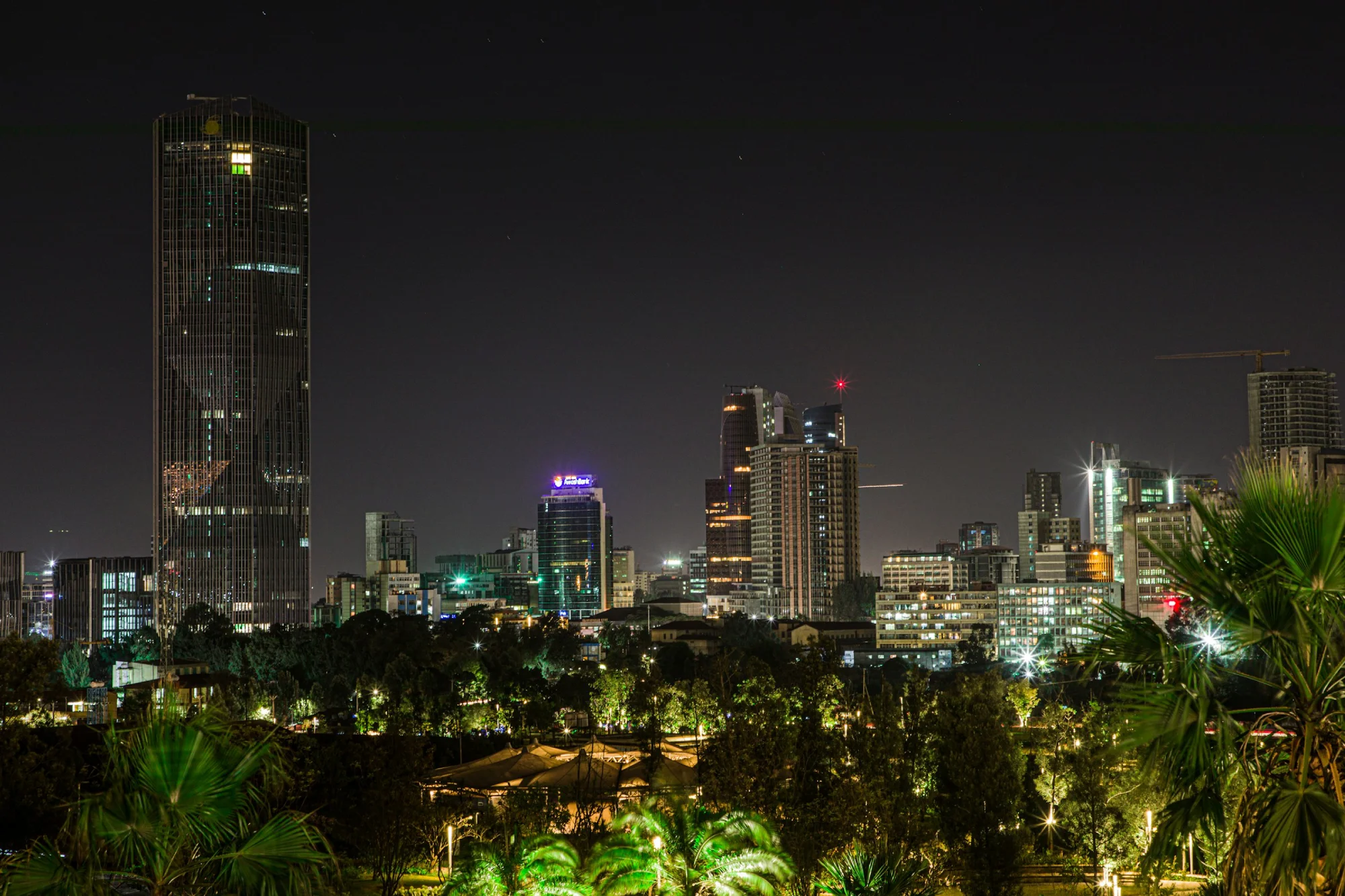
    After World War II, Addis Ababa began a steady transformation. Under Haile Selassie’s reign, the city became the nucleus of pan‑African diplomacy, hosting the founding of the Organization of African Unity in 1963 (now the African Union). Despite the trauma inflicted during the Derg regime’s Red Terror (1977–1978), the city reinvented itself in the 1990s. Today, modern infrastructure — including Africa’s first light rail, expanded highways, and a skyline punctuated by glass and steel — reflects Addis Ababa’s dynamic evolution into one of Africa’s most vibrant capitals.

    (adsbygoogle = window.adsbygoogle || []).push({});

    Neighborhoods That Define Addis Ababa

    Bole: From Grassland to Cosmopolitan Hub

    Addis Ababa Bole Road

    At the turn of the millennium, the Bole district was little more than open grassland used for grazing and small‑scale farming. In less than two decades, Bole has transformed into Addis Ababa’s most cosmopolitan area. Today, Bole pulses with energy as international hotels, luxury shopping malls, trendy cafés, and gourmet restaurants line its wide boulevards.

    Bole Road, now the commercial and social spine of the city, buzzes with activity from early morning until the late hours. International airlines have established hubs here, and visitors can enjoy everything from upscale dining to vibrant nightlife in this district. The transformation of Bole is a microcosm of Addis Ababa’s rapid urban development, symbolizing the city’s journey from pastoral landscapes to a modern global metropolis.

    Piazza: The Historic Core

    In contrast to the modernity of Bole, the Piazza neighborhood preserves Addis Ababa’s historic charm. Here, Italian colonial architecture blends with local traditions. Narrow streets, shaded by jacaranda trees and dotted with family‑run trattorias, evoke an atmosphere of a bygone era. Budget guesthouses, quaint cafés, and artisanal boutiques invite visitors to slow down and savor the simplicity and authenticity of old‑world Addis.

    However, recent waves of redevelopment and demolition have begun to reshape the district, with several historic buildings and entire blocks cleared to make way for modern high-rises and commercial projects. While much of Piazza’s character remains, its future hangs in the balance—making it an essential place to visit now for those eager to experience the last vestiges of Addis Ababa’s architectural and cultural past.

    Kazanchis: The Diplomatic Quarter

    The Kazanchis district is synonymous with business and international affairs. Home to the African Union headquarters and numerous United Nations offices, Kazanchis caters to diplomats, NGO workers, and international business travelers. This neighborhood features a range of mid‑range hotels known for their efficiency, excellent service, and proximity to government offices. International restaurants in Kazanchis offer a diverse culinary palette, from Asian fusion to traditional Ethiopian fare, making it a perfect locale for travelers who need to balance work with leisure.

    Entoto Hills: The Panoramic Retreat

    Addis Ababa Entoto Hill Emperor Menelik II Imperial Residence
    Former Imperial Residence of Emperor Menelik II on Entoto Hill in Addis Ababa

    For those seeking respite from the urban rush, the Entoto Hills offer a panoramic escape. A short drive north of the city, this area is renowned for its stunning eucalyptus forests and breathtaking views of Addis Ababa below. At the summit, the historic Entoto Maryam Church, where Emperor Menelik II was crowned, stands as a testament to Ethiopia’s rich imperial history. Hiking trails meander through the hills, inviting adventurers to explore rural villages, ancient paths, and scenic overlooks that capture the vastness of the Ethiopian landscape.

    (adsbygoogle = window.adsbygoogle || []).push({});

    Landmarks & Cultural Experiences

    Addis Ababa African Union Headquarters AU Ethiopia
    The African union Headquarters in Addis Ababa

    National Museum of Ethiopia

    At the heart of Addis Ababa’s cultural scene is the National Museum of Ethiopia. This museum is a must‑visit destination for anyone interested in the origins of humankind. Its crown jewel, “Lucy,” is a 3.2‑million‑year‑old Australopithecus afarensis fossil that revolutionized our understanding of human evolution. Alongside Lucy, the museum displays royal regalia, ancient artifacts, and contemporary Ethiopian art. Visitors can spend hours exploring its expansive galleries, which serve as a timeline of Ethiopia’s—and indeed, humanity’s—rich history.

    Ethnological Museum

    Housed in what was once Emperor Haile Selassie’s palace at Addis Ababa University, the Ethnological Museum offers a unique, immersive journey through Ethiopia’s cultural diversity. The exhibits are thoughtfully arranged around the stages of life — birth, adulthood, and death — and showcase artifacts from over 80 ethnic groups. Traditional costumes, ritual objects, and recreated village settings provide visitors with an intimate understanding of the country’s traditions and the importance of community in Ethiopian society.

    Holy Trinity Cathedral & St. George’s Cathedral

    The spiritual heart of Addis Ababa beats in its magnificent cathedrals. Holy Trinity Cathedral, with its neo‑Baroque stained glass windows and ornate altars, serves as the final resting place of Emperor Haile Selassie and many national heroes. In contrast, St. George’s Cathedral, built to commemorate Ethiopia’s victory at Adwa, stands out with its striking octagonal design and black basalt façade. Inside, richly detailed murals and religious relics tell the story of Ethiopia’s deep spiritual heritage and the central role of the Ethiopian Orthodox Church in daily life.

    Meskel Square

    No visit to Addis Ababa is complete without experiencing the energy of Meskel Square. This expansive public space is the city’s civic center, where major celebrations, political rallies, and cultural festivals come together. The Meskel Festival, celebrated every September, transforms the square into a fiery display of bonfires, chanting, and dancing — an event so culturally significant that it is recognized by UNESCO. During quieter hours, the square offers a glimpse into everyday life, with street vendors, performers, and local families mingling in a vibrant urban tapestry.

    Unity Park

    A relatively recent addition to the city’s attractions, Unity Park lies within the restored grounds of the Grand Palace. Opened in 2019, Unity Park is a celebration of Ethiopia’s diverse heritage and national unity. Visitors can wander through meticulously restored imperial halls, lush gardens, and interactive exhibits that narrate Ethiopia’s history from its ancient origins to its modern achievements. A mini‑zoo showcasing endemic species such as gelada baboons adds an extra layer of local charm.

    Red Terror Martyrs’ Memorial Museum

    For a more reflective experience, the Red Terror Martyrs’ Memorial Museum documents the dark period of the Derg regime’s political purges. Through haunting photographs, survivor testimonies, and preserved artifacts, the museum offers an unflinching look at one of Ethiopia’s most turbulent chapters. This visit serves as a powerful reminder of the resilience of the Ethiopian people and the importance of remembering history.

    Merkato Market

    Merkato, touted as Africa’s largest open‑air market, is an adventure in itself. This sprawling labyrinth of stalls and alleyways sells everything from spices and textiles to handcrafted jewelry and traditional coffee. Navigating Merkato requires a keen eye and a local guide who can help decipher the art of bargaining. The market is a sensory overload — vibrant colors, rich aromas, and the hum of animated conversations create an atmosphere that epitomizes the energy and resourcefulness of Addis Ababa.

    African Union Headquarters

    Standing as a symbol of pan‑African unity and ambition, the African Union headquarters in Addis Ababa is a modern marvel. The sleek complex hosts high‑level summits and diplomatic meetings that shape the continent’s future. Exterior sculptures honor liberation heroes like Kwame Nkrumah and Patrice Lumumba, reminding visitors of the collective struggles and triumphs that have forged modern Africa.

    (adsbygoogle = window.adsbygoogle || []).push({});

    Ethiopian Cuisine & Dining Experiences

    Traditional Flavors

    Ethiopian cuisine is a celebration of communal eating and rich, layered flavors. Central to every meal is injera, a sour, spongy flatbread made from teff, which is used to scoop up a variety of spicy stews known as wot. Doro wot, a fiery chicken stew with hard‑boiled eggs, is the star of festive meals. Kitfo, a delicacy of finely minced raw beef seasoned with spices and clarified butter (niter kibbeh), offers a daring culinary experience. For those preferring plant‑based options, shiro wot — a thick, savory stew made from ground chickpeas or broad beans — is both comforting and filling.

    The Ethiopian Coffee Ceremony

    Ethiopian Coffee Jebena Traditional Clay Coffee Pot
    Jebena, the traditional clay pot used for serving Ethiopian coffee

    Coffee is an integral part of Ethiopian culture, and the traditional coffee ceremony is a must‑experience. In this ritual, green coffee beans are roasted over a small charcoal fire until fragrant, then ground by hand and brewed in a clay jebena. The coffee is served in three rounds — abol, tona, and bereka — each symbolizing a stage of life, and is accompanied by popcorn or roasted barley. The ceremony is a social event, a time for conversation, reflection, and connection that encapsulates the spirit of Ethiopian hospitality.

    Top Restaurants in Addis Ababa

    Dining in Addis Ababa caters to every palate and budget. Kategna Restaurant is celebrated for its refined presentation of Ethiopian classics, while Yod Abyssinia and 2000 Habesha offer immersive experiences that blend sumptuous cuisine with live traditional music and dance performances. Lucy Restaurant, located near the National Museum, fuses Ethiopian ingredients with international culinary techniques to create innovative dishes in a serene garden setting. For a more relaxed atmosphere, Five Loaves Bistro in the Bole area serves Mediterranean‑inspired fare that appeals to expats and locals alike, and Effoi Pizza has garnered a loyal following for its thin‑crust pies topped with local flavors.

    (adsbygoogle = window.adsbygoogle || []).push({});

    Accommodation Options for Every Traveler

    Luxury Stays

    For those seeking indulgence, Sheraton Addis stands out as an icon of luxury. With its majestic waterfall pools, world‑class spa, and lush, formal gardens, this hotel is a favorite among diplomats, dignitaries, and discerning travelers. The Hyatt Regency offers equally impressive amenities, with a rooftop bar that provides panoramic views of Meskel Square and the city beyond.

    Mid‑Range Comfort

    Mid‑range options provide a balance of comfort and convenience. The Radisson Blu in Kazanchis offers modern rooms, high‑speed Wi‑Fi, and generous buffet breakfasts, making it ideal for business travelers. Ethiopian Skylight Hotel, located near Bole International Airport, combines contemporary design with easy access to the city’s commercial and entertainment hubs.

    Boutique & Unique Retreats

    For travelers looking for a more intimate experience, boutique accommodations such as Zoma Museum Guesthouse offer eco‑friendly, earthen architecture set amid lush gardens and artistic installations. Momona Hotel in Bole, with its minimalist décor and personal service, provides a stylish yet relaxed atmosphere that appeals to creative souls and solo travelers alike.

    Budget-Friendly Options

    Lobelia Hotel is known for its clean, comfortable rooms, excellent value, and reliable airport shuttle service — an excellent choice for travelers on a budget. Wassamar Hotel, with its simple yet modern accommodations and central location, ensures that budget travelers enjoy a safe and pleasant stay without sacrificing convenience.

    Nightlife & Entertainment in Addis Ababa

    Live Music & Cultural Performances

    As the sun sets, Addis Ababa transforms into a city of vibrant sound and rhythm. Fendika Azmari Bet is a cultural institution where traditional azmari musicians and skilled eskista dancers perform impromptu, filling the intimate venue with the soulful sounds of Ethiopia. African Jazz Village pays homage to Ethio‑jazz legend Mulatu Astatke with nightly live bands that blend traditional melodies with modern jazz improvisation. For a more relaxed evening, the Garden of Coffee Lounge offers soft acoustic sets, poetry readings, and an atmosphere that encourages conversation and reflection.

    Bars & Nightclubs

    For those seeking a more energetic night out, Atmosphere Rooftop at Hyatt Regency provides craft cocktails, stylish decor, and breathtaking views of the city skyline. Black Rose Bar’s hidden, speakeasy‑style setting, with its expertly mixed drinks and deep‑house beats, offers an intimate escape from the urban hustle. Meanwhile, Club Illusion and Gaslight Club — located at Sheraton Addis — deliver high‑energy dance floors, Afrobeat, and EDM that keep partygoers moving until the early hours of the morning.

    (adsbygoogle = window.adsbygoogle || []).push({});

    Transportation & Getting Around

    Bole International Airport

    Bole International Airport (ADD) is the primary gateway to Addis Ababa, located just six kilometers from downtown. As Ethiopian Airlines’ global hub, it connects the city to more than 125 international destinations. A 2020 expansion increased the airport’s capacity to 22 million passengers per year and introduced modern lounges, duty‑free shops, and efficient immigration processes. Travelers should plan to arrive early to navigate security and immigration smoothly.

    The Future Absera Mega‑Airport

    Looking ahead, the new Absera International Airport is slated to open by 2030 in Bishoftu, roughly 40–60 minutes from Addis Ababa. Spanning 35 square kilometers and featuring four runways, Absera is designed to handle 100 million passengers annually. This ambitious project is set to cement Addis Ababa’s position as Africa’s premier aviation hub, supporting Ethiopian Airlines’ long‑term expansion and bolstering the region’s economic growth.

    Getting Around the City

    Within Addis Ababa, ride‑hailing apps like Ride and Feres offer fixed‑fare, safe transportation options. While blue‑and‑white street taxis are available, they often require fare negotiation. For a true local experience, minibuses are an economical option—though they can be complex to navigate if you are not familiar with the routes. Many visitors also enjoy exploring the city on foot, especially in central areas like Piazza and Kazanchis where historical landmarks, cafés, and boutiques cluster together.

    (adsbygoogle = window.adsbygoogle || []).push({});

    Day Trips & Excursions Beyond the City

    Debre Libanos Monastery

    Perched above the Jemma River gorge, Debre Libanos Monastery is a 13th‑century religious complex that offers dramatic views, cascading waterfalls, and encounters with gelada baboons in their natural habitat. The site’s ancient murals and stone carvings provide insight into Ethiopia’s long‑standing religious traditions and artistic heritage.

    Bishoftu (Debre Zeit)

    Just an hour southeast of Addis Ababa, Bishoftu is famous for its chain of crater lakes, including Babogaya, Hora, and Bishoftu. These pristine lakes invite visitors to enjoy kayaking, swimming, or simply relaxing by the water at one of the many eco‑resorts such as Kuriftu. The area’s cool climate and scenic vistas provide a welcome respite from the city’s energetic pace.

    Entoto Park & Hills

    For those who crave nature, Entoto Park is a must‑visit destination. Located on the outskirts of Addis Ababa, this park offers eucalyptus‑lined hiking trails, zip‑lining adventures, and breathtaking vistas over the city below. The historic Entoto Maryam Church, perched on a hilltop, adds a spiritual dimension to the outdoor experience, reminding visitors of the city’s imperial origins.

    Shopping, Souvenirs, & Local Crafts

    Addis Ababa is a shopper’s paradise, offering a variety of markets and modern retail experiences. At Merkato, Africa’s largest open‑air market, you can haggle for spices, handcrafted jewelry, leather goods, and traditional textiles. In areas like Piazza, local artisans display their handmade pottery, paintings, and woven baskets. For a more curated shopping experience, modern malls and boutique shops in Bole and Kazanchis offer designer clothing, imported goods, and souvenirs that capture the essence of Ethiopian culture.

    Practical Travel Tips for Visiting Addis Ababa

    Visa, Currency, & Payments

    Most visitors can obtain an e‑visa online or receive a visa on arrival at Bole Airport. It’s important to carry small denominations of the Ethiopian Birr (ETB) since cash is the primary mode of transaction in many markets and smaller establishments. While credit cards are accepted at higher‑end hotels and restaurants, ATMs can sometimes run low on cash, so plan accordingly.

    Health, Safety, & Altitude

    At an elevation of over 2,300 meters, altitude can affect first‑time visitors. Stay well‑hydrated, take it easy during your first day, and consider packing a small supply of altitude tablets if you are prone to headaches. Although Addis Ababa is generally safe, exercise common sense in crowded areas such as Merkato and public transportation hubs. Keep personal belongings secure and avoid flashing expensive electronics.

    Cultural Etiquette & Language

    Ethiopians are known for their hospitality and formality. When visiting religious sites, dress modestly by covering shoulders and knees. Always remove your shoes before entering a church or mosque. Handshakes are the customary greeting; in close‑knit communities, people may greet with a warm embrace or a kiss on the cheek. Learning a few Amharic phrases—such as “Selam” for hello and “Amesegenallo” for thank you—will go a long way in building rapport with locals.

    Transportation & Local Navigation

    For ease of movement, use reliable ride‑hailing apps like Ride and Feres. Blue‑and‑white taxis are plentiful but do not use meters; always agree on a fare before setting off. For more adventurous travelers, minibuses offer a truly local experience, though they can be crowded and confusing. Walking is an excellent way to explore central neighborhoods like Piazza and Kazanchis, where many historic landmarks, cafés, and boutiques are within easy reach.

    When to Visit & What to Expect

    Addis Ababa’s climate is generally mild throughout the year, a stark contrast to the at times scorching heat of East African counterparts Kampala and Dar es Salaam. Weather though the rainy season from June to September can be unpredictable. Spring‑like weather prevails even during the “winter” months, making it a pleasant destination year‑round. Major festivals such as Timket (Epiphany in January), Meskel (celebrated in September), and Enkutatash (Ethiopian New Year in September) offer unique opportunities to witness the city’s cultural vibrancy and communal celebrations.

    (adsbygoogle = window.adsbygoogle || []).push({});

    Why Addis Ababa Belongs on Your Bucket List

    Addis Ababa is far more than a stopover for international flights—it is a city that awakens the senses and transforms perceptions. Here, you trace the origins of humanity at the National Museum, navigate the vibrant labyrinth of Merkato, and savor the aromatic complexity of a traditional coffee ceremony. The city’s eclectic mix of ancient history and modern sophistication, combined with a contagious joie de vivre, makes every visit an exploration of art, culture, and the enduring spirit of Africa.

    For travelers seeking unforgettable experiences, Addis Ababa offers a narrative that spans millennia: from the ancient ruins and relics of the past to the dynamic pulse of modern urban life. Whether you are a history enthusiast, a culinary adventurer, a nightlife aficionado, or a culture seeker looking for deep, authentic encounters, Addis Ababa delivers an experience that resonates long after you leave its bustling streets.

    In every corner of Addis Ababa—from the dynamic corridors of Bole to the historic charm of Piazza, from the panoramic vistas atop Entoto Hills to the solemn memorials of the Red Terror Museum—there is a story waiting to be discovered. The city’s energy is palpable, its traditions are enduring, and its future is bright. For those who set foot in Addis Ababa, the journey is not just about sightseeing; it is an immersive dive into a world where every moment is a celebration of life, resilience, and the unyielding spirit of Ethiopia.

    Addis Ababa is a revelation. Its vibrant street life, its complex history, and its innovative embrace of modernity invite you to become part of a narrative that is as compelling as it is diverse. So pack your bags, bring an open mind, and prepare to be enchanted by the sights, sounds, and flavors of Africa’s most captivating capital. Your journey to Addis Ababa will be one of discovery, transformation, and unforgettable memories.

    (adsbygoogle = window.adsbygoogle || []).push({});
  • You Won’t Believe These 8 Epic Experiences in Hells Gate National Park

    You Won’t Believe These 8 Epic Experiences in Hells Gate National Park

    Imagine a place where nature’s raw power, breathtaking beauty, and thrilling adventure converge to create an experience unlike any other. Nestled in Kenya’s Rift Valley near Lake Naivasha, Hells Gate National Park is a haven for globetrotters and adrenaline junkies alike. This remarkable destination offers towering cliffs, deep gorges, active geothermal features, and a rich tapestry of cultural heritage that promises to ignite your wanderlust and challenge your sense of adventure. In this post, we explore the many facets of Hells Gate—from its dramatic landscapes and geological marvels to its exhilarating outdoor activities and authentic Maasai cultural encounters—inviting you to discover why this unique park should be on every traveler’s bucket list.

    Discovering the Dramatic Landscape

    Hells Gate National Park Fischers Tower Volcanic Rock

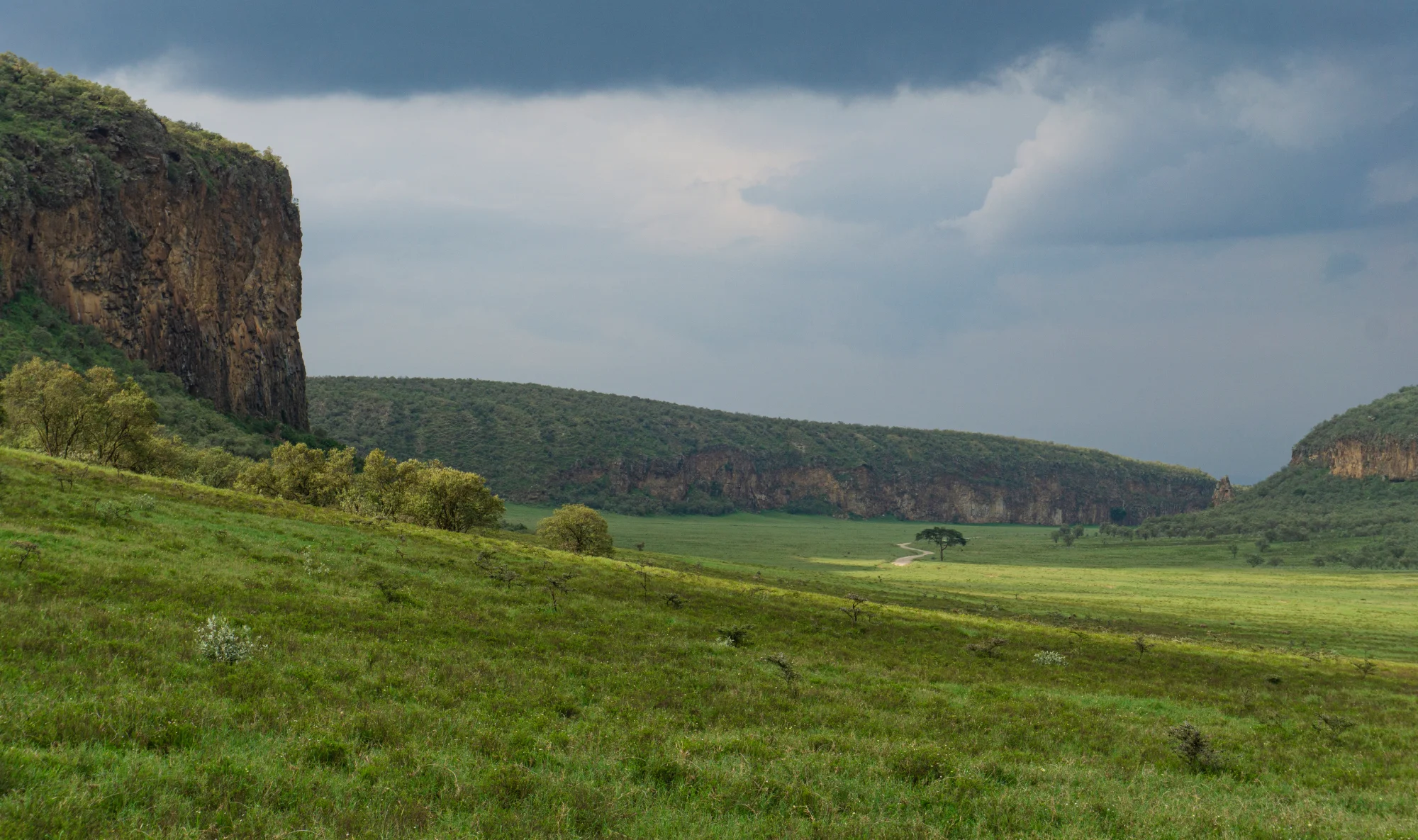
    Hells Gate is renowned for its awe-inspiring geography. Unlike many Kenyan parks characterized by lush, expansive savannas, Hells Gate boasts a rugged terrain shaped by ancient volcanic activity. Here, massive rock formations, deep canyons, and active geothermal features like bubbling hot springs and steaming vents combine to create an otherworldly landscape. This dramatic scenery isn’t just a feast for the eyes—it’s a living canvas that tells the story of the earth’s powerful natural forces. The park’s evocative name hints at its intense energy and the surreal beauty of a place that seems to straddle the boundary between our world and a mythical underworld.

    Geological Marvels: Rock Formations and Gorges

    A visit to Hells Gate would be incomplete without marveling at its spectacular geological features. Dominating the park’s skyline is Fischer’s Tower, a 25-meter-high volcanic plug that has become an icon of the region. According to Maasai folklore, the tower represents a young girl who was turned into stone for disobeying her parents before her wedding.

    Nearby, the larger Central Tower, formed from hardened lava, stands as a powerful reminder of the park’s volcanic origins. The Hells Gate Gorge, with its narrow winding trails and red-hued cliffs, offers a dramatic backdrop for hiking and exploration. As you traverse its rugged paths, you’ll discover hidden caves, see the telltale signs of erosion, and witness firsthand the dynamic interplay between fire and water that continues to shape the landscape.

    Wildlife Encounters in a Safe, Predator-Free Zone

    Hells Gate National Park Giraffe Wildlife Safari Game Drive

    Unlike many other national parks in Kenya, Hells Gate is a rare predator-free sanctuary. This unique characteristic allows visitors to explore the park on foot or by bicycle without the constant worry of dangerous encounters. Here, wildlife roams freely in an environment that is both peaceful and vibrant. Herds of buffalo, zebra, warthogs, and various antelope species graze on open plains, while flocks of colorful birds, including the majestic Verreaux’s eagle and the critically endangered Rüppell’s vulture, soar high above the cliffs.

    For birdwatchers and nature enthusiasts, every turn offers the chance to capture incredible moments—a grazing herd in the golden light of dawn or a solitary bird against the vast blue sky. The predator-free setting not only enhances safety but also creates a more intimate wildlife experience, where every sighting feels personal and close at hand.

    The Vital Role of Kenya Wildlife Service (KWS)

    Hells Gate National Park thrives under the stewardship of the Kenya Wildlife Service (KWS), the government agency charged with conserving Kenya’s protected areas. In Hells Gate, KWS rangers patrol daily to protect wildlife from poaching, enforce park regulations, and ensure visitor safety on walking and cycling safaris. They manage entry fees — which directly fund conservation projects, trail maintenance, and community outreach — and coordinate with Olkaria Geothermal Power Station to balance energy production with ecosystem health. KWS also operates the Maasai Cultural Center, providing authentic cultural experiences while supporting local livelihoods. Through research, anti‑poaching patrols, and sustainable tourism initiatives, KWS safeguards Hells Gate’s unique geology, biodiversity, and cultural heritage for generations to come.

    Exhilarating Outdoor Adventures Await

    Hells Gate National Park The Gorge Rock Formation Canyon
    The Gorge at Hells Gate National Park

    At Hells Gate, adventure is not just an option—it’s the very essence of the experience. The park’s varied terrain offers a playground for a wide range of outdoor activities that cater to both the casual traveler and the seasoned adventurer.

    Cycling Safari: Pedal Through a Natural Wonderland

    One of the park’s most popular activities is the cycling safari. Imagine cruising along dusty trails with the wind on your face, surrounded by sweeping vistas of the Rift Valley. Bike rental is readily available at the park’s entrance, allowing you to set off on a two-wheeled journey through a landscape that shifts dramatically from barren volcanic outcrops to sun-drenched plains dotted with wildlife. As you cycle past herds of grazing animals and alongside bubbling geothermal features, you’ll find that the ride offers both a sense of freedom and a unique perspective on the park’s natural beauty.

    Hiking Adventures: A Journey on Foot

    For those who prefer to explore on foot, Hells Gate’s hiking trails provide an equally immersive experience. The park’s pathways wind through narrow gorges, along steep cliffs, and past natural hot springs, inviting you to step closer to nature. One particularly rewarding hike leads you into the depths of Hells Gate Gorge, where every twist and turn reveals new wonders—hidden caves, dramatic rock formations, and vibrant pockets of life thriving in the harsh environment. A local guide can enhance your trek by sharing fascinating insights into the park’s geological history and the rich tapestry of Maasai legends that breathe life into these ancient rocks.

    Rock Climbing: Conquer the Volcanic Towers

    Hells Gate Central Tower Rock Formation Volcanic Rock Plug

    For thrill-seekers and climbing enthusiasts, the challenge of scaling Fischer’s Tower is an experience not to be missed. This volcanic plug, with its smooth, weathered surface, offers routes suitable for both beginners and experienced climbers. As you ascend, the adrenaline rush is matched only by the breathtaking views that unfold from above—panoramic vistas of the Rift Valley, dotted with wildlife and framed by the dramatic silhouettes of distant mountains. Whether you’re testing your limits for the first time or returning for another challenge, the vertical adventure at Hells Gate is a journey that rewards courage with unforgettable beauty.

    Soothing Geothermal Hot Springs: Nature’s Spa

    After a day filled with high-energy activities, the natural geothermal hot springs near the Olkaria Geothermal Spa provide the perfect setting for relaxation. These mineral-rich pools offer a soothing retreat where you can unwind and let the natural heat ease away the fatigue of your adventures. Imagine soaking in warm, bubbling waters while gazing out over a landscape defined by rugged cliffs and vast, open skies—a moment of tranquility that contrasts beautifully with the park’s wild energy.

    A Cinematic Landscape: Where Movies Come to Life

    The dramatic scenery of Hells Gate has not only captivated travelers but also inspired filmmakers around the globe. Its expansive plains, rugged rock formations, and mystical gorges have been cited as influences for cinematic masterpieces. Disney’s “The Lion King”—both the animated classic and its live-action counterpart—drew inspiration from the majestic landscapes of Kenya, and many believe that features reminiscent of Hells Gate contributed to the film’s iconic visuals. Additionally, movies such as “Tomb Raider: The Cradle of Life” and “King Solomon’s Mines” have utilized the park’s breathtaking backdrops to evoke a sense of ancient mystery and adventure. For photography enthusiasts and film buffs, Hell

    s Gate is a living storyboard waiting to be captured.

    Embracing the Maasai Cultural Experience

    Hells Gate Maasai Village Manyatta Tribe Culture
    A Maasai Village in Hells Gate National Park

    A visit to Hells Gate is not solely about natural wonders; it’s also an opportunity to immerse yourself in the rich cultural heritage of Kenya. The park is home to the Maasai Cultural Center, where you can experience the traditions and vibrant lifestyle of the Maasai people—a community known for its colorful attire, intricate beadwork, and deep spiritual connection to the land.

    At the cultural center, local Maasai guides introduce you to their way of life. You might witness the mesmerizing “Adumu,” or jumping dance performed by young warriors, whose leaps symbolize strength and valor. Engage in interactive sessions where you learn about traditional crafts, listen to enthralling folklore, and even partake in a blessing ceremony designed to wish you safe travels. This authentic encounter with Maasai culture not only enriches your visit but also supports local communities by promoting sustainable tourism practices. It’s a chance to connect with people whose traditions have been honed over centuries, adding a profoundly human element to the natural beauty of Hells Gate.

    Where to Rest: Accommodations Near Hells Gate

    After a day brimming with adventure, finding the right place to unwind is essential. The area surrounding Hells Gate offers a range of accommodation options to suit every traveler’s needs, from luxury lodges to cozy campsites that let you sleep under a canopy of stars.

    For those seeking a touch of luxury, lodges like Chui Lodge and Enashipai Resort & Spa offer upscale amenities, beautifully appointed rooms, and scenic views that capture the essence of the Rift Valley. These properties provide a perfect blend of comfort and style, ensuring that your stay is as memorable as your adventures. If you’re looking for something more mid-range, options like the Lake Naivasha Country Club and Crescent Camp deliver a charming mix of modern comforts and local character.

    For the budget-conscious, campsites such as Camp Carnelley’s and Fisherman’s Camp offer a rustic, back-to-nature experience without compromising on the essentials. Whether you opt for a luxury retreat or a simple tent under the stars, each option is designed to complement the raw, adventurous spirit of Hells Gate.

    Exploring Beyond Hells Gate: Nearby Attractions and Activities

    Hells Gate is not an isolated gem—it’s strategically located in Kenya’s Rift Valley, a region bursting with natural and cultural attractions. Just a short drive away lies Lake Naivasha, a freshwater lake teeming with hippos, crocodiles, and a dazzling array of birdlife. A boat safari on Lake Naivasha provides a peaceful yet exhilarating way to see wildlife up close, while a walk on Crescent Island lets you experience the unique thrill of roaming among animals in an unfenced sanctuary.

    For those craving more adrenaline, Mount Longonot offers a challenging hike up a dormant volcano, rewarding climbers with panoramic views of the surrounding valley and a profound sense of accomplishment. History enthusiasts will appreciate a visit to the Kariandusi Prehistoric Site, an archaeological treasure that reveals remnants of early human life through stone tools and fossilized bones—an intriguing window into Kenya’s ancient past.

    Kenya’s other “hellish” experience – Hell’s Kitchen (Marafa Depression)

    Malindi Hell's Kitchen Marafa
    Hell’s Kitchen in Marafa, near Malindi

    Kenya isn’t just home to Hell’s Gate—on the coast near Malindi lies Hell’s Kitchen, a completely separate “hellish” wonder located about 45 km east of town .

    Known locally as Nyari (“the place broken by itself”), this surreal sandstone canyon was carved by wind and water over millions of years into jagged gorges and towering spires more than 30 m high. Its ribbed cliffs reveal a vivid “layer‑cake” of creams, oranges, crimsons, and purples that glow spectacularly at sunset. Managed by the Marafa community, a modest entrance fee (Ksh 200–300) supports local conservation efforts. The best time to visit is late afternoon when the intense midday heat subsides and the canyon’s colors burst into life. Together, Hell’s Gate and Hell’s Kitchen showcase Kenya’s astonishing geological diversity—from Rift Valley geothermal drama to coastal sandstone splendor.

    Navigating Your Way to Hells Gate

    One of the many attractions of Hells Gate is its accessibility. Situated approximately 90 kilometers from Nairobi, the park is perfectly positioned for a day trip or an extended weekend escape. Whether you’re departing from Kenya’s bustling capital, the wildlife-rich Maasai Mara, or even Nakuru, several convenient options make your journey smooth and enjoyable.

    For the independent traveler, renting a car provides the freedom to explore at your own pace. The roads leading to Hells Gate are generally well-maintained, and a self-drive adventure lets you absorb the stunning scenery along the Nairobi–Nakuru Highway and beyond. If you’d rather leave the driving to someone else, hiring a car with an experienced driver-guide offers not only comfort but also local insights into the region’s history and hidden gems.

    Public transport is also a viable option—catching a matatu from Nairobi to Naivasha and then a short motorbike taxi ride to the park can be both cost-effective and exciting. Alternatively, joining an organized tour guarantees an all-inclusive experience with transport, park entry fees, bike rentals, and even a Maasai cultural visit all taken care of, allowing you to simply relax and enjoy the adventure.

    Essential Tips for an Unforgettable Adventure

    Maximizing your experience at Hells Gate involves a little planning. Here are some essential tips to ensure your visit is as rewarding as it is exhilarating:

    • Visit During the Dry Season: The best time to explore is during the dry months (June–October and January–March), when the weather is clear, the trails are more accessible, and wildlife sightings are at their peak. Early mornings and late afternoons also offer cooler temperatures and the best lighting for photography.
    • Pack Appropriately: Given the park’s rugged terrain and geothermal features, bring along sturdy walking shoes, a wide-brimmed hat, sunscreen, and a light jacket for early mornings or cooler evenings. Always carry plenty of water and a basic first-aid kit.
    • Consider a Local Guide: Whether you’re hiking through the narrow gorges or exploring Maasai traditions, a knowledgeable local guide can enhance your experience by providing insights into the park’s geology, wildlife, and cultural heritage.
    • Combine Attractions: To get the most out of your trip, plan an itinerary that includes visits to nearby attractions such as Lake Naivasha, the Naivasha Crater, or even Mount Longonot. This not only diversifies your experience but also offers a deeper understanding of Kenya’s natural wonders.
    • Respect the Environment: As you explore, adhere to park rules, maintain a respectful distance from wildlife, and practice the “leave no trace” principle. Your responsible behavior helps preserve these natural treasures for future adventurers.

    Final Thoughts: Answer the Call of Adventure

    Hells Gate National Park is more than just a destination—it’s a celebration of Kenya’s wild, untamed spirit. Here, the dramatic interplay of fire and earth, the thrill of adventure sports, and the richness of Maasai culture converge to create an experience that is as exhilarating as it is transformative. Whether you’re cycling through vast, open plains, scaling ancient volcanic towers, or immersing yourself in the rhythms of Maasai life, every moment spent in Hells Gate is a step closer to understanding the raw, unfiltered beauty of nature.

    Your journey can be as independent or as guided as you prefer. Rent a car and navigate the scenic roads at your own pace, or opt for the comfort and insights of a driver-guide. If you’d rather leave all the planning to someone else, numerous tour companies offer all-inclusive packages that take care of every detail—from transport and park fees to cultural excursions and bike rentals. This flexibility means that whether you’re a solo traveler, a couple in search of adventure, or a family eager to explore, Hells Gate has something extraordinary in store.

    As you stand amidst the towering cliffs and listen to the distant calls of wildlife, you’ll feel the undeniable pull of Kenya’s wilderness—a call that promises not only adventure but also a deep connection to the natural world. So pack your bags, prepare your spirit for exploration, and let the rugged beauty of Hells Gate National Park transform your idea of travel. Kenya’s dramatic landscapes and rich cultural tapestry are waiting to welcome you to an adventure of a lifetime.

  • Lake Naivasha: Where Kenya’s Wild Heart Finds Its Calm

    Lake Naivasha: Where Kenya’s Wild Heart Finds Its Calm

    Some lakes whisper. Lake Naivasha hums—with life, with history, with the kind of stillness that somehow feels full of sound. Tucked away in Kenya’s Great Rift Valley, about 90 kilometers northwest of Nairobi, this freshwater lake isn’t just a scenic pit stop—it’s an entire symphony for the senses.

    Lake Naivasha is where the quietly curious come to stretch their legs and still their minds. It’s for birders who speak fluent kingfisher, hikers who measure joy in altitude gain, and adventurers who prefer giraffes to traffic jams. Whether you’re chasing silence, hippos, or just a really good sunrise, you’ve come to the right place.

    At 1,884 meters above sea level, Lake Naivasha is unusually elevated for a freshwater lake. Its name is thought to come from the Maasai word Nai’posha, meaning “rough water”—a nod to the sudden storms that can sweep across its otherwise peaceful surface. The lake covers roughly 139 square kilometers, depending on rainfall, and is surrounded by an additional 64 square kilometers of swampy, bird-filled bliss.

    Naivasha is fed by underground springs and runoff from nearby Mau Forest. With no visible outlet, it’s one of those mysterious bodies of water that seems to live by its own rules—which it does, quite literally, when it decides to expand during rainy seasons and casually reclaim land, trees, and sometimes hotel gardens.

    Birds, Beasts, and Biodiversity: Why Lake Naivasha is Heaven for Nature Lovers

    The Birdwatcher’s Bucket List, All in One Place

    Lake Naivasha Marabou Storks Birds Wildlife
    Marabou Storks are part of Lake Naivasha’s rich wildlife

    You don’t need to be a professional birder to appreciate Lake Naivasha, but if you are, bring extra SD cards. This region is a feathery paradise with over 400 bird species that call the lake and its wetlands home.

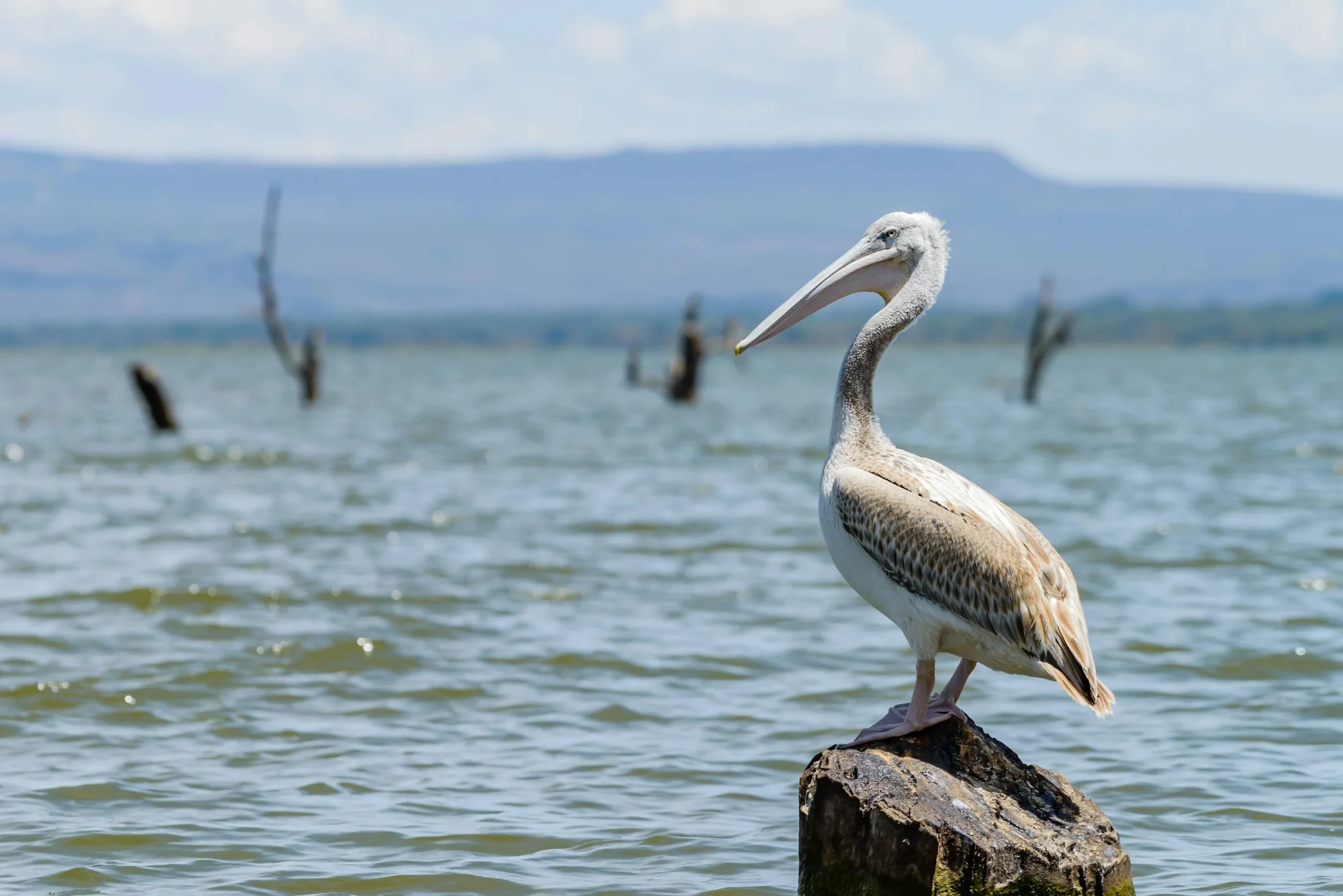
    Every morning, you’ll hear the cry of the African fish eagle echo across the water like nature’s alarm clock. Pied kingfishers hover like tiny helicopters before plunging beak-first into the lake. Great white pelicans coast over the surface in clumsy elegance. And if you’re lucky, you might spot a Goliath heron—because yes, even the herons here are overachievers.

    From reed warblers to jacanas, Naivasha’s avian life thrives in the papyrus beds, acacia woodlands, and surrounding swamps. It’s like watching a BBC nature documentary live, but with better coffee and no David Attenborough commentary (unless you do your own).

    Hippos and Hoots in the Night

    Lake Naivasha Hippo Wildlife Animals

    Lake Naivasha is home to a healthy population of hippos—roughly 1,500 of them, to be semi-precise. During the day, you’ll see their shiny backs bobbing in the shallows, often surrounded by snorting and low grumbles. At night, however, they emerge from the water to graze. If you’re staying lakeside, don’t be surprised to hear one munching just outside your tent or cottage window. It’s all part of the charm—until one blocks your path to breakfast.

    Despite their round and somewhat comical appearance, hippos are fiercely territorial, so admire them from a respectful distance. Your camera’s zoom is your best friend.

    Walk with the Wild (But Not Too Wild)

    One of Lake Naivasha’s most thrilling aspects is its walkable safaris—especially on Crescent Island. This semi-private sanctuary, accessible by boat or a short drive, allows you to stroll among zebras, giraffes, impalas, and wildebeest. No predators roam here, which makes it one of the few places in Kenya where you can safely say you walked with giraffes and meant it literally.

    The absence of lions and leopards doesn’t make it any less exciting. On foot, everything feels more immediate: the rustle of hooves through dry grass, the way a giraffe freezes to stare you down, the odd moment when you remember how fast a zebra can bolt. You’re not just observing nature here—you’re part of it.

    The Best Ways to Explore: Activities Around Lake Naivasha

    Boat Safaris: Drift into the Wild

    Imagine drifting across calm water as the early morning mist rises, your guide pointing out pelicans, fish eagles, and a pod of hippos clustered like oversized bath toys. Boat safaris are the unofficial rite of passage at Lake Naivasha. They give you a front-row seat to the lake’s aquatic life—cormorants drying their wings on submerged trees, kingfishers zipping past, and, if you’re extra lucky, otters peeking above the surface.

    Boats are small, flat, and ideal for gliding silently through reeds and open water alike. Most tours last about an hour, though you can easily book longer private trips—sunset cruises with drinks are particularly popular for obvious reasons.

    Crescent Island: Where Nature Says “Take a Walk”

    Crescent Island is a place where you don’t just spot wildlife—you walk right through it. This crescent-shaped peninsula, made famous as a filming location for Out of Africa, is home to herds of plains game that are completely unfazed by your presence.

    It’s not unusual to have a giraffe walk past as you admire the view over the lake. You’ll likely share trails with gazelle, waterbuck, and even the occasional wildebeest with attitude. There’s something deeply humbling—and oddly comic—about trying to look cool while avoiding eye contact with a curious ostrich.

    Hike Mount Longonot: Views, Sweat, and Crater Drama

    If you’re the kind of person who hears the word “volcano” and thinks, “let’s climb it,” then Mount Longonot is calling your name. This dormant volcano looms on the horizon just a 30-minute drive from Naivasha town.

    The hike begins gently enough, but don’t be fooled—reaching the rim is a workout. The path spirals steeply upward, gaining 630 meters in elevation. But once you’re at the top, the payoff is panoramic. You can walk the 7.2-kilometer loop around the entire crater rim, with views stretching out over Lake Naivasha, the Rift Valley floor, and occasionally even Lake Elementaita on a clear day.

    Tip: Start early to beat both the heat and the crowds. And pack water. Lots of it.

    Hell’s Gate National Park: Hike, Bike, and Channel Your Inner Lion King

    Want something truly dramatic? Head south to Hell’s Gate National Park. Unlike many parks in Kenya, this one encourages self-guided exploration. You can hike or rent a bicycle and pedal between soaring cliffs, geothermal vents, and gorges straight out of a fantasy film set.

    Hell’s Gate is home to zebras, hartebeests, buffaloes, and plenty of birds—but the real thrill is the landscape. Towering sandstone formations, narrow rock canyons, and bubbling geothermal activity give it a prehistoric feel. No wonder it inspired the setting for Pride Rock.

    Oh, and did we mention the Ol Njorowa Gorge? It’s a winding slot canyon carved by centuries of water and wind. Hiking through it feels like venturing into a forgotten world. Just check the weather before you go—flash floods aren’t nearly as fun as they sound.

    The Crater Lake Sanctuary: A Volcanic Secret Worth the Climb

    Naivasha Crater Lake
    The Naivasha Crater Lake – a scenic hike

    If Lake Naivasha is the charismatic celebrity of the Rift Valley, Crater Lake is its introverted cousin—the one who reads poetry, wears green, and knows how to keep a secret.

    Located on private land about 10 kilometers from Naivasha town, Crater Lake is tucked inside a small, dormant volcanic crater. The lake itself shimmers an eerie shade of jade, surrounded by cliffs and dense bushland that give it a tucked-away, enchanted-forest feel. The sanctuary here is a haven for birdlife—over 150 species have been recorded—and you’ll often see zebra, giraffe, and antelope as you wander the walking trails around the rim.

    This isn’t a place for crowds. It’s where you come to stretch your legs, breathe in the scent of acacia trees, and maybe eat your packed lunch while pretending you’ve discovered it yourself. No judgment—we all do it.

    Olkaria Geothermal Spa: Bathing Where the Earth Sighs

    In nearby Hell’s Gate National Park lies one of Kenya’s more unusual wellness experiences: the Olkaria Geothermal Spa. Here, you can soak in steaming, milky-blue waters that are naturally heated deep within the earth’s crust. The geothermal pools are the byproduct of Kenya’s bold push into renewable energy, and while the science is fascinating, the sensation is even better.

    Float beneath the open sky as warm water eases your hiking aches and turns your fingers into prunes of contentment. The water contains minerals like sulfur and silica, said to be excellent for the skin. Whether or not you believe that, there’s something deliciously surreal about relaxing in a volcanic jacuzzi surrounded by Rift Valley cliffs.

    There’s even a shallow pool for kids and non-swimmers, which means you can bring the whole family—or just your inner child.

    Flower Farm Tours: Petal-Powered Industry

    You may not know it, but the next time you see roses in a European supermarket, there’s a solid chance they came from Lake Naivasha. The area is one of the world’s leading producers of cut flowers, with greenhouses stretching out across the plains like quilt patches of color.

    Several flower farms—like Oserian and Karuturi—offer tours that peel back the petals on how this massive industry operates. You’ll learn how climate, altitude, and proximity to water give Naivasha an edge, and how these farms are shifting toward more sustainable, eco-conscious practices.

    It’s a lovely way to experience something different, and surprisingly soothing—wandering through endless rows of roses, carnations, and lilies while bees bumble lazily in the background.

    Bonus: many tours end with a fresh bouquet and a cup of tea.

    Cultural Immersion: Markets, Stories, and the Heartbeat of the Rift

    For all the natural beauty of Lake Naivasha, it’s the people who bring the soul. Spend a morning at the Naivasha town market and you’ll witness a lively rhythm of daily life—vendors calling out prices, mamas in bright kangas weighing tomatoes, and the scent of roasting maize drifting on the breeze.

    You can also visit nearby Maasai villages where community-run tourism initiatives offer immersive experiences: traditional dances, fire-making demonstrations, beadwork lessons, and real conversations that go beyond the staged performances you find elsewhere.

    If you’re the sort of traveler who collects moments over souvenirs, these encounters will stay with you far longer than a fridge magnet.

    Environmental Challenges and the Dance with Nature

    When the Lake Grows Legs: Rising Water Levels

    Lake Naivasha - Fisherman on a Tree in the Water Rising Water Levels
    Lake Naivasha – Fisherman on a tree in the water. Rising water levels in recent years have caused thousands of trees to be submerged

    Lake Naivasha, as mentioned earlier, is a lake that likes to stretch out—and occasionally overstays its welcome. In the past decade, water levels have surged by over two meters, flooding low-lying properties, walkways, and entire groves of mature acacia trees.

    If you’ve ever seen a fisherman in a canoe floating between tree trunks, you’re not hallucinating—those trees used to be on dry land. Many lakeside hotels have built raised boardwalks or relocated dining areas inland. Some properties lost entire gardens to the water’s slow but relentless creep.

    But in typical Kenyan fashion, locals adapt. Fishermen now use submerged trees as natural perches, and bird species have colonized the half-drowned branches, creating eerie, photogenic scenes of cormorants and herons silhouetted against a misty lake.

    Balancing Tourism with Sustainability

    Lake Naivasha Fish Eagle wildlife birds

    Lake Naivasha’s popularity is both its strength and its Achilles heel. As tourism and agriculture expand, so do the environmental pressures. Water pollution from farming, encroachment on wetlands, and overfishing are very real concerns.

    Thankfully, a number of conservation organizations are working to keep the lake and its ecosystems alive and well. Community cleanups, bird counts, papyrus restoration projects, and responsible tourism guidelines are all part of a growing movement to ensure that Lake Naivasha doesn’t just survive—but thrives.

    As a visitor, your choices matter. Support eco-certified lodges. Don’t feed the animals. Say no to plastic. And above all, treat this natural haven like it’s your own backyard—because for the local communities, it is.

    A Glimpse into Deep Time: Naivasha and the Rift Valley’s Ancient Past

    When Lakes Were Seas and Craters Were Volcanic Tantrums

    Long before Naivasha was a peaceful bird sanctuary, it was part of a massive prehistoric lake system stretching across the Rift Valley. Geological and paleoclimatic studies suggest that lakes like Naivasha, Nakuru, and Elementaita were once interconnected, forming an enormous freshwater network during wetter climatic periods.

    Over thousands of years, tectonic shifts and changing rainfall patterns fractured this mega-lake into smaller, distinct water bodies. These natural forces didn’t just create stunning landscapes—they carved out entirely new ecosystems.

    So when you’re boating through Naivasha’s calm waters or climbing Mount Longonot’s rugged rim, you’re literally walking through millennia of earth history. Nature doesn’t rush, but it certainly knows how to leave a mark.

    Where to Stay: Lakefront Lodges, Cosy Hideaways, and Wild Comforts

    Lake Naivasha Country Club: Colonial Grace Meets Hippo Views

    Originally a staging post for flying boats in the 1930s, Lake Naivasha Country Club still oozes a kind of old-world elegance—think wide verandas, manicured gardens, and liveried waiters who bring you tea as if it’s a sacred ritual. But don’t let the classic charm fool you; this place is also modern in the right places. Wi-Fi works, hot water is reliable, and the hippos still occasionally mow the lawn at night.

    The property opens right onto the lake, with boat safaris departing straight from its jetty. The lawns stretch lazily down to the water’s edge, where birds gather like it’s the avian version of Sunday brunch.

    Enashipai Resort & Spa: Pampering With a View

    Lake Naivasha Enashipai Hotel Resort
    Enashipai Resort & Spa at Lake Naivasha

    If you like your nature with a side of massage, Enashipai is your place. Meaning “a place of happiness” in the Maasai language, this upscale resort offers luxurious rooms, an award-winning spa, and a heated pool—all tucked into a peaceful, lakeside setting. It’s ideal for couples, families, and solo travelers who want to trade the tent for a pillow menu without losing touch with the wild outside.

    And yes, the birdwatching from your balcony is still top-notch. You might even see a hornbill giving your reflection the side-eye.

    Burch’s Resort: Budget-Friendly, Nature-Rich

    On the opposite end of the wallet spectrum, Burch’s Resort offers simple but charming lakeside accommodation perfect for backpackers, birders, and quiet souls who’d rather splurge on boat rides than bed linen thread count. The views are brilliant, and you’re just steps from the lake.

    It’s also one of the best places to wake up to the sound of fish eagles and go to sleep to the distant chuckle of hippos—without needing a bank loan to do it.

    Olerai House: Farmstay Serenity with Feathered Neighbours

    If you’ve ever dreamt of waking up on a working flower farm with giraffes roaming through the garden and weaver birds building nests in the trees above you, Olerai House is what happens when that dream checks into reality.

    This intimate, eco-friendly lodge is part of the Oserian farm estate, blending tasteful design with a deep respect for nature. Meals are made with produce from the garden, and the ambiance whispers tranquility. It’s more like staying in someone’s beautiful countryside home—if that someone were deeply stylish, wildly generous with wine, and friends with giraffes.

    Lake Naivasha Resort: Contemporary Comfort with Lakeside Luxury

    Lake Naivasha Resort blends modern amenities with a serene lakefront setting. The spacious rooms and manicured gardens provide an ideal backdrop for those looking to relax while still being close to all the main attractions. The resort features a swimming pool, spa services, conference facilities, and well-organized excursions. It’s a popular pick for couples, groups, and families who want a polished experience without losing that lakeside charm.

    Lake Naivasha Sopa Lodge: Wild Elegance in Acacia Country

    Hidden within an ancient forest of yellow-barked acacia trees, Lake Naivasha Sopa Lodge feels like a secret nature retreat. The grounds are vast and teeming with wildlife—you might spot giraffes munching near your cottage or colobus monkeys swinging past your veranda. The circular architecture, spacious rooms, and gently winding paths give it a welcoming, organic feel. Sopa is especially beloved by birdwatchers and families looking for a peaceful yet immersive nature stay.

    Hippo Point: Luxury, Legend, and a Touch of the Surreal

    If you’re in the mood for something spectacularly unique, Hippo Point is more than a place to sleep—it’s an experience. This private wildlife conservancy and boutique property is home to the iconic Dodo’s Folly—a nine-story, pagoda-like tower that looks like it was designed by a whimsical architect on safari. Inside, it’s all polished wood, antique décor, and wraparound views of the lake and surrounding wilderness.

    Outside, expect to see zebras and giraffes strolling across the lawn and, yes, the occasional hippo at the shoreline. Hippo Point blends luxurious exclusivity with barefoot philosophy. It’s not cheap, but it’s unforgettable.

    Getting There and Getting Around

    By Road from Nairobi

    Lake Naivasha is one of the easiest weekend escapes from Nairobi. Just hit the A104 highway northwest out of town, and in about 1.5 to 2 hours—depending on traffic, roadworks, or your Spotify playlist—you’ll find yourself descending into the Rift Valley with views that make you involuntarily say “wow.”

    The road is tarmacked the entire way, and while it can get busy, especially on Fridays and Sundays, it’s scenic enough to forgive a slowdown. Matatus, private cars, and even scheduled shuttle buses make the trip daily. For maximum flexibility, self-driving is best. A small SUV will help if you plan to hit any of the rougher access roads near parks or lakeside camps.

    By Air: For Those Who Prefer to Glide

    There’s a small airstrip in Naivasha for private charters and fly-in safaris. If you’re on a tight schedule or simply like to arrive with style and zero potholes, this is a great option—though not the most budget-friendly one.

    Local Transport

    Once there, getting around is straightforward. Tuk-tuks, motorbike taxis (boda-bodas), and regular taxis are all easy to find. For day trips to Mount Longonot, Hell’s Gate, or Crater Lake, most lodges can arrange a vehicle and driver. If you’re feeling adventurous and reasonably competent behind the wheel, self-driving is a great way to explore the surroundings on your own terms.

    Plan Your Visit: What You Should Know Before Falling in Love with Lake Naivasha

    Best Time to Visit

    The best time to visit Lake Naivasha is during the dry seasons, which typically run from January to March and again from June to October. These months offer ideal conditions for hiking, boat rides, and wildlife viewing, with minimal rainfall and clearer skies.

    What to Pack

    Be sure to pack the essentials: sturdy hiking boots for crater climbs and gorges, a good pair of binoculars if you’re keen on birdwatching, high-SPF sunscreen, insect repellent, and a wide-brimmed hat. And most importantly, don’t forget your sense of curiosity—because Lake Naivasha rewards those who explore slowly and observe closely.

    What to Expect

    During your stay, you can expect to encounter diverse wildlife, prolific birdlife, and soul-stirring natural landscapes. From hippos that occasionally graze near lakeside rooms to fish eagles calling across the water, nature here is constant, yet never overwhelming.

    Responsible Travel Tips

    Try to avoid feeding wild animals or using single-use plastics—both are harmful to the delicate ecosystem. Respect the natural spaces, and they’ll reward you with their full magic.

    Must-Do Experiences

    Finally, don’t leave without experiencing a sunrise boat safari, a walk among giraffes on Crescent Island, and a long, warm soak in the Olkaria geothermal hot springs. These are the moments that turn a trip into a memory—and Lake Naivasha has plenty of them waiting.

    Who Should Visit Lake Naivasha?

    Lake Naivasha is for people who like their wilderness soft-spoken. It’s not the Serengeti. It’s not the Mara. But what it offers is something many travelers don’t realize they need until they find it—space to breathe.

    It’s for birders who want to quietly tick off species while sipping tea. It’s for hikers who believe views are better when you earn them. It’s for solo travelers who crave stillness and couples who want sunsets instead of crowds. It’s for kids who still find magic in frogs, and retirees who finally have time to watch clouds.

    And above all, it’s for those who understand that nature doesn’t need to roar to make itself known.

    Final Thoughts: Why Lake Naivasha Deserves a Spot on Your Itinerary

    Lake Naivasha isn’t loud, but it speaks volumes. It whispers in the rustle of reeds, calls out in the cry of fish eagles, and hums through the volcanic steam of its geothermal spas. It’s where zebras walk beside you without drama, where birds pose like runway models, and where even hippos, despite their size, seem surprisingly good at vanishing when you’re trying to photograph them.

    For the nature lover, it’s a haven. For the explorer, it’s a map full of trails. For the hiker, it’s crater rims and gorges. And for the quiet seeker? It’s everything you didn’t know you needed.

    So pack your binoculars, your boots, and maybe a sketchbook or two. Let Lake Naivasha slow your pace and fill your senses. Because once you’ve felt its quiet magic, you’ll understand why so many people come here for a weekend… and somehow end up staying a little longer than planned.

  • 5 Astonishing Facts About Ethiopian Food That Will Leave You Hungry for More

    5 Astonishing Facts About Ethiopian Food That Will Leave You Hungry for More

    Ethiopian food is more than just a collection of dishes—it’s a dynamic cultural experience that unites communities, celebrates history, and tantalizes the senses. Rooted in centuries of tradition and local innovation, this cuisine has evolved into one of the most distinctive culinary traditions on the planet. Whether you are a seasoned foodie or a newcomer eager to explore global flavors, this in-depth blog post will unveil the secrets behind the magic of Ethiopian food, its unique serving style, and the rituals that make every meal a celebration of culture and community.

    A Rich Culinary Heritage

    The Origins and Evolution of This Cuisine

    Ethiopian food carries an ancient legacy that is as diverse as the landscapes of Ethiopia itself. The culinary roots here are deeply intertwined with a history marked by varied cultural influences that have passed through the region over millennia. From indigenous grains like teff to robust spice blends such as berbere, the ingredients and techniques used in these recipes have been handed down through generations, evolving while staying true to their origins.

    One of the most iconic symbols of this tradition is injera—a sourdough flatbread made from teff flour. Injera isn’t merely a side dish; it forms the foundation upon which nearly every meal is built. Its unique texture and tangy flavor are the result of a natural fermentation process that dates back centuries. More than just a culinary base, injera doubles as an edible utensil, allowing diners to scoop up flavorful stews and vegetables, making every bite a hands-on, communal experience.

    The Role of Spices and Signature Flavors

    Ethiopian Food Injera Vegetarian Cuisine Restaurant

    At the heart of this cuisine is the complex and aromatic spice blend known as berbere. Comprising chili peppers, garlic, ginger, and an assortment of other spices, berbere imbues many traditional dishes with a rich depth and an assertive heat that is both intricate and captivating. Whether used in slow-cooked stews or sautéed in vibrant meat dishes, this spice mix is a defining ingredient that distinguishes Ethiopian culinary art from other traditions.

    The layering of spices and the methodical approach to flavor-building in these recipes not only create dishes that are robust and multifaceted but also reflect a deep respect for tradition and the art of slow cooking. This careful attention to flavor is one of the reasons Ethiopian food continues to garner international acclaim and win over palates around the globe.

    The Art of Communal Dining

    Serving Style That Fosters Community

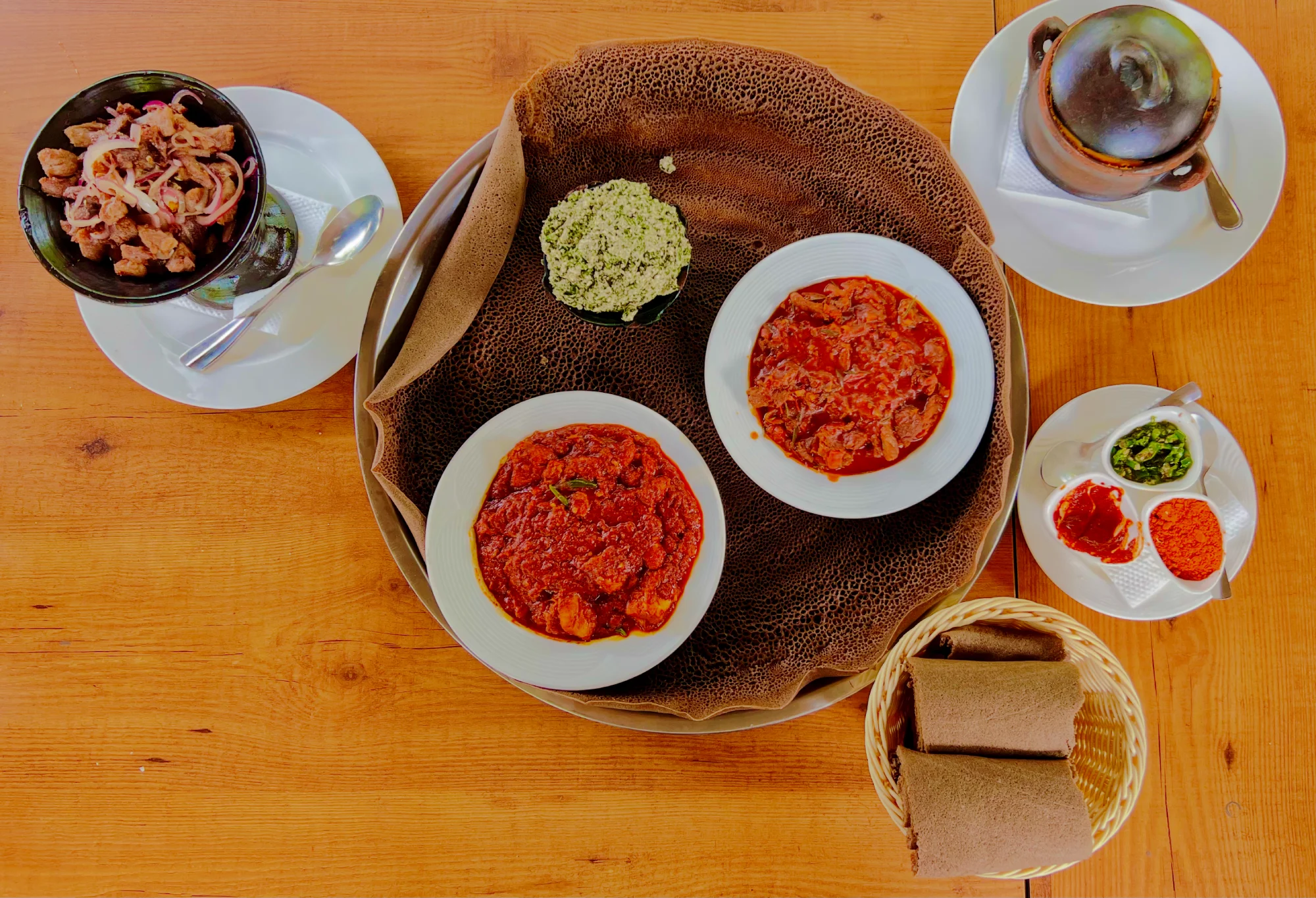
    One of the most enchanting aspects of Ethiopian cuisine is its presentation and serving style. Meals are traditionally arranged on a large communal platter, reinforcing the importance of sharing and togetherness. At the center of the platter lies a generous spread of injera, topped with an array of dishes that might include spicy stews (wats), sautéed meats like tibs, legumes such as misir wat, and an assortment of vegetable preparations.

    This communal dining style is more than a way to enjoy food—it is a reflection of a philosophy that sees meals as shared experiences. Friends and family gather around the table, breaking bread together and partaking in a multi-sensory dining experience that celebrates both the food and the bonds that unite them. Each person uses pieces of injera as an edible utensil to scoop up the various dishes, forging a tactile connection between the diner and the meal. This method of eating transforms dining into an interactive, communal ritual that is both intimate and celebratory.

    The Cultural Significance of the Coffee Ceremony

    No discussion of Ethiopian food would be complete without highlighting the deep-rooted coffee tradition that is integral to its culture. Ethiopian coffee holds a special place in the hearts of its people, as the region is widely considered the birthplace of this beloved beverage. According to popular legend, a goat herder named Kaldi first discovered the energizing effects of the coffee bean in the ancient region of Kaffa. This narrative, whether myth or historical anecdote, has come to symbolize the profound relationship Ethiopians share with coffee.

    Ethiopian Coffee Jebena

    The traditional coffee ceremony is not merely about brewing a cup; it is a full-fledged cultural event. The ritual begins with the roasting of raw, green coffee beans in a pan over an open flame. The intoxicating aroma that fills the room as the beans roast is the first hint of the sensory delight to follow. Once roasted to perfection, the beans are ground using a mortar and pestle and then brewed in a beautifully crafted clay pot known as a jebena. Every step is performed with careful attention and reverence for custom.

    Coffee is typically served in multiple rounds during the ceremony, with each round often symbolizing a different stage of life—youth, maturity, and old age. This ritualistic approach underscores the significance of coffee not only as a beverage but as a symbol of hospitality, respect, and community. Inviting someone to share in this ceremony is a gesture filled with meaning—a sign of friendship, trust, and the sharing of heritage.

    Exploring Signature Dishes

    The food of Ethiopia is celebrated for its diverse array of dishes, each offering a unique glimpse into the country’s culinary soul. Here are some of the most popular dishes that have become staples in local households and have also earned international recognition:

    Injera: The Edible Canvas

    Injera is arguably the most iconic element of Ethiopian cuisine. This large, spongy flatbread, made from fermented teff flour, serves as both the plate and the utensil for nearly every meal. Its tangy, slightly sour flavor perfectly complements the rich, often spicy stews and vegetable dishes that adorn its surface. Injera’s dual role in the dining experience is a testament to the communal spirit of Ethiopian food, inviting diners to share not just the meal but a slice of culture.

    Doro Wat: The Spicy Chicken Stew

    One of the most celebrated dishes is doro wat, a rich and spicy chicken stew that is often considered the pinnacle of Ethiopian cooking. Prepared with berbere, slow-cooked onions, garlic, and ginger, doro wat is traditionally served with a hard-boiled egg. Its deep, complex flavors and generous spice levels make it a favorite for those who crave hearty, bold meals that capture the essence of culinary artistry.

    Kitfo: The Exquisite Raw Beef Dish

    For adventurous palates, kitfo offers a unique culinary experience. This dish features finely minced raw beef, lightly seasoned with a blend of spices and clarified butter. Often accompanied by a mild cheese known as ayib and served with injera, kitfo highlights the emphasis on fresh, unadulterated flavors and textures in Ethiopian cuisine. The precise balance of seasoning in kitfo is a culinary art form, reflecting the finesse of traditional food preparation methods.

    Tibs: Sautéed Perfection

    Ethiopian Food Shekla Tibs

    Tibs is a versatile dish showcasing sautéed meat—whether beef, lamb, or goat—combined with vegetables and aromatic spices. Prepared in varying levels of heat, tibs can be a subtle, mild dish or a fiery, robust entrée, depending on the chef’s style. Its adaptability and straightforward preparation have made tibs a staple not only in local restaurants but also in global dining establishments that feature Ethiopian cuisine.

    Vegetarian Delights: Shiro, Misir Wat, and Gomen

    Ethiopian food offers a wealth of vegetarian options, largely influenced by the fasting practices of the Ethiopian Orthodox Church. Shiro is a thick stew made from chickpeas or broad beans, flavored with garlic and onions to create a hearty, nutritious dish. Similarly, misir wat—a lentil stew seasoned with rich spices—and gomen, which features collard greens or other leafy vegetables cooked with garlic and onions, are celebrated for their simplicity and robust flavor. These vegetarian specialties not only cater to dietary preferences but also highlight the depth and versatility of Ethiopian cuisine.

    International Recognition and the Global Food Scene

    Beyond Ethiopia

    In recent years, Ethiopian food has transcended its geographic roots to captivate the palates of food enthusiasts around the globe. This surge in international popularity is driven by the unique dining experiences, robust flavors, and the captivating narrative of its coffee heritage. Ethiopian restaurants have emerged as cultural hubs in major cities worldwide, offering both diaspora communities and curious locals an authentic taste of this extraordinary cuisine.

    The influence of Ethiopian food is notably strong in the neighboring East Africa region. Nairobi, for instance, is renowned for its vibrant and abundant selection of Ethiopian restaurants, while the trend is steadily gaining momentum in both Dar es Salaam and Kampala.

    Famous Ethiopian Restaurants on the Global Stage

    Some international Ethiopian restaurants have become landmarks in their own right. In the Washington, D.C. metro area, for instance, the density of Ethiopian restaurants is a testament to both a thriving community and the global appeal of Ethiopian food. Establishments like Dukem and Awash have earned reputations for their authentic atmospheres, communal dining experiences, and faithful renditions of traditional dishes.

    Across the Pacific in Los Angeles, the famed Little Ethiopia neighborhood features restaurants such as Lalibela, where the spirit of Ethiopian heritage is evident in every dish served. In Toronto, Queen of Sheba stands as a cultural beacon, blending traditional recipes with modern dining sensibilities to bring Ethiopian food to a diverse audience. Even across Europe, cities like London, Berlin, and Paris have embraced this culinary tradition through restaurants like Blue Nile, which offer not just delectable food but an immersive cultural experience.

    Media and Global Food Festivals

    The international attention that Ethiopian food has garnered is not limited to brick-and-mortar establishments. Major travel and culinary publications—from CNN Travel to BBC and various gourmet blogs—have highlighted the uniqueness of Ethiopian cuisine, drawing attention to its communal dining traditions and bold flavors. Additionally, Ethiopian food has made significant appearances at global food festivals and pop-up events, where its authentic taste and cultural richness are showcased to diverse audiences. These platforms have played a key role in introducing Ethiopian food to those who might have otherwise never encountered it, further cementing its place on the international culinary map.

    Nuances Between Ethiopian and Eritrean Cuisines

    While Ethiopian food enjoys widespread acclaim, it is important to recognize the subtle differences between Ethiopian and Eritrean culinary traditions. Both share common roots, particularly in the use of injera and spice mixes like berbere. However, historical influences have led to distinct culinary identities. Eritrean cuisine, for instance, incorporates Mediterranean and Italian influences as a result of historical colonization. This sometimes results in dishes that incorporate pasta and feature lighter seasoning compared to the robust, deeply layered flavors characteristic of Ethiopian stews and sauces. Despite these nuances, both cuisines emphasize communal dining, a shared love for spice, and a deep-rooted cultural heritage that continues to captivate food enthusiasts worldwide.

    The Power of Ethiopian Coffee and Its Global Impact

    Ethiopian Coffee: A Cultural Icon

    Central to the culinary tradition is its world-renowned coffee, celebrated for its rich flavor and storied heritage. Ethiopian coffee is much more than a beverage—it is a symbol of cultural identity and a cornerstone of hospitality. Coffee is believed to have been discovered first in the ancient region of Kaffa, where legend credits a goat herder with noticing the energizing effects of the beans. This legendary origin story has become emblematic of Ethiopia’s profound connection to coffee.

    The Traditional Coffee Ceremony

    The Ethiopian coffee ceremony is a ritual steeped in history and cultural significance. This time-honored practice involves the meticulous roasting of raw coffee beans over an open flame, which releases an intoxicating aroma that fills the room. Once the beans are roasted, they are ground using traditional tools—a mortar and pestle—and then brewed in a handcrafted clay pot known as a jebena. The coffee is served in several rounds, each representing a phase of life, and is accompanied by conversation, storytelling, and a warm display of hospitality. This ceremony not only underscores the importance of coffee in everyday life but also serves as a means of bringing communities together, reinforcing bonds, and celebrating heritage.

    Global Recognition of Ethiopian Coffee

    Internationally, Ethiopian coffee is celebrated for its distinct flavor profile, which can range from bright and fruity to deep and earthy. Specialty coffee shops around the world feature single-origin beans, often sourced directly from local farmers, ensuring that each cup reflects the unique terroir of its region. The global allure of Ethiopian coffee has helped elevate the country’s status as the ultimate destination for authentic coffee experiences, further complementing the international reputation of Ethiopian food and cuisine.

    Tej: Ethiopia’s Golden Honey Wine

    No culinary journey through Ethiopia is complete without raising a glass of Tej — the country’s iconic honey wine. Brewed from raw honey, water, and gesho (a native buckthorn leaf that acts like hops), Tej is a drink that’s as much a part of Ethiopian identity as injera or doro wat. It’s tangy, floral, slightly bitter, and disarmingly strong. And it’s more than just a beverage—it’s a celebration in a glass.

    Tej is traditionally served in a berele, a rounded glass flask that looks more like a miniature chemistry set than a wine glass. You’ll find it at weddings, religious holidays, and inside cozy tej bets—honey wine houses where conversations flow as freely as the drink itself. Some of the oldest tej bets in Addis Ababa still serve homemade brews steeped in decades of family tradition.

    For anyone exploring Ethiopian food in its fullest expression, Tej is a vital experience. It’s a sip of sweetness after the fiery punch of a spiced stew. A toast between strangers turned friends. A liquid thread that weaves through centuries of culture, faith, and festivity.

    And like much of Ethiopia’s culinary soul, Tej doesn’t follow a single recipe. Some brews are citrusy, others smoky. Some finish dry, others syrupy. But one thing’s always true: it’s never just a drink—it’s a doorway into the spirit of Ethiopia.

    The Future of Ethiopian Food on the International Stage

    As global trends continue to favor authenticity and cultural richness, Ethiopian food is poised to expand its influence even further. The unique combination of communal dining, aromatic spices, and a storied coffee tradition offers a refreshing alternative to more conventional culinary experiences. Whether you are exploring a bustling urban center in North America, enjoying a cultural festival in Europe, or simply savoring a home-cooked meal steeped in tradition, the appeal of Ethiopian food continues to grow.

    The increasing presence of Ethiopian restaurants in major cities worldwide and the continuous media spotlight on this vibrant cuisine suggest that it is here to stay. With each passing year, more people discover the joys of sharing injera, relishing the fiery taste of doro wat, and experiencing the communal spirit of an Ethiopian coffee ceremony. This growing interest is not only enriching global culinary landscapes but also inspiring a new generation of chefs and food enthusiasts to explore the diverse flavors and traditions of Ethiopian food.

    Why You Should Experience Ethiopian Food Today

    In a world where culinary traditions are constantly evolving, Ethiopian food stands out as a testament to the power of heritage, community, and the art of flavor. The next time you’re in search of a dining experience that transcends the ordinary, consider visiting an Ethiopian restaurant near you or trying your hand at preparing a traditional meal at home. Here are a few compelling reasons to embrace this extraordinary culinary journey:

    • A Unique Dining Experience:
      The communal dining style fosters conversation, connection, and shared memories. This approach not only enhances the overall enjoyment of the meal but also creates a lasting impression that extends far beyond the table.
    • Bold and Authentic Flavors:
      From the tangy taste of injera to the fiery zest of doro wat and the rich aroma of Ethiopian coffee, every element of this cuisine is designed to tantalize your taste buds and ignite your senses.
    • Cultural Immersion:
      Enjoying Ethiopian food is an invitation to explore a culture that cherishes tradition, storytelling, and the art of hospitality. The coffee ceremony, in particular, offers a window into a world where every cup of coffee tells a story and every meal is a celebration of life.
    • Global Culinary Influence:
      With renowned Ethiopian restaurants making their mark on the international stage and media outlets frequently showcasing this cuisine, there’s never been a better time to discover why Ethiopian food is celebrated by culinary enthusiasts around the world.
    • Nourishing and Wholesome:
      Many traditional Ethiopian dishes are naturally rich in nutrients, emphasizing the use of fresh ingredients, legumes, and vegetables. Whether indulging in a hearty meat stew or a wholesome vegetarian dish, Ethiopian food offers both flavor and nourishment.

    Final Thoughts

    Ethiopian food is a celebration of life—a fusion of rich history, communal dining, and unmatched flavors that continue to captivate hearts across the globe. From the iconic injera that serves as both plate and utensil, to the aromatic spice blends that define its stews, and the profound tradition of Ethiopian coffee that brings people together, every element of this cuisine is imbued with meaning and crafted with care.

    The international recognition of Ethiopian restaurants—from those in the Washington, D.C. metro area to hotspots in Los Angeles, Toronto, and across Europe—underscores the growing appeal of this culinary tradition. As more people embrace the unique dining experience offered by Ethiopian food, its influence will undoubtedly continue to expand, bridging cultural divides and uniting communities over shared meals and unforgettable flavors.

    So, whether you’re a curious traveler, a devoted foodie, or someone simply looking for a memorable dining experience, now is the perfect time to explore Ethiopian food. Allow the rich heritage, bold flavors, and communal spirit to transform the way you think about food—and enjoy every moment of the journey, one injera at a time.

  • Lake Nakuru National Park: 10 Unforgettable Reasons Why This Safari Paradise Will Capture Your Heart

    Lake Nakuru National Park: 10 Unforgettable Reasons Why This Safari Paradise Will Capture Your Heart

    Nestled in the heart of Kenya’s Great Rift Valley, Lake Nakuru National Park is one of Africa’s most captivating wildlife destinations. Renowned for its awe-inspiring landscapes, diverse ecosystems, and spectacular gatherings of flamingos, this park is a must-visit for safari enthusiasts, nature lovers, and photographers alike. In this comprehensive guide, we explore the park’s fascinating history, key figures, top attractions, and practical travel tips, while also drawing connections to other iconic Kenyan destinations. Whether you are a seasoned traveler or planning your first safari, join us on a journey through one of Kenya’s most treasured natural gems.

    A Historical Tapestry: From Sanctuary to World-Class Safari

    The Birth and Evolution of Lake Nakuru National Park

    Lake Nakuru - Rhino

    Established in 1961 as a bird sanctuary, Lake Nakuru National Park was originally created to protect the unique birdlife that transformed the lake’s shores into a living canvas of pink. By 1968, the area was declared a national park to further safeguard its diverse habitats. Over the decades, the park’s conservation efforts expanded from preserving its famous flamingos to protecting an array of endangered species including black and white rhinoceroses and the rare Rothschild’s giraffe. Today, the park is celebrated as a model of wildlife conservation and an essential stop on any Kenyan safari itinerary.

    (adsbygoogle = window.adsbygoogle || []).push({});

    A Connected Past: The Legacy of Kenya’s Rift Valley Lakes

    Long before modern boundaries were drawn, Lake Nakuru, Lake Naivasha, and Lake Elementaita were part of a connected hydrological system that shaped the ecology of Kenya’s Rift Valley. Although these lakes now stand as separate entities, their historical connection is a testament to the rich and intertwined natural heritage of the region. This shared history contributes to the mystique and allure of Lake Nakuru, reminding visitors that every ripple on its surface carries a legacy of ancient waters and evolving landscapes.

    International Recognition and Conservation Milestones

    In 1990, Lake Nakuru National Park was designated as a Ramsar site—a recognition of its critical importance as a wetland of international significance. This accolade highlights the park’s vital role in supporting diverse ecosystems, particularly its world-famous flamingos, whose presence continues to attract birdwatchers and photographers from around the globe. The park’s evolving focus on sustainable tourism and wildlife preservation has cemented its place as one of Kenya’s premier natural attractions.

    The Heart of the Park: The Iconic Lake Nakuru

    At the core of the park lies Lake Nakuru, a shallow alkaline lake that has become synonymous with the park’s identity. The lake’s surface area fluctuates between 5 and 45 square kilometers depending on seasonal rainfall, creating dynamic habitats that support a multitude of bird species and aquatic life.

    Flamingo Fantasy

    Perhaps the most iconic image of Lake Nakuru is the sight of thousands of pink flamingos gracing its shores. These elegant birds filter-feed on the lake’s algae, turning the water’s edge into a mesmerizing pink spectacle that is as photogenic as it is natural. While the numbers of flamingos can vary due to changes in water levels and ecological conditions, their presence remains a symbol of the park’s vibrant ecosystem and a major draw for visitors worldwide.

    Flamingos at Lake Nakuru

    A Living Laboratory for Birdlife and Beyond

    The alkaline waters of Lake Nakuru support over 450 bird species. In addition to flamingos, visitors may encounter pelicans, African fish eagles, cormorants, and Goliath herons, among others. This avian abundance has earned the park a reputation as a birdwatcher’s paradise and an essential stop for wildlife enthusiasts.

    The Wild Wonders: An Abundance of Iconic Wildlife

    Mammals: The Majestic Residents

    Lake Nakuru National Park is home to a remarkable variety of mammalian wildlife. The park’s compact area of 188 square kilometers houses over 50 mammal species, including some of Africa’s most celebrated icons:

    Lake Nakuru - Lion
    A lion in Lake Nakuru National Park
    • Rhinoceroses: Both black and white rhinos call the park home. With its significant rhino populations, the park plays a crucial role in the conservation of these endangered species.
    • Rothschild’s Giraffe: Introduced for conservation purposes, these elegant creatures are a rare sight and a highlight for any visitor.
    • Big Cats: Lions and leopards, the quintessential symbols of the African wilderness, roam the park’s diverse landscapes. Whether lounging in the shade of acacia trees or stealthily stalking their prey, these predators add a thrilling element to the safari experience.
    • Other Mammals: Buffalos, zebras, impalas, waterbucks, and baboons complete the diverse tapestry of wildlife that thrives within the park.

    Reptiles and Amphibians: The Understated Residents

    Beyond the charismatic mammals and dazzling birds, Lake Nakuru National Park also shelters a range of reptiles and amphibians. From the impressive African rock python to monitor lizards and various snake species, these lesser-known residents contribute to the ecological balance of the park. Their presence is a reminder that every creature, no matter how small, plays a role in the intricate web of life.

    The Landscape and Scenic Attractions: More Than Just Wildlife

    While the park’s wildlife is undoubtedly its star attraction, Lake Nakuru National Park offers a host of scenic and cultural experiences that enrich every visit.

    Breathtaking Viewpoints and Natural Wonders

    Baboon Cliff

    One of the most popular vantage points in the park, Baboon Cliff provides visitors with sweeping, panoramic views of Lake Nakuru and its environs. As the sun rises or sets over the expansive Rift Valley, the cliff offers a front-row seat to nature’s daily spectacle. Often inhabited by playful baboons, this spot is ideal for photography and quiet reflection.

    Makalia Falls

    Lake Nakuru National Park - Makalia Falls Game Drive Nature
    The Makalia Falls in Lake Nakuru National Park

    Hidden away in the southern reaches of the park, Makalia Falls is a serene cascade that comes alive during the rainy season. The sound of water tumbling over rocky outcrops, combined with the lush surrounding vegetation, creates a tranquil environment perfect for picnics and short hikes.

    Lion Hill

    Named for the lions that once prowled its slopes, Lion Hill is yet another iconic landmark within the park. It offers not only stunning views of the surrounding landscape but also an immersive experience in the park’s natural history. The climb to the top is rewarded with breathtaking vistas that stretch across the lake and beyond.

    The Euphorbia Forest: A Botanical Marvel

    Among the park’s diverse ecosystems, the Euphorbia Forest stands out as a unique botanical feature. Home to one of the largest stands of Euphorbia candelabrum trees in Africa, this forest creates an otherworldly landscape. The towering, sculptural trees add a distinctive character to the park, contrasting sharply with the soft hues of the lake and the rugged terrain of the Rift Valley.

    (adsbygoogle = window.adsbygoogle || []).push({});

    The Great Rift Valley Escarpment

    Lake Nakuru National Park is dramatically set against the backdrop of the Great Rift Valley. The escarpments and rolling hills not only provide a stunning visual contrast but also tell the geological story of a land shaped by tectonic forces over millennia. This interplay of rugged terrain and gentle water bodies enhances the park’s overall appeal and adds depth to its natural narrative.

    Beyond the Park: The Charm of Nakuru City and Surrounding Destinations

    While Lake Nakuru National Park is a jewel in its own right, the surrounding region offers additional attractions that round out the safari experience.

    Exploring Nakuru City

    Just a short drive from the park, Nakuru City is a vibrant urban center that blends modern amenities with rich cultural heritage. Here are some top attractions in and around the city:

    Nakuru Egerton Castle Kenya
    Lord Egerton Castle, near Nakuru
    • Menengai Crater: One of the largest volcanic craters in the world, Menengai offers awe-inspiring views of the Rift Valley. Its dramatic landscape is perfect for hiking, photography, and exploring the region’s volcanic history.
    • Hyrax Hill Prehistoric Site: For history buffs, this archaeological site provides fascinating insights into early human settlement in Kenya. With relics dating back thousands of years and an on-site museum, Hyrax Hill is a must-visit for those interested in the region’s ancient past.
    • Local Markets and Cuisine: Nakuru’s bustling markets offer a taste of authentic Kenyan culture. From traditional crafts to vibrant street food, the city provides a colorful and sensory introduction to life in Kenya.
    • Lord Egerton Castle: A historic mansion 14 km from Nakuru City, built by Lord Maurice Egerton in the 1930s-1950s, featuring lavish rooms, beautiful gardens, and a captivating tale of unrequited love—ideal for history buffs, photographers, and picnic lovers.

    Combining Safari Destinations: Maasai Mara and Amboseli

    For those looking to expand their safari itinerary, Kenya offers a treasure trove of wildlife experiences beyond Lake Nakuru. The Maasai Mara, renowned for its sweeping savannahs and the annual wildebeest migration, provides a quintessential safari experience that complements the lake’s more intimate setting. Meanwhile, Amboseli National Park is famed for its large elephant herds and iconic views of Mount Kilimanjaro. These destinations, each unique in its own right, illustrate the diverse beauty of Kenya and provide endless opportunities for adventure and discovery.

    (adsbygoogle = window.adsbygoogle || []).push({});

    Where to Stay: The Top Lodges for an Unforgettable Safari Experience

    Accommodations around Lake Nakuru National Park cater to every taste and budget, offering travelers the chance to experience the park’s wonders in comfort and style. Whether you prefer the rustic charm of a tented camp or the luxury of a modern lodge, here are some of the top options:

    1. Lake Nakuru Sopa Lodge

    Set on the rolling hills of the Rift Valley, Lake Nakuru Sopa Lodge offers expansive views and luxurious accommodations. Guests enjoy spacious rooms with private balconies that overlook the park, ensuring that every moment spent at the lodge is immersed in nature. The blend of modern amenities and breathtaking scenery makes it a favorite among safari enthusiasts.

    2. Sarova Lion Hill Game Lodge

    Located along the famed Lion Hill, Sarova Lion Hill Game Lodge is a haven for those seeking a premium safari experience. The lodge features chalet-style accommodations with private terraces, a swimming pool, and gourmet dining options. Its strategic location provides unrivaled views of Lake Nakuru and easy access to key attractions within the park.

    3. Lake Nakuru Lodge

    For those who wish to be right in the midst of the action, Lake Nakuru Lodge offers eco-friendly accommodations within the park boundaries. With en-suite rooms and private verandas overlooking the lake, guests can wake up to the sounds of nature and enjoy direct access to the park’s wildlife. Its facilities include a swimming pool, restaurant, and bar—ideal for unwinding after a day of safari adventures.

    4. The Cliff

    For a truly unique experience, The Cliff is a luxury tented camp perched on a natural outcrop overlooking Lake Nakuru. This intimate retreat features just ten exclusive suites that combine modern design with traditional African touches. With an on-site spa, gym, and infinity pool, The Cliff provides an indulgent escape without compromising on the raw beauty of the wilderness.

    5. Lake Elementaita Mountain Lodge

    While not located directly within Lake Nakuru National Park, Lake Elementaita Mountain Lodge is an excellent option for those looking to explore the broader Rift Valley region. With luxurious rooms, spectacular views of Lake Elementaita, and easy access to other attractions, it complements a safari itinerary that includes visits to multiple iconic lakes.

    (adsbygoogle = window.adsbygoogle || []).push({});

    Getting to Lake Nakuru National Park

    Reaching Lake Nakuru National Park is relatively straightforward, thanks to well-maintained road networks and multiple transportation options tailored for safari travelers.

    Self-Drive Option

    For the adventurous at heart, self-driving offers the flexibility to explore the park at your own pace. The journey from Nairobi to Lake Nakuru takes approximately 2.5 to 3 hours along the Nairobi-Nakuru Highway (A104). A reliable 4WD or high-clearance vehicle is recommended, especially during the rainy season when some roads may become challenging. Self-driving allows for spontaneous stops for photography and wildlife spotting, making it a rewarding option for experienced drivers.

    Hiring a Vehicle with a Guide

    For those new to the safari experience or who prefer a more relaxed journey, hiring a vehicle with an experienced driver-guide is an excellent choice. These professionals not only navigate the sometimes challenging terrain but also offer valuable insights into animal behavior, local culture, and hidden attractions. With many lodges and tour operators providing this service, you can enjoy a seamless and educational safari experience, maximizing your chances of spotting elusive wildlife.

    Flying In

    For high-end travelers looking to start their adventure in style, charter flights from Nairobi’s Wilson Airport to Nakuru Airstrip offer a quick and luxurious option. Once landed, a short drive will take you directly to the park, saving precious time and adding a touch of exclusivity to your safari experience.

    Getting Around Within the Park

    Once inside Lake Nakuru National Park, various transport options ensure that you make the most of your visit:

    • Safari Vehicles with Open Roofs: Ideal for game drives, these vehicles allow unobstructed views of wildlife and panoramic landscapes.
    • Self-Drive: If you opt for independent exploration, a well-equipped 4WD offers the flexibility to chart your own course through the park’s diverse terrain.
    • Guided Game Drives: Organized tours with expert guides are available through most lodges, ensuring that even first-time visitors can navigate the park safely and efficiently.

    Practical Travel Tips

    • Plan Ahead: Reservations for lodges, vehicles, and guides can fill up quickly, especially during peak safari seasons. Booking early ensures you secure your preferred accommodations and experiences.
    • Pack Smart: Bring essentials such as binoculars, a quality camera, neutral-colored clothing, a hat, sunscreen, and plenty of water. A good pair of walking shoes and a light jacket are also advisable given the park’s altitude.
    • Follow Safety Guidelines: Whether on a self-drive or guided tour, always adhere to the park’s safety protocols. Listen to your guide’s instructions and respect the boundaries set to ensure both your safety and that of the wildlife.
    • Embrace Local Culture: Take the opportunity to interact with local communities and learn about the rich cultural heritage of the region. Nakuru City and its surroundings offer a glimpse into the traditions and everyday life of Kenya.
    • Combine Destinations: Consider expanding your safari itinerary to include other world-famous reserves. The Maasai Mara, with its legendary wildebeest migration, and Amboseli National Park, known for its elephant herds and views of Mount Kilimanjaro, provide contrasting yet complementary experiences to Lake Nakuru.

    Key Figures and Numbers: The Scale of Lake Nakuru National Park

    Understanding the scale of Lake Nakuru National Park deepens your appreciation for its ecological and cultural significance. Here are some vital figures that define this remarkable sanctuary:

    • Park Area:
      The park spans approximately 188 square kilometers (73 square miles), a relatively compact area that houses a diverse range of ecosystems—from alkaline lake shores and woodlands to grasslands and volcanic landscapes.
    • Lake Nakuru’s Surface:
      The lake’s surface area varies seasonally between 5 and 45 square kilometers. This fluctuation is influenced by rainfall and has a direct impact on the number of flamingos and other water birds that the lake can support.
    • Visitor Numbers:
      Annually, around 200,000 visitors flock to the park, drawn by its unique blend of wildlife, natural beauty, and historical significance.
    • Entry Fees and Vehicle Charges:
      For non-residents, the park entry fee is approximately USD 60 for adults and USD 35 for children/students. For Kenyan citizens and East African Community residents, fees are set in local currency (KSH), making it accessible for a range of visitors. In addition, vehicle charges vary based on the size and type of vehicle, ensuring that every visitor can find an option that suits their needs.
    • Biodiversity Stats:
      The park is home to over 450 bird species and more than 50 mammal species, while its altitude ranges between 1,750 and 2,000 meters (5,740–6,560 feet) above sea level. These figures are a testament to the park’s rich biodiversity and its importance as a conservation area.
    (adsbygoogle = window.adsbygoogle || []).push({});

    Final Thoughts: An Unforgettable Safari Experience

    Lake Nakuru National Park is much more than just a destination—it’s a dynamic ecosystem that captivates every visitor with its natural splendor, diverse wildlife, and rich history. From the iconic sight of flamingos turning the lake into a blush-pink paradise to the thrilling encounters with rhinos, lions, and giraffes, every moment in the park offers a unique story waiting to be told.

    The park’s history, marked by its transition from a humble bird sanctuary to a celebrated wildlife haven, is interwoven with Kenya’s broader ecological narrative. The past connectivity of Lake Nakuru, Lake Naivasha, and Lake Elementaita echoes the ancient waters of the Rift Valley, while modern-day conservation efforts ensure that this legacy continues for future generations.

    Lake Nakuru - Marabou Stork
    Marabou Stork – Lake Nakuru National Park

    Practical travel options—from self-drive adventures to guided safari tours—allow every traveler to experience the park in a way that suits their style. Whether you choose the independence of a self-drive or the expertise of an experienced guide, the journey to and within Lake Nakuru is filled with awe-inspiring moments and endless opportunities for discovery.

    And while Lake Nakuru stands as a jewel in Kenya’s crown, its proximity to other safari icons like Maasai Mara and Amboseli makes it an ideal starting point for a broader exploration of East Africa’s wildlife and natural wonders. Whether you are captivated by the dance of flamingos, the roar of a lion, or the serene beauty of a volcanic crater, Lake Nakuru National Park promises an experience that is as educational as it is exhilarating.

    In conclusion, Lake Nakuru National Park is a must-see destination for anyone looking to experience the best of Kenya’s wildlife and natural beauty. Its diverse ecosystems, fascinating history, and remarkable range of wildlife—from the iconic flamingos to the majestic rhinoceroses—ensure that every visit is filled with wonder and discovery. Whether you’re planning a self-driven adventure or hiring a knowledgeable guide, the park offers a blend of comfort, adventure, and raw natural beauty that will undoubtedly capture your heart. Embark on your safari journey and experience firsthand why Lake Nakuru remains one of Kenya’s most treasured wildlife sanctuaries.

  • 10 Epic Adventures in Amboseli to Supercharge Your African Wildlife Journey

    10 Epic Adventures in Amboseli to Supercharge Your African Wildlife Journey

    Amboseli National Park is a jewel of Kenya’s safari circuit, renowned for its expansive savannahs, vibrant wildlife, and the ever-present silhouette of Mount Kilimanjaro—the highest free-standing mountain in the world. Nestled in southern Kenya, the park embodies the true essence of an African safari, offering travelers a rare blend of natural beauty, intimate cultural encounters, and exclusive experiences that remain etched in memory long after the journey ends.

    Whether you’re a seasoned safari veteran or embarking on your first African adventure, Amboseli invites you to explore its diverse ecosystems—from acacia woodlands and wetlands to open grasslands teeming with life and vital natural springs. In this comprehensive guide, we’ll detail the top sights and experiences, the best accommodation options, and the various ways to reach the park. We’ll also help you decide between a self-drive safari and booking through a tour operator so that every aspect of your trip is perfectly tailored to your preferences.

    The Magic of Amboseli: Nature, Culture, and Unforgettable Experiences

    Awe-Inspiring Landscapes and Wildlife

    Mount Kilimanjaro – The Majestic Backdrop

    One of the first images that comes to mind when thinking of Amboseli is the iconic view of Mount Kilimanjaro. This snow-capped giant forms a dramatic backdrop to the park’s rolling savannahs. Whether captured at sunrise when the mountain glows in golden light or at sunset when its silhouette is etched against a vibrant sky, Kilimanjaro’s presence is both humbling and inspirational. The interplay between light, shadow, and the mountain’s majestic profile creates photographic moments that will inspire you for years to come.

    Elephant Encounters – The Gentle Giants of the Savanna

    Amboseli Elephants Wildlife Safari Game Drive Wetlands Swamp
    Elephants in Amboseli National Park

    Amboseli is synonymous with elephants. The park’s vast open plains are home to some of the largest elephant herds in Africa, offering unforgettable close-up encounters with these gentle giants. Observing elephants as they roam freely, interact socially, and bathe in waterholes provides an intimate connection with nature’s raw beauty. Each encounter is not only a chance to admire their size and strength but also a reminder of the delicate balance that sustains life on the savannah.

    Dynamic Ecosystems – Savannas, Swamps, Woodlands, and Natural Springs

    Beyond its iconic views and elephant herds, Amboseli’s landscape is a mosaic of diverse ecosystems. The park features open grasslands dotted with acacia woodlands and interspersed with vital wetlands such as the Enkongo Narok and Ol Okenya swamps. These waterlogged areas serve as critical lifelines for wildlife, especially during the dry season.

    In addition to these expansive wetlands, Amboseli is also home to natural springs that play a crucial role in sustaining the ecosystem. Notable among these are the Ol Simet Spring and Ol Matui Spring, which provide fresh water to the flora and fauna during arid periods. These springs, along with the park’s seasonal lakes, help maintain the vibrancy of the ecosystem and create microhabitats that attract a diverse array of birdlife and mammals.

    A Photographer’s Paradise

    Amboseli is truly a photographer’s paradise. With over 400 species of birds soaring above and the dramatic interplay of light and shadow across vast landscapes, it’s no wonder that Amboseli is one of the most-photographed places in Africa. Every sunrise and sunset paints the skies in hues of gold, orange, and pink, creating an ever-changing canvas that captures the heart of the African wilderness. Photographers flock here to capture not only the iconic views of Mount Kilimanjaro and majestic elephant herds but also the delicate details of its dynamic ecosystems, ensuring that every snapshot tells a story of nature’s raw beauty.

    Authentic Cultural Encounters with the Maasai

    Amboseli Maasai Village Culture Traditions
    Amboseli National Park – a Maasai Village

    The Maasai people, who have inhabited this region for centuries, add an invaluable cultural layer to the Amboseli experience. Their vibrant traditions—from the famous jumping dance and intricate beadwork to captivating storytelling—offer visitors a window into a rich cultural heritage. Engaging with local Maasai communities not only enriches your safari adventure but also deepens your understanding of how people and nature coexist in this ancient land. Their warm hospitality and timeless customs serve as a living testament to the enduring spirit of Africa.

    Visiting a Maasai village offers you a chance to witness traditional dances, admire colorful attire and intricate beadwork, and listen to captivating stories passed down through generations. These cultural interactions provide a deeper insight into the people who have coexisted with the land for centuries, enriching your safari experience with perspectives that extend far beyond wildlife viewing.

    UNESCO Biosphere Reserve

    Amboseli National Park was designated as a UNESCO Biosphere Reserve in 1991, recognizing its critical role in conserving biodiversity and promoting sustainable development in the region. I left it out of the main blog narrative to maintain focus on the visitor experience and safari logistics, but it’s an important fact that underscores the park’s environmental significance. Including this detail could further enhance the story by emphasizing how Amboseli not only offers unforgettable wildlife encounters but also serves as a model for conservation and community engagement in Africa.

    Top Sights and Experiences in Amboseli

    Observation Hill – A Panoramic Vantage Point

    Observation Hill is the one spot where you can safely step out of your vehicle and fully immerse yourself in the vast beauty of Amboseli. From this elevated vantage point, you can take in sweeping views of the wetlands, the expansive plains, and the distant silhouette of Kilimanjaro. It’s a favorite stop for photographers and nature enthusiasts alike, providing a unique perspective that cannot be experienced from within a moving vehicle.

    Exploring the Wetlands and Natural Springs

    Amboseli Natural Springs Wetlands Swamp

    The swamps and wetlands, including the Enkongo Narok and Ol Okenya swamps, are integral to Amboseli’s ecosystem. These water sources attract an abundance of wildlife, from elephants and hippos to a dazzling array of bird species. Adding to this network of life are the natural springs, notably Ol Simet Spring and Ol Matui Spring, which continuously feed water into the wetlands. These pristine springs not only ensure a constant water supply for the flora and fauna but also create serene spots where you can pause and reflect on the harmony of nature.

    Big Cats and Apex Predators

    For those craving an adrenaline rush, the thrill of spotting Africa’s apex predators is an essential part of the safari experience. Amboseli’s open plains serve as a stage for majestic lions, agile cheetahs, and stealthy hyenas. Witnessing these predators in action—whether during a leisurely stroll or a tense hunting moment—brings you face-to-face with the untamed drama of the wild. Each sighting is a powerful reminder of nature’s raw energy and the intricate dynamics of the ecosystem.

    Immersive Bush Dining and Unique Safari Experiences

    Amboseli offers dining experiences that are as unforgettable as the wildlife encounters. Imagine beginning your day with a bush breakfast set in the heart of the wilderness. After an early morning game drive, many lodges arrange for a freshly prepared meal served al fresco, where you can savor local flavors amid the sounds of nature. Later, experience the thrill of a hot air balloon safari at dawn—soaring silently above the savannah with the grandeur of Kilimanjaro in the background, offering a breathtaking bird’s-eye view of the park.

    As the day comes to a close, unwind with a classic sundowner: a moment to enjoy a refreshing drink as the sky explodes in vibrant hues. Finally, end your day with a bush dinner under a canopy of stars. Picture a gourmet meal served outdoors, accompanied by the warmth of a bonfire and the soft sounds of traditional Maasai music. These immersive dining experiences, available at many of the park’s lodges, seamlessly blend adventure, luxury, and culture, leaving you with memories that will last a lifetime.

    Where to Stay: Accommodation Options in Amboseli

    Amboseli National Park caters to every type of traveler with a diverse range of accommodations—from luxurious lodges and mid-range camps to budget-friendly guesthouses. Your choice of lodging will serve as the base from which you explore the park, so here is a guide to help you select the perfect home away from home.

    Luxury Lodges

    Elewana Tortilis Camp Amboseli

    At Elewana Tortilis Camp, you experience the pinnacle of safari luxury. Nestled within a private conservancy, this lodge offers spacious, elegantly appointed tented suites with uninterrupted views of Mount Kilimanjaro. Modern amenities, a refreshing swimming pool, gourmet dining, and guided nature walks combine to create an immersive, eco-friendly retreat. This is the ideal choice for travelers seeking privacy and an intimate encounter with the wild.

    Ol Tukai Lodge

    Situated right in the heart of Amboseli, Ol Tukai Lodge provides immediate access to the park’s abundant wildlife. Its chalet-style accommodations feature en-suite facilities and private terraces that offer breathtaking views of both the savannah and Kilimanjaro. With a swimming pool, fine dining restaurant, and a prime location near the elephant herds, Ol Tukai Lodge is perfect for visitors who want to be immersed in the action at all times.

    Tawi Lodge

    Amboseli - Tawi Lodge
    Amboseli – Tawi Lodge

    Tawi Lodge delivers an eco-luxury experience on a private conservancy near the park’s eastern entrance. This lodge features charming thatched-roof cottages equipped with modern comforts, an indulgent spa, and an infinity pool that appears to merge with the horizon. Emphasizing sustainability, Tawi Lodge provides a refined yet authentic encounter with the African wilderness, making it an excellent choice for eco-conscious travelers.

    Amboseli Serena Safari Lodge

    For a classic safari experience with a touch of refined elegance, Amboseli Serena Safari Lodge is an outstanding option. Boasting Maasai-inspired decor and cozy rooms with private balconies overlooking the park, this lodge offers a balanced mix of luxury and accessibility. With amenities such as a swimming pool, exclusive bush dining experiences, and a cultural center dedicated to the Maasai heritage, the Serena Lodge ensures an unforgettable stay within Amboseli.

    Mid-Range Lodges

    Kibo Safari Camp

    Kibo Safari Camp strikes the perfect balance between comfort and affordability. Housed in spacious canvas tents with modern en-suite bathrooms, the camp is conveniently located just outside Kimana Gate. Guests can enjoy a refreshing swimming pool and evening Maasai cultural performances, making this camp an excellent choice for travelers who desire an authentic safari experience without breaking the bank.

    AA Lodge Amboseli

    Offering a mix of chalet-style rooms and tents with private en-suite facilities, AA Lodge is a popular mid-range option for visitors eager to explore Amboseli’s wildlife. Its proximity to the park entrance and amenities such as a swimming pool, restaurant, and organized game drives make AA Lodge a practical and comfortable base for your adventures.

    Amboseli Sopa Lodge

    Set on 200 acres of pristine land, Amboseli Sopa Lodge offers a tranquil retreat away from the bustle of the park’s more frequented areas. The thatched-roof chalets, each with a private veranda, evoke a rustic charm perfectly in tune with the natural surroundings. With a swimming pool and options for intimate bush dining, Sopa Lodge is ideal for those seeking a peaceful escape in the midst of nature.

    Budget-Friendly Options

    Kimana Amboseli Camp

    For the budget traveler, Kimana Camp offers basic yet comfortable tented accommodations that bring you close to the wild without the high price tag. With communal dining areas and shared facilities, this camp delivers an authentic, no-frills safari experience that allows you to immerse yourself in the natural environment.

    Amboseli Eco Camp

    Amboseli Eco Camp is a community-run option that emphasizes sustainability and local involvement. The simple, eco-friendly huts and shared amenities provide a genuine glimpse into local life while ensuring you have all the essential comforts. This camp is perfect for those who want to experience the rhythms of the savannah while supporting local communities.

    WE4Kenya Guesthouses

    Located in a nearby Maasai village, WE4Kenya Guesthouses offer a culturally immersive experience on a budget. These guesthouses provide basic yet comfortable accommodations and the opportunity to engage with the local community, allowing you to experience authentic Maasai hospitality and traditions without overspending.

    How to Get to Amboseli National Park

    By Road (Self-Drive or Private Transfer)

    Amboseli National Park Iremito Gate Entrance Road Maasai Women
    Amboseli National Park Iremito Gate

    Most visitors travel from Nairobi to Amboseli by road—a journey that typically takes 4-5 hours covering approximately 230 km. The most common route is via Namanga Road (A104) through the Meshanani Gate, while an alternative is the Emali-Loitokitok route through Kimana Gate. Given the sometimes challenging road conditions—especially during the rainy season—a reliable 4×4 vehicle is highly recommended. For those combining visits, a drive from Tsavo West to Amboseli takes around 2-3 hours, offering a broader glimpse of Kenya’s diverse landscapes. While driving from Maasai Mara to Amboseli is possible, the journey can extend to 9-10 hours, making it less practical for most travelers.

    By Air (Fastest & Most Convenient)

    For those eager to maximize their time exploring the park, daily flights operate from Nairobi’s Wilson Airport (WIL) to Amboseli Airstrip. With a flight time of approximately 45 minutes, this option is ideal for bypassing long road journeys. Additionally, charter flights are available that connect Amboseli with other popular parks such as Maasai Mara, Tsavo, and Samburu, providing further flexibility for multi-park itineraries.

    By SGR Train + Road Connection (Budget-Friendly & Scenic)

    For the budget-conscious traveler, the SGR train offers an attractive alternative. Board the SGR from Nairobi to Emali Station—a journey of roughly 2 hours along the Nairobi-Mombasa route. Upon reaching Emali, you can secure a private transfer or taxi to Amboseli via Kimana Gate, a drive that usually takes between 1.5 and 2 hours. Many of the top lodges in Amboseli offer transfers from Emali Station, though this option may tie you to the lodge’s game drive schedules.

    Safari Options: Self-Drive vs. Tour Operator

    Self-Drive Safari

    Self-drive safaris provide the ultimate flexibility, allowing you to set your own itinerary and explore the park at your own pace. Renting a 4×4 gives you the freedom to pause at your favorite wildlife hotspots and create a personalized adventure. For those less comfortable with off-road driving, many companies offer the option to hire an experienced driver—someone who often doubles as a knowledgeable guide, ensuring that you capture every memorable moment while navigating challenging terrain with ease. Although self-driving can be cost-effective and private, it does require confidence in handling rough roads and managing any unexpected vehicle issues.

    Tour Operator Safari

    Booking through a tour operator takes the hassle out of planning, as professionals handle all logistics—from securing permits and arranging transfers to designing a fixed itinerary that covers all the park’s highlights. With expert guides leading the way, you gain invaluable insights into Amboseli’s wildlife and culture, ensuring that no hidden gem goes unnoticed. This option provides enhanced safety and convenience, though it comes at a higher cost and with less flexibility compared to self-drive options.

    The Best of Both Worlds

    If you’re not a seasoned traveler or simply want a stress-free experience without sacrificing flexibility, hiring a 4×4 with an experienced driver is an excellent compromise. This approach grants you the independence of a self-drive safari along with the assurance and local expertise of a driver-guide who knows the park inside and out—often better than conventional tour guides—ensuring you enjoy every facet of your Amboseli adventure.

    Planning Your Perfect Amboseli Safari

    Amboseli Blue Wildebeest Safari Wildlife Game Drive
    Blue Wildebeest in Amboseli National Park

    When it comes to planning your safari, careful consideration of your travel style, budget, and desired experiences is key. Begin by deciding whether a self-drive safari or a guided tour best suits your needs. Next, choose from the diverse range of accommodation options—from luxurious lodges that offer exclusive bush dining experiences and hot air balloon safaris to mid-range camps that provide a comfortable and authentic connection to nature, or budget-friendly guesthouses that immerse you in local Maasai culture.

    Factor in your travel arrangements: you may opt to drive from Nairobi for an adventurous road trip, fly directly into Amboseli Airstrip for convenience, or take the scenic SGR train followed by a lodge transfer if you’re looking to save money while still enjoying the experience. Finally, remain flexible and prioritize safety by choosing reputable companies for vehicle rentals, accommodations, and guided tours. This will allow you to adapt to the dynamic environment of Amboseli, where weather, wildlife movements, and local events can create unexpected moments of wonder.

    Embark on Your Ultimate Amboseli Safari Adventure

    Amboseli National Park is more than just a destination—it’s a transformative experience that seamlessly combines breathtaking natural beauty, awe-inspiring wildlife encounters, and rich cultural traditions. From the striking silhouette of Mount Kilimanjaro and the intimate encounters with giant elephant herds to the immersive experiences of bush breakfasts, hot air balloon rides at dawn, classic sundowners, and bush dinners under starry skies, every moment in Amboseli invites you to embrace the wild spirit of Africa. Whether you choose the independence of a self-drive safari, the convenience of a guided tour, or a budget-friendly SGR option with lodge transfers, your journey in Amboseli can be fully customized to suit your unique desires.

    Plan your adventure to witness the dynamic ecosystems—from acacia woodlands and expansive wetlands to the critical natural springs like Ol Simet and Ol Matui—that sustain the park’s vibrant wildlife. Engage with the local Maasai culture, capture unforgettable photographs from Observation Hill, and let the raw, untamed beauty of the savannah redefine your understanding of nature. With an array of accommodation options ranging from the luxurious Elewana Tortilis Camp and Ol Tukai Lodge to the charming mid-range and budget-friendly alternatives, your perfect base in Amboseli awaits.

    Embrace a safari where every sunrise promises new adventures and every sunset leaves you with memories to treasure. Let Amboseli National Park be the gateway to a life-changing experience that ignites your wild spirit and inspires you to explore the extraordinary beauty of Africa.

  • 20 Insanely Hot Spots in Nairobi: Your Ultimate Guide to Clubbing, Wining & Dining in Kenya’s Capital

    20 Insanely Hot Spots in Nairobi: Your Ultimate Guide to Clubbing, Wining & Dining in Kenya’s Capital

    Nairobi: The Ultimate Playground for Clubbing, Wining & Dining

    Nairobi isn’t just Kenya’s capital—it’s quickly rising as one of Africa’s most exciting cities for nightlife and dining. With its energetic pulse, multicultural crowd, and a fearless embrace of creativity, Nairobi delivers an after-dark experience that’s as bold and diverse as the city itself.

    In 2024, Nairobi was named one of the Best Cities to Visit by Lonely Planet, a nod to the city’s thriving cultural energy, youthful creativity, and irresistible buzz. The global spotlight is shifting, and Nairobi is claiming its place as a must-visit destination for travelers seeking more than just safari adventures.

    From Westlands’ neon-lit streets packed with bars and nightclubs to rooftop lounges offering panoramic views over the skyline, Nairobi has become a magnet for party lovers and foodies alike. The city’s party scene is eclectic, spanning everything from underground DJ sets and Afrobeats nights to laid-back live jazz and reggae sessions. It’s not unusual to find themed events, art collectives, and pop-up culinary showcases all happening in the same venue.

    Nairobi’s clubbing culture is also infused with innovation. Places like Geco Café have transformed from niche businesses into vibrant social hubs, and venues like Hero have gained international acclaim—ranked among the Top 50 cocktail bars in the world. Add in a crowd that knows how to have a good time, and you’ve got a city that competes with the likes of Lagos, Cape Town, and Accra when it comes to nightlife.

    Whether you’re in the mood for a wild night on the dance floor, a quiet glass of wine with perfect food pairings, or a sunset cocktail overlooking the city, Nairobi has something just for you. This is your ultimate guide to the 20 hottest spots redefining the way Nairobi parties, wines, and dines.

    Where to Party: Nairobi’s Hottest Clubs & Bars

    Nairobi’s party scene is as diverse as its people—vibrant, energetic, and always evolving. Whether you’re into underground house music, reggae nights, or cocktails under the stars, the city’s nightlife has it all. From rooftop lounges with skyline views to gritty dance floors pulsing with beats till dawn, these are the spots where Nairobi truly comes alive after dark.

    The Alchemist Bar – A Creative & Eclectic Nightspot

    Step into one of Nairobi’s most iconic venues. The Alchemist Bar is an artistic haven where music, fashion, and gourmet street food collide under the open skies of Westlands. Every evening transforms the space into a mini-festival with live performances and pop-up vendors tantalizing your taste buds. DJs blend Afro-house with jazzy undertones and global hits, keeping the energy high and the dance floor packed. Whether you’re seeking a wild party or a creative night out, The Alchemist is the destination for experiencing Nairobi’s clubbing culture.

    K1 Klub House – The Ultimate Reggae & Hip-Hop Experience

    A cornerstone of Nairobi’s nightlife, K1 Klub House offers a laid-back vibe that evolves throughout the week. On Thursdays, the venue becomes a reggae haven with smooth beats setting the tone; on Fridays, hip-hop rhythms fill the air; and on Sundays, a relaxed flea market brunch infuses the space with communal energy. With spacious outdoor seating and an inviting dance floor, K1 Klub House encapsulates the vibrant pulse of Nairobi’s party scene.

    Brew Bistro – Craft Beer & City Views

    Located on bustling Ngong Road, Brew Bistro is where Nairobi’s love for craft beer meets sweeping city views. This venue fuses a brewery, gastropub, and social hotspot under one roof. Savor signature handcrafted beers while soaking in the skyline from the rooftop lounge. Brew Bistro is perfect for unwinding after a busy day or kickstarting an exciting night of wining and dining in the heart of Nairobi.

    Havana Bar & Restaurant – A Taste of Cuba in Nairobi

    For nights when you crave an escape, Havana Bar & Restaurant in Westlands offers a journey into Cuban culture. Its dimly lit, intimate setting is accented by vibrant, Latin-inspired décor that makes every corner photo-worthy. Known for its inventive cocktail menu and a music lineup that fuses Latin beats with R&B grooves, Havana Bar creates an atmosphere that is both sultry and invigorating—ideal for infusing your night with exotic flair.

    The Bar Next Door – Intimate, Laid-Back & Perfect for Choma

    Tucked away on Othaya Road, The Bar Next Door is one of Nairobi’s best-kept secrets. This gem offers a relaxed, homey vibe perfect for enjoying Kenya’s famed nyama choma alongside expertly mixed cocktails. Live DJ sessions blend local rhythms with international sounds, providing an intimate setting where conversation flows as freely as the drinks. It’s a smart mix of neighborhood hangout and refined wining and dining experience.

    Quiver Lounge – High-Energy & Always Lively

    When you’re ready for a no-holds-barred party, Quiver Lounge delivers. Known for its high-octane atmosphere and expansive dance floor, this venue attracts a youthful, energetic crowd eager to let loose. With varied sections—from pulsating dance areas to chill lounge corners—Quiver Lounge is essential for anyone wanting to dive into Nairobi’s pulsating clubbing scene and experience a night of uninhibited fun.

    The Tunnel – Underground Vibes & Electric Beats

    For those craving an alternative experience, The Tunnel provides a raw, edgy atmosphere deep within Nairobi’s underground scene. Its low-lit décor, pounding beats, and industrial vibe attract party aficionados seeking an immersive, authentic night out. High-energy DJ sets and a rebellious spirit make The Tunnel perfect for those ready to escape convention and embrace Nairobi’s grittier side.

    Sky Lounge – Upscale Cocktails with a View

    Elevate your evening at Sky Lounge, where sophistication meets the vibrant pulse of Nairobi’s nightlife. Perched high above the city, this chic rooftop venue offers sweeping panoramic views alongside meticulously crafted cocktails. With a refined menu and upscale clientele, Sky Lounge is the choice for those seeking a wining and dining experience that exudes elegance. Whether you’re celebrating a milestone or savoring an evening under the stars, this venue delivers luxury in the heart of Nairobi.

    Nairobi Nightlife Kilimani Geco Cafe
    Geco Café in Kilimani, Nairobi

    Geco Café – The Best of Live Jazz & Laid-Back Vibes

    For a night that favors relaxation without sacrificing style, Geco Café is Nairobi’s haven for live jazz and soulful tunes. With cozy, rustic interiors and regular performances by talented jazz musicians, Geco Café attracts art lovers and creative spirits seeking a refined yet unpretentious night out. The intimate setting is perfect for enjoying signature cocktails and engaging conversations, offering a wining and dining experience that feels both personal and vibrant.

    Crafty Chameleon – The Craft Beer Spot for True Connoisseurs

    Synonymous with Nairobi’s burgeoning craft beer scene, Crafty Chameleon offers a rotating selection of local and international brews paired with gourmet comfort food. This hotspot provides a casual yet dynamic atmosphere to unwind, catch up with friends, and appreciate the innovative spirit of Nairobi’s wining and dining culture. For those who demand quality and creativity in every sip and bite, Crafty Chameleon is an unmissable destination.

    Nairobi CBD by Night Nightlife Town Downtown

    Where to Wine & Dine: Nairobi’s Best Restaurants

    Nairobi isn’t just a city that knows how to party—it knows how to plate. From elegant garden eateries to high-rise gourmet hotspots, the city’s dining scene is a melting pot of global influences and local creativity. Whether you’re after a romantic dinner under the stars, a farm-to-table lunch, or artfully plated sushi, these restaurants showcase the bold flavors and refined flair that make Nairobi a rising star in African gastronomy.

    Talisman – Nairobi’s Beloved Fine-Dining Escape

    Hidden in the leafy suburb of Karen, Talisman is an oasis of culinary artistry and refined elegance. This cherished gastrolounge marries fine dining with a relaxed, home-like atmosphere amid lush gardens and tastefully decorated interiors. Known for its inventive fusion menu and signature dishes like feta and coriander samosas, Talisman has earned a cult following among discerning foodies. Whether you’re celebrating a milestone or enjoying an intimate dinner, Talisman delivers a wining and dining experience that is nothing short of extraordinary.

    Cave à Manger – A Wine Connoisseur’s Dream

    Step into Cave à Manger and immerse yourself in a cozy bistro setting that elevates the art of wining and dining. With a European-inspired ambiance, this venue is perfect for romantic evenings or close gatherings. Every dish is meticulously prepared and paired with a curated wine list featuring both local and international vintages, creating a refined, unforgettable dining experience in Nairobi.

    Cultiva – Where Farm Meets Table

    Located in Karen, Cultiva pioneers sustainable, organic dining that celebrates Kenya’s local bounty. With a menu that evolves seasonally, this restaurant crafts fresh, vibrant dishes honoring the farm-to-table philosophy. Ideal for eco-conscious diners, Cultiva offers an innovative wining and dining experience where every plate tells a story of sustainability, passion, and culinary mastery—a refreshing departure from the ordinary.

    Misono – The Best Japanese Cuisine in Town

    For enthusiasts of Japanese fare, Misono is Nairobi’s premier destination for authentic flavors and interactive dining. From meticulously crafted sushi to teppanyaki sessions where chefs perform their culinary artistry live, Misono delivers an immersive dining experience. The teppanyaki show, perfect for groups and special celebrations, adds theatrical flair to an exceptional wining and dining affair.

    La Terrazza – Italian Flavors with a View

    La Terrazza whisks you away to Italy without leaving Nairobi. Specializing in authentic Italian dishes such as homemade pasta, wood-fired pizzas, and a fine selection of Italian wines, this restaurant offers a dining experience that is both heartwarming and sophisticated. Nestled high above the city, La Terrazza boasts breathtaking skyline views that enhance every bite, making it ideal for romantic dinners or celebratory meals with friends.

    INTI – Nikkei Cuisine with Stunning Skyline Views

    Nairobi INTI Restaurant Food Wining Dining

    Perched atop One Africa Place, INTI merges bold Japanese-Peruvian fusion with Nairobi’s dazzling cityscape. With an innovative menu that marries the best of two culinary worlds, INTI offers visually stunning dishes paired with an elite cocktail experience. This upscale venue is perfect for those seeking an elevated wining and dining affair that reflects Nairobi’s cosmopolitan spirit while delighting the palate with creative, flavor-packed offerings.

    The Local Grill – Premium Steaks from Ol Pejeta

    For meat lovers, The Local Grill is a culinary paradise. Specializing in premium grass-fed and grain-fed beef sourced from Ol Pejeta Conservancy, this renowned steakhouse delivers rich, robust flavor in every bite—from perfectly aged ribeyes to succulent sirloins. With a warm, inviting ambiance, The Local Grill is ideal for intimate dinners or lively gatherings, offering a classic wining and dining experience that stands out in Nairobi’s competitive food scene.

    Hero – World-Class Cocktails & Japanese-Inspired Bites

    Nairobi Hero Restaurant Sushi Rolls

    Step into Hero, a rooftop marvel at Trademark Hotel that has earned accolades as one of the world’s top cocktail bars. With comic book-inspired décor and innovative mixology, Hero offers an immersive experience where Japanese-inspired small plates and bao buns complement meticulously crafted cocktails. Merging high-end clubbing with refined wining and dining, Hero is essential for anyone eager to experience Nairobi’s sophisticated nightlife.

    Insider Tips for Enjoying Nairobi’s Nightlife and Dining Scene

    Nairobi’s nightlife and dining culture isn’t just buzzing—it’s gaining international acclaim, and for good reason. The city is no longer flying under the radar. It’s now firmly on the map for global travelers, food critics, and cocktail connoisseurs seeking unique, authentic, and unforgettable experiences in Africa.

    Nairobi is On the Global Radar

    Nairobi’s culinary and cocktail excellence has not gone unnoticed. One of the city’s crown jewels, Hero Bar, was listed in the World’s 50 Best Discovery list—a recognition typically reserved for global heavyweights. Hero’s comic book-themed décor, rooftop views, and Japanese-inspired cuisine set it apart as one of the most creative bar experiences not just in Kenya, but worldwide.

    Likewise, restaurants like INTI, perched atop One Africa Place, have garnered attention from international travel and food platforms for their Nikkei cuisine (a fusion of Peruvian and Japanese flavors), sophisticated interiors, and breathtaking skyline views. Nairobi’s dining culture is evolving fast—and the world is watching.

    When to Go Out

    Nairobi nightlife generally kicks off a bit later than in some Western cities. Most bars begin to fill up around 9:30 PM, with clubs peaking from midnight to 3:00 AM. Fridays and Saturdays are naturally the busiest nights, but don’t overlook Thursday reggae nights at K1 Klub House or Sunday sessions at Geco Café or The Alchemist, which offer a more laid-back, social vibe with great music and food.

    If you’re dining out, 7:00 PM to 9:00 PM is prime time for dinner reservations, especially at high-end spots like Talisman, INTI, or Cultiva.

    Dress the Part

    While Nairobi has a relaxed dress culture during the day, nightlife leans stylish—especially in venues like Sky Lounge, Hero, or Brew Bistro. Upscale spots often expect smart casual or business-casual attire. You’ll fit right in with a chic outfit, well-fitted jeans or slacks, and a touch of personal flair. For local bars or live music venues like The Bar Next Door or Quiver Lounge, feel free to go a bit more casual but still clean and trendy.

    Getting Around Safely

    Nairobi Westlands GTC Skyline Expressway Roads Getting Around

    Nairobi is a car city, and ride-hailing apps like Uber, Bolt, and Little Cab are widely used and reliable. It’s best to avoid walking after dark, especially in unfamiliar areas. Stick to well-lit, busy zones like Westlands, Karen, or Gigiri, where most nightlife spots are clustered. Many venues also offer secure parking and vetted taxi services.

    If you’re staying out late, ask your venue if they can call a trusted driver or use the “Share Trip” feature on ride apps for added peace of mind.

    Cash or Card?

    Most mid to high-end venues in Nairobi accept Visa and Mastercard, and M-PESA (Kenya’s ubiquitous mobile money system) is accepted almost everywhere—even in some smaller clubs and food stalls. However, it’s always a good idea to carry a small amount of cash for cover charges, tipping, or venues where mobile connectivity might be an issue.

    Cover charges vary, but many clubs allow free entry before 9:00 PM or with guest list RSVPs, especially during special DJ nights or themed events.

    Blend In with the Locals

    One of the best ways to experience Nairobi’s nightlife is to go where the locals go. While visitors often flock to known names like The Alchemist or Hero, Nairobians are constantly discovering and supporting new pop-ups, backyard events, secret DJ sets, and Sunday food-and-music hangouts. Following pages like Nairobi Gossip Club and event brands like Blankets & Wine on Instagram can keep you up to date on what’s hot each weekend.

    You’ll also find that Nairobians are incredibly warm and welcoming, and it’s not uncommon to strike up conversations that turn into full table takeovers or spontaneous dance-offs.

    Respect Local Culture

    While Nairobi is cosmopolitan and youthful, it’s also a city rooted in tradition. Public displays of affection are generally accepted in most venues, but it’s wise to stay mindful of the environment. Some higher-end restaurants may prefer a more subdued dining atmosphere, while clubs are typically more relaxed and expressive.

    Also note: the party culture in Nairobi is highly social and often built around group experiences, shared plates, and communal energy. Don’t be surprised if strangers invite you to join their group—or if people respectfully ask to join yours.

    Nairobi isn’t just a stopover on the safari trail—it’s a standalone destination for serious food, music, and nightlife lovers. With world-class chefs, inventive mixologists, and music scenes that rival some of the continent’s best, it’s no wonder that global travel experts are turning their attention here.

    So whether you’re planning a weekend in Nairobi or adding it to your pan-African itinerary, come ready to eat, dance, connect, and be surprised. The city is alive—and it’s inviting you to join the party.

    Final Thoughts: Nairobi—The City That Never Sleeps!

    From pulsating clubs and buzzing bars to intimate restaurants that redefine wining and dining, Nairobi offers endless opportunities for adventure and indulgence. Every venue in this guide is more than a place to eat or party—it’s a destination where culture, creativity, and celebration converge into one unforgettable experience. Whether you’re losing yourself in the underground beats at The Tunnel or savoring an upscale cocktail with panoramic views at Sky Lounge, you’ll soon understand why this city is famed for its vibrant nightlife and culinary adventures.

    Embrace the rhythm of Nairobi, where every night promises new experiences and every meal is a celebration of life’s rich flavors. Step out, let the magic of this city ignite your senses, and create memories that will last a lifetime. Your ultimate journey through Nairobi’s world of clubbing, wining, and dining starts now—immerse yourself fully and enjoy every exhilarating moment.

    Embrace the ultimate Nairobi experience today. Whether you’re a dedicated foodie, a party aficionado, or simply eager to try something new, Nairobi’s diverse scene awaits you with open arms and endless possibilities. Enjoy every moment in a city that truly never sleeps!

    Why Others Think Nairobi is an Insanely Cool Place

  • 7 Astonishing Secrets of Pemba Island: Discover Zanzibar’s Untamed Paradise

    7 Astonishing Secrets of Pemba Island: Discover Zanzibar’s Untamed Paradise

    Pemba Island is one of East Africa’s best-kept secrets—a stunning retreat that offers travelers a unique blend of natural splendor, rich history, and genuine local culture. While it is part of the Zanzibar Archipelago, Pemba stands apart from Unguja, the island that houses the famous Stone Town. With a mere 30-minute flight from Stone Town or from Dar es Salaam, Pemba promises an escape that is both conveniently accessible and incredibly secluded, offering a refreshing contrast to the bustling urban energy of Zanzibar’s main island.

    In this comprehensive guide, we’re revealing 7 incredible secrets that make Pemba Island the ultimate getaway for adventurers, history buffs, and culture enthusiasts alike. We’ll dive into its mesmerizing underwater world, explore ancient ruins, and share insider tips on local cuisine, eco-friendly accommodations, and the best ways to navigate this off-the-beaten-track destination. Whether you’re planning to experience the dynamic heritage of Stone Town or seeking a tranquil retreat in nature, read on to discover why this Island is calling your name.

    1. Dive into an Underwater Wonderland

    Pemba Zanzibar Starfish

    Pemba Island’s surrounding waters are a diver’s dream come true. The island is enveloped by the deep blue expanse of the Pemba Channel, renowned for its dramatic coral walls, clear waters, and vibrant marine ecosystems that make every dive a spectacular adventure.

    World-Class Diving and Snorkeling

    Imagine plunging into crystal-clear waters where vibrant coral reefs teem with life. Pemba’s dive sites—such as Swiss Reef, Njao Gap, and Emerald Reef—are famous for their steep drop-offs and intricate coral formations. Each dive offers an intimate glimpse into an underwater world where manta rays, whale sharks, and schools of tropical fish create a living mosaic of colors and movement. Even if you’re not a certified diver, you can enjoy snorkeling excursions to Misali Island—a nearby marine sanctuary where the shallow reefs burst with color and life.

    The Manta Resort’s Underwater Room

    One of the island’s most iconic experiences is offered at The Manta Resort. Here, guests can indulge in a one-of-a-kind stay in the Underwater Room—a floating suite with a submerged bedroom that lets you drift off to sleep as tropical fish glide by outside your window. This unique accommodation offers an unparalleled perspective of Pemba’s marine environment, making it a must-try for adventurers seeking an extraordinary experience near Zanzibar.

    2. Unearth the Mysteries of Pemba’s Rich History

    Pemba Zanzibar Ruins

    Pemba Island is not just about natural beauty—it’s also steeped in history and culture. Wander among ancient ruins and discover the tales of old that have shaped this secluded paradise.

    Ancient Ruins and Historic Sites

    History comes alive on Pemba through its well-preserved ancient ruins. Sites like the weathered remnants of Ras Mkumbuu and Mkame Ndume offer a window into a bygone era when this island was a bustling hub for Swahili, Arab, and Persian traders. These historic sites echo with stories of commerce and cultural exchange, much like the narrow, labyrinthine alleys of Stone Town, or of Lamu in Kenya. Each crumbling wall and ancient pathway tells a tale of resilience and legacy—a testament to the island’s vibrant past.

    Cultural Immersion in Local Villages

    For travelers eager to delve deeper into local traditions, guided tours of traditional Swahili villages are an absolute must. These immersive experiences allow you to interact with friendly locals, witness centuries-old customs, and sample authentic meals prepared with locally sourced spices. The cultural vibrancy you encounter here resonates with the historic ambiance of Stone Town, offering a nuanced understanding of how Pemba’s diverse heritage continues to thrive on this remote island.

    3. Savor the Flavors of Pemba

    While Zanzibar’s Stone Town boasts a dynamic culinary scene, Pemba Island offers its own modest yet memorable gastronomic experiences that celebrate the rich flavors of Swahili cuisine.

    Local Eateries That Wow

    Beyond the gourmet dining offered at upscale hotels, Pemba is home to a few standout local restaurants that provide a true taste of the island’s culinary heritage. Establishments like Pemba Moonlight Guesthouse, Gecko Nature Restaurant in Makangale, and Pemba Sunset Restaurant serve dishes that highlight the best of local flavors. Whether it’s freshly caught seafood simmered in aromatic coconut sauces or traditional spice-infused stews reminiscent of Zanzibar’s own culinary traditions, every meal here is a celebration of local ingredients and time-honored recipes.

    A Feast for the Senses

    Dining in Pemba is an immersive experience that goes beyond the palate. Enjoy your meal under the stars on a quiet beach or in a charming, rustic setting that mirrors the island’s relaxed pace. As you savor dishes such as octopus in coconut sauce or Zanzibari pilau, you’re not just eating—you’re partaking in a culinary journey that mirrors Pemba’s deep roots in spice cultivation and trade. Each bite is a delicious reminder of the island’s storied past and its connection to the greater Zanzibar region.

    4. Experience the Lush Landscapes and Natural Wonders

    Pemba Island is a haven for nature lovers, offering breathtaking landscapes that range from verdant spice farms to serene beaches and mystical mangrove forests.

    The Green Island’s Enchanting Flora and Fauna

    Nicknamed “The Green Island,” Pemba is celebrated for its lush vegetation, fertile hills, and dense forests. Wander through spice plantations where the air is rich with the aroma of cloves, cinnamon, and nutmeg—a living testament to Pemba’s status as one of the world’s top clove producers. These plantations not only nourish the local economy but also offer a sensory experience that ties the island’s agricultural heritage to the broader legacy of Zanzibar’s spice trade. Similar to the famed spice markets in Stone Town or Mombasa, these plantations evoke a sense of wonder and authenticity.

    Wildlife Encounters in the Ngezi Forest Reserve

    For wildlife enthusiasts, the Ngezi Forest Reserve is an unmissable destination. This pristine rainforest is home to an array of endemic species, including the magnificent Pemba Flying Fox—a giant fruit bat with an impressive wingspan that can reach up to 1.6 meters. As you trek through the forest, keep your eyes peeled for red colobus monkeys, bush babies, and a vibrant assortment of birds. The reserve provides a peaceful escape, where each step deeper into the forest reveals the raw beauty of Pemba’s natural world.

    Mangrove Kayaking and Secluded Beaches

    Pemba’s diverse ecosystems extend to its coastal areas, where mangrove forests and secluded beaches create an idyllic backdrop for adventure. Rent a kayak and paddle through intricate mangrove waterways, where you can spot hidden wildlife and experience the tranquility of these unique ecosystems. When it’s time to relax, head to secluded beaches such as Vumawimbi or the pristine shores of Shamiani Island. These untouched stretches of white sand and turquoise water offer an oasis of calm—a stark contrast to the lively, crowded beaches near Stone Town on Unguja.

    5. Stay in Exclusive Eco-Lodges and Boutique Hotels

    Due to its remote nature and commitment to preserving its natural beauty, Pemba Island offers fewer accommodation options than Zanzibar’s main island. However, each property is designed to provide an intimate and immersive experience, ensuring that every stay is as exclusive as it is memorable.

    Top Accommodations on Pemba

    • The Manta Resort: Renowned for its iconic Underwater Room, The Manta Resort offers a unique way to experience the marine environment of Pemba. In addition to its underwater suite, the resort provides Seafront Villas and Garden Rooms that blend luxury with nature, creating an extraordinary retreat near the waters of the Pemba Channel.
    • The Aiyana Resort & Spa: Inspired by the timeless elegance of Zanzibar’s architecture, The Aiyana Resort & Spa features 30 spacious villas, an infinity pool, rejuvenating spa, and gourmet dining. This boutique resort is perfect for travelers looking for refined tranquility, just a short flight away from the bustling heart of Stone Town.
    • Fundu Lagoon: Accessible exclusively by boat, Fundu Lagoon offers 18 tented safari-style bungalows that overlook the ocean. This off-grid retreat is ideal for diving enthusiasts and nature lovers who desire an intimate connection with the island’s rugged, unspoiled landscapes.
    • Pemba Lodge: Located on the quieter Shamiani Island, Pemba Lodge is an eco-friendly haven comprised of just five rustic bungalows. Emphasizing sustainability and simplicity, it provides a peaceful setting for those who wish to disconnect from the modern world and reconnect with nature.
    • Emerald Bay Resort: Set on one of East Africa’s largest natural sandbanks, Emerald Bay Resort is a sanctuary for beach lovers. With private beach access and stunning coastal views, this resort offers a barefoot luxury experience where you can enjoy the simple pleasures of island life.

    Limited But Unforgettable

    Because Pemba’s accommodation options are limited compared to the island’s vast natural expanse, every stay is a rare and exclusive experience. This scarcity means that each hotel or lodge is meticulously designed to provide guests with an intimate encounter with Pemba’s beauty, ensuring that your visit is both personal and unforgettable. Whether you opt for the underwater marvel of The Manta Resort or the eco-chic vibe of Pemba Lodge, your accommodation will be a key part of the magic that defines your journey.

    6. Navigate Pemba Like a Local

    Pemba Zanzibar Village

    Traveling around Pemba Island requires a bit of extra planning due to its remote location and limited infrastructure. However, embracing the island’s unique pace and local customs is part of the adventure.

    Transportation Tips

    • Pre-Book Your Transfers: Since Pemba is separate from Unguja—the main island where Stone Town is located—advance planning is essential. Domestic flights via airlines such as Coastal Aviation or Auric Air can get you here in about 30 minutes, and boat transfers are necessary for reaching some of the more secluded spots.
    • Car Rental with a Driver: For exploring Pemba’s rugged terrain, renting a 4×4 vehicle with a local driver is recommended. This option not only ensures safe travel over unpaved roads but also provides insights from locals who know the hidden gems of the island.
    • Local Minibuses (Dala Dalas): For a true taste of local life, consider taking a dala dala. These local minibuses offer an authentic, albeit slow and crowded, way to get around. Embrace the “pole pole” (slowly, slowly) lifestyle that defines Pemba.
    • Boat Adventures: Many of the island’s most breathtaking spots—such as Misali Island and Fundo Island—are accessible only by boat. Arrange these trips through your hotel or a trusted local tour operator for a safe and enjoyable experience.

    Embrace the Local Culture

    • Respect Traditions: Pemba is predominantly Muslim, so dressing modestly in local communities is essential. Whether you’re wandering through a bustling market or exploring a quiet village, respecting local customs will enrich your experience.
    • Learn Basic Swahili: Picking up a few simple phrases in Swahili, such as “Jambo” (hello) or “Asante” (thank you), can go a long way in forging connections with the friendly locals and enhancing your cultural experience.

    7. Combine Your Pemba Experience with the Best of Zanzibar & Stone Town

    A journey through the Zanzibar Archipelago is incomplete without experiencing both the dynamic energy of Stone Town and the serene seclusion of Pemba Island. Although the island is separate from Unguja—the home of Stone Town—it remains an integral part of the region’s vibrant tapestry.

    A Tale of Two Destinations

    • Stone Town’s Urban Energy: Stone Town captivates visitors with its winding alleys, historic mosques, and bustling bazaars. As a UNESCO World Heritage site, it offers a rich cultural experience that reflects centuries of African, Arab, Indian, and European influences. Wander through the narrow streets, explore ancient buildings, and shop for spices that have long been a symbol of Zanzibar’s storied trade legacy.
    • Pemba’s Natural Serenity: In contrast, Pemba Island offers a tranquil retreat. Here, you can dive into mesmerizing underwater worlds, relax on pristine, uncrowded beaches, and immerse yourself in nature’s undisturbed beauty. This seclusion makes Pemba the perfect antidote to the energetic pace of Stone Town, giving you a well-rounded taste of the Zanzibar Archipelago’s diverse offerings.

    Crafting the Perfect Itinerary

    For many travelers, the ideal journey involves a blend of both experiences. Start your adventure in Stone Town, absorbing its historical richness and lively atmosphere, then take a quick 30-minute flight to Pemba Island for a few days of serene exploration and relaxation. This combination offers the best of both worlds—an urban cultural feast followed by a rejuvenating escape into nature.

    Final Thoughts: Why Pemba Island Will Captivate You

    Pemba Zanzibar Baobab Trees

    Pemba Island is not just a destination; it’s an experience that resonates on a deeper level. From the thrill of exploring its underwater wonderlands to the quiet reflection offered by ancient ruins and lush spice farms, every moment spent on this secluded island is a reminder of nature’s splendor and history’s enduring legacy. The exclusive accommodations, authentic local cuisine, and untouched landscapes make Pemba a rare gem that offers a deeply personal connection with the Zanzibar Archipelago.

    Whether you’re marveling at the intricate coral reefs during a diving adventure, dining under the starlit sky while savoring traditional Swahili dishes, or simply enjoying a quiet moment on a pristine beach far from the crowds of Stone Town, Pemba Island invites you to experience the true essence of East Africa. Its remote, off-the-beaten-track nature ensures that every encounter is intimate, every experience authentic, and every memory unforgettable.

    If you’re ready to break away from the conventional tourist trail and explore a destination that offers both cultural depth and natural wonder, Pemba Island should be at the top of your travel list. Embrace the “pole pole” (slowly, slowly) lifestyle, dive into the deep blue, and let the quiet charm of this hidden paradise transform the way you travel.

    Pack your bags, plan your itinerary, and prepare to be captivated by Pemba Island—a secluded haven that is just a 30-minute flight away from the historic heart of Stone Town and the vibrant allure of Zanzibar. Your next adventure awaits on an island where every secret is an invitation to explore, and every moment promises to be a journey into the extraordinary.

    Whether you’re an intrepid explorer, a history enthusiast, or a lover of natural beauty, Pemba Island offers an experience unlike any other. From the timeless corridors of Stone Town to the untouched beaches of this secluded paradise, let your journey through the Zanzibar Archipelago be one of discovery, relaxation, and adventure. Welcome to Pemba Island—where nature, history, and culture converge to create memories that will last a lifetime.

    More about Pemba Island

  • 10 Must-Know Insider Tips for an Unforgettable Kampala Adventure: The Ultimate Guide to Hotels, Nightlife, Culture, and More!

    10 Must-Know Insider Tips for an Unforgettable Kampala Adventure: The Ultimate Guide to Hotels, Nightlife, Culture, and More!

    Kampala is a vibrant, bustling capital where tradition meets modernity in the most delightful way. From awe-inspiring cultural sites and historical landmarks to world-class hotels, tantalizing restaurants, energetic bars, and lively nightclubs, this city in Uganda offers an eclectic mix of experiences that cater to every traveler’s taste. Whether you’re an adventurer, a history buff, a foodie, or simply a curious wanderer, this comprehensive guide is your ticket to exploring the very best of Kampala.

    Why Kampala Should Be on Your Travel Radar

    Kampala, the beating heart of Uganda, offers a blend of historical depth, cultural vibrancy, and modern flair that few cities can match. This bustling metropolis sits on seven hills—much like Rome—and has expanded into a dynamic urban landscape where energy pulses through every street. The iconic Kasubi Tombs, a UNESCO World Heritage Site that honors the kings of the Buganda Kingdom, stands as a testament to the city’s rich history, while the bustling nightlife transforms Kampala into an urban carnival after dark.

    The city’s very name, derived from the phrase “Akasozi K’empala” (Hill of the Impalas), reflects its deep connection to nature and its storied past. Today, the city thrives as a melting pot of traditions and contemporary influences, drawing international tourists and local explorers alike. In contrast to the more modernized vibe of Nairobi, Kampala offers an authentic slice of East African heritage that enchants every visitor. Whether you’re wandering through the vibrant markets, savoring sumptuous dishes at an upscale restaurant, or immersing yourself in the city’s dynamic cultural scene, Kampala offers a rich tapestry of experiences that will leave you captivated.

    A Food Lover’s Guide: Restaurants and Cafes in Kampala

    Kampala’s culinary scene is as dynamic and diverse as the city itself. Whether you’re in search of high-end dining experiences or cozy cafes for a quick coffee break, Kampala’s restaurants and cafes serve up a delectable mix of traditional Ugandan dishes and international cuisine.

    Golden Hill Restaurant & Lounge

    Perched atop one of Kampala’s highest hills, Golden Hill Restaurant & Lounge offers diners a breathtaking 360-degree view of the city. The restaurant is renowned for its Asian-infused mezze, fresh pasta, crisp salads, and hearty Ethiopian stews served on injera bread. As the sun sets, the rooftop lounge transforms into a magical setting where expertly crafted cocktails complement the panoramic vistas of the city.

    The Vineyard Cafe & Wine Bar

    For those seeking a sophisticated yet relaxed ambiance, The Vineyard Cafe & Wine Bar is a must-visit. With an extensive wine selection and an exquisite menu that blends local flavors with international influences, this venue provides the perfect backdrop for both a quiet dinner and a lively evening out. Its elegant decor and attentive service make every meal feel like a special occasion.

    Yums Cafe

    Yums Cafe is the ideal spot for a casual coffee break or an informal meeting. Located along the bustling Ntinda-Kiwatuule Road, this cafe offers a warm, inviting atmosphere paired with a diverse selection of coffee, pastries, and light bites. Whether you need a quiet corner to relax or a vibrant space to catch up with friends, Yums Cafe caters to all your cravings.

    The Bourbon

    Situated near the shimmering shores of Lake Victoria, The Bourbon is a dining destination that combines generous portions with a laid-back vibe. This restaurant is celebrated for its well-cooked pork and fries, as well as an array of international dishes that leave diners thoroughly satisfied. Its relaxed ambiance and friendly service create an inviting space for both lunch and dinner.

    2Friends Bar (Dining Experience)

    Beyond its reputation as a premier nightlife venue, 2Friends Bar also doubles as a remarkable dining experience. Famous for its delicious pork ribs and eclectic mix of live music, 2Friends Bar offers a unique fusion of vibrant nightlife and gourmet cuisine. After an evening of dancing at Kampala’s trendy clubs, this spot provides the perfect setting for a late dinner with friends.

    Nightlife in Kampala: Bars and Nightclubs That Keep the City Alive

    As dusk falls, Kampala transforms into a playground for night owls. The city’s nightlife is an exhilarating blend of high-energy dance clubs, relaxed bars, and innovative cafes that double as evening hangouts. Here are some of the top spots where you can experience the pulsating heartbeat of Kampala after dark.

    Bubbles O’Learys Irish Pub

    Step into Bubbles O’Learys Irish Pub and immerse yourself in authentic Irish charm right in the heart of Kampala. Established in 1999, this vibrant venue features furnishings imported directly from Ireland, creating an atmosphere that is both nostalgic and energetic. A favorite among both locals and expatriates, Bubbles O’Learys offers live music, sports broadcasts, and an extensive selection of beers.

    Illusion

    Illusion Club Kampala
    Illusion Club Kampala

    Illusion is a standout nightclub in Kampala, known for its stunning city views and electrifying ambiance. With its chic decor and pulsating beats, Illusion attracts a trendy crowd ready to dance the night away. Whether you’re celebrating a special occasion or simply enjoying a night out, the club’s energetic atmosphere makes it an essential stop on any Kampala nightlife tour.

    Otters Bar

    Otters Bar is another gem in Kampala’s nightlife scene, blending a British-owned tradition with a modern twist. Its shaded terrace, themed nights including Abba karaoke, and DJs spinning Cuban beats create an environment that is both relaxed and lively. Otters Bar is the perfect spot to savor rustic pizzas baked in a stone oven while mingling with a diverse crowd.

    The Drop

    The Drop offers a unique dual personality: a co-working café by day that morphs into a laid-back bar by night. Known for its themed nights—Thursday karaoke sessions, Wednesday quiz nights, and Tuesday taco specials—this venue invites you to unwind with a shawarma wrap or an iconic Ugandan rolex while enjoying creative music and an artsy atmosphere.

    Club Silk

    Club Silk is a staple in Kampala’s nightlife, providing a classic nightclub experience with multiple lounges and dance floors. Its modern setup, crisp music, and impeccable service create a memorable night out whether you’re celebrating with friends or enjoying a solo adventure. Club Silk captures the energetic spirit of Kampala with every beat.

    Cultural Landmarks and Activities You Can’t Miss

    Kampala is a city steeped in history and culture, offering visitors a chance to connect with Uganda’s rich heritage. Beyond the modern hotels and vibrant nightlife, the cultural landmarks of Kampala provide a deep and meaningful glimpse into the soul of the city.

    Kasubi Tombs

    Kampala Kasubi Tombs Royal Buganda UNESCO World Heritage
    The Kasubi Tombs in Kampala – a UNESCO World Heritage Site

    A UNESCO World Heritage Site, the Kasubi Tombs are the sacred resting place of the kings (Kabakas) of the Buganda Kingdom. This historically significant site not only showcases unique architectural styles but also offers a glimpse into the traditional practices that have shaped Kampala’s identity. A visit to the Kasubi Tombs is both an educational journey and a spiritual experience.

    Uganda Museum

    Established as the oldest museum in East Africa, the Uganda Museum houses a fascinating collection of artifacts, musical instruments, and historical exhibits. A tour of the museum provides insight into the cultural evolution of Uganda, bridging the past with the present in an engaging and visually rich environment.

    Makerere University

    One of Africa’s oldest and most prestigious universities, Makerere University is a landmark of Kampala’s educational heritage. Strolling through its historic campus offers a serene escape from the urban bustle while providing a fascinating look into Uganda’s academic legacy. The campus itself is steeped in history and continues to be a hub of intellectual activity.

    Kabaka Palace

    Kampala - Kabaka Palace
    The Kabaka Palace in Kampala – the Royal Palace of the Buganda Kings

    Kabaka Palace, the official residence of the Kabaka (king) of Buganda, is another key cultural landmark. This palace is a symbol of the rich royal heritage of the Buganda Kingdom and offers insight into the traditional leadership and history of the region. Visitors can admire the historical artifacts and the stunning architecture that tell the story of Uganda’s regal past.

    Religious Landmarks

    Kampala is also home to several significant religious sites. The impressive Gaddafi Mosque, one of the largest in Africa, along with the stunning Rubaga and Namirembe Cathedrals, not only serve as places of worship but also offer breathtaking views of the city. These landmarks encapsulate Kampala’s architectural diversity and the deep-rooted spirituality of its people.

    Essential Traveler Tips for a Smooth Kampala Experience

    Kampala City Boda Bodas Motorbikes Roads
    Boda Bodas – The fastest and most common, but not the safest way of getting around in Kampala

    Before you dive into the myriad attractions and activities that Kampala has to offer, it’s essential to be prepared with practical advice and local insights. Here are some indispensable tips to ensure your adventure here is both enjoyable and hassle-free:

    Safety and Security

    • Stay Alert: As with any bustling metropolis, Kampala experiences its share of petty theft—especially in crowded areas like Owino and Nakasero Markets. Always keep an eye on your belongings and avoid flaunting expensive items.
    • Transport Tips: Registered taxis and ride-hailing services such as Uber, Bolt, and SafeBoda are recommended when navigating the city. Although boda bodas (motorcycle taxis) are a quick way to get around, using reputable services minimizes risk.
    • Nighttime Precautions: Kampala’s nightlife is lively, but it’s best to avoid wandering alone after dark. Stick to well-lit streets or opt for a trusted ride to keep safe.

    Health and Hygiene

    • Vaccinations: A Yellow Fever vaccination is mandatory for entry, and additional immunizations (typhoid, hepatitis A & B, meningitis) are advisable. Check with your doctor before traveling.
    • Malaria Prevention: With Kampala being in a malaria-prone region, pack insect repellent, use bed nets, and consult your healthcare provider regarding anti-malarial medication.
    • Water and Food: Always drink bottled or purified water. Though Kampala’s street food is tempting, choose busy vendors with high turnover to ensure freshness and quality.

    Money and Payments

    • Local Currency: The Ugandan Shilling (UGX) is the official currency. Although some establishments accept US dollars, carrying shillings is essential for everyday transactions.
    • Cash Versus Card: While many upscale hotels and restaurants accept credit cards, ATMs can sometimes be unreliable. Carry sufficient cash for small purchases and visits to local markets.
    • Mobile Money: Mobile Money services like MTN MoMo and Airtel Money are widely used in Kampala and offer a convenient method of payment for various services.

    Local Culture and Etiquette

    • Greetings: Ugandans are known for their warmth and hospitality. A friendly handshake paired with a simple greeting such as “Oli otya?” (How are you?) can open many doors.
    • Dress Code: Given Kampala’s tropical climate, light and breathable clothing is ideal. However, when visiting religious sites or upscale venues, modest attire is recommended.
    • Photography: Always ask permission before taking photos of people or sensitive areas, especially in traditional settings or near government buildings.

    Connectivity

    • Local SIM Cards: Purchase a local SIM card from providers like MTN or Airtel for reliable communication and internet access. A passport is required for registration.
    • WiFi Access: WiFi is available in most hotels, cafes, and restaurants. However, it’s wise to purchase a data bundle for consistent connectivity throughout the city.

    Top Hotels for Every Traveler

    Choosing the right hotel sets the tone for your entire Kampala experience. Whether you’re seeking luxury, boutique charm, or a cozy budget option, the city’s diverse accommodations cater to every traveler’s needs. Here is a curated list of the top hotels in Kampala that blend comfort, style, and local flavor.

    1. Kampala Serena Hotel

    Kampala Serena
    Kampala Serena Hotel

    Nestled on Nakasero Hill, Kampala Serena Hotel epitomizes luxury and elegance. Spanning 17 acres of lush gardens, this five-star establishment boasts 152 beautifully furnished rooms and 13 exclusive suites. Guests can choose from a variety of on-site dining options, relax in an Olympic-sized pool, or rejuvenate in a world-class spa. Its state-of-the-art conference center also makes it a preferred venue for business meetings.

    Highlights:

    • Hosted dignitaries like Queen Elizabeth II during the Commonwealth Heads of Government Meeting in 2007.
    • Recently renovated to elevate guest comfort and modern amenities.

    2. Sheraton Kampala Hotel

    A stalwart of Kampala since 1967, the Sheraton Kampala Hotel exudes timeless charm and sophistication. With 233 spacious rooms and suites, the hotel caters to families, business travelers, and tourists alike. Guests rave about the delectable seafood at the Seven Seas Restaurant and enjoy the relaxed atmosphere at the Equator Bar.

    Highlights:

    • Centrally located, ensuring easy access to business and entertainment districts.
    • A rich history combined with impeccable service that continues to charm visitors.

    3. Protea Hotel by Marriott Kampala

    Located in the upscale Kololo neighborhood, Protea Hotel by Marriott Kampala offers a blend of modern comfort and personalized service. With 59 contemporary rooms and 11 stylish suites, this boutique hotel caters to discerning travelers seeking convenience and luxury. A modern restaurant, a well-equipped fitness center, and proximity to top shopping and dining spots enhance its appeal.

    Highlights:

    • As part of the globally recognized Marriott chain, quality and consistency are assured.
    • An ideal choice for travelers who desire both comfort and accessibility.

    4. Latitude 0 Degrees

    For those who appreciate art and design alongside modern luxury, Latitude 0 Degrees is a boutique hotel that stands out. Situated on Makindye Hill, this hotel features spacious rooms adorned with African art and design elements. The rooftop bar offers panoramic views of Kampala, creating a perfect setting for relaxation and socializing.

    Highlights:

    • Emphasizes sustainable practices and celebrates local craftsmanship.
    • Provides a serene yet vibrant retreat that caters to both leisure and business travelers.

    5. Speke Resort and Conference Centre

    Set on the tranquil shores of Lake Victoria in Munyonyo, Speke Resort and Conference Centre is a luxurious escape from the urban hustle of Kampala. With 335 rooms, cottages, and apartments, this expansive resort is perfect for family vacations, corporate retreats, and leisure getaways. Its extensive conference facilities, equestrian center, marina, and multiple dining venues make it a versatile destination.

    Highlights:

    • Renowned for hosting the Commonwealth Heads of Government Meeting in 2007.
    • Offers an array of water sports and recreational activities that highlight its lakeside charm.

    6. Hilton Garden Inn Kampala

    Situated on Kitante Road in the vibrant Kamwokya neighborhood, Hilton Garden Inn Kampala is a modern hotel that provides 96 well-appointed rooms along with contemporary amenities. The hotel’s Garden Grille & Bar is celebrated for its diverse menu, and its proximity to the Uganda Golf Club and Acacia Mall makes it a favorite for both business and leisure travelers.

    Highlights:

    • Provides complimentary WiFi and essential business facilities.
    • Known for its friendly service and modern design that appeals to a broad range of guests.

    7. Fairway Hotel & Spa

    Located in the bustling Nakasero district, Fairway Hotel & Spa is a perfect blend of modern comfort and historical charm. This hotel offers well-appointed rooms, a rejuvenating spa, and lush gardens alongside multiple dining options. The Asian Fusion Restaurant serves up exquisite Indian and Chinese dishes, making every meal a culinary delight.

    Highlights:

    • Centrally located, offering convenience for both leisure and business travelers.
    • A perfect combination of cultural richness and modern luxury.

    8. Le Petit Village Boutique Hotel

    Tucked away in Nsambya, Le Petit Village Boutique Hotel is an intimate retreat that exudes European luxury combined with African hospitality. With just 12 thatched-roof suites, each uniquely designed with handcrafted furniture, this hotel offers personalized service and a warm, cozy atmosphere. Guests can unwind by the outdoor pool or enjoy a gourmet meal at the on-site Belgian restaurant, Le Chateau.

    Highlights:

    • A hidden gem that offers an intimate, boutique experience.
    • Perfect for romantic getaways or travelers seeking a peaceful retreat.

    9. Mestil Hotel & Residences

    Mestil Hotel & Residences in Nsambya provides a flexible accommodation option for both short-term visitors and long-term residents. Combining the comforts of a hotel with the conveniences of serviced apartments, this modern property features amenities like kitchenettes, spacious living areas, a spa, gym, and pool. Its Mediterranean-inspired dining options add an extra layer of sophistication to your stay.

    Highlights:

    • Ideal for families and business travelers who require flexible accommodation.
    • Offers a comfortable blend of home-like warmth and hotel luxury.

    Practical Advice and Local Insights for a Memorable Trip

    Making the most of your Kampala adventure involves embracing the local way of life while keeping practical tips in mind. Here are additional insights to help you navigate Kampala like a local and create unforgettable memories.

    Transportation in Kampala

    • Ride-Hailing Services: For a safe and comfortable ride around Kampala, rely on ride-hailing apps like Uber, Bolt, or SafeBoda. While boda bodas are ubiquitous, opting for regulated services reduces the risk of mishaps.
    • Traffic Awareness: Kampala is known for its heavy traffic, particularly during rush hours (7-9 AM and 5-8 PM). Plan your journeys accordingly to avoid delays.
    • Local Buses: For an authentic experience, consider riding a matatu (minibus). However, be prepared for crowded conditions and a rustic ride that is part of the local charm.

    Communication and Connectivity

    • Local SIM Cards and Data: Stay connected by purchasing a local SIM card from MTN or Airtel. This not only helps with navigation but also keeps you updated with local events and travel advisories.
    • Language Tips: Although English is widely spoken, learning a few Luganda phrases like “Webale” (thank you) and “Oli otya?” (how are you?) will enrich your interactions with friendly locals.

    Embracing Local Culture

    • Market Exploration: Wander through bustling markets like Owino and Nakasero to experience Kampala’s energetic street life and to pick up unique souvenirs crafted by local artisans.
    • Cultural Performances: The Ndere Cultural Centre is a must-visit for those interested in traditional Ugandan music and dance. Live performances provide an immersive insight into the nation’s diverse cultural heritage.
    • Local Festivals: Check out the local calendar for cultural festivals and events that capture the spirit of Kampala. Participating in these celebrations can transform your visit into a culturally rich experience.

    Food and Drink Etiquette

    Kampala Street Food Rolex
    Rolex – the ultimate classic of Kampala’s street foods
    • Dining Experiences: From gourmet meals at upscale restaurants like Golden Hill Restaurant & Lounge to casual bites at Yums Cafe, Kampala offers a diverse culinary landscape. Remember that tipping (5-10%) is appreciated in most establishments.
    • Street Food: While street food is a delightful way to sample local flavors, choose busy stalls with high turnover to ensure both freshness and quality.

    Planning Your Itinerary

    When planning your itinerary, consider mixing cultural excursions with moments of leisure. Start your day exploring the Uganda Museum, enjoy a sumptuous lunch at an elegant restaurant, and later unwind at a rooftop bar watching the sunset over Kampala. For a broader East African experience, you might also consider a short trip to Dar es Salaam, where the coastal vibe and vibrant arts scene offer a refreshing contrast to Kampala’s urban energy.

    Packing Essentials

    • Appropriate Clothing: Kampala’s tropical climate calls for light, breathable clothing. However, if you plan to visit religious or upscale locations, pack some modest attire.
    • Rain Gear: With Kampala’s rainy seasons peaking from March to May and September to November, a compact umbrella or lightweight raincoat is a travel essential.
    • Travel Documents: Always carry copies of your passport, travel insurance, and any required vaccination certificates. Having digital backups on your phone can also be a lifesaver.

    Final Thoughts: Embrace the Spirit of Kampala

    Kampala is more than just a destination—it’s an experience that captivates the senses and leaves a lasting imprint on your soul. From its luxurious hotels and mouth-watering restaurants to the energetic nightlife and rich cultural landmarks, Kampala weaves a tapestry of experiences that celebrate both its storied past and its vibrant present.

    Imagine starting your day with a steaming cup of locally brewed coffee at Yums Cafe, where the aroma awakens your senses. Later, stroll through the historic corridors of Makerere University, where centuries of academic excellence whisper tales of Uganda’s past. As the day unfolds, explore the artistic beauty of the Kasubi Tombs, where tradition and history converge in a sacred space. And when the sun sets, the city comes alive with the pulsating beats of nightclubs like Illusion and Club Silk, inviting you to dance the night away.

    Kampala’s accommodations cater to every whim and fancy. Whether you choose the regal elegance of Kampala Serena Hotel, the storied charm of Sheraton Kampala Hotel, or the boutique intimacy of Le Petit Village Boutique Hotel, each property offers a unique perspective on luxury and local hospitality. Dining in Kampala is a journey in itself—from the panoramic views at Golden Hill Restaurant & Lounge to the refined tastes of The Vineyard Cafe & Wine Bar, every meal is a celebration of flavor and culture.

    For those looking to immerse themselves in the local lifestyle, the vibrant markets, cultural festivals, and friendly encounters on the streets of Kampala provide a genuine connection to the Ugandan way of life. This is a city that invites you to slow down, savor every moment, and embrace the unexpected joys that arise around every corner.

    Your adventure in Kampala promises not only a glimpse into the rich cultural heritage of Uganda but also an invitation to create memories that will last a lifetime. Whether you’re here for business, leisure, or a deep dive into cultural exploration, the warmth and vibrancy of Kampala are sure to inspire you. So, pack your bags, leave your worries behind, and get ready to discover a city where every moment is a celebration of life, history, and unbridled energy.

    Kampala is waiting to welcome you with open arms. Let the journey begin, and may your time in this remarkable city be as enriching as it is exhilarating.

  • 25 Reasons Why Diani is the Best Beach in Africa – Your Ultimate Blissful Vacation Paradise

    25 Reasons Why Diani is the Best Beach in Africa – Your Ultimate Blissful Vacation Paradise

    Diani Beach on Kenya’s southern coast is widely celebrated as the best beach in Africa—a true haven for beach lovers, water sports enthusiasts, and luxury vacation seekers. Imagine sinking your toes into powdery white sands while the turquoise waters of the Indian Ocean caress your skin. Here, every moment feels like a dream come true. With its modern upscale beach resorts, world-class kitesurfing spots, a wealth of exquisite beach restaurants, and direct access via the Ukunda Airstrip, Diani offers a vacation experience that epitomizes pure beach bliss. From adrenaline-fueled water sports to serene camel rides along the shore, from elegant beach weddings to intimate dinners under starry skies, this coastal paradise has something for everyone.

    Unrivaled Beach Beauty and Modern Luxury

    Pristine Beaches and Upscale Resorts

    Diani Beach Sunset

    Located to the south of Mombasa, Diani Beach is renowned for its expansive stretches of white sand and crystal-clear, warm waters—a true tropical paradise. The beach’s natural beauty is complemented by modern, upscale resorts that line the coast, offering luxurious accommodations and top-notch amenities. Resorts such as those offering infinity pools that seem to merge with the ocean, private cabanas for sunbathing, and spas that provide rejuvenating treatments make every guest feel like royalty. Guests here are pampered with personalized services and breathtaking views, ensuring that every moment spent in Diani is pure bliss.

    Direct Access Through Ukunda Airstrip

    Diani is increasingly an easily accessibility place. With direct access via the Ukunda Airstrip, arriving in this coastal paradise is both seamless and convenient. This strategic connectivity means that travelers can quickly transition from the bustle of city life to the serene ambiance of Diani, making it an ideal destination for spontaneous getaways as well as meticulously planned vacations.

    The Thrill of Water Sports and Kitesurfing

    Kitesurfing: Riding the Winds of Adventure

    Diani is a hotspot for kitesurfing enthusiasts. With its steady trade winds and vast, open waters, the beach offers ideal conditions for both beginners and seasoned kitesurfers. Whether you’re looking to take your first plunge into the sport or seeking to hone your skills, numerous schools and rental shops along the beach provide expert guidance and high-quality equipment. The adrenaline rush of gliding across the waves, propelled by the wind, is an experience that captures the very essence of Diani’s vibrant, active lifestyle.

    Snorkeling, Diving, and Glass Boat Tours

    For those who prefer underwater adventures, Diani Marine Park is a treasure trove of vibrant coral reefs and diverse marine life. Snorkeling and diving here reveal a kaleidoscope of colors as you swim among tropical fish, graceful rays, and even the occasional sea turtle. If you’d rather stay dry, glass boat tours offer a unique window into the underwater world, letting you marvel at the marine biodiversity while cruising on crystal-clear waters.

    Unique Beach Rides: Elephant and Camel Excursions

    Diani isn’t just about water sports. For an equally thrilling experience on land, try an elephant ride along the shoreline or a camel ride that takes you on a leisurely tour of the beach. These unique excursions provide a novel way to explore the natural beauty of the coast, creating memories that last a lifetime.

    Exquisite Culinary Experiences

    Beach Restaurants: Dining Under the Sky

    Diani’s culinary scene is as vibrant as its landscape. The beach is dotted with a variety of restaurants that serve up delectable dishes, blending local Swahili flavors with international cuisines. Imagine dining with the gentle ocean breeze, your table set right on the sand as you enjoy the freshest seafood, zesty salads, and gourmet pizzas—all paired with spectacular sunset views.

    The Iconic Ali Barbour Cave Restaurant and 40 Thieves Bar

    Diani Ali Barbours Cave Restaurant

    One of the most talked-about dining experiences in Diani is at the world-famous Ali Barbour Cave Restaurant. Set inside a natural limestone cave, this unique venue offers an unforgettable ambiance where history meets modern luxury. As you dine amidst the dramatic, naturally lit rock formations, you’re treated to a fusion of flavors that highlight the best of Kenyan coastal cuisine. Adjacent to the cave restaurant is the equally intriguing 40 Thieves Bar—a stylish spot where you can enjoy creative cocktails and an upbeat atmosphere that perfectly complements your dining experience.

    Authentic Swahili Seafood and More

    Seafood is the star of the show in Diani. The local restaurants excel in serving up fresh catches of the day, whether it’s succulent prawns, grilled fish, or mouthwatering lobster. Many eateries emphasize the authentic preparation methods passed down through generations, ensuring that every bite bursts with flavor. From casual beachside grills to upscale dining establishments, Diani’s food scene caters to all tastes, offering both traditional Swahili seafood experiences and innovative fusion dishes.

    Hidden Culinary Gems

    Beyond the famous spots, Diani is home to numerous hidden culinary gems. Explore small local eateries tucked away in quiet corners of the beach town, where friendly staff serve authentic dishes prepared with locally sourced ingredients. These off-the-beaten-path restaurants often become the highlight of a visit, offering a taste of genuine Kenyan coastal hospitality and culinary tradition.

    A Playground for Beach Bliss and Leisure

    World-Class Beach Parties and Nightlife

    When the sun sets, Diani transforms into a lively hub of nightlife and beach parties. From intimate bonfires on the sand to high-energy club nights, the beach comes alive with music, dancing, and celebration. Several resorts and beach clubs host themed parties that attract a diverse crowd—from locals and expats to international tourists. The vibrant nightlife scene in Diani ensures that there’s never a dull moment, and every evening is filled with possibilities for fun and relaxation.

    Beach Weddings: Celebrating Love in Paradise

    Diani is increasingly becoming a favored destination for beach weddings. With its breathtaking vistas, luxurious settings, and romantic ambiance, the beach provides an idyllic backdrop for couples looking to tie the knot in style. Many resorts offer bespoke wedding packages, complete with expert planners, exquisite décor, and personalized services to make your special day truly unforgettable.

    Wellness and Yoga: Finding Inner Peace by the Sea

    For those seeking a more tranquil retreat, Diani offers a range of wellness activities. Numerous hotels and wellness centers host daily yoga classes, meditation sessions, and wellness retreats that allow you to reconnect with your inner self. The gentle rhythm of the ocean, combined with expert-guided sessions, creates a serene environment perfect for relaxation and rejuvenation. Annual yoga festivals attract enthusiasts from around the world, turning Diani into a vibrant center for health, wellness, and mindful living.

    Exploring the Surrounding Natural Wonders

    Diani Marine Park: A Haven of Marine Biodiversity

    Diani Marine Park is a protected area that encompasses a stunning array of coral reefs, seagrass beds, and diverse marine life. The park is a paradise for snorkelers and divers, offering a glimpse into an underwater world teeming with life. Guided tours, diving excursions, and snorkeling trips are available for visitors who want to explore the park’s vibrant ecosystems. The marine park is not only a hotspot for adventure but also a vital area for marine conservation, ensuring that the natural beauty of the coast is preserved for future generations.

    Wasini Island: A Serene Escape

    A short boat ride from Diani leads you to Wasini Island—a tranquil retreat that offers a more laid-back, authentic experience away from the tourist masses. Wasini Island is renowned for its serene beaches, traditional Swahili villages, and lush mangrove forests. Here, you can indulge in activities such as snorkeling, glass-bottom boat tours, and visits to local cultural sites. The island’s peaceful atmosphere makes it an ideal destination for those looking to escape the crowds and immerse themselves in nature and local culture.

    Shimoni Marine Reserve: Untouched Coastal Beauty

    Shimoni Marine Reserve, located along the Kenyan coast, is another gem near Diani. This pristine reserve is characterized by its rugged coastline, hidden coves, and vibrant coral formations. It offers excellent opportunities for snorkeling, diving, and marine wildlife viewing. The reserve’s untouched beauty and relatively low tourist traffic make it a favorite among nature enthusiasts and adventurers seeking to explore a less commercialized coastal area.

    Shimba Hills: A Contrast of Landscapes

    For a change of pace from the coastal scene, a visit to the Shimba Hills is a must. Located a short drive from Diani, these rolling hills offer a stark yet captivating contrast to the flat, sandy beaches. The Shimba Hills are home to a variety of wildlife, lush greenery, and breathtaking vistas. Trekking through the hills, you’ll discover hidden waterfalls, panoramic viewpoints, and a peaceful, rugged landscape that provides a refreshing break from the beach. This natural wonder adds an extra dimension to the Diani experience, inviting visitors to explore both coastal and inland beauty in one trip.

    Activities That Define the Diani Experience

    Unique Land‑Based Adventures

    Beyond the surf and sand, Diani’s shore comes alive on four legs and two. Picture yourself cantering along the coastline at sunrise on horseback — the rhythmic thud of hooves mingling with crashing waves as you traverse miles of pristine beach. For a gentler pace, grab a paddleboard or kayak and explore the labyrinthine mangrove channels behind the reef, where crystal‑clear water reveals turtles gliding beneath you and colourful fish darting through seagrass beds. Fishing aficionados can charter a boat for a dawn deep‑sea expedition, chasing marlin and sailfish amid the wide expanse of the Indian Ocean.

    Wildlife & Nature Encounters

    A short drive inland takes you from beachfront bliss into lush, biodiverse sanctuaries. At the Colobus Conservation Centre, you’ll meet rescued Angolan colobus monkeys swinging through coastal forest canopy — a rare chance to support local rehabilitation efforts while observing these endangered primates up close. Venture further into Shimba Hills National Reserve to trek rainforest trails carpeted with wild orchids, cross Kenya’s only canopy walkway, and spot African elephants roaming beneath towering mahogany trees. For a spiritual communion with nature, wander the sacred groves of Kaya Kinondo, where centuries‑old baobabs and ancestral shrines whisper ancient Swahili lore.

    Cultural & Day‑Trip Experiences

    Diani’s coastal location makes it the perfect springboard for island adventures. Hop aboard a traditional dhow bound for Wasini Island: glide past playful dolphins, snorkel the coral gardens of Kisite Marine Park, then feast on fresh octopus salad and coconut rice prepared by island chefs. History buffs can escape to nearby Mombasa Old Town — a mosaic of carved wooden doors, spice markets, and Portuguese forts — while culinary enthusiasts should book a Swahili cooking class to master fragrant pilau rice, coconut curries, and tamarind chutney in a local family kitchen.

    Wellness & Sunset Rituals

    As the day winds down, Diani invites you to recalibrate body and mind. Join a beachfront yoga session as the sky blooms pastel at dawn, or surrender to a coconut‑oil massage at one of the beachfront spas, where rhythmic Swahili music lulls you into deep relaxation. Come evening, climb aboard a sunset dhow cruise: sip chilled passionfruit cocktails as the horizon ignites in blazing oranges and pinks, and the silhouette of palm fronds dances across glass‑smooth waters.

    Nightlife & Culinary Delights

    When darkness falls, Diani’s laid‑back nightlife awakens. Dine by candlelight inside Ali Barbour’s Cave Restaurant — a natural coral cavern alive with stalactites and lantern glow — then sample craft cocktails at Nomad Beach Bar or Fusions Lounge, where live DJs blend Afro‑house beats with the sound of waves. For a final taste of coastal life, hunt down roadside shacks dishing up flame‑grilled lobster and sugar‑cane juice under starlit skies — the perfect capstone to any day in paradise.

    The Ultimate in Beach Bliss: Why Diani Stands Out

    A Paradise for Luxury and Leisure

    Diani’s appeal lies in its perfect blend of luxury and natural beauty. The high-end beach resorts and boutique hotels provide a sanctuary where modern comforts meet the raw allure of the sea. With spacious suites that offer stunning ocean views, world-class spas that rejuvenate your body and soul, and gourmet dining experiences that tantalize your taste buds, Diani ensures that every guest feels pampered. This luxurious setting, coupled with the pristine beach environment, solidifies Diani’s reputation as the ultimate beach vacation destination.

    The “Best Beach in Africa” Status

    Diani Beach Epic Sunset

    Diani has been crowned the Best Beach Destination in Africa for five consecutive years, a testament to its unrivaled beauty and world-class amenities. This prestigious recognition underscores the unparalleled charm of its pristine white sands, crystal-clear turquoise waters, and vibrant coastal culture. Awarded for its exceptional beach tourism experience, Diani continues to captivate visitors with its blend of luxury resorts, thrilling water sports, and authentic local flavors, making it the ultimate paradise for discerning travelers seeking both adventure and relaxation.

    A Haven for Beach Weddings and Celebrations

    Diani is increasingly becoming the destination of choice for beach weddings. The breathtaking scenery, luxurious accommodations, and warm, welcoming vibe create the perfect setting for tying the knot in style. Many couples opt for Diani not only for its scenic beauty but also for its seamless blend of relaxation and adventure—a combination that promises an unforgettable celebration of love and life.

    Where to Stay in Diani Beach: Top Hotels for Every Budget

    Finding the right place to stay can make—or break—your Diani experience. Whether you’re planning a romantic escape, a family holiday, or a wallet‑friendly adventure, here’s a curated selection of the very best properties on Diani Beach, organized by price point.

    Luxury ($$$$)

    Almanara Luxury Resort: A boutique oasis of Swahili‑inspired villas, each with a private plunge pool, personal chef, and direct beach access—perfect for honeymooners seeking total seclusion and five‑star service.
    The Maji Beach Boutique Hotel: Adults‑only elegance meets laid‑back coastal charm. Moorish architecture, infinity pool overlooking the Indian Ocean, and gourmet dining make this an intimate hideaway.
    AfroChic Diani Beach: Nine artfully styled suites blending contemporary design with African flair. Expect bespoke service, lush gardens, and barefoot luxury steps from the surf.

    Mid‑Range ($$–$$$)

    Leopard Beach Resort & Spa: A classic family‑friendly favourite featuring spacious rooms, multiple restaurants, a cliff‑top infinity pool, and an award‑winning spa.
    Southern Palms Beach Resort: Iconic twin pools, vibrant Swahili décor, and beachfront water sports—ideal for groups and families seeking both activity and relaxation.
    Bahari Dhow Beach Villas: Self‑catering villas with kitchenettes and private balconies offer excellent value. Relaxed atmosphere and direct beach frontage make this a top pick for longer stays.

    Budget ($)

    Footprints House: A cosy, artsy guesthouse just steps from the sand—think colourful décor, communal lounge, small pool, and seriously good coffee.
    Diani Backpackers: The go‑to social hub for solo travellers: dorm beds, private rooms, regular events, and a lively bar—all within easy walking distance of the beach.
    Stilts Backpackers: Sleep among the treetops in eco‑friendly huts on stilts. Rustic charm, a chilled vibe, and plenty of monkey sightings make this unique and affordable.

    Dive into the Ultimate Diani Experience

    Diani is more than just a beach—it’s an immersive experience that caters to every facet of modern, upscale beach tourism. With its stunning beaches, exceptional water sports, luxurious resorts, and rich array of activities, this coastal paradise offers pure, unadulterated bliss. Whether you’re gliding across the waves while kitesurfing, enjoying a gourmet dinner at a beachfront restaurant, or exploring the diverse natural wonders from Wasini Island to the Chyulu Hills, Diani invites you to leave your worries behind and immerse yourself in a world of adventure and relaxation.

    From the moment you land via Ukunda Airstrip to your final sunset over the Indian Ocean, every detail of your Diani vacation is designed to enchant, excite, and rejuvenate. With iconic venues like the Ali Barbour Cave Restaurant and the 40 Thieves Bar setting the scene, alongside hidden retreats like Tiwi Beach that offer a more chilled-out vibe, Diani truly has it all. It is a destination that promises unforgettable moments—whether you’re planning a romantic getaway, an adrenaline-fueled adventure, or a lavish beach wedding, Diani stands ready to deliver an experience that is nothing short of extraordinary.

    So pack your bags, book your flight, and get ready to embark on a journey to the best beach in Africa. Diani awaits, offering you the perfect blend of luxury, adventure, and pure beach bliss that will leave you longing to return again and again.

    Diani isn’t just a vacation—it’s an escape into a world where every moment is infused with the beauty of nature, the thrill of adventure, and the luxury of modern living. This is pure beach bliss, waiting for you on the sun-drenched shores of Kenya.