

Welcome to bauck.com Sites. This is your first post. Edit or delete it, then start writing!
Blog
-

Lake Malawi: Beaches, Villages, and Wilderness You Never Knew Existed
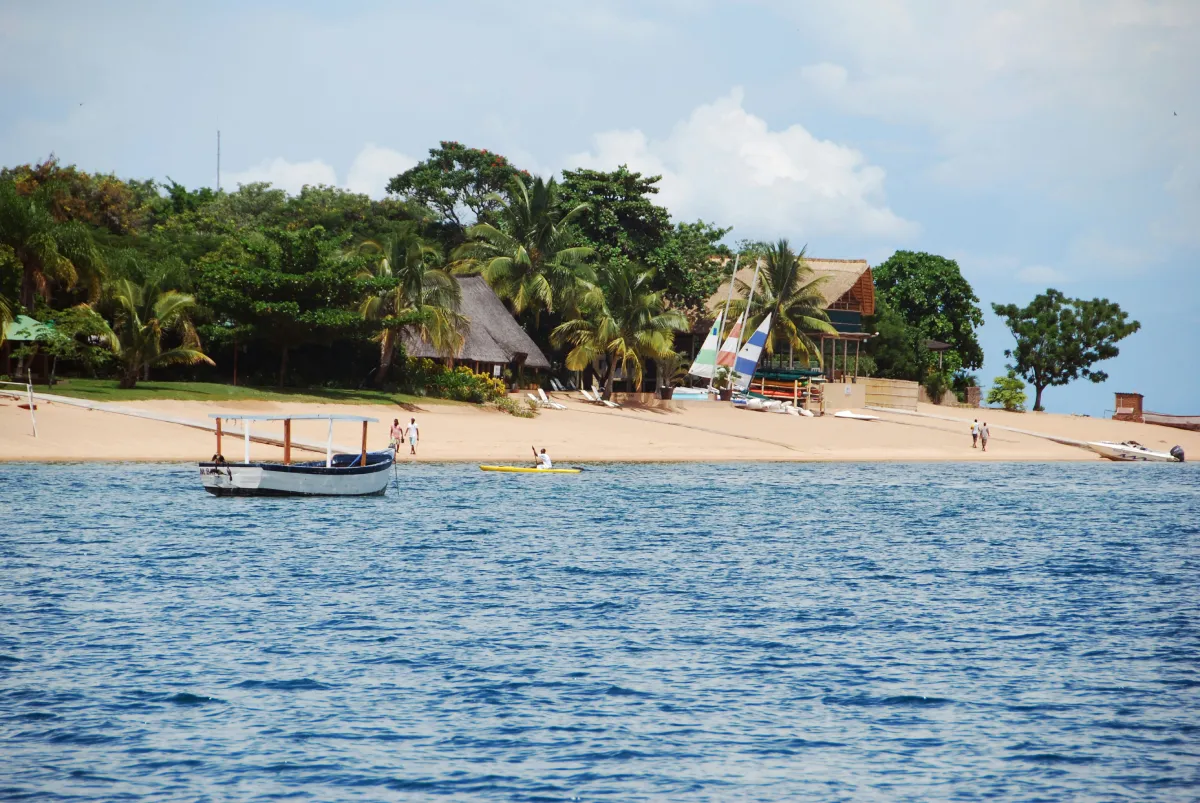
You hop off a dusty minibus, backpack slung over one shoulder, the scent of grilled maize still clinging to your clothes. The sun is warm, the breeze balmy, and right there in front of you: Lake Malawi, sparkling like someone spilled a giant bucket of aquamarine paint across the horizon. It shimmers, stretches, and sways—looking less like a lake and more like an ocean that just happened to forget the salt.

Behind you, the land rolls into green hills stitched with tea plantations and sleepy villages. Ahead lies water so wide your adventurous heart does a somersault. This isn’t just a place. It’s a feeling. And if you’re even remotely wired for exploration, it’s the kind of place that makes you want to pitch your tent, unplug, and never check your email again.
Lake Malawi is a freshwater giant tucked neatly into the heart of East Africa, a place that still feels untouched, raw, and genuinely welcoming. Whether you’re a curious wanderer chasing off-the-beaten-track thrills, a local in need of a weekend escape, or simply someone who believes travel should stir the soul, this lake’s got you covered—from barefoot beaches to underwater wonderlands.
What’s in This Adventure? Your Lake Malawi Travel Map
Where Is Lake Malawi? Geography, Access, and Borders
You know a place is special when three countries claim it. Lake Malawi—also known as Lake Nyasa in Tanzania and Lago Niassa in Mozambique—stretches roughly 580 km from its tropical top in Tanzania all the way to its mangrove-rich base in Mozambique. But the crown jewel belongs to Malawi, whose western shoreline feels like the beating heart of the whole lake.
And here’s something few travelers realize: this great inland sea is more than just a pretty face. At its southern tip, Lake Malawi quietly gives rise to the Shire River, which meanders southward into Mozambique before joining the mighty Zambezi River. So yes, when you paddle across its glassy surface, you’re technically tracing the headwaters of one of Africa’s greatest river systems.
And despite its remote reputation, getting here is half the fun.
Reaching Lake Malawi by Road
From Lilongwe, the road trip to Salima or Senga Bay takes about 4 to 5 hours. It’s an easy drive if you’re not distracted by every roadside vendor waving down your car with juicy mangoes or flaming skewers of goat meat. Blantyre? A bit longer—6 to 7 hours—but the landscapes shift from bustling towns to forested hills and sleepy villages, which is code for “make multiple photo stops.”
You’ll pass palm groves, kids balancing buckets on their heads, and maybe a goat or two blocking the road. Standard Malawian traffic.
Riding the MV Ilala
Feeling romantic? Skip the roads and hop on the MV Ilala—a creaky but charismatic ferry that’s been chugging across Lake Malawi since 1951. It departs Monkey Bay and heads north, making stops at Cape Maclear, Likoma Island, Nkhata Bay, and other lakeside gems. Picture wooden crates of tomatoes, live chickens in baskets, and children waving from the shore like you’re a long-lost relative returning home.
Sunset on the deck with a chilled soda (or something stronger) as the lake turns to gold? Unbeatable.
Why Lake Malawi Is a Freshwater Sea

Let’s be honest: calling this a “lake” feels like an understatement. With white-sand beaches, rolling waves, and a horizon that vanishes into sky, Lake Malawi gives the Indian Ocean a run for its money. It’s an inland sea in everything but name—and it has a secret beneath the surface that blows most oceans out of the water.
And here’s a bonus trivia gem for the geography geeks: while Lake Malawi might look landlocked, its waters don’t stay put. At the lake’s southern tip, they flow out via the Shire River, winding through Malawi and Mozambique before joining the mighty Zambezi River. That means the water beneath your paddleboard will eventually meet the same river that thunders over Victoria Falls—just far downstream, where the Zambezi stretches its legs on its way to the Indian Ocean.
Aquatic Wonderland of Cichlids

Underneath that dreamy blue surface swims the world’s most diverse collection of cichlid fish—over 1,000 species, most of which live nowhere else on earth. The Great African Lakes, particularly Lake Malawi, Tanganyika, and Victoria, are the undisputed global hotspot for these freshwater wonders. These little guys come in colors that would make a coral reef jealous: electric blue, neon yellow, fire orange, and combinations nature clearly had fun inventing.
Whether you’re floating face-down with a snorkel or diving deeper with a tank strapped on, swimming in Lake Malawi feels like flipping through a fish-themed kaleidoscope. No stings, no sharks, no stress—just you, the fish, and maybe a curious crab or two.
UNESCO-Protected National Park
Down south, the Lake Malawi National Park guards the lake’s most pristine corners—and not just underwater. Forested hills roll down to rocky bays, home to baboons, monitor lizards, and a chorus of tropical birds. It’s a UNESCO World Heritage Site for a reason: few places in the world combine biodiversity and scenery quite like this.
Bring your hiking boots. Bring your camera. Bring your inner Attenborough.
Cape Maclear: Where Chill Meets Adventure
If Lake Malawi were a mixtape, Cape Maclear would be its opening track—full of rhythm, a little bohemian, and instantly addictive. Known locally as Chembe, this backpacker-favorite has slowly matured into an eco-friendly haven that still knows how to let its hair down.
Paddle, Hike, and Dhow into the Sunset

Start your day by renting a kayak and paddling past tiny islands where herons perch and fishermen shout greetings in Chichewa. Up for a sweat? Hike to the local viewpoint—30 minutes of uphill determination rewarded with 360-degree lake views and a satisfying glisten of victory sweat.
As the sun begins to yawn, climb aboard a traditional dhow for a sunset sail. The stories your captain tells may or may not be entirely true—but the vibe? 100% unforgettable.
Bohemian Beachtown Banter
When night rolls in, beach shacks light up their charcoal braais, and the scent of grilled chambo (Malawi’s tastiest tilapia) wafts through the air. Order a taco, sip a Mosi beer, and fall into conversation with a fellow traveler who came for the weekend and stayed for a year.
If you’re lucky, there’ll be music—guitars, bongo drums, and a guy from Sweden who somehow learned to play the marimba after two beers.
Because that’s what Lake Malawi does: it turns casual plans into cherished stories.
Nkhata Bay: The Slow-Burn Sweetheart of Lake Malawi
Head north along the lake and you’ll eventually roll into Nkhata Bay, a town that doesn’t try to impress you—it just does. This is the kind of place that wraps you in a hammock, hands you a mango, and gently whispers, “Stay a while.” Think wooden chalets on stilts, waves lapping beneath your floorboards, and that one guy with a guitar who plays the same three chords every night—yet somehow, it’s always perfect.
Nkhata Bay is where you come when you’re not in a hurry. It’s not trying to be anything but itself, and that’s what makes it magical.
Wandering Through Village Life
Forget fancy sightseeing—it’s the ordinary that’s extraordinary here. Mornings start with walks through the nearby fishing villages, where dugout canoes line the shore and women in brightly patterned chitenje wrap fish in banana leaves with practiced elegance.
Stumble into the local market and you’ll be greeted with mountains of cassava, cheeky kids trying to sell you avocados twice their size, and vendors who will not let you leave until you’ve tried their mangoes, their groundnuts, and probably their cousin’s dried fish. Spoiler: they’re all delicious.
And don’t be surprised if a stranger walks up to shake your hand and ask where you’re from. In Nkhata Bay, small talk is a sport and everyone’s already rooting for you.
Diving Into the Blue
Just offshore, Lake Malawi puts on another kind of show. The cliffs around Nkhata Bay drop off into underwater canyons, home to schools of shimmering cichlids darting between boulders and caves like they’re late for a very glamorous appointment.
Whether you’re a seasoned diver or a curious newbie, local dive schools here are relaxed, professional, and very good at convincing you that yes, you absolutely need to see the world from 15 meters below. With visibility often topping 20 meters and no strong currents to battle, it’s freshwater diving at its finest—just you, your bubbles, and a technicolor dreamscape.
After your dive, head back to shore for a plate of steaming nsima served with smoked fish and spicy tomato relish. It’s hearty, it’s humble, and it tastes like you earned it.
Likoma Island: A Slice of Castaway Luxury
If Lake Malawi had a secret password, it would be “Likoma.” Tucked near Mozambique’s border (but proudly Malawian), this remote island is a place where time politely excuses itself. Life here moves to the rhythm of the waves—slow, gentle, undisturbed.
The ferry pulls in with a groan, and you step off into a world of red-dust paths, barefoot children racing alongside bicycles, and colonial churches that seem wildly oversized for a place where goats outnumber people. And just when you think you’ve seen it all, someone mentions there’s a 100-year-old cathedral on the hill. Because, of course there is.
Why Likoma Feels Like Another Planet
There are no crowds. No chain hotels. No traffic. Just you, a hammock, and the kind of silence that makes you hear your own heartbeat. And then there’s the lake—Lake Malawi in all its barefoot glory, stretching in every direction like it’s trying to impress you (and succeeding).
- Sunset dhow rides? Absolutely.
- Snorkeling with more cichlids than you can count? You bet.
- Mid-afternoon siestas under mango trees? Mandatory.
Cultural Curiosities and Cathedral Surprises
St. Peter’s Cathedral is a brick-and-stone behemoth that wouldn’t look out of place in Oxford—yet here it is, on an island with dirt roads and more bicycles than cars. Climb the bell tower for the best views of Lake Malawi, then wander down to the market where fishermen sell their morning catch and locals sell everything from fried cassava to flip-flops that may or may not match.
If you’re lucky enough to stay overnight, opt for one of the island’s eco-luxury lodges. Hammocks, private decks, candlelit dinners on the beach… the works. It’s the kind of place that redefines “remote working” (if you absolutely must check emails, which you shouldn’t).
Monkey Bay & Senga Bay: Easy Weekend Escapes
Back on the mainland, Lake Malawi continues its magic in two places that are perfect for last-minute getaways and spontaneous road trips: Monkey Bay and Senga Bay.
Monkey Bay: Gateway to the Lake’s Wild Side
Monkey Bay has a name you’ll remember and a pace you’ll fall in love with. It’s not flashy, and it’s not trying to be. But it is real. Locals paddle dugout canoes out at dawn. Kids splash in the shallows with an infectious kind of joy. It’s a living postcard, slightly frayed around the edges, which makes it even more charming.
From here, the lake opens up into reef-filled coves where snorkeling becomes a meditative ritual. Expect crystal-clear water, sunburned shoulders, and more fish than you can shake a waterproof camera at.
And when you’ve had your fill of aquatic adventures, come back to shore for grilled chambo skewers, icy sodas, and a nap in the shade. You’ve earned it.
Senga Bay: Lakeside Leisure with Just the Right Buzz

If Monkey Bay is the charming uncle who tells long fishing stories, Senga Bay is the cousin who shows up with board games, a cooler, and a Bluetooth speaker. It’s relaxed, friendly, and slightly more polished—but in that laid-back, lakeside kind of way.
Here, Lake Malawi offers paddleboarding, soft-sand beaches, and sunsets that make you involuntarily whisper “wow” under your breath. Resorts dot the shoreline, ranging from simple thatched cottages to breezy villas with infinity pools.
Things to Do Around Senga
- Paddleboarding at sunrise. Trust us: balancing on a board while fish jump around you is a core memory waiting to happen.
- Village visits and homestays. Spend a night in a nearby community. Learn how to cook nsima, share stories, dance awkwardly—then dance a little more.
- Fishing market madness. If you’ve never seen 300 people arguing over the same bucket of tilapia, welcome to Senga’s fish market.
These towns may not have the polish of Cape Town or the buzz of Zanzibar, but that’s the whole point. They’re real, unfiltered, and full of those unplanned moments that end up being the best part of your trip.
Life on the Lake: Stories, Smiles, and Fried Fish
Lake Malawi isn’t just a body of water. It’s a life source, a meeting point, and for many, a way of living. The shoreline is dotted with villages where boats are carved by hand, meals come from the morning’s catch, and kids grow up thinking the entire world smells faintly of fish and sunshine.
The People of the Lake
They call Malawi “The Warm Heart of Africa” for good reason—and you’ll feel it the moment someone waves at you just because you exist. Conversations come easy here. You might sit down to buy a mango and end up hearing about someone’s cousin who moved to Mzuzu and now owns a bar with a jukebox that only plays Lionel Richie. It’s all part of the charm.
Food, Glorious Food
Chambo is the Beyoncé of the lake. You’ll see it everywhere: grilled whole, fried in strips, or stuffed in tacos with mango and chili. Nsima (the staple maize porridge) is served with everything, and if you’re lucky, your host might throw in fried cassava or a side of hot, smoky beans.
Also, try the local gin. It might change your evening. Or your morning.
Music, Markets, and Movement
Evenings are for music. Not the blaring kind—though that exists too—but the soulful strumming of a guitar, the tap of a foot drum, the hum of a song you don’t know but somehow recognize.
Markets hum during the day, especially on the weekend. They sell fresh fruit, fried snacks, and woven baskets sturdy enough to survive five years of grocery runs back home.
What to Do on and Around Lake Malawi
If you think Lake Malawi is just about dipping your toes in and gazing wistfully into the distance, you’re in for a surprise. Sure, there’s plenty of lazing to be done, but this lake is also an activity goldmine for those of us who get itchy feet after two hours on a sun lounger.
Snorkeling and Diving in a Living Kaleidoscope
Put on a mask, snorkel, and a slightly-too-tight life vest and prepare to float above the most dazzling aquarium this side of the equator. The cichlids here aren’t just colorful—they’re unapologetically fabulous. Electric blues, firey reds, golden stripes… they dart between rocks like confetti at an underwater parade.
Prefer to go deeper? Dive centers in Nkhata Bay and Cape Maclear offer courses and guided dives down into the underwater crevices of Lake Malawi. With visibility often exceeding 20 meters and no jellyfish or currents to worry about, it’s one of the best freshwater dive experiences in Africa—maybe even the world.
Paddleboarding, Kayaking, and Dhow Sailing
This lake was made for paddling—literally. Calm, warm water and countless coves make it ideal for kayak safaris. From Cape Maclear, you can paddle out to Domwe Island and camp overnight like a true nomad of the waves. If you’re more “balance optional,” paddleboarding is a zen-like joy when the water turns to glass at dawn.
But for full-on old-world romance, nothing beats a sunset dhow cruise. Sailors hoist giant triangular sails by hand, you lean back on a pile of cushions, and the lake delivers a pastel lightshow that somehow makes you believe in magic again. No playlist needed—the wind does all the singing.
Hiking and Exploring Inland

Once you’ve had your fill of floating, stretch those legs. Trails in Lake Malawi National Park snake through miombo woodlands and granite hills, where you might spot bushbuck, baboons, and a surprising number of butterflies. The viewpoints above Cape Maclear and Nkhata Bay serve up panoramas that demand a deep breath and a long pause.
Further inland, explore craft markets and fishing villages where life unfolds with quiet rhythm. The locals might not understand why you’d voluntarily walk uphill for fun—but they’ll still point you in the right direction, usually with a laugh and a mango.
Camping and Off-Grid Escapes
Whether you’re sleeping under the stars on Likoma Island or setting up camp in a quiet cove near Monkey Bay, Lake Malawi was made for outdoor sleeping. There’s something deeply satisfying about falling asleep to the sound of water lapping the shore, with fireflies dancing above your tent and the occasional curious frog inspecting your gear.
Most campsites have basic facilities and million-dollar views. Pack light, bring snacks, and don’t forget a headlamp. You’ll need it when you can’t find your flip-flops in the sand after one too many sundowners.
Travel Tips for Lake Malawi
Lake Malawi is refreshingly low-fuss, but a little prep goes a long way. Here’s what you need to know before you dive in (sometimes literally).
Health & Safety
- Malaria: It’s present, so bring repellent and sleep under a net. Antimalarials are optional but worth considering for longer trips.
- Bilharzia: It’s a freshwater parasite that exists in some parts of the lake. Stick to busy, well-frequented beaches (especially near Cape Maclear and Likoma) and ask locals where it’s safe to swim.
- Cash is king: ATMs exist but can be unreliable. Bring enough cash, especially for Likoma and remote villages.
- Local SIMs: Airtel and TNM are your go-to networks. Coverage is decent in most towns, but Likoma gets patchy.
Cultural Smarts
- Dress modestly in villages: Swimwear is fine at lodges and beaches, but bring a sarong or T-shirt when heading into town.
- Learn a few words of Chichewa: “Moni” (hello) and “zikomo” (thank you) will get you smiles everywhere.
- Buy local, stay local: Support community-owned lodges, guides, and markets. Your kwacha go further when spent thoughtfully.
- Bartering is part of the fun: Don’t be afraid to negotiate—but keep it friendly. A good-natured haggle often ends in laughter.
Where to Stay on Lake Malawi
Accommodation around Lake Malawi is delightfully diverse—whether you want rustic hammocks and campfire dinners or private decks and poolside cocktails.
Budget and Backpacker
- Mayoka Village (Nkhata Bay): Quirky, social, and set into the hillside, this lodge is perfect for travelers who want a community vibe with diving, kayaking, and hammocks in the trees.
- Thumbi View Lodge (Cape Maclear): A classic backpacker base with lakefront views, cold beer, and rooms that won’t bankrupt your travel fund.
Mid-Range Gems
- Mgoza Lodge (Cape Maclear): Beachfront chalets with easy access to the park and a cozy restaurant that serves killer lake-to-plate chambo dishes.
- Chinteche Inn (Northern Lakeshore): Bright and breezy rooms, lovely gardens, and a quiet beach perfect for early morning swims.
Splurge-Worthy Escapes
- Kaya Mawa (Likoma Island): The stuff of barefoot luxury dreams—think cliff-perched villas, plunge pools, and meals served under the stars.
- Pumulani Lodge (Cape Maclear): Designed by the people behind Kaya Mawa, this hilltop haven offers panoramic views, impeccable service, and private beach access that feels… cinematic.
Why Lake Malawi Is the Soul-Stirring Journey You Didn’t Know You Needed
Some places beg to be seen. Others quietly wait to be found. Lake Malawi is the latter. It doesn’t shout. It whispers. And once you listen, it’s hard to walk away unchanged.
Maybe it’s the cichlids that glitter like gemstones. Maybe it’s the fishermen who wave with both hands. Maybe it’s the sunsets that make you forget what day it is. But something about this place gets under your skin—in the best possible way.
So, if you’re craving more than just a pretty view—if you’re chasing experiences that surprise, humble, and stir something deep inside—then pack your bag. Don’t overthink it. Bring your curiosity, a good pair of sandals, and an open heart.
Lake Malawi is waiting.
-

Coral and Trade Winds: Uncovering East Africa’s Swahili Cities
The East African coast doesn’t just brush up against the Indian Ocean—it dialogues with it. It’s a place where salt air carries tales of emirs and sultans, where the crumbling walls of long-forgotten kingdoms whisper in Swahili, and where the tides have pulled in traders, mystics, and adventurers from across the seas for over a millennium.
This isn’t your average beach holiday territory. This is the ancestral shoreline of the Swahili cities—a chain of shimmering settlements that once ruled a maritime civilization stretching from modern-day Somalia all the way to Mozambique. Some of these cities still breathe with life, charm, and chaos. Others lie in sun-bleached ruins, half-swallowed by jungle and myth, waiting for the curious to rediscover them.
Coral-stone alleyways still echo with footsteps of merchants and poets. Timeworn relics bear the marks of sultans, traders, and African kings. From the last living towns to the most forgotten ruins, each Swahili city offers a story not just of trade and architecture, but of identity, legacy, and quiet resistance to time itself.
And so begins the journey—where history is still very much alive.
Lost and Living Swahili Cities of the East African Coast
The Living Swahili Cities – Where Past and Present Still Dance
Lamu: Where Time Took a Nap and Forgot to Wake Up

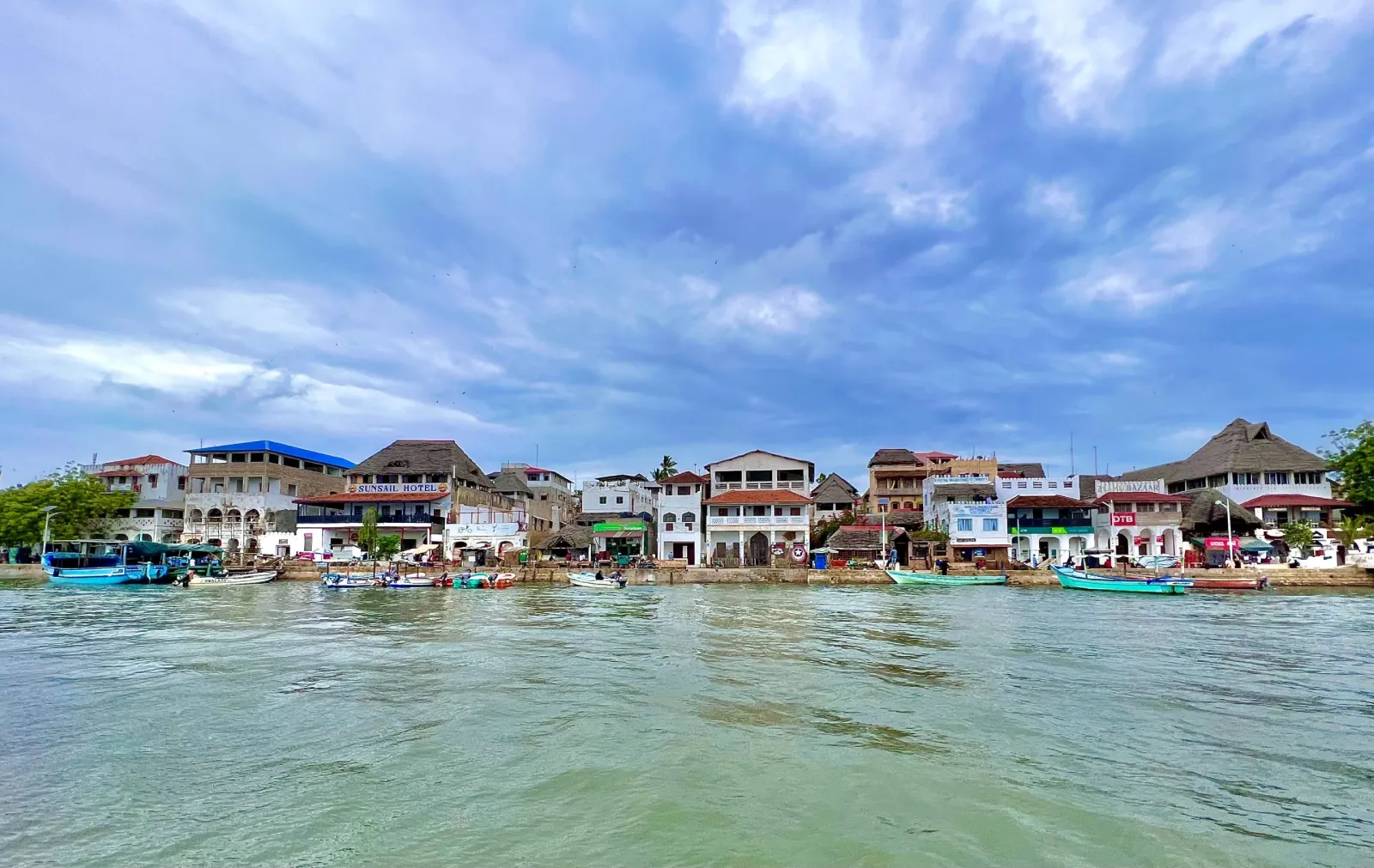
Lamu Town’s coral-stone alleyways and carved wooden doors whisper centuries of Swahili heritage—where donkeys still outnumber cars and time moves to the rhythm of the tides. There are Swahili cities that fell to ruin. Then there’s Lamu—a place that refused to fall. This ancient settlement, nestled on Kenya’s northern coast, is arguably the last great Swahili city still standing tall. Founded around the 14th century and recognized as a UNESCO World Heritage Site, Lamu is a kaleidoscope of coral-brick houses, winding alleys, wooden balconies, and centuries-old mosques. The only wheels in town belong to wheelbarrows—because the city has no cars. Instead, donkeys rule the streets with all the slow, majestic authority of retired generals.
What makes Lamu so captivating isn’t just its architecture or spice-scented air—it’s the living, breathing Swahili culture. Locals still recite poetry in the old dialect. Women craft intricate henna patterns during weddings. The Maulidi Festival, celebrating the Prophet’s birth, transforms the town into a spiritual celebration of music, dance, and poetry. And all of this happens beneath the same carved wooden doors and coral facades that watched Portuguese and Omani sultans sail in centuries ago.
If you’re looking for authenticity, Lamu doesn’t perform it—it is it.
Mombasa: A Swahili City Wrapped in Layers of Civilization

Mombasa’s Old Town blends centuries of Swahili, Arab, and Portuguese influence—where carved balconies lean over narrow lanes and Fort Jesus still guards the stories of a city once called Mvita. Mombasa wears its age like a patched tapestry—frayed in places, glorious in others, but stitched from history so rich it’s practically gold-threaded. Thought to be founded as early as the 10th century, this coastal city has been home to emirs, invaded by the Portuguese, claimed by the Omani sultanate, and later courted by European colonizers. Today, Mombasa pulses with the energy of a modern port but still smells like cardamom and salt, and sings in the lilting tones of coastal Swahili.
Fort Jesus stands like a coral sentinel over the old harbor—a UNESCO-listed relic built by the Portuguese in 1593, later taken over by Omanis, and then the British. Once known as Mvita, this Swahili city has seen centuries of conquest and coexistence. Mombasa’s Old Town, with its faded balconies and carved doors, offers a quieter kind of wonder, while the call to prayer from the Mandhry Mosque—one of the oldest on the East African coast—reminds visitors that the spirit of Islam has long been stitched into the city’s identity.
It was here, according to local legend, that Vasco da Gama referred to Mombasa as “a town of devils.” The devil, clearly, had impeccable taste in cities.
Stone Town, Zanzibar: Coral Palaces and Clove Breezes

Above Stone Town, coral rooftops and slender minarets sketch the skyline of a Swahili city built on trade, faith, and ocean winds. Zanzibar’s Stone Town is less a place and more a dream made of coral, wood, and clove-scented air. Once the capital of the Sultanate of Zanzibar and a hub of Indian Ocean trade, Stone Town is a Swahili city with an Arabian heartbeat and African soul.
Its alleyways twist and turn like a labyrinth designed by poets. As you wander past the House of Wonders (Beit al-Ajaib), peek into the Old Dispensary, or visit the Palace Museum, you’re stepping through centuries of Swahili culture, Arab opulence, and European ambition.
But Stone Town’s true power lies in its subtle magic. It’s where you can hear Taarab music echoing off walls at sunset. Where fishermen chant as they pull in the day’s catch. Where the shadows of ancient sultans and Indian traders seem to linger in the spice-laden air.
And yes—this was also the birthplace of a certain Farrokh Bulsara, better known as Freddie Mercury. Zanzibar’s gift to rock ‘n’ roll history.
Bagamoyo: A City That Refused to Fade

Bagamoyo is where the threads of memory fray and tug at your soul. Once a thriving Swahili city and capital of German East Africa, it was also a major port in the slave and ivory trades. The name itself means “lay down your heart,” a haunting reference to enslaved peoples departing for the Middle East.
What’s left now are weathered buildings from the German colonial era, silent forts, an abandoned Catholic mission that once hosted David Livingstone’s body en route to Westminster Abbey, and a crumbling port that once bustled with dhows.
And yet Bagamoyo refuses to vanish. Artists, dreamers, and scholars have begun to trickle back, giving the town a sleepy but growing second life. It’s not Lamu. It’s not Mombasa. But it’s raw, real, and rumbling with memory.
The Ghosts of the Coast – Lost and Ruined Swahili Cities
Once upon a tide, a constellation of Swahili cities stretched along the coast of East Africa, from Somalia to Mozambique. Some were rich in gold, others in ivory or enslaved labor, but all were rich in culture and ambition. These were not mere trading posts—they were full-fledged settlements, with mosques, royal palaces, and coral mansions. They minted their own coins, crafted intricate inscriptions in Arabic and Swahili, and attracted kings, sultans, and merchants from India, Persia, and Arabia.
Today, many lie in crumbled silence, but their stories still linger in the stonework—and in the sea breezes that rustle through baobabs and acacias.
Kilwa Kisiwani – A Coral Crown Once Gilded in Gold
If the Swahili civilization had a capital, Kilwa Kisiwani was it. Located off the coast of southern Tanzania, Kilwa flourished between the 13th and 15th centuries and was once one of the most powerful city-states on the entire Indian Ocean rim. From here, trade routes reached deep into the African interior, drawing in gold from Great Zimbabwe, ivory from the southern savannas, and enslaved people destined for distant lands.
Its Great Mosque, built in the 11th century, was the largest in sub-Saharan Africa at the time and one of the earliest to incorporate a domed roof. The Husuni Kubwa palace—part fortress, part royal residence—was once a marvel of coral and grandeur.
Ibn Battuta, the Moroccan explorer who never found a coastline he didn’t want to sail, visited Kilwa in 1331 and called it “one of the most beautiful cities in the world.”
Today, Kilwa is a UNESCO World Heritage Site, its coral ruins stark against a backdrop of turquoise sea and bright sky. And yet, despite its past glory, few travelers make it this far south. Those who do often have the ruins entirely to themselves—and the ghosts.
Gedi Ruins – The Jungle-Swallowed Mystery Near Malindi

At Gede, moss-covered walls and silent courtyards hint at a Swahili city once rich with trade, now swallowed by forest and mystery. If Kilwa was the crown, Gedi was the secret gem. Located inland from the Kenya coast, hidden in dense forest, the Swahili city of Gedi thrived between the 13th and 17th centuries. Unlike many of its coastal siblings, Gedi wasn’t directly on the water—but that didn’t stop it from becoming a flourishing hub of trade and architecture.
Its layout reveals a settlement with sophisticated infrastructure: coral houses with bathrooms and internal wells, an intricate mosque complex, and a fortified wall suggesting a town wary of invaders—or perhaps hiding from them.
No one quite knows why Gedi was abandoned. Theories abound: a shift in trade routes, conflict with neighboring kingdoms, or the looming threat of Portuguese expansion. Local lore adds a more colorful possibility—curses and spirits protect the site to this day.
You don’t have to believe in ghosts to feel the eeriness here. But it helps.
Takwa – A Sacred Silence on Manda Island

Takwa, on Kenya’s Manda Island opposite Lamu, is not your typical ruin. For starters, it’s mostly uninhabited, accessible only by boat, and veiled in an almost spiritual hush.
Established in the 15th century, this Swahili city was relatively modest but spiritually significant. Its mosque—with a well-preserved mihrab and minbar—still stands with regal simplicity, and many Swahili families from Lamu consider it a pilgrimage site. Each year, some sail across the channel to honor ancestors buried in Takwa’s coral tombs.
Local stories tell of inter-clan conflict and water shortages forcing the residents to flee. The result is a place frozen in time, hemmed by mangroves and haunted by a kind of sacred nostalgia.
Mnarani – The Watchtower Above Kilifi Creek

Perched above Kilifi Creek, the Mnarani Ruins offer dramatic views and dramatic stories. Established in the 14th century, this Swahili site includes two coral-stone mosques, a cemetery of intricately carved tombs, and panoramic views of the Indian Ocean.
Mnarani may not have been the largest or most powerful, but it served as both a spiritual and navigational anchor for the region’s coastal settlements. Its high cliffside perch likely made it a lookout, too—a place where the arrival of dhows would have been signaled long before the harbor felt their sails.
Anecdotally, elders speak of ancient imams buried here whose spirits still protect the hilltop from desecration.
Jumba la Mtwana – The Tide-Touched Slave Town
Roughly translating to “the large house of the slave,” Jumba la Mtwana sits just north of Mombasa near Mtwapa Creek. It was likely a small but active 14th-century Swahili city, built unusually close to the shoreline. The remains of coral houses, mosques, and water wells sit in haunting symmetry along the beach, half-overtaken by roots and sea air.
There’s little written about Jumba, but local tradition suggests it was linked to the slave trade, possibly abandoned due to Portuguese attacks or shifting political fortunes. Today, baobabs grow through its courtyards, monkeys scamper through half-open doorways, and the place holds an almost cinematic stillness—like a set waiting for a ghost to appear.
It’s a lesser-known site, but few places combine beauty and tragedy so eloquently.
Kua – Mafia Island’s Lost Kingdom
Kua, nestled on Mafia Island’s Chole Bay, was once a thriving Swahili city—perhaps the most powerful on Mafia. Dating from the 13th to 18th centuries, it featured a royal palace, elaborate mosques, coral homes, and a reputation as a gateway between the interior and the sea.
Portuguese cannons and pirate raids are thought to have triggered its collapse. What remains are moss-covered walls, tumbled gates, and hints of grandeur being slowly eaten by vines and sea air.
Modern Mafia Island is better known for whale sharks and coral reefs—but those who step ashore at Kua will find the bones of a forgotten kingdom, and the breeze might just carry the sound of old Swahili chants.
Tumbe, Chwaka, and Shanga – Silent Sisters of the Northern Coast
Tumbe – Pemba’s Forgotten Commercial Heart
Tucked along the northern edge of Pemba Island lies Tumbe, a once-vibrant Swahili city whose name now barely ripples through history books. In the 11th to 14th centuries, Tumbe was a commercial force, thriving on maritime trade with merchants from Arabia, Persia, and even the Indian subcontinent.
Excavations reveal pottery from China, glass beads from the Middle East, and local ironwork, indicating Tumbe’s pivotal role in global exchange. The city was one of the earliest known on Pemba and is thought to have housed a palace or noble compound. But by the 15th century, Tumbe faded—its coral walls giving way to jungle and wind.
Today, local villagers tread paths that run through its ruins. Some believe their ancestors were part of a once-glorious kingdom, and oral traditions still reference the ghosts of lost royalty.
Chwaka – Another Pemba Whisper from the Past
Further south on Pemba’s coast lies Chwaka, a Swahili site that, like Tumbe, played its part in the mosaic of trade, culture, and seafaring life. Chwaka was inhabited between the 13th and 16th centuries and featured a mosque and several stone structures, now reduced to skeletal remains.
Not to be confused with Chwaka Bay on Unguja, this Chwaka is less visited and less preserved—but no less historically significant. It may have served as a sister port or spiritual refuge in a network of interconnected settlements across the archipelago.
As with many Swahili cities, Chwaka didn’t fall to war or natural disaster. It simply faded—like a candle slowly flickering out once the trade winds changed course.
Shanga – The Hidden Legacy Beneath Pate Island
Shanga, located on Pate Island in the Lamu Archipelago, is one of the oldest Swahili settlements ever discovered, dating as far back as the 8th century. Its remains tell an extraordinary tale: that of an early Islamic city where Arabic script adorned tombs and coral-stone mosques predated many of the more famous ruins.
Here, the fusion of indigenous Bantu and imported Islamic elements is tangible. Shanga is physical proof that the Swahili civilization was never a simple offshoot of foreign influence—it was a cultural alchemy between African ingenuity and global connection.
Shanga was mysteriously abandoned around the 15th century. Excavations have unearthed intricate jewelry, glassware, and beautifully inscribed gravestones. Today, all that remains is a tangle of broken coral, the occasional unearthed coin, and the eerie silence of a town that once prayed five times a day.
Local legend claims the spirits of scholars and sultans still linger in the seabreeze. Whether you believe that or not, Shanga is one of the most spiritually evocative places you’ll find on the Swahili coast.
Other Scattered Ghosts – Lesser-Known Swahili Settlements in Kenya and Tanzania
Beyond the well-known ruins and UNESCO darlings, the Swahili civilization left behind dozens of smaller, fragmentary cities and settlements—each with its own footprint in coral and history.
In Kenya:
- Ungwana (Tana Delta): Believed to have had a vibrant community and early mosque foundations.
- Mkama Ndume (Vumawimbi): Known for its fortress-like coral walls and dramatic name, which means “Mr. Harsh Man.”
- Ngomeni (north of Malindi): A fishing village with submerged ruins, possibly lost to coastal erosion or sea-level rise.
- Faza (Pate Island): Still inhabited today, with an Old Town atmosphere and links to Swahili royal lineages.
- Mwana and Mwamtani: Sparse ruins near Mombasa, sometimes noted in oral histories.
In Tanzania:
- Kaole (near Bagamoyo): Home to two ancient mosques and over 20 coral tombs, Kaole was active from the 13th century and may have once been a rival to Bagamoyo.
- Kunduchi (north of Dar es Salaam): Containing the remains of a mosque and notable stone pillar tombs.
- Tongoni (near Tanga): Known for its vast graveyard and a mosque that once hosted travelers from across the seas.
- Msuka (Pemba): A minor Swahili site, with fragments of early coastal culture hidden in mangroves.
These sites rarely appear on travel brochures or glossy UNESCO maps. But for authenticity seekers and amateur archaeologists, they offer something better: the thrill of unfiltered discovery.
The Role of Swahili Cities in the Indian Ocean Trade
A Civilization of Coral and Commerce
The Swahili cities weren’t isolated fishing villages—they were nodes in a vast and ancient web of commerce that extended from the African interior to the Arabian Peninsula, India, Persia, and China. These were maritime kingdoms built not on blood but on barnacles and barter.
Trade goods included:
- From the interior: Gold, ivory, slaves, iron, animal hides, timber.
- From overseas: Ceramics, silk, glass beads, spices, incense, and coins.
Every monsoon season, dhows would sail into harbor, heavy with goods and gossip, their triangular sails like white wings crossing cultures. These weren’t just trading centers; they were cultural hearths, where African, Arab, Persian, and Indian identities fused.
As a result, Swahili culture evolved into something utterly unique. The Swahili language, a Bantu base with Arabic infusion, became the lingua franca of the coast. Architectural styles incorporated coral limestone, mangrove beams, carved wooden doors, and courtyards arranged for both privacy and spiritual contemplation.
Political and Spiritual Hubs
Each Swahili city was typically governed by a sultan, often with lineage tracing to Oman, Persia, or Yemen—though ruling power was deeply entwined with local clans. Some cities formed loose confederations; others fought bitter rivalries.
Mosques weren’t just places of worship—they were symbols of legitimacy and prestige. To build a mosque in coral was to assert authority and piety. Many mosques were modest in size but grand in meaning. They helped bind the civilization through a shared Islamic identity that coexisted with local beliefs and traditions.
Some cities, like Kilwa and Zanzibar, even minted their own currency, asserting their independence and economic might.
Why These Cities Mattered—and Still Do
Cultural Continuity and Revival
While the coral walls of many Swahili cities have crumbled, the cultural DNA remains intact. Lamu, Zanzibar, and parts of Mombasa still carry the rhythms of Swahili life—call to prayer echoing through narrow streets, henna-painted hands during wedding celebrations, Swahili poetry recited in shadowed courtyards. Across the coast, there’s a quiet but passionate movement to revive this heritage. Young artisans carve traditional doors in Lamu. Scholars in Zanzibar are reprinting ancient Swahili manuscripts. In Bagamoyo, festivals now celebrate not colonial memory but indigenous brilliance. In a world hooked on speed, the Swahili coast offers something increasingly rare: cultural depth experienced at human pace.
Lessons from Ruins
The silence of Takwa. The faded elegance of Kilwa. The tangled mystery of Gedi. These ruins aren’t just architectural leftovers—they’re stories about impermanence, power, and identity. Each ruined Swahili city is a reminder that civilizations thrive and fade, often quietly. Some were brought down by conquest or trade collapse. Others simply vanished with the tides. Yet their ruins now serve as classrooms without roofs. They teach us about sustainable coastal living, about the architecture of belief, and about African cosmopolitanism that existed long before European boots hit the beach. And they stand as open invitations for cultural explorers to walk with ghosts—and maybe learn from them.
Practical Travel Tips for Cultural Explorers
How to Visit the Still-Inhabited Swahili Cities
Start with Lamu for living culture. There are daily flights from Nairobi to Manda Airport, followed by a dhow or boat ride to Lamu Town. Stay in restored Swahili houses or beachfront guesthouses. In Zanzibar, Stone Town is walkable and alive with sensory delights—book a walking tour to peel back the layers. For Mombasa, Old Town is best explored early in the morning, before the crowds and heat set in. Speak some Swahili if you can; even a few words go a long way. Dress modestly—these are still deeply spiritual towns. Ask before photographing people or private homes.
Visiting the Ruins Respectfully
Many Swahili ruins are sacred spaces. Even in decay, they command respect. Wear respectful clothing, especially when visiting former mosques or cemeteries. Some sites, like Kilwa and Gedi, have entry fees and local guides—hire them. Not only does it support the local economy, it also adds layers of context you’d miss on your own. Don’t climb on tombs or mosques. Avoid loud music or behavior. And don’t pocket pottery shards or beads. They belong to the past—and to the people who still claim it.
Off-the-Beaten-Path Adventures
If you’re hungry for more than tourist trails, hire a dhow and go ruin-hopping. From Lamu, you can reach Takwa in under an hour, ideally timed with the tides. On Mafia Island, arrange with local guides to visit Kua by canoe or kayak. For the northern coast of Kenya, connect with historians or NGOs working in places like Ungwana or Mkama Ndume. These aren’t polished destinations, but that’s the point. They’re stories still being uncovered, and you’ll return with tales no guidebook could script.
In Search of Lost Time by the Indian Ocean
The Swahili cities weren’t built on conquest or cathedrals—they were built on coral, wind, and trade. They were civilizations that hummed with poetry, prayer, and conversation. They reached across the Indian Ocean while staying rooted in Africa. And though many have fallen silent, they are far from forgotten. For cultural explorers, they offer more than photo ops. They offer intimacy with history. You walk their streets and hear echoes: of kings who ruled from coral palaces, of sultans who prayed in sea-facing mosques, of merchants who once crossed oceans in dhows heavier with stories than spice. These are cities where the past doesn’t just linger—it leans in and invites you to listen.
-

Africa’s Best Beaches: Wild Escapes, Secret Shores, and Sun-Drenched Magic
Africa doesn’t just do beaches. It defines them. From the salty breeze curling off the Indian Ocean in Zanzibar to the thundering Atlantic waves that batter Namibia’s Skeleton Coast, this continent offers more than places to tan—it offers stories. Sun-drenched stories where the sand tells tales of Swahili sailors, Portuguese explorers, colonial ghosts, reggae rhythms, and barefoot dreams.
And it doesn’t stop there. Want silky white sands with turquoise water? Done. Prefer wild beaches where elephants stroll past the surf? Sure. Looking for a hidden island with no roads, no Wi-Fi, and possibly no concept of time? Africa’s got that too.
Some of the continent’s beaches are world-famous. Others are the kind whispered between hammock-dwellers and passport-stamped wanderers in airport bars. Whether you’re here to sip from a coconut and forget what day it is, scuba with whale sharks, sway to a beachside drum circle, or stare slack-jawed at a coastline that looks like it was rendered by AI (but better)—you’re in the right place.
This isn’t your average listicle. This is the ultimate guide to beaches in Africa, crafted with actual sand between the lines. We’ve broken it down by traveler type—because not all beach bums are built the same. First up: the classic beach lover. These are the spots where time melts like sunscreen, and all you need is a towel, a breeze, and something cold in your glass.
Let’s dive in.
Sands of the Continent
For the Classic Beach Lover
Nungwi Beach – Zanzibar, Tanzania
Where the Sunset Feels Like It Was Made Just for You

Nungwi – powdery beaches, calm turquoise waters, and dhow sunset cruises that turn evenings into magic If beaches had royalty, Nungwi would wear a crown of coral and a robe made of sunsets. Tucked into the northern tip of Zanzibar Island, this beach blends traditional dhow charm with laid-back luxury—and somehow manages to avoid the tourist overload its beauty deserves.
Beach Conditions
The sand at Nungwi Beach is ultra-fine, silky, and powder-white—so soft it feels like walking on sifted flour. The beach stretches wide and clean, almost entirely sandy with minimal rocky interruptions, making it ideal for long barefoot walks. Cleanliness is top-notch, thanks to daily upkeep by resorts and local efforts. The water remains shallow for the first ten to fifteen meters before gradually deepening, creating ideal conditions for casual swimmers and waders. Offshore reefs protect the beach from strong waves, keeping the water calm and inviting. Sea urchins are minimal and rarely seen near shore, especially around the resort areas, while visibility is crystal clear—perfect for casual snorkeling just off the beach.
What to Do
Sailing on a sunset dhow cruise is a must here. The experience usually comes with live drumming, storytelling, and a splash of spiced rum. Swimming is excellent all day, with less extreme tidal shifts than other parts of the island. You can also stroll along the beach and browse handmade crafts from local hawkers—bracelets, paintings, and carvings with a Swahili touch. A visit to the nearby Nungwi Aquarium offers the chance to see sea turtles being rehabbed and released, supporting marine conservation efforts.
Where to Stay
Zuri Zanzibar is the standout choice—an elegant, eco-conscious resort that blends luxury with local culture. If you’re seeking nightlife and a vibrant crowd, Kendwa Rocks (technically just around the bend) hosts one of Zanzibar’s most famous full moon parties. For mid-range comfort, Langi Langi offers rooftop dining, ocean views, and a peaceful atmosphere just steps from the shore.
Where to Eat
The Jetty offers a truly magical dining experience, with candlelit tables right over the water and seafood platters that redefine the term “fresh catch.” For something quieter and more refined, Le Macis delivers thoughtful French-Zanzibari fusion dishes in a peaceful garden setting. And for the best beachfront pizza on the island—seriously—head to Mama Mia. It’s relaxed, reliable, and always buzzing with happy beachgoers.
Nearby Attractions
Stone Town is just an hour’s drive away and well worth the detour. This UNESCO World Heritage Site is full of spice markets, narrow alleys, and centuries-old Swahili architecture. If you want to engage all five senses, take a Spice Farm tour through groves of cinnamon, clove, nutmeg, and vanilla. It’s a fragrant, flavorful deep-dive into the agricultural roots of the island.
Diani Beach – Kenya
A Slice of the Indian Ocean That Could Make the Maldives Jealous

Diani’s golden hour—where soft sands, swaying palms, and fiery skies turn every sunset into a slow, unforgettable exhale. With its seventeen kilometers of powdery coastline, Diani Beach is Kenya’s quintessential beach paradise. It’s where the Indian Ocean lazily laps against the shore, palm trees lean dramatically for photos, and beach life runs on a schedule set by the sun, not the clock. This is a place where you can do as much—or as little—as you please, in an atmosphere that’s equal parts barefoot luxury and Kenyan soul.
Beach Conditions
The sand at Diani Beach is fine-grained, flour-soft, and blindingly white—so pristine it looks like it was filtered through Photoshop. The beach stretches out in one uninterrupted sweep, with no rocks or cliffs to break your stride, making it perfect for jogging, walking, or zoning out with your feet in the tide.
Cleanliness is excellent, especially near the resorts, thanks to a strong local effort and private maintenance. The water is shallow at low tide and reveals shimmering sandbars you can walk across, almost like you’re strolling into the horizon. It gradually deepens as the tide comes in, creating great swimming conditions throughout the day. Waves are gentle near the shore but pick up farther out—ideal for paddleboarding or beginner surf. Sea urchins are rare in the main swimming zones, though reef shoes are still recommended if you plan to venture farther or explore tidepools.
What to Do
Diani is as active or as chilled as you want it to be. On windy days, the sky fills with colorful kites from kiteboarders zipping across the shallows. When the water is calm, paddleboarding or kayaking along the coast is pure zen. You can also hop aboard a glass-bottom boat headed for Kisite-Mpunguti Marine Park, a protected zone teeming with coral and sea life. Back on land, camel rides along the beach are a quirky but popular photo-op. If you’re more into primates than paddling, visit Colobus Conservation, a sanctuary dedicated to preserving the endangered Angolan colobus monkey, just inland from the beach.
Where to Stay
For upscale travelers, Almanara Villas is the gold standard—luxurious, secluded, and designed for pure indulgence. The Sands at Nomad is another favorite, blending beachfront access with boho style and personalized service. If you’re looking for all-inclusive family fun, Baobab Beach Resort offers pools, daily activities, and a lively vibe without sacrificing the beach experience.
Where to Eat
Dining in Diani means a world of flavors with your feet in the sand. Ali Barbour’s Cave Restaurant is carved into a coral cave and lit entirely by candlelight—one of the most atmospheric spots anywhere on the Kenyan coast. Sails Beach Bar & Restaurant serves up grilled seafood under soaring white canopies right at the edge of the sea. For something more casual and authentically Kenyan, explore the roadside stalls near Ukunda for freshly grilled fish, spicy cassava chips, or Swahili-style coconut curries.
Nearby Attractions
Just a 45-minute drive from the coast, Shimba Hills National Reserve offers a total change of scenery—lush forests, waterfalls, and even the occasional elephant sighting. For ocean lovers, a day trip to Wasini Island includes dhow sailing, snorkeling, and a Swahili seafood lunch overlooking the marine park. Whether you’re after wild nature or underwater wonders, Diani gives you easy access to both.
Anse Lazio – Praslin, Seychelles
Where You Go When You’ve Given Up on Earthly Perfection—And Then Find It

Some beaches are meant for doing. Anse Lazio, on the northern shore of Praslin in the Seychelles, is meant for simply being. With its almond trees casting cool shadows, granite boulders guarding each end, and turquoise waters lapping rhythmically onto soft white sand, this is the kind of beach that makes you forget your phone exists. It’s been called one of the most beautiful beaches in the world—and for once, the hype doesn’t lie.
Beach Conditions
The sand at Anse Lazio is velvet-smooth and sugar-white, with a light golden shimmer in the afternoon sun. The beach curves gently between granite headlands, and except for those iconic boulders at either end, it’s one long, uninterrupted stretch of perfect sand.
Cleanliness here is beyond reproach—the beach is as pristine as it looks in postcards, free of litter and debris. The water is shallow near the shore and deepens steadily, providing ideal conditions for relaxed swimming. Most days, the sea is calm and glassy, although during the southeast monsoon season (from May to September), occasional swells can make things lively. Sea urchins are virtually nonexistent, and with crystal-clear visibility, even a casual swim feels like floating in a private aquarium. For sun-sensitive travelers, large almond trees provide generous natural shade across parts of the beach.
What to Do
This isn’t a beach that demands a checklist. It encourages you to slow down. Float in the shallows. Lie on your towel and watch the palms sway. Or bring a snorkel and explore the northern end of the beach, where colorful reef fish—angel fish, parrotfish, and the occasional hawksbill turtle—dart through clear waters. For the more intrepid, a scenic coastal trail leads from Anse Lazio to Anse Georgette, winding through lush forest and offering occasional peeks at the glittering sea below.
Where to Stay
For travelers who believe paradise should come with an infinity pool and a butler, Raffles Seychelles is the epitome of island luxury. Closer to mid-range, Le Duc de Praslin offers beautifully landscaped gardens and a short walk to the beach. For budget-conscious travelers, Cote d’Or Chalets on the eastern side of Praslin provides a self-catering option just a drive away from the beach, allowing you to experience Anse Lazio at your own pace without breaking the bank.
Where to Eat
Right on the beach, Bonbon Plume serves up grilled lobster, red snapper, and Creole-spiced delights in an open-air, toes-in-the-sand setting. It’s the ideal spot to linger over lunch with a chilled Seybrew or a fresh coconut. For a broader Creole buffet experience, Les Lauriers in Cote d’Or is a short drive away and a favorite among locals and repeat travelers alike. If you prefer something quick and local, grab a fresh roti from a roadside stall—folded with lentils, curried fish, or vegetables, it’s Seychelles’ ultimate beach snack.
Nearby Attractions
Anse Lazio might feel like the end of the world, but it’s only part of Praslin’s magic. A short drive inland takes you to Vallée de Mai, a UNESCO-listed palm forest and home to the endemic coco de mer and the elusive black parrot. For another island-hopping adventure, take a boat trip to Curieuse Island, where giant tortoises roam freely, and mangrove boardwalks lead to secluded beaches perfect for a picnic and a swim.
Camps Bay – Cape Town, South Africa
Where Beach Days Come With a Side of Mountains and Mojitos

Camps Bay, Cape Town Set dramatically between the towering Twelve Apostles mountain range and the icy blue Atlantic Ocean, Camps Bay is Cape Town’s most glamorous stretch of sand. It’s where locals and visitors alike come to bask, strut, sip, and splash—with designer sunglasses, yoga-toned abs, and sunset cocktails all part of the daily scene. Think of it as South Africa’s answer to the French Riviera, but with better scenery and bolder wines.
Beach Conditions
The sand at Camps Bay is coarse-grained and sugar-white, soft enough to lie on but firm enough for beach volleyball, yoga sessions, and casual strolls. The beach is wide and clean, with scattered rock formations closer to Clifton, but the main bay remains mostly sandy and spacious. It’s exceptionally well-maintained, though bits of seaweed do appear depending on tides.
The water, fed by the cold Benguela Current, is famously brisk—often not climbing above 15°C—but dazzlingly clear. The drop-off is fairly quick, and waves are moderate to strong, making it great for bodyboarding but less ideal for unsupervised children. There are no sea urchins, but the occasional jellyfish makes a fleeting appearance. Sunsets are theatrical here—gold, orange, then pink against a silhouette of mountains.
What to Do
Camps Bay is all about enjoying the best of city and sea. Start your day sunbathing with a view of the Twelve Apostles, then cool off with a dip (read: polar plunge) in the crisp Atlantic. When the wind kicks up, head to the nearby tidal pools for calmer waters and a sun-warmed soak. Sunset is prime time for socializing along the beachfront promenade—order a mojito and watch the sky melt behind the palms. If you’re feeling active, hike Lion’s Head in the morning for unbeatable views of the beach, mountains, and Cape Town bowl.
Where to Stay
The quintessential stay is at The Bay Hotel, which offers beachfront rooms, a spa, and multiple bars to toast the sunset from. For a more intimate, stylish option, Primi Seacastle delivers big views with boutique flair. There are also countless Airbnb apartments and penthouses dotting the hills above the beach, many with infinity pools, ocean-facing balconies, and modern design that competes with the view.
Where to Eat
The Bungalow is the go-to for upscale coastal dining, offering fresh seafood, champagne, and jaw-dropping views—often accompanied by a DJ set. Paranga, right on the promenade, serves excellent sushi, shellfish, and Cape wines in a stylish, glass-walled dining room. For a slightly more laid-back but still iconic vibe, Café Caprice is legendary for brunch, sundowners, and people-watching—especially during the December-January high season.
Nearby Attractions
Just behind Camps Bay, the Table Mountain cable car offers quick access to one of the world’s most iconic mountaintops. To the north, the Clifton Beaches (1st through 4th) offer smaller, wind-sheltered coves that are perfect for more secluded sunbathing. A ten-minute drive east brings you to the V&A Waterfront, Cape Town’s bustling hub of shopping, dining, street performance, and ferries to Robben Island. Whether you’re in the mood for hiking, luxury, beach bumming, or a bit of everything, Camps Bay delivers it with scenic swagger.
For the Travel Addict
Essaouira Beach – Morocco
Where Wind, Waves, and History Collide in Style

If you’re the kind of traveler who prefers your beach days with a splash of culture and a dose of windblown drama, Essaouira Beach is your place. Located on Morocco’s Atlantic coast, this historic port town offers more than just sand and sea. Here, fortified ramparts guard a vibrant medina, colorful kites dance above the surf, and the Atlantic breeze carries hints of salt, spices, and Gnawa music. It’s raw, soulful, and impossible to forget.
Beach Conditions
The sand at Essaouira Beach is golden-tan and fine, though with slightly coarse patches in windier areas. The shoreline is long and broad, changing subtly with the shifting dunes and tides. It’s great for walking and riding, though the ever-present wind can whip the sand around, so bring a scarf or hoodie.
Cleanliness is generally good, especially near the main promenade and town, while farther ends of the beach have more natural seaweed and driftwood. The water is shallow for a long stretch, with a sandy bottom that makes wading easy. The Atlantic brings moderate to strong waves and a constant breeze, making it less ideal for casual swimming but perfect for water sports. Sea urchins are rare, but shell fragments and pebbles are common underfoot. The entire place hums with wind energy—you’ll see more kites than umbrellas here.
What to Do
Essaouira is a kitesurfer’s dream. With strong, steady winds almost year-round, it’s one of the best spots in Africa for kitesurfing and windsurfing, and there are several beachfront schools ready to get you gliding. For a slower pace, take a camel ride along the dunes at sunset, or just sit and watch the colorful sails swoop across the sea. Behind the beach lies the real treasure: Essaouira Medina, a UNESCO World Heritage Site filled with whitewashed alleyways, blue doors, vibrant art galleries, spice stalls, and the hypnotic sound of traditional Gnawa music spilling into the streets. The juxtaposition of ancient walls and beach-town energy gives the whole place a kind of cinematic magic.
Where to Stay
For beachfront luxury with sweeping views, Villa Maroc blends traditional Moroccan design with modern comfort. Madada Mogador offers boutique charm right above the ramparts with easy access to both the medina and the beach. Budget-conscious travelers will find cozy, colorful riads throughout the old town, such as Riad Baladin or Salut Maroc!, both packed with personality and prime rooftop hangouts.
Where to Eat
Beachside, you can feast on fresh sardines, grilled calamari, and lobster straight off the boat at the seafood stalls near the harbor. For something refined, La Table by Madada offers French-Moroccan fusion in a gorgeous courtyard setting. At night, head to Taros, a rooftop lounge where you can sip Moroccan wine or mint tea, listen to live Gnawa performances, and watch the ocean shimmer under the moonlight. And don’t miss a bowl of harira soup with fresh bread from one of the medina cafés—it’s as much a taste of Morocco as the beach itself.
Nearby Attractions
Beyond the beach, the Essaouira fishing port is a flurry of activity—nets, boats, shouting fishmongers, and blue-hulled vessels bobbing in the harbor. Just outside town, Sidi Kaouki offers a more rugged, less crowded alternative beach and is great for surfing. Within the medina, you’ll find the Jewish quarter, old synagogues, artisan workshops, and antique shops offering everything from hand-woven rugs to carved thuya wood boxes. Whether you come for the wind or the wonder, Essaouira casts a lasting spell.
Santa Maria Beach – Sal, Cape Verde
Where Laid-Back Island Life Meets Salt, Sun, and Surf

Santa Maria, Sal Tucked away in the Atlantic Ocean off the coast of West Africa, Santa Maria Beach on the island of Sal in Cape Verde is one of those places where time politely slows down and then forgets to move at all. It’s not flashy. It’s not overbuilt. It’s just warm sand, warm people, and warmer water—a simple, soulful beach escape with a touch of Portuguese-African charm.
Beach Conditions
The sand at Santa Maria Beach is golden and slightly coarse—soft enough for barefoot walks, but with enough grit to remind you it’s real. It stretches in a gentle crescent for several kilometers, uninterrupted and open, curving around the southern tip of Sal with picture-perfect symmetry.
The beach is very clean, especially near the hotels and in town, although occasional seaweed shows up depending on the season. The water is warm and inviting year-round, with a moderate slope into the sea that makes it great for swimming. Waves are gentle near the shore, while further out they offer decent swells for beginner surfers and bodyboarders. Sea urchins are rare near swimming areas, and the seabed is mostly soft sand, though reef shoes aren’t a bad idea if you venture toward the rocky areas.
What to Do
Santa Maria is the heart of Sal’s water sports scene. Windsurfers and kiteboarders love it for its consistent trade winds, and the calm inner waters are ideal for stand-up paddleboarding or casual kayaking. Take a boat tour or catamaran cruise to explore the turquoise coastline, often accompanied by grilled fish lunches and music. For land-based fun, walk the iconic Santa Maria Pier, where local fishermen haul in their catch and kids dive off the edge with acrobatic flair. In the evenings, join the barefoot dancers on the sand as Cape Verdean morna and coladeira rhythms drift from nearby bars.
Where to Stay
Hotel Morabeza is the island’s most iconic stay—classy, historic, and steps from the sand. Odjo d’Agua Hotel, built right into the coastline, offers dreamy views and easy beach access with a romantic flair. Budget travelers can find plenty of charming guesthouses and apartments in town, such as Ocean Suites or Casa Blu, both walking distance to the beach and pier.
Where to Eat
Beachfront dining is a way of life here. Barracuda is a top pick for grilled seafood—you’ll be choosing your fish while your toes dig into the sand. For something a bit trendier, Tam Tam serves creative Cape Verdean fusion dishes and fresh cocktails in a breezy, modern space. If you’re craving something homey, Chez Pastis is a hidden alleyway bistro famous for its tuna carpaccio and warm hospitality. And don’t skip trying catchupa rica, a slow-cooked stew of corn, beans, cassava, and meat or fish—it’s the soul of Cape Verdean cuisine.
Nearby Attractions
Just outside town, the Pedra de Lume salt crater offers the surreal experience of floating in ultra-salty water inside an old volcanic caldera. The salt mines here once supplied much of the region and still shimmer in pinks and whites under the sun. For an authentic taste of island life, visit Palmeira, a small fishing village where you can watch boats come in, eat grilled grouper with your fingers, and maybe sip a little too much grogue, the local sugarcane rum. And if you time your visit right, you might catch one of Sal’s impromptu street parties—no flyers, no fuss, just music and movement under the stars.
Grand-Bassam – Ivory Coast
Where Colonial Echoes and Ocean Breezes Dance Together
Grand-Bassam, located just east of Abidjan on the Gulf of Guinea, is the kind of beach destination that whispers instead of shouts. Once the capital of French West Africa, it blends crumbling colonial architecture, artisan culture, and a golden beach that feels both raw and regal. It’s ideal for travelers who want more than just sun—they want stories, textures, and the feeling that they’ve stumbled onto something real.
Beach Conditions
The sand along Grand-Bassam Beach is golden and slightly coarse, with a reddish tint that deepens as the tide pulls in and out. The beach stretches for miles in an unbroken line, wide and firm underfoot, with few rocks or obstacles to interrupt your walk.
Cleanliness varies: areas near guesthouses and hotels are kept tidy, while the more open sections feel wilder, sometimes scattered with driftwood and shells. The water deepens quickly and the surf can be strong, with an occasional undertow—better for experienced swimmers or bodyboarders than for wading children. Sea urchins are rare, but broken shells and natural debris mean barefoot wandering should be done with care. The breeze off the Atlantic is steady and cool, offering relief from the tropical heat.
What to Do
There’s more to do here than just lay in the sun—though there’s no judgment if that’s your plan. Start your exploration in the Quartier France, where faded French-era mansions and grand boulevards speak of a bygone colonial age. Wander through art galleries and artisan workshops, where painters, sculptors, and weavers create bold, contemporary West African works in century-old courtyards.
The beach itself invites long walks, especially at sunset when the sky turns tropical pink and the town’s lights begin to flicker on. You might stumble upon a live drumming circle near the shore, or a group of locals playing soccer barefoot in the surf. If you’re lucky, you’ll catch a local festival, where music, fashion, and dance fill the air.
Where to Stay
Hotel Etoile du Sud is a popular beachfront pick, combining colonial charm with comfort and direct access to the sand. For something more intimate and artsy, La Maison 68 in the old town offers individually decorated rooms, lush gardens, and a setting that feels like living inside a painting. Capricorne Hotel provides a more mid-range, family-friendly option with sea views, a beachside pool, and that warm Ivorian hospitality that’s hard to leave behind.
Where to Eat
Ocean Bar serves up grilled fish, langoustines, and ice-cold beers in a casual beachfront setting where the ocean soundtrack never stops. For a more refined experience, Le Quartier Latin in the historic district blends French flair with Ivorian flavors—expect steak frites, lobster thermidor, and spicy sauces that pack a local punch. And you haven’t really been to Grand-Bassam if you haven’t tried grilled tilapia with attiéké (fermented cassava couscous) and a side of alloco (crispy plantain slices), best enjoyed with your hands and a cold Flag beer.
Nearby Attractions
Being only an hour from Abidjan, Grand-Bassam makes for a perfect weekend escape or the start of a deeper adventure into Côte d’Ivoire. Within town, don’t miss the National Costume Museum, which showcases ceremonial and royal attire from across the country’s ethnic groups. The nearby lagoon offers opportunities for canoeing and birdwatching, while small boat tours take you to surrounding villages where time seems to pause. Between the Atlantic waves and the lingering colonial echoes, Grand-Bassam gives you a beach experience as rich in narrative as it is in beauty.
For the Water Sports Enthusiast
Taghazout – Morocco
Where Surfboards Outnumber Souvenirs and the Sunset Is Always on Time

Perched between the Anti-Atlas Mountains and the crashing waves of the Atlantic Ocean, Taghazout has grown from a sleepy fishing village into Morocco’s premier surf town. But don’t expect glossy resorts or over-polished promenades—Taghazout is still rough around the edges in the best way. It’s a place for salt-drenched hair, mint tea on terraces, and days shaped entirely by tides and swell.
Beach Conditions
The sand at Taghazout Beach is a warm honey-gold with a soft to medium grain texture. It’s comfortable enough to stretch out on, but firm enough to jog or play beach games without kicking up clouds. The beach itself is long and mostly sandy, though the surf zones feature scattered rock shelves and reefs that become more visible at low tide.
Cleanliness is decent, particularly near surf camps and cafés, though wind can occasionally blow in debris. The water drops off gradually, with a few deep channels and reef areas closer to the surf points. Waves are the main event here—strong and consistent, especially in the winter months, making it a magnet for surfers of all skill levels. Sea urchins are common near rocky surf zones, so reef shoes are a wise addition to your beach bag.
What to Do
Taghazout lives and breathes surf. Whether you’re just learning to paddle out or chasing barrels, the town offers breaks for every level—Anchor Point, Killer Point, and Panorama Beach are legendary among wave chasers. On calmer days, paddleboarding and yoga classes provide a slower rhythm. Sunrise yoga on a rooftop, followed by a morning surf session and a lazy brunch, is basically the village routine. If you want a break from the beach, take a half-day trip inland to Paradise Valley, a palm-lined gorge with natural rock pools perfect for cliff jumping and cooling off. And in the evenings? Join locals and travelers alike for mint tea, sunset photos, and the occasional impromptu drum circle.
Where to Stay
Amouage by Surf Maroc is the town’s flagship stay—part boutique hotel, part surf camp, part spiritual retreat. With ocean-facing terraces and an infinity pool overlooking the beach, it’s a surf haven with style. For something more affordable, World of Waves offers private rooms and dorms right across from the water, with a buzzing café and board rentals. Munga Guesthouse, with its artistic architecture and boho vibes, is another unique option for travelers who appreciate detail and design.
Where to Eat
Let’s Be is the go-to for smoothie bowls, veggie wraps, and everything health-conscious. Chick’n Roots does post-surf protein right, with burgers and poke bowls that draw both locals and digital nomads. For Moroccan flavors, Dar Josephine is a cozy spot serving tagines, couscous, and the best lemon-olive chicken in town. Beachfront shacks dish out grilled sardines and calamari straight off the boats, while roadside stalls serve harira, msmen, and fresh orange juice all day long.
Nearby Attractions
Just 30 minutes down the coast is Agadir, a larger resort city with a more polished feel, a sprawling souk, and nightlife for those seeking a change of pace. Up the coast, Imsouane—a couple of hours away—is home to Africa’s longest right-hand wave and a laid-back village vibe that makes Taghazout feel urban by comparison. Inland, the Anti-Atlas Mountains offer hiking, Amazigh villages, and desert landscapes that shift dramatically with the light. Whether you’re in it for the surf, the scenery, or the simplicity, Taghazout is Morocco at its most soulful.
Tofo Beach – Mozambique
Where Whale Sharks Roam and the Rhythm Is Set by the Tide

Tofo Beach, Mozambique Tofo Beach, on the southeastern coast of Mozambique, is where barefoot days bleed into bonfire nights, and the soundtrack of waves is occasionally interrupted by the laughter of travelers and the whoosh of a breaching whale shark. It’s wild, warm, and wonderfully off-grid. This is a place that feels like a backpacker’s secret but delivers natural beauty on a big-budget scale—without actually needing one.
Beach Conditions
The sand at Tofo Beach is pale golden, soft but slightly firmer near the waterline, making it excellent for both sunbathing and beach football. The beach curves in a broad, inviting arc, largely free from rocks, and stretches for miles in either direction. It’s kept naturally clean, with just the occasional seaweed or beach dog wandering through.
The water is warm, with a moderate slope into deeper areas—safe and pleasant for swimming, though the waves can sometimes get lively depending on the tide. Swells range from mild to moderate, offering some of the region’s best bodyboarding and beginner surf. Sea urchins are not common, though reef shoes are recommended if you’re wading near coral formations or launching for a dive. The visibility is exceptional, particularly between October and March, which happens to be peak whale shark season.
What to Do
Tofo is made for marine lovers. Dive into the clear waters at Manta Reef or Amazon Reef, where you’re likely to spot not just manta rays and reef sharks, but also rare creatures like the leopard shark or giant frogfish. Swimming with whale sharks is a must-do, with ethical tour operators offering small-group experiences that prioritize both safety and sustainability. If you’re more into fins than tanks, snorkeling trips offer plenty of colorful reef life just offshore. Back on land, join a beach volleyball game, take a capulana-wrapping class with local women, or head to Tofinho Point to watch surfers carving into Mozambique’s best right-hand break.
Where to Stay
Baia Sonambula is a chic, boutique B&B perched on the dunes with breezy rooms and panoramic views—it’s romantic, stylish, and tranquil. Mozambeat Motel delivers a totally different vibe: retro design, live music nights, a poolside bar, and an outdoor cinema. For budget-conscious travelers, Fatima’s Nest is the longtime favorite, offering simple beach huts, good vibes, and easy access to both surf and nightlife.
Where to Eat
Tofo Tofo Restaurant & Bar serves up no-frills but seriously fresh seafood—think grilled calamari, matapa, and piri-piri prawns with a sea breeze on the side. Happi is the hip newcomer with vegan options, wood-fired pizzas, and kombucha on tap. For something more traditional, follow your nose to the local market where women grill chicken over open flames, serve spicy coconut rice, or sell steaming cups of peanut stew. Don’t skip the R&R—Mozambique’s sugarcane rum—often served with a splash of raspberry soda or in a full-on tropical cocktail at one of the beach bars.
Nearby Attractions
A short ride away, the colonial town of Inhambane offers crumbling architecture, tree-lined boulevards, and a glimpse into Mozambique’s layered past. Visit the Inhambane Cathedral, explore spice markets, or simply wander and soak in the contrast between urban rhythm and coastal calm. Nature lovers can kayak through mangrove channels, visit Barra Beach for another round of snorkeling, or take a trip to Linga Linga Peninsula for birdwatching, sailing, or utter solitude. Whatever your pace, Tofo moves to it.
Paje Beach – Zanzibar, Tanzania
Where Wind, Waves, and Wanderlust Collide on Zanzibar’s Breezy Edge

Kitesurfing in Paje, Zanzibar Paje Beach, located on the southeast coast of Zanzibar, is where the sky feels wider, the sea shifts color by the hour, and kites dance across the horizon like confetti in slow motion. This is the island’s adrenaline playground—a place where digital nomads, free spirits, and kite surfers converge in a blur of sea spray, reggae, and cold coconut drinks.
Beach Conditions
The sand at Paje Beach is brilliantly white, ultra-fine, and soft enough to squeak under your feet. It stretches in a wide, open swath that seems to go on forever, especially at low tide when the ocean retreats to reveal shimmering tidal flats. The beach is continuous and sandy, with no rocks or cliffs to interrupt the view—just a vast horizon where blue meets white in dreamy gradients. Cleanliness is good, particularly around beach hotels and kite schools, though the wind sometimes blows in natural debris.
The water is shallow for a long distance, which is perfect for beginners learning to kite or swim. Waves are generally small thanks to the protective reef offshore, but the steady wind makes this a mecca for wind sports. Sea urchins are present further out near the reef edge, so reef shoes are highly recommended when walking far from shore.
What to Do
Paje is Zanzibar’s undisputed hub for kite surfing. From June to September and December to February, consistent wind makes it ideal for beginners and pros alike. There are multiple kite schools like Airborne Kite Centre and Kite Centre Zanzibar, offering lessons, rentals, and community vibes. Beyond the kites, you can paddleboard through turquoise shallows, snorkel at nearby Michamvi Kae, or join a seaweed farm tour to learn about one of the island’s most important—and photogenic—local industries. As the sun sets, the beach becomes a living postcard. Fire shows, beach bonfires, and drum circles take over, and the vibe shifts from sporty to social.
Where to Stay
The Nest is a beautifully designed boutique hotel with rooftop terraces, minimal-chic interiors, and perfect sunrise views. B4 Beach Club is right on the sand and caters to the young and active crowd, with beach parties, fusion cuisine, and a trendy lounge. For a peaceful stay on a quieter stretch, Cristal Resort offers beachfront bungalows shaded by palm trees and the calming soundtrack of waves.
Where to Eat
Mr. Kahawa is Paje’s go-to for smoothie bowls, Swahili seafood platters, and cold juices with a beachfront workspace vibe that keeps digital nomads caffeinated and smiling. Ocean Restaurant serves up excellent grilled octopus and coconut curries right by the water. For a more low-key and local experience, try Bausinga Restaurant near the main road, where you’ll find fresh chapati, pilau, and Zanzibar mix served with a friendly smile and a fraction of resort prices. Beach shacks also dish out fried cassava, samosas, and ice-cold Safari Lager from coolers buried in the sand.
Nearby Attractions
Just up the coast, Jambiani offers a quieter, more village-style stretch of beach, perfect for a day of cycling or dhow sailing. Head inland to explore Jozani Forest, home to the rare Red Colobus monkey, or drive north for an afternoon in Stone Town, where narrow alleyways, carved doors, and spice-laden air await. You can also arrange a blue safari boat trip for a full-day snorkeling adventure on sandbanks and coral reefs. Whether you’re here to fly across the waves or float through paradise, Paje offers movement, magic, and memorable moments by the tide.
For the Explorer
Skeleton Coast – Namibia
Where the Desert Meets the Ocean and Shipwrecks Tell the Stories

Namibia – unreal sceneries where the desert meets the ocean If you ever wondered what the edge of the world looks like, it probably resembles the Skeleton Coast of Namibia. Stark, surreal, and utterly unforgettable, this is a coastline shaped by shipwrecks, wind-blasted sand dunes, and elephant footprints in the mist. It’s not a place for swimming or sunbathing. It’s a place for standing still, staring at the horizon, and feeling small in the most humbling, wonderful way.
Beach Conditions
The sand along the Skeleton Coast is a mix of beige, grey, and rust-red—fine in some parts, gritty in others, shaped by desert winds and tidal patterns that rarely repeat. It stretches in endless, uninterrupted isolation, occasionally broken by rusted ship hulls, bleached whale bones, or seal colonies that seem to have claimed the beach as their own. This coastline is not manicured or maintained—it’s raw, wild, and magnificent.
The Atlantic waters here are notoriously cold and rough, with strong currents and a steep drop-off, making it unswimmable and often shrouded in fog. Sea urchins are irrelevant—no one’s wading out here—but seals, seabirds, and the occasional wandering desert lion are very much part of the environment.
What to Do
The main activity on the Skeleton Coast is marveling. Drive along Skeleton Coast National Park with a licensed guide to explore shipwreck sites like Zeila and Eduard Bohlen, which lie stranded in sand like ghostly mirages. Visit the seal colonies at Cape Cross, where thousands of Cape fur seals bark and flop and argue on the rocks. Photography here is dreamlike—especially at sunrise, when the fog peels back to reveal sun-bleached wrecks and shifting dunes. Inland, explore Hoanib Valley and Kaokoland for desert elephant safaris and encounters with the Himba people, one of Namibia’s most iconic pastoralist communities.
Where to Stay
This isn’t a place for beachfront bungalows. It’s for those who don’t mind a few hundred kilometers of nothingness between them and the next lodge. Shipwreck Lodge, the region’s architectural marvel, offers luxury cabins designed to look like actual wrecks, scattered along the dunes with panoramic views of sand and surf. It’s entirely solar-powered, deeply eco-conscious, and wildly remote. Further inland, Hoanib Skeleton Coast Camp offers a more safari-oriented base for combining coastal exploration with desert wildlife.
Where to Eat
If you’re staying at Shipwreck Lodge or a high-end safari outpost, meals are part of the full-board experience and usually include fresh Namibian produce, grilled game meats, and locally sourced seafood (when possible). Otherwise, self-drive explorers will need to stock up in Swakopmund or Palmwag—picnic meals here are part of the adventure. Picture yourself eating biltong and sipping Windhoek Lager next to a whale rib cage in the sand.
Nearby Attractions
To the south, the coastal town of Swakopmund offers a stark contrast with its German colonial buildings, boutique shops, and adventure activities like sandboarding and quad biking. Inland, Etosha National Park is one of Africa’s most rewarding wildlife destinations, with salt pans, waterholes, and some of the best elephant and rhino sightings on the continent. The Skeleton Coast itself, though, remains a final frontier—silent, cinematic, and soul-shaking.
Sangano Beach – Angola
Angola’s Unexpected Paradise Just Outside Luanda
Most people don’t picture Angola when they think “beach holiday.” That’s exactly why Sangano Beach hits differently. Tucked along the coast just a couple of hours from Luanda, this hidden bay is where in-the-know city dwellers escape for weekends filled with grilled seafood, calm waters, and sunset skies that make you forget you’re so close to a capital city. There are no crowds here, no booming clubs—just nature, simplicity, and a taste of Angolan beach culture at its best.
Beach Conditions
The sand at Sangano Beach is soft, golden, and speckled with red and beige grains, fine enough for barefoot comfort from the dunes to the shore. Nestled between cliffs and bushland, the beach stretches in a clean, sandy arc with rocky patches only at the far ends. The area is well-kept, largely thanks to the beach lodges and a sense of community pride; occasional seaweed or driftwood adds a bit of wild charm.
The water drops off moderately, allowing for safe swimming in most conditions, especially within the protected bay. Waves are mild to moderate depending on the season, but it remains calmer than most of Angola’s Atlantic-facing coastline. Sea urchins are rare, though the occasional jellyfish may drift through on warm current days. What you won’t find here are hordes of vendors or day-tripper chaos—Sangano is wonderfully serene.
What to Do
Rent a jet ski or speedboat and zip across the glassy bay, especially early in the morning when the sea is still. On land, hammock-swinging is practically an art form—grab a Caipirinha, lean back between two palms, and let the hours slide by. On clear days, snorkeling in the calmer coves reveals fish darting through rock crevices and patches of coral. The drive to Sangano itself is part of the adventure—especially if you take the rugged coastal road from Luanda, with dramatic ocean views and occasional roadside fruit stands selling fresh mango and sugarcane.
Where to Stay
Carpe Diem Resort is the standout boutique property, offering stylish rooms, excellent seafood, and direct beach access. Praia do Sangano Lodge is a longtime local favorite—simple but charming, with hammocks strung in shady spots and fresh grilled fish served daily. For more independent travelers, camping and glamping setups are also available in designated areas, allowing you to sleep just meters from the surf with nothing but stars and silence above you.
Where to Eat
Beach meals here are refreshingly unfussy and delicious. Look for local chefs grilling fresh garoupa (grouper) and calulu over open fires, often served right on the sand. Pop-up stalls occasionally appear selling skewers of churrasquinho (spicy street-style kebabs), while tropical fruits—pineapple, papaya, passion fruit—are sold straight from the back of vans. Don’t miss the opportunity to try funje, a cassava porridge staple, paired with moamba chicken, a rich stew made with palm oil and ground peanuts, served piping hot at a beachside kitchen shack.
Nearby Attractions
Just 30 minutes away, Miradouro da Lua—or “Moon Valley”—offers surreal, eroded cliffs that look like something out of a science fiction film. Back in Luanda, the lively Ilha do Cabo peninsula blends nightlife, colonial history, and cultural attractions, from dance bars to the National Museum of Slavery. For more off-grid bliss, take a boat ride to Mussulo Island, where wide, undeveloped beaches and swaying palms promise even more peace and quiet. Whether you’re coming for a quick weekend or tacking it onto a bigger Angolan adventure, Sangano Beach delivers serenity without trying too hard.
Lake Malawi Beaches – Malawi & Mozambique
Freshwater Beaches That Feel Like a Tropical Ocean—But Without the Salt

Imagine this: sugar-soft beaches, crystal-clear water with no waves, and vibrant villages alive with music and color. Now remove the salt, the sharks, and the crowds. Welcome to Lake Malawi, where you can have a true beach vacation without ever touching the ocean. The water is warm, the vibe is laid-back, and the lake itself stretches so wide it often disappears into the sky like a quiet inland sea.
Beach Conditions
The sand along Lake Malawi is cream-colored and ultra-fine, talcum-soft in many areas—especially near the lodges and established swimming coves. Long stretches of beach curve gently along the lake’s edge, often bordered by shady trees or dramatic rocky outcrops, particularly around Cape Maclear and Likoma Island.
Cleanliness is exceptional near lodges, where beach areas are carefully maintained. Village beaches remain natural but are usually kept clean by the communities that depend on the lake for daily life. The water is calm and glassy with almost no current, tide, or surf—ideal for relaxed paddling or floating under the sun. With no salt, no sharks, and no sea urchins, it’s one of the most family-friendly swimming spots on the continent. The gentle gradient and visibility make it perfect for both kids and beginner swimmers.
What to Do
Adventure blends with peace here. Paddle a kayak to Domwe Island or Mumbo Island, where eco-lodges let you sleep in hammocks under the stars and wake to birdsong and hippo grunts. Snorkeling reveals kaleidoscopic cichlid fish, endemic to the lake and found nowhere else on Earth. For a deeper cultural connection, take a ride in a local dugout canoe at sunrise with a fisherman from Cape Maclear, or join a drumming circle in the evening after a beach barbecue in Nkhata Bay. The calm waters also invite stand-up paddleboarding, while inland hiking trails lead to forested cliffs and panoramic lake views.
Where to Stay
Mumbo Island Eco-Lodge is the ultimate digital detox—solar-powered, Wi-Fi-free, and entirely off-grid, offering rustic luxury in a nature-first setting. Kachere Kastle, a surprising Moorish-style castle on the northern lakeshore, brings architectural flair to a wild setting and even includes a pool and bar. Blue Zebra Island Lodge, nestled within the Lake Malawi National Park, offers private island glamping with en-suite tents, lakefront decks, and excellent snorkeling right off the beach.
Where to Eat
Most of the top lodges offer full-board dining with an emphasis on local ingredients: expect dishes like grilled chambo fish, nsima (maize porridge), and tropical fruit salads stacked with papaya, pineapple, and mango. Along the more village-oriented beaches, you can buy roasted corn, dried fish, or spiced mango slices from barefoot vendors walking the shore. In Nkhotakota or Monkey Bay, try banana bread for breakfast or grilled chicken from colorful roadside café shacks—simple, filling, and full of flavor.
Nearby Attractions
A few hours south, Liwonde National Park offers the rare chance to combine a beach trip with a walking safari—expect elephants, hippos, and perhaps even a big cat if you’re lucky. Inland, the cool air of Zomba Plateau makes for a refreshing retreat, with pine forests, hiking trails, and sweeping views of the lake basin. For the truly adventurous, take a cross-border canoe trip to Cobué, a Mozambican fishing village across the water where palm trees sway and time slows even further.
For the Vacation Planner
Sharm El-Sheikh – Egypt
Where Red Sea Luxury Meets Coral Kingdoms Beneath the Surface

Sharm El-Sheikh is Egypt’s golden child of beach tourism—a place where five-star resorts line the shores, and the stark Sinai Desert forms a dramatic backdrop to crystal-clear waters. If your idea of a vacation involves spa treatments in the morning, diving with dolphins in the afternoon, and rooftop cocktails with views of coral gardens below, this is your scene. It’s polished, luxurious, and buzzing with adventure.
Beach Conditions
The sand at Sharm El-Sheikh’s beaches is light beige, soft underfoot, and often laced with finely crushed coral. Most resort beaches are clean, wide, and well-groomed daily. Natural areas near reef drop-offs tend to be rockier or pebbly, especially around dive entry points. The water drops off fairly quickly, making it a favorite among snorkelers and divers who don’t want to wade for miles before spotting marine life.
Waves are minimal thanks to the sheltered bays and reef protection, so the conditions are ideal for swimming, paddleboarding, and floating blissfully in the shallows. Sea urchins are present around reefs and rocky areas—reef shoes are a must for natural entry points. Visibility here is legendary, with 30 to 40 meters of clarity, placing Sharm El-Sheikh among the best dive sites on the planet.
What to Do
Underwater exploration is the main draw here. Dive or snorkel in Ras Mohammed National Park, where you’ll find drop-offs, caves, technicolor fish, and even the occasional reef shark. Take a boat trip to Tiran Island to experience untouched reefs and world-class snorkeling, or hop on a glass-bottom boat if you prefer to stay dry. On land, go quad biking across the Sinai Desert’s Martian-like landscape, or take a pre-dawn trek up Mount Sinai to catch the sunrise from its biblical peak. Back in town, spend an afternoon at SOHO Square, where you’ll find ice bars, bowling alleys, live music, and light shows in a Vegas-meets-Red Sea setting.
Where to Stay
For top-tier luxury, Four Seasons Resort Sharm El Sheikh offers cliffside rooms, private plunge pools, and some of the best service on the Red Sea. Sunrise Montemare Resort is an adults-only retreat with private beach access and serene spa services. If you’re diving on a budget, Naama Bay and Old Sharm are full of friendly dive hostels and guesthouses that offer packages with daily boat dives and gear rental included.
Where to Eat
Fares Seafood is a local institution—think mountain-sized platters of grilled lobster, calamari, and reef-fresh fish served with lemon butter and tahini. For sushi and nightlife under one roof, Little Buddha delivers a fusion experience complete with cocktails and a club atmosphere. If you’re craving Egyptian flavors, head to El Masrien, where you can dig into lamb kofta, mezze spreads, and end the night with shisha under the stars.
Nearby Attractions
A day trip to St. Catherine’s Monastery, one of the world’s oldest Christian sites, brings spiritual and historical depth to your coastal retreat. For a more playful detour, take a camel ride into the desert, complete with a Bedouin tea stop under the stars. And for anyone reef-curious but not keen on swimming, glass-bottom boat tours leave hourly from the main marina—offering you coral, fish, and sun without ever getting your hair wet.
Nosy Be – Madagascar
A Fragrant Island Paradise Where Lemurs Roam and Rum Flows

Nosy Be Nosy Be—which means “big island” in Malagasy—is Madagascar’s most beloved beach escape. But it’s more than just palm trees and turquoise water. Here, tropical beach life intersects with wildlife, spice plantations, and the sweet, heady scent of ylang-ylang. Lemurs leap through the trees, vanilla orchids twirl in the breeze, and if you time it right, you might spot dolphins playing just offshore while sipping your first rum cocktail of the day. It’s sensory paradise, wrapped in a sarong of slow island rhythm.
Beach Conditions
The sand across Nosy Be’s main beaches—especially Andilana and Ambatoloaka—is soft, pale yellow to white, with occasional dark streaks of volcanic soil adding texture and contrast. Most beaches are long and walkable, occasionally interrupted by rocky coves or quiet shaded bays with mangroves or palms leaning into the sea.
Cleanliness is excellent near the resorts and well-trafficked areas, though natural driftwood and seaweed are more common near village shores. The water is warm year-round, gently sloping, and generally safe for swimming. Waves are mild, making it perfect for long lazy swims or stand-up paddleboarding. Sea urchins do appear around the reefy edges and near rocks, so reef shoes are a smart addition. And if you’re up early enough, it’s not unusual to spot dolphins surfacing close to shore just after sunrise.
What to Do
Start your adventure with a snorkel or dive trip to Nosy Tanikely Marine Reserve, where coral gardens and technicolor fish await just offshore. Then hop on a boat to Nosy Iranja, two islands linked by a stunning white sandbar you’ll dream about for years. Wildlife lovers should head inland to Lokobe Reserve, where you can meet lemurs, see ancient baobabs, and marvel at the jungle’s symphony of sound. For something uniquely fragrant, take a tour of an ylang-ylang distillery or one of the island’s small rum factories—tasting is not only allowed, it’s encouraged. Sunset cruises and horseback rides on the beach round out the perfect island itinerary.
Where to Stay
For an upscale all-inclusive experience, Andilana Beach Resort delivers beachfront villas, tropical gardens, and activities galore. Ravintsara Wellness Hotel blends eco-luxury with jungle tranquility, ideal for couples or wellness-seekers. If you’re on a tighter budget, Auberge Chez Eugène or one of the beachfront bungalows in Ambatoloaka will give you sand-between-your-toes access at a fraction of the cost, with plenty of local flavor and friendly hosts.
Where to Eat
For sunset drinks and inventive fusion dishes, Zebra Bar is a must—try the seafood curry paired with a passionfruit rum mojito. Chez Loulou, perched above a quiet bay, serves unpretentious seafood fresh from the day’s catch, with tables that practically kiss the sand. Don’t skip a roadside breakfast of mofo gasy—sweet Malagasy rice pancakes fried to golden perfection and served hot from open griddles.
Nearby Attractions
For quieter day trips, head to Nosy Komba, a volcanic island home to black lemurs and a slow-living fishing village, or Nosy Sakatia, a green, hilly retreat ideal for snorkeling and beach picnics. Back on Nosy Be, browse the Hell-Ville market for spices, fruit, woven bags, and hand-carved wooden crafts. Inland, explore the Sacred Banyan Tree, where locals come to pray and leave offerings, or hike up to the crater lakes for panoramic views over forest and coast. The deeper you go, the more Nosy Be rewards your curiosity.
Lamu Island – Kenya
A Time Capsule of Swahili Splendor and Serenity

Fishing Boats in Shela, Lamu Lamu isn’t flashy. It doesn’t do mega-resorts, high-rise hotels, or water slides. What it does offer—effortlessly—is soul. As one of the oldest continuously inhabited Swahili settlements in East Africa, Lamu combines serene beaches, ancient alleyways, and the unmistakable hush of a place that has nothing to prove. It’s Zanzibar’s quieter, more poetic cousin—less selfie, more story.
Beach Conditions
The sand on Lamu’s beaches is soft, light golden, and almost fluffy underfoot—especially along Shela Beach, the island’s showstopper stretch. The beach is long, wide, and uninterrupted, with no rocks or sea walls to break the horizon. Cleanliness is exceptional, particularly near Shela Village and around private beach villas. The water is calm and shallow for a long way out, making it ideal for wading, swimming, or climbing into a dhow without getting soaked.
Wave action is generally mild, though seasonal winds can bring a gentle rise that only adds to the charm. Sea urchins are uncommon, but reef shoes are smart if you wander through mangrove shallows or low-tide pools. Above all, the vibe is peaceful—spiritual, even. This is a place where noise dissolves and time becomes elastic.
What to Do
Sailing a traditional Swahili dhow at sunset is the Lamu essential. Crews often sing as they guide you across glowing water with nothing but wind and canvas. On land, Lamu Town invites wandering: its narrow alleyways are filled with carved doors, mosques, hidden courtyards, and the occasional donkey acting like it owns the place (which, to be fair, it kind of does). Take a boat across the channel to explore the Takwa Ruins on Manda Island, a hauntingly beautiful 16th-century settlement overtaken by trees and silence. And then there’s Shela Beach—long walks, swims in still water, and afternoons where reading a novel becomes your most ambitious plan.
Where to Stay
Peponi Hotel is Lamu’s legend. Overlooking Shela Beach, it’s a boutique paradise filled with Swahili furniture, ocean breezes, and a timeless ambiance that attracts writers, artists, and low-key celebrities. For a more secluded stay, Kizingo Eco-Lodge on the island’s far edge offers open-air huts, fresh seafood, and barefoot luxury in the truest sense. Budget travelers will feel at home in Amu House or Banana House & Wellness Centre, both offering charming rooms, peaceful gardens, and easy access to beach and town.
Where to Eat
Start with Peponi’s seafood curry—it’s famous for a reason. Floating dhow restaurants in the bay serve grilled lobster and prawns under starlight, often with live taarab music wafting in the breeze. For something more local, head to a village café for coconut rice with reef fish and tangy tamarind juice. Lamu’s food is a reflection of its roots—Swahili, Arabic, Indian, and African influences blending into spicy, soulful plates that feel like home even if it’s your first visit.
Nearby Attractions
Across the water, Manda Island offers even quieter beaches, where the only footprints may be your own. Culture lovers should stop at the Lamu Fort, Lamu Museum, and the historic Riyadha Mosque—a cornerstone of Islamic scholarship in the region. Time your visit right, and you might catch the Lamu Yoga Festival in March or the Lamu Cultural Festival in November, where the island comes alive with dhow races, poetry readings, traditional dances, and processions that stretch from sand to street.
Bonus Section: Hidden Gems for the Curious
Ile aux Nattes – Madagascar
The No-Cars, No-Crowds Island Paradise You Almost Missed
Just south of Île Sainte-Marie off Madagascar’s eastern coast lies Île aux Nattes, a tiny barefoot haven wrapped in golden-white sand and swaying palms. There are no roads—only footpaths. No honking, no rush—just the sound of waves, the occasional chime of a bicycle bell, and the call of sea birds overhead.
Beach Conditions
The beach forms a near-continuous ribbon around the island, made of flour-soft sand that gleams golden in the sun. Waters are calm and shallow—perfect for long, lazy swims or gentle paddling. There are some coral fringes and reef patches where sea urchins may be found, so reef shoes help when exploring farther out. Cleanliness is pristine, with virtually no litter thanks to the island’s low human footprint. The lagoon-like water is warm and clear, and if you visit on a moonless night, don’t miss the bioluminescence—your footsteps glow in the shallows.
What to Do
Rent a canoe and circle the island in an afternoon, stopping to snorkel wherever the mood strikes. Take a boat over to Île Sainte-Marie to visit a rum shack or vanilla farm. And from July to September, look out across the open sea—humpback whales breach offshore, often visible right from the beach.
Where to Stay & Eat
There are no resorts, but La Petite Traversee and Baboo Village offer rustic beachfront bungalows that blend perfectly into the landscape. Meals are included at most lodges and revolve around seafood, fresh produce, and Malagasy favorites like grilled zebu, ravitoto, and local romazava stews. For something a bit more refined, cross to Princesse Bora Lodge on Île Sainte-Marie for a taste of barefoot luxury.
Île aux Nattes may be small, but it leaves a big impression. If you’re the type who finds peace in places without plans, this might just be your favorite beach in Africa.
Kokrobite – Ghana
Afrobeat, Art, and Surf on Accra’s Underrated Coastline

A short drive from Ghana’s bustling capital, Kokrobite is where city-weary locals and culture-curious travelers come for art, music, and mellow waves. The beach is alive—guitars at sunset, bonfires, and kids playing football barefoot in the surf.
Beach Conditions
The sand is dark golden and slightly coarse, speckled with volcanic black grains. It stretches long and wide, with the cleanest patches near lodging areas like Big Milly’s. Public stretches can be mixed, with occasional trash depending on the tides and foot traffic. The water has a gentle slope and a sandy bottom, offering moderate depth that’s easy to swim in. Waves are soft to surfable—perfect for beginners. Sea urchins are rare, but jellyfish can appear in season. The atmosphere is relaxed and energetic, especially when the drums start up at dusk.
What to Do
Take a surf lesson or rent a board for the day—local instructors are always available. In the evening, join a jam session at Big Milly’s Backyard, where musicians gather by the fire under palm shelters. The nearby Academy of African Music and Arts hosts workshops and cultural performances. And if you’re lucky, you might stumble into a local party that starts on the beach and spills into the village.
Where to Stay
Big Milly’s is the heart of the scene, with beach-facing bungalows and dorms wrapped in art, rhythm, and sea breeze. It’s the mainstay for backpackers, creatives, and musicians passing through. Several smaller guesthouses nearby also offer affordable stays with easy access to the surf and sounds.
Where to Eat
Beachfront stalls serve spicy kelewele hot from the pan, best paired with cold beer and sunset views. Local joints dish out grilled tilapia, jollof rice, and peppery soups. You’ll rarely need a menu—just follow the aromas, point at something sizzling, and let the flavors do the rest.
Mayungu – Kenya
A Place So Hidden Even Google Maps Looks Twice

Tucked between Malindi and Watamu, this sleepy beach hamlet barely registers on the tourist radar. The payoff? Wide-open beaches, surreal sandbars that vanish with the tide, and sunsets so good they feel fake.
Beach Conditions
The sand is blindingly white and ultra-fine, with scattered coral fragments near the waterline that glint under the sun. The shoreline stretches long and walkable, fringed with palms and mangroves that give it a wild, untouched feel. Thanks to the low foot traffic, the beach stays exceptionally clean. The water remains shallow for tens of meters—warm, calm, and crystal clear. Waves are minimal, giving the entire area a lagoon-like serenity. Sea urchins are present on reef edges, so reef shoes are recommended if you’re wading out far. The real magic comes at low tide, when sandbars rise from the ocean and let you walk across shimmering, glass-flat expanses that feel like a dreamscape.
What to Do
Book a private dhow trip complete with grilled seafood and chilled wine served on deck. Glide through the peaceful Mayungu Lagoon by canoe, weaving between mangroves and listening to the rhythm of nature. Pair your beach visit with an inland detour to Hell’s Kitchen in Marafa, where wind-sculpted red rock formations glow at sunset. For underwater adventure, snorkeling trips from Watamu are just a short drive away, offering reefs and marine life without the crowds.
Tarkwa Bay – Nigeria
A Soft-Sand Secret Off the Shore of Lagos
You don’t associate Nigeria with idyllic beach escapes—but that’s your mistake. Tarkwa Bay is a ferry-access beach off Lagos Island that offers a surprisingly serene experience for one of Africa’s busiest cities.
Beach Conditions
The sand here is golden and smooth, with soft shorelines that invite barefoot strolls. The beach is wide and open, backed by low dunes and palm clusters that soften the urban edge. Cleanliness has steadily improved thanks to local community efforts—guesthouse areas and managed beach clubs maintain especially tidy zones. The water is calm with a shallow, sandy entry, making it great for swimming, floating, or speeding across the surface on a jet ski. Gentle swells offer safe fun for beginners, and sea urchins are rarely a concern. Look up, and there it is—just past the horizon—the shimmering skyline of Lagos, hovering like a glass-and-steel mirage beyond the palms.
What to Do
Hop on the 15-minute ferry from Marina or Victoria Island—it’s the start of the adventure. Once there, rent a surfboard or jet ski for some light adrenaline, or just float in the sun with a cold malt drink in hand. Community-led cleanup projects often welcome volunteers, offering a meaningful way to give back to the beach you’re enjoying. And when hunger hits, order freshly grilled suya from beach vendors—served hot, spicy, and skewered straight from the charcoal flames.
Loango National Park Beach – Gabon
Where Elephants Stroll the Sand and Whales Breach Beyond the Breakers
Loango is not just a beach. It’s a David Attenborough documentary come to life. This is one of the few places on Earth where hippos, elephants, and buffalo roam freely across a pristine Atlantic beach. Raw, surreal, and humbling.
Beach Conditions
The sand is light brown and soft underfoot, flecked with broken shell fragments that glint in the sun. It stretches wild and endless, with no resorts, umbrellas, or footprints—just raw nature meeting ocean. Cleanliness isn’t even a question here; it’s untouched and completely natural. The water is deep and powerful, with strong, unpredictable surf that makes swimming dangerous. Sea urchins are unlikely, but this is not the kind of place where you casually wade out—it’s wild, and the ocean acts like it. The standout spectacle? Surfing elephants. Yes, it happens. And it’s unforgettable.
What to Do
Book a safari-beach combo tour with certified eco-operators who understand both the terrain and the animals. At dawn, forest elephants often emerge from the trees and step calmly across the sand, offering surreal photography moments you won’t find anywhere else. Take a boat trip through the Iguela Lagoon, or come between July and September to spot whales breaching just offshore. And if you’re a birder, bring your best binoculars—this coastline is a wonderland of rare and endemic species.
Africa’s Beaches Aren’t Just Destinations—They’re Worlds
Africa’s beaches aren’t one-size-fits-all. They’re kaleidoscopic experiences—each with a distinct flavor, rhythm, and soul. Whether you’re in it for the powder-soft sands of Zanzibar, the surfer’s thrill along the coast of Morocco, or the surreal sight of elephants strolling across the Atlantic shores of Loango, there’s a stretch of sand here with your name written in seashells.
Some beaches come with rooftop bars and DJs. Others offer silence broken only by birdsong or the distant crash of waves on coral. You might find dolphins leaping at dawn in Nosy Be, or stumble into a moonlit drum circle in Kokrobite. In Lamu, time moves slower; in Sharm El-Sheikh, the water dazzles like a glass of chilled gin; in Tarkwa Bay, Lagos hums just beyond the horizon.
You can go full-throttle—jet-skiing in Mayungu, quad biking in the Sinai, or diving off the coral cliffs of Watamu. Or you can unplug, drift on a canoe around Île aux Nattes, or read a book to the soundtrack of the Indian Ocean.
It’s no wonder Africa is increasingly becoming the “it” thing in global travel. With its unmatched diversity, raw beauty, and rising investment in sustainable tourism, the continent is no longer a footnote on travel wishlists—it’s the headline. Whether it’s high-end eco-lodges, culture-rich coastal towns, or remote islands still free of footprints, Africa’s shores are stepping confidently onto the world stage.
So choose your tide. Follow your compass. Let the salt sink in, the sun melt your worries, and the shoreline stretch out ahead of you like a promise. Africa’s beaches aren’t just places to visit—they’re places to feel alive. And whether you come for the thrill, the stillness, or the story, you’ll leave with a piece of them clinging to your skin… and something quieter, deeper, anchored in your soul.
-

Lake Victoria Uncovered: Islands, Cultures, and Cuisine on East Africa’s Inland Ocean
Lake Victoria is one of those places that hides in full view. Everyone’s heard of it, sure—it’s the largest lake in Africa and the source of the Nile—but how many travelers actually go beyond the trivia? Most safari-goers loop past it en route to more obvious destinations: gorillas, wildebeest, or Zanzibar’s sugar-soft beaches. But those in the know, the slow-moving, map-examining, detour-loving travelers, are now turning to Lake Victoria for their next story.
Sprawling across Uganda, Kenya, and Tanzania, Lake Victoria isn’t just a body of water. It’s a microcosm of East African life—a freshwater galaxy teeming with culture, cuisine, wild islands, bird-choked wetlands, and towns that hum with both nostalgia and innovation. If you’re the kind of traveler who’s already been to the Serengeti and is wondering “what’s next?”, this lake is the answer. If you’re obsessed with marine life, love your fish fresh from the net, or want to kayak through papyrus watching shoebills stomp like dinosaurs, welcome to your next great adventure.
This is your guide to Lake Victoria. No fluff, no gloss—just real places, local tastes, boat rides, and lake breezes.
Table of Contents: Your Guide to Lake Victoria’s Wild Side
Island Hopping on Lake Victoria
Ssese Islands, Uganda: A Laid-Back Archipelago of Forest and Fire

The Ssese Islands are Uganda’s worst-kept secret and its best slow-travel destination. This archipelago of 84 islands floats off the northwestern corner of Lake Victoria, and getting here is half the fun. The MV Kalangala ferry departs Entebbe’s Nakiwogo dock once a day, slowly cutting across glassy water while goats, soda crates, and mango-sellers jockey for space on deck. By the time you reach Bugala Island—the largest of the bunch—you’ll already feel far from the mainland rush.
Bugala’s main settlement, Kalangala, offers beachside resorts, quiet guesthouses, and enough hammocks to lose track of time. Forest trails snake through monkey-filled jungle, and the island’s sandy shores are perfect for a morning swim or a moonlit barbecue. Want to go deeper? Take a boat to Bukasa or Bubeke, smaller islands where life moves with the tides. Community tourism thrives here: help fishermen haul nets, cook tilapia with local women’s groups, or hike to shrines that blend Christianity with ancestral lake spirits.
Rusinga and Mfangano, Kenya: Fossils, Fish, and Suba Culture

Over on Kenya’s Winam Gulf, Rusinga and Mfangano Islands serve up a rarer blend of history and culture along the fringes of Lake Victoria. Rusinga is accessible by causeway and famous in paleoanthropology circles—Mary Leakey discovered Miocene ape fossils here that rewrote human evolutionary timelines. These days, it’s better known for quiet waterfront lodges, fishing festivals, and vibrant cultural exchange.
Mfangano, slightly wilder and more remote, is a place for those who want their island escape with a side of heritage. It’s home to the Suba people, whose language and traditions are still fiercely preserved. Guided hikes reveal ancient rock art etched into the cliffs, while evenings are best spent around a fire, sipping millet beer and learning about clan totems, lakeside myths, and how to drum in 6/8 time.
You won’t find infinity pools or infinity Wi-Fi here, but you will find stories worth listening to and lakeside meals that make you question why you ever ate frozen fish fillets.
Rubondo is Lake Victoria’s wild card. A national park on an island, it’s one of the few places where you can track chimpanzees by boat and spot forest elephants while sipping gin and tonic under an open-air tent. Getting here isn’t easy—flights from Mwanza or long boat transfers—but that’s part of the point.
Ukerewe, Tanzania: The Big Island with a Small-Town Soul
Tanzania’s Ukerewe is the largest island in Lake Victoria and yet somehow remains delightfully off the radar. Located a short ferry ride from Mwanza, it’s all red-dirt roads, bustling fish markets, and eucalyptus groves. Local guides offer cycle tours through sleepy fishing villages and farms growing cassava, coffee, and groundnuts.
What makes Ukerewe special isn’t just its scenery—it’s the people. This is one of the few places in East Africa where you’ll hear open discussion about albinism and see communities that have worked to protect albino children from mainland persecution. Murals and community centers promote inclusion, and travelers are welcomed not as observers, but as participants.
Stay in a locally run guesthouse, join in preparing coconut fish curry, and take a boat to neighboring Bwiro Island, where herons, pelicans, and spoonbills rule the mangroves.
Rubondo Island, Tanzania: Wilderness with a Watery Border
The park is home to giraffes, sitatunga antelope, and hundreds of bird species, but it’s the rewilded chimps that steal the show. Released here decades ago from European zoos and labs, they’ve adapted remarkably well, forming complex communities that researchers now study.
Fishing is also big here—Rubondo is legendary among sportfishing circles for Nile perch the size of motorcycles (okay, scooters). Even if you don’t cast a line, cruising around the island by boat with a cool breeze and a cold beer is one of East Africa’s great underappreciated pleasures.
Lakeside Towns and Cities: Culture, History, and Harbors
Kisumu, Kenya: Fish Markets, Hippos, and Rooftop Bars
Kisumu is where Lake Victoria meets city life with a grin. Kenya’s third-largest city hugs the lake’s northeastern shore, offering a perfect mix of access, authenticity, and occasional chaos. It’s the kind of place where herds of boda-bodas zip past colonial-era buildings, and hippos grunt just offshore from lakeside hotels.
Start your day early with a walk down to Dunga Beach, where local fishermen haul in their catch under the watchful eyes of marabou storks. You can join a community canoe tour through Dunga Wetlands—ideal for bird lovers and anyone hoping to catch sight of the elusive sitatunga antelope. From there, head to Kibuye Market, one of East Africa’s largest open-air fish markets. It’s loud, it’s colorful, it smells like tilapia and tomatoes, and it’s glorious.
Evenings in Kisumu are surprisingly stylish. Rooftop bars like The Spot or Kiboko Bay offer sundowner views over the water, while live bands serve Afro-fusion sets that thrum well past midnight. If you’re lucky, your evening may end on a floating barge where grilled perch meets Tusker beer under a sky filled with lake-scented breeze.
Mwanza, Tanzania: Rock City with a Waterside Soul

Mwanza, Tanzania To the south, Mwanza clings to the Tanzanian shore like a city carved out of granite. Literally. Enormous boulders balance impossibly atop one another around Lake Victoria, giving Mwanza its nickname—Rock City.
It’s a port town with personality: boda-bodas honk past roadside fish fry stalls, women in bright kitenge fabrics sell passion fruit by the handful, and ferries glide to and from Rubondo, Ukerewe, and the southern lake villages. Don’t miss Bujora Cultural Centre just outside town—here, you can dive into Sukuma history, watch traditional dances, and explore a replica chief’s hut the size of a village.
Mwanza is also a prime launch pad for island adventures, whether you’re heading to Rubondo’s chimpanzees, Ukerewe’s cycling trails, or just hopping a boat to Saa Nane Island—a tiny national park home to birds, monkeys, and picnic-perfect views of Mwanza’s surreal skyline.
Entebbe and Jinja, Uganda: From Botanical Beauty to River Source
Entebbe, on the Ugandan north shore, is where many journeys begin. But don’t rush to the next place—Entebbe itself is a calm, garden-fringed introduction to lake life. Stroll through the century-old botanical gardens where velvet monkeys chase each other through fig trees and the lake whispers at the edge of your vision.
It’s also the jumping-off point for the MV Kalangala ferry to the Ssese Islands, or for local boat tours around Lake Victoria’s small inlets. Add a cocktail at Goretti’s Beach or a seafood dinner at Faze 3, and you’ve got the perfect lakeside layover.
A few hours east, Jinja sits where Lake Victoria officially gives birth to the Nile. Here, you can cruise across the lake’s bubbling source, zip-line through the forest canopy, or dive into the rapids downstream for some of Africa’s most thrilling white-water rafting. It’s the perfect fusion of serene lake vistas and adrenaline-soaked action.
Water Sports and Aquatic Adventures on Lake Victoria
Kayaking and Canoeing: Paddle-Powered Exploration
Kayaking Lake Victoria is a revelation. In the early morning, the water is often so still it looks like liquid glass. In the wetlands around Kisumu and Kalangala, you can paddle silently through papyrus channels while kingfishers dart overhead and shoebills stomp around like prehistoric librarians.
In Uganda, the Mabamba Bay wetlands near Entebbe offer some of the best birdwatching in East Africa—and the best way to experience them is in a traditional canoe, guided by a local fisherman who can spot a shoebill’s head from 200 meters away.
On Mfangano and Rusinga, fishermen offer half-day paddling trips where you can learn traditional net-casting techniques and share a lakeside breakfast of fried omena and sweet chai after the morning haul.
Sailing, Windsurfing, and Dhow Cruises: Let the Wind Take You

The scale of Lake Victoria is oceanic, and in certain pockets like the Winam Gulf and Kalangala Channel, the wind blows strong enough for serious water sports. Kisumu Yacht Club rents out basic windsurfing gear and runs sailing classes on weekends for those wanting to tack across the bay. On calm days, it’s a tranquil way to explore; when the wind picks up, expect splashy excitement and unexpected dips.
But for the culturally inclined, nothing beats a dhow cruise. These graceful wooden boats, still used for fishing and transport, now moonlight as sunset-cruise chariots in Entebbe, Kisumu, and Musoma. Bring snacks, a bottle of local gin, and your camera. The photos may be stunning, but the memory of the wind-filled sail and the orange lake horizon is what will linger longest.
Sport Fishing: Where the Nile Perch Are Legends
Lake Victoria’s Nile perch are the stuff of legend. These freshwater behemoths can weigh over 100 kilograms and will test your stamina, your equipment, and your ego. The best spot to try your luck is Rubondo Island, where licensed sport-fishing guides know the best channels and ensure sustainable catch-and-release practices.
If you’re not angling for giants, you can still fish alongside locals using traditional methods. In Ukerewe, for example, travelers can join overnight fishing trips on lantern-lit canoes. You’ll cast dagaa nets by moonlight, swap stories in Kiswahili and English, and return at dawn to share a breakfast of your catch cooked over driftwood coals.
Swimming and Beach Life: Where the Water Is Safe and Sweet
Despite the lake’s vastness, swimming should be done cautiously due to the risk of bilharzia in some areas. That said, many resorts around Bugala Island, Kalangala, and parts of Mwanza have treated or regularly monitored swimming zones. Always ask your host, and follow posted safety signs.
Wherever you swim, bring a towel, some reef-safe sunscreen, and a good book. The lake’s white-sand beaches and shaded coves are tailor-made for those rare moments when doing nothing is everything.
Sunset Cruises: The Golden Hour of East Africa’s Inland Sea
As the sun sinks behind the papyrus reeds, there is only one right place to be: on the water. Sunset cruises around Lake Victoria are not about speed—they’re about soaking in the silence. You’ll drift slowly, motor turned off, listening to the slap of water against the hull and the occasional splash of a tilapia.
In Kisumu, you can take a pontoon boat from Dunga Hill Camp, complete with beanbags, acoustic guitars, and icy Tuskers. In Entebbe, smaller wooden boats offer quieter rides, often accompanied by the distant echo of wedding music or village drums. In all cases, the colors of the lake transform before your eyes—gold, orange, purple, then the deep indigo of night.
Culinary Traditions and Freshwater Flavors
From Lake to Plate: The Trinity of Fish
Lake Victoria cuisine is a celebration of the lake itself—fresh, bold, and unmistakably local. The big three in the lake’s culinary scene are Nile perch, tilapia, and dagaa (also known as omena or mukene, depending on the country).
Nile perch is the heavyweight champion, a massive white-fleshed fish prized for its buttery texture. It’s often grilled or deep-fried at lakeside stalls, especially in Kisumu and Entebbe, where vendors swear their spice rub is “a family secret.”
Tilapia is the everyday favorite: smaller, more delicate, and supremely versatile. You’ll find it everywhere—from deep-fried roadside snacks in Mwanza to banana-leaf steamed delicacies on Ukerewe.
Dagaa, meanwhile, is the humble hero. These tiny silver fish are sun-dried on wide woven mats by the thousands, creating one of Lake Victoria’s most distinctive smells and tastes. Locals fry them with onions and tomatoes, sometimes add ground peanuts, and serve them with ugali, matoke, or posho—depending on where you are around the lake.
If you’re a culinary traveler, seek out regional specialties:

Kisumu’s “tilapia na kachumbari” (grilled fish with fresh tomato-onion salad) is a must—especially when eaten at a roadside stall just meters from the lake, where the fish is caught, gutted, and cooked on the spot. The smoky-charred skin and zingy salad make it a local classic.
In Entebbe, try fish luwombo, where freshwater fish is slow-cooked in rich groundnut sauce, carefully wrapped in banana leaves, and steamed until tender. It’s a traditional Ugandan dish that feels both comforting and ceremonial—often served during special occasions or feasts.
On Mfangano Island, Suba families prepare a hearty coconut fish stew, infused with turmeric, lemongrass, and lake herbs. It’s typically paired with cassava or finger millet bread, offering a delicious contrast of creamy, spicy, and earthy flavors in every bite.
And in Mwanza, don’t miss dagaa fritters—tiny sun-dried fish battered and fried into crisp, golden bites. Served with pili-pili sauce and a cold Serengeti Lager, they’re the perfect sundowner snack for travelers who like their lakeside experiences salty, crunchy, and deeply local.
Culinary Experiences and Community Cooking
Beyond eating, you can also cook—with locals. Several lodges and community tourism groups now offer hands-on culinary classes.
In Banda Island, women-run cooperatives invite guests to help prep fish, grind peanut paste on stone slabs, and learn the fine art of cooking over a three-stone fire. The stories flow as easily as the palm wine, and by the time your tilapia is sizzling in the pan, you’ll feel more like family than a visitor.
In Rusinga, a number of eco-lodges partner with Suba elders to host “fish to fire” experiences. You’ll learn how to scale and clean your catch, wrap it in banana leaves, and slow-roast it over coconut husk embers while stories of ancestral spirits and fishing gods are shared under the stars.
For culinary travelers, Lake Victoria is not just a destination—it’s a dining table, a classroom, and a storybook.
Wildlife, Ecosystems, and Wetland Wonders
Shoebills, Hippos, and the Lake’s Feathered Royalty
Lake Victoria is a haven for birders and wildlife enthusiasts alike. More than 500 bird species make their home around the lake, and its sprawling wetlands, inlets, and islands host a dynamic ecosystem unlike anywhere else in East Africa. Whether you’re gliding past reeds in a canoe or watching from a lakeside lodge, Lake Victoria offers front-row seats to some of the continent’s most remarkable aquatic biodiversity.
The shoebill is the showstopper—an odd, almost prehistoric-looking bird that stalks papyrus swamps with slow-motion menace. You can spot one (if you’re lucky and very patient) around Mabamba Bay in Uganda or the Dunga Wetlands in Kenya.
Other residents include African fish eagles, Goliath herons, sacred ibis, kingfishers, and hammerkops. Birders often find themselves chasing lifers before breakfast and adding dozens of species to their checklist by lunch.
Hippos are everywhere—grunting, wallowing, snorting chunks of lake water out of their nostrils with comic timing. They’re mostly visible in places like Kisumu’s Hippo Point, the inlets around Kalangala, and even just offshore from Entebbe. Always keep your distance—they’re not as chill as they look.
Crocodiles favor the more secluded coves and southern Tanzanian shores, especially around Musoma and Rubondo. Local guides know where it’s safe to swim and where to keep the boat moving.
Papyrus Wetlands and Lake Ecology
The papyrus wetlands of Lake Victoria aren’t just pretty—they’re vital. These dense aquatic forests act as natural filtration systems, breeding grounds for fish, and nurseries for birds. They also face growing threats from pollution, agriculture, and invasive species—especially water hyacinth, which chokes large swathes of the lake if left unchecked.
In response, local conservationists have gotten creative. In Kisumu, for example, youth groups like the “Hyacinth Hackers” clear invasive species by hand and repurpose the plants into baskets, furniture, and even eco-friendly briquettes for cooking. Travelers can take part in these clean-ups, gaining firsthand insight into the balance between ecology and economy.
On Rubondo, park authorities have implemented strict conservation zones, limiting fishing and managing wildlife carefully. It’s one of the lake’s few places where both tourism and biodiversity are in harmonious dialogue.
Travel Tips for Curious Explorers
When to Go
Best months: June–August and December–February. These dry-season periods bring clear skies, calm waters, and excellent visibility for birding—ideal for exploring the islands and wetlands around Lake Victoria. Swimming conditions are generally safer too, especially at treated beaches.
Avoid: March–May if you hate rain. The landscape turns lush and beautiful, but heavy downpours can make travel more challenging, especially for ferries and remote overland routes.
Health and Safety
Bilharzia: Swim only in marked safe zones. Around Lake Victoria, some resorts in Kalangala, Ukerewe, and Mwanza actively monitor and treat their beaches to ensure safe conditions—but always double-check with staff before taking a dip.
Malaria: This is still East Africa, so be prepared. Take prophylaxis, sleep under a net, and use mosquito repellent, especially in the evenings.
Hippos: They may look slow and sleepy, but they’re territorial and unpredictable. Always keep your distance at night, and never pitch your tent between a grazing area and the water’s edge. Local guides know the safest spots—listen to them.
Transport Tips
- Ferries: Book ahead for MV Kalangala, MV Victoria, and Lake Victoria ferries, especially on weekends.
- Overland crossings: Mutukula (UG-TZ), Isebania (KE-TZ), and Busia (UG-KE) are the main border posts.
- EAC Tourist Visa: A convenient option that covers Kenya, Uganda, and Rwanda (not Tanzania—apply separately).
Connectivity and Money
- SIM cards: Buy local in each country for cheap data. Safaricom, Airtel, and Vodacom rule Lake Victoria.
- Cash: Carry cash in local currencies. Mobile money works, but not everywhere. ATMs are limited on islands.
Responsible Travel
- Ask before photographing people or their boats.
- Eat local, stay local—community-run lodges and guides ensure your money supports lake families.
- Carry a reusable water bottle and say no to single-use plastics.
- Support eco-projects like hyacinth weaving, fish farming cooperatives, and birdwatching clubs.
Lake Victoria – The Lake You Didn’t Know You Needed
Lake Victoria is where East Africa’s heart beats a little slower, but more deeply. It’s the gentle slap of water against a canoe. It’s the hiss of a tilapia fillet hitting a hot pan. It’s the laugh of a market vendor offering you mango slices dipped in chili powder. It’s the roar of a Nile perch fighting the line and the whisper of reeds hiding a shoebill in wait.
As the largest of the Great African Lakes—an awe-inspiring trio that includes the deep, brooding waters of Lake Tanganyika and the tropical clarity of Lake Malawi—Lake Victoria is the beating blue heart of the region. Unlike its thundering namesake, Victoria Falls, this lake doesn’t shout—it hums. Both were named after the same British regent, Queen Victoria, who never laid eyes on either. Yet while one dazzles with noise and spectacle, the other draws you in with stillness, mystery, and depth.
You won’t find souvenir stalls or five-star resorts with imported caviar here. What you’ll find instead is something far more rewarding: authenticity, connection, wonder.
So if you’ve wandered Africa’s plains, climbed its mountains, and danced on its beaches—come inland. Come to where the continent breathes between waves, and let Lake Victoria teach you the rhythm of slow adventure, story by story, ripple by ripple.
-

Hottest Island Destinations in Africa: Sun, Sand, and Soulful Escapes
Think you’ve seen it all when it comes to island getaways? Think again. While destinations like Bali and the Maldives dominate Instagram feeds, Africa’s islands are quietly rewriting the rules of tropical travel. From the Indian Ocean to the Gulf of Guinea and even the heart of Lake Victoria, Africa is home to some of the most diverse, exotic, and soul-stirring islands on the planet.
This isn’t just about beaches—though there are plenty of those. It’s about culture, biodiversity, spice-laden history, and adventures you won’t find anywhere else. Whether you’re looking for luxury resorts, off-the-grid retreats, volcanic landscapes, or coral-ringed escapes, Africa’s islands deliver a heady mix of authenticity and paradise.
Let’s explore the hottest island destinations that belong on every traveler’s radar.
Zanzibar, Tanzania – The Spice-Scented Jewel of the Swahili Coast

Zanzibar is not just a beach holiday—it’s a fully immersive journey into Swahili culture, centuries of maritime trade, and oceanic beauty. This semi-autonomous archipelago off Tanzania’s coast has long captured the imagination of traders, explorers, and now, modern travelers.
Stone Town, a UNESCO World Heritage Site, is a labyrinth of coral-stone alleyways, intricately carved doors, and the lingering aroma of clove and cardamom. On the northern coast, Nungwi and Kendwa offer some of East Africa’s best beaches—powdery white sands, calm turquoise waters, and fiery sunsets. To the southeast, Jambiani and Paje serve up laid-back vibes and some of the best kitesurfing in Africa.
Offshore, Mnemba Atoll is a diver’s dream, while spice farms in the interior offer a sensorial education in Zanzibar’s aromatic legacy. From dolphin tours in Kizimkazi to rooftop cocktails above Stone Town’s crumbling skyline, Zanzibar blends history and hedonism like nowhere else.
Best for: Culture lovers, honeymooners, digital nomads, water sports enthusiasts
Mauritius – The Tropical Playground for All Seasons

Mauritius is what happens when you mix French elegance, Indian flavors, African warmth, and Chinese enterprise—all on one island ringed by coral reefs and turquoise lagoons. Located in the southwest Indian Ocean, this volcanic island boasts dramatic mountains, sugarcane fields, and some of the most luxurious resorts in Africa.
Grand Baie is the island’s social hub, known for its nightlife, shopping, and sailing. For nature lovers, the Black River Gorges National Park offers lush trails through rainforest valleys and waterfalls. History buffs can explore the Aapravasi Ghat, a UNESCO site that tells the story of indentured laborers who shaped Mauritian identity.
The east coast’s Île aux Cerfs is postcard-perfect, ideal for water sports and beach picnics. And Le Morne Brabant, a dramatic basaltic peak and cultural landmark, tells a powerful story of resistance among escaped slaves.
The food scene is equally rich—Creole curries, dholl puri flatbreads, and fresh seafood served with a splash of spiced rum. With English, French, and Creole widely spoken, and excellent infrastructure, Mauritius is both easy to navigate and endlessly rewarding.
Best for: Luxury travelers, foodies, nature lovers, families
Bonus tip: Don’t overlook Réunion. This nearby French overseas department is technically part of the EU but geographically all African island. With an active volcano, rainforest trails, and a unique blend of French and Creole culture, it’s a wild and dramatic complement to Mauritius’ polished charm.
Seychelles – Barefoot Luxury and Biodiversity

Seychelles is the stuff of travel dreams. An archipelago of 115 islands scattered across the Indian Ocean, it’s famous for granite boulders rising from powder-soft beaches and waters that shimmer in every shade of blue. But Seychelles is also a biodiversity treasure trove and one of the most conservation-focused countries on earth.
Mahé, the largest island, is home to the capital Victoria, several stunning beaches like Beau Vallon, and mountainous rainforests perfect for hiking. Praslin offers access to Vallée de Mai, a UNESCO-listed palm forest where the rare coco de mer nut grows. La Digue, often explored by bicycle, is impossibly charming, with ox carts and iconic beaches like Anse Source d’Argent.
Marine life flourishes in protected areas like Sainte Anne Marine Park, where snorkelers can drift through clouds of reef fish. Thanks to strict environmental protections, over 50% of Seychelles is under conservation.
Seychelles isn’t cheap—but it’s not exclusively five-star either. Charming guesthouses and self-catering chalets make it accessible to budget-conscious travelers who value nature and tranquility over glitz.
Best for: Honeymooners, eco-tourists, photographers, wellness travelers
São Tomé and Príncipe – Africa’s Hidden Eden

Remote, rain-soaked, and impossibly green, São Tomé and Príncipe feels like the lost Eden every eco-traveler dreams about. Located in the Gulf of Guinea off the coast of Gabon, this two-island nation is the second-smallest country in Africa—but it packs an unforgettable punch, especially for those seeking a mix of untouched nature, rich heritage, and secluded beach escapes.
São Tomé, the larger of the two, is home to Obo National Park, where misty mountains hide rare orchids, ancient trees, and vibrant birds found nowhere else on earth. Colonial-era roças (plantation estates) like Roça Sundy and Roça Agua Izé offer glimpses into the island’s cocoa and coffee legacy, with some now reborn as heritage hotels or chocolate cooperatives where visitors can taste farm-to-bar goodness.
The beaches here are secluded and often completely empty—Praia Banana and Praia Jalé are as pristine as they come, framed by volcanic cliffs and swaying palms. On Príncipe, the vibe is even more untouched. Fewer people, more jungle, and a slower pace that invites deep connection with nature, from hiking cloud forests to watching sea turtles nest under the stars.
Best for: Eco-tourists, chocolate lovers, off-grid adventurers, birdwatchers, secluded beach seekers
Comoros – The Perfumed Islands Nobody Talks About

Located between Mozambique and Madagascar, Comoros is a volcanic archipelago with a mystique that belies its relative obscurity. Known as “The Perfume Islands” for their ylang-ylang, vanilla, and clove plantations, these islands are home to dreamy coastlines, coral reefs, and a cultural tapestry of African, Arab, and French influences.
Grande Comore is crowned by Mount Karthala, one of the world’s largest active volcanoes. The trek to its crater is a surreal, lunar-like journey through clouds and lava fields. Meanwhile, Moheli Marine Park is arguably the Indian Ocean’s most underrated snorkeling and diving destination—sea turtles, humpback whales, and intact coral ecosystems abound.
In Moroni, the island capital, Swahili-style alleyways twist through markets perfumed with spices and incense. Women in shimmery salouvas balance baskets on their heads, while the call to prayer echoes from coral stone mosques.
Best for: Adventurers, scuba divers, solitude seekers, Francophone travelers
Bonus tip: Just next door is Mayotte, a French overseas department that officially broke away from Comoros after independence. Though politically European, it’s still geographically African—and stunning. Mayotte offers a more developed experience with better roads, healthcare, and accommodations. Its lagoon is one of the largest in the world, ideal for kayaking, snorkeling, and dolphin-watching. If you want Comorian culture with a French twist and smoother travel logistics, Mayotte is your sweet spot.
Madagascar – The Island of the Unexpected

Madagascar isn’t just an island—it’s a microcontinent. Over 90% of its wildlife exists nowhere else on Earth. Lemurs leap through ancient forests, baobabs stand like sentinels on otherworldly plains, and chameleons in colors you didn’t know existed lurk in leaf litter just waiting to surprise you.
Nosy Be, just off the northwest coast, is Madagascar’s top beach destination. Think palm-fringed sands, laid-back beach bars, and world-class diving among whale sharks and manta rays. For something more romantic, head to Île Sainte-Marie, an island once ruled by pirates, now famous for humpback whale migrations and coral-ringed shores.
Inland, the landscape shifts dramatically. Visit the Avenue of the Baobabs for sunset shots that belong in a National Geographic spread. Or head to Andasibe-Mantadia National Park to hear the eerie, whale-like song of the indri, Madagascar’s largest lemur.
It’s true—traveling around Madagascar can be a bit of a logistical challenge. Roads are rough, and distances are long. But for travelers with time, patience, and a love for the weird and wonderful, Madagascar is pure magic.
Best for: Wildlife lovers, nature photographers, curious explorers, naturalists
Djerba, Tunisia – The Mediterranean’s African Soul

The stunning beauty of Djerba and Houmt Souk Situated off Tunisia’s southeastern coast in the Gulf of Gabès, Djerba is a Mediterranean island unlike any other. It blends North African traditions with Berber, Arab, and Jewish cultural influences—wrapped in a warm, beachy ambiance that has charmed travelers for centuries.
Houmt Souk, the island’s main town, is a lively maze of markets, whitewashed domes, and crumbling fortresses. Visit the El Ghriba Synagogue, one of the oldest in the world, or shop for ceramics in Guellala village, where potters have practiced their craft for generations. Djerba’s beaches are long and golden, perfect for camel rides at sunset or days spent lounging with mint tea in hand.
Despite its popularity among domestic tourists, Djerba still feels refreshingly authentic. Traditional menzel homes, olive groves, and fishing boats dominate the scenery, while islanders continue life at an unhurried pace. And thanks to Tunisia’s affordability, Djerba offers great value for money—whether you’re after a spa hotel or a simple guesthouse near the beach.
Best for: History buffs, Mediterranean beach lovers, culture seekers, sun-chasing Europeans
Lamu, Kenya – Swahili Serenity by the Sea

Lamu isn’t just an island—it’s a state of mind. Located off the northern coast of Kenya, this UNESCO-listed archipelago is one of East Africa’s oldest and best-preserved Swahili settlements. With no cars, a soundtrack of donkeys braying, and centuries-old coral stone buildings draped in bougainvillea, Lamu is both a step back in time and a sensual feast.
Lamu Old Town is a living museum of Swahili architecture and culture. Wander through narrow alleys past carved wooden doors, bustling mosques, and waterfront teahouses. A dhow ride around the archipelago reveals empty beaches, mangrove forests, and nearby Takwa Ruins on Manda Island.
Shela Beach, just a 20-minute walk from Lamu Town, is serene and windswept—popular with writers, creatives, and barefoot luxury travelers seeking peace and sea air. During the annual Lamu Cultural Festival or the Maulidi Festival, the island comes alive with music, dhow races, poetry, and food.
Lamu isn’t for tourists in a hurry. It’s for travelers who want to disconnect, listen to the sea, and feel history in the air.
Best for: Cultural travelers, romantic getaways, creative retreats, slow travel aficionados
Bioko Island, Equatorial Guinea – Volcanic Drama and Colonial Charm

Bioko Island, Equatorial Guinea Just off the coast of Cameroon lies Bioko Island, a rugged volcanic gem belonging to Equatorial Guinea. It’s one of the least-visited islands on this list, and that’s part of its charm. Bioko offers an unusual mix of steamy rainforest hikes, black sand beaches, and fading Spanish colonial architecture in the capital, Malabo.
Towering over the island is Pico Basilé, the highest mountain in Equatorial Guinea. Hiking its cloud-draped slopes reveals hidden villages, wild orchids, and breathtaking views across the Bight of Bonny. The southern part of the island is even more remote, where conservation projects protect nesting sea turtles and rare primates.
Malabo itself is a study in contrasts. Cathedral spires rise above rusting balconies, with tapas bars and palm trees lining the streets. It’s quirky, atmospheric, and very un-touristy—perfect for travelers who enjoy destinations that haven’t been polished for Instagram.
Best for: Volcano lovers, offbeat travelers, Spanish-speaking Africa enthusiasts, nature seekers
Lake Victoria Islands – Freshwater Escapes with African Flavor

The Ngodhe Island near Rusinga Island in Lake Victoria Africa’s largest lake, Lake Victoria, is dotted with islands that offer a different kind of island escape—lush, green, and steeped in local life. While they lack the ocean breeze, they more than make up for it in authenticity, affordability, and natural beauty.
On the Ugandan side, the Ssese Islands are a backpacker favorite. These 84 islands range from party-friendly Buggala Island to sleepy, forested hideaways perfect for hammock days and birdwatching. Fishing, canoeing, cycling, and community tours are among the low-key pleasures here.
Kenya’s Rusinga and Mfangano Islands are cultural and historical gems. Visit ancient rock art sites, explore the traditions of the Luo and Suba people, or stay in rustic lodges that offer lake-to-plate dining and guided treks through tropical hills.
Though often overlooked, these islands are ideal for travelers who want a slice of African island life without the tourist gloss.
Best for: Budget travelers, community-based tourism fans, lake lovers, cyclists
Honorable Mentions – Hidden Treasures and Offbeat Gems
Pemba, Tanzania – The Quiet Sister of Zanzibar

Just north of the main Zanzibar island of Unguja lies Pemba, an island that feels a world apart. Lush, hilly, and heavily forested, Pemba is where nature still writes the rules. While Zanzibar has grown into a bustling tourist favorite with vibrant resorts and global foot traffic, Pemba has quietly preserved its soul—untamed, authentic, and rooted in tradition.
The island is ringed with mangroves, coral reefs, and hidden coves. Its marine life is exceptional, making it one of East Africa’s top diving spots, with flourishing coral gardens and frequent sightings of reef sharks, turtles, and schools of colorful fish. On land, clove plantations perfume the air, red earth paths wind through dense greenery, and remote beaches stretch untouched—often with no one else in sight but the occasional fisherman pulling in a net by hand.
The town of Chake Chake is sleepy but charming, a low-key hub where you can stroll the market, chat with locals, and get a feel for island life without a single tout in sight. Pemba is perfect for travelers who want to experience the Swahili coast as it once was—wild, slow, and full of soul. Think candlelit eco-lodges, friendly villagers, and starry skies unspoiled by light pollution, all just a short flight from Zanzibar.
Best for: Diving enthusiasts, nature lovers, serenity seekers, off-the-beaten-path beach travelers

Sal & Boa Vista, Cape Verde – Windswept Atlantic Escapes
West of mainland Africa lies Cape Verde, an island chain with a vibe all its own—somewhere between Portuguese, West African, and tropical desert. This unique blend of influences is reflected in its music, food, and laid-back lifestyle. Among its ten islands, Sal and Boa Vista stand out as sun-drenched beach destinations perfect for water sports enthusiasts, nature lovers, and wind-chasers.
Sal offers smooth infrastructure and easy resort living in Santa Maria, where wide golden beaches and shimmering salt flats create a dramatic desert-meets-ocean aesthetic. Kite surfers and windsurfers flock here from around the world for the consistent winds and welcoming atmosphere, while beachgoers bask under a near-perpetual sun.
Boa Vista is more remote and peaceful, with sweeping sand dunes, quiet villages, turtle nesting beaches, and excellent whale-watching opportunities between March and May. Both islands offer excellent conditions year-round thanks to the dry, stable climate and steady Atlantic winds, making them ideal for a winter escape or an alternative beach vacation.
Best for: Windsurfers, winter sun seekers, Portuguese-speaking travelers, off-the-beaten-path beachgoers
Ilha de Moçambique, Mozambique – Colonial Ghosts and Ocean Dreams

Ilha de Moçambique A former capital of Portuguese East Africa, Ilha de Moçambique is a tiny coral island steeped in history. Today, it’s a UNESCO World Heritage Site where centuries-old churches, mosques, and colonial forts stand shoulder-to-shoulder along narrow, sandy streets.
Despite its architectural grandeur, the island remains underdeveloped—power cuts are common, and luxury is minimal. But the charm? It’s overwhelming. Children play football beside 500-year-old ruins, dhows drift past faded mansions, and locals greet you with warmth and curiosity.
Beyond its historical core, the nearby mainland coast and uninhabited islands offer fantastic beaches, diving, and sailing. Ilha is a deeply atmospheric place for travelers who value character over convenience.
Best for: History buffs, heritage travelers, lovers of raw beauty
St. Helena, Ascension, and Tristan da Cunha – The Remote British Outposts of the South Atlantic

St. Helena, Ascension, and Tristan da Cunha in the South Atlantic are among the most remote places in the world Far from the tourist trails and major shipping lanes lie three of the world’s most isolated inhabited islands. Though technically part of the British Overseas Territory of Saint Helena, Ascension, and Tristan da Cunha, each of these South Atlantic outposts has its own rhythm, landscape, and character.
St. Helena is best known as the place of Napoleon’s final exile, but it’s also a dramatic volcanic island where steep green cliffs drop into the Atlantic and hiking trails zigzag through fern forests and arid lunar valleys. Jamestown, the capital, is a quaint little town wedged between rocky hills, its Georgian architecture a time capsule of colonial history. Thanks to the opening of a commercial airport in 2017, St. Helena is no longer accessible only by ship—though it still feels wonderfully far away.
Ascension Island, located halfway between Africa and South America, is a former military outpost turned nature reserve and communications hub. It’s dotted with volcanic craters and is home to one of the world’s largest green turtle nesting sites. The island’s artificial cloud forest, Green Mountain, was planted by the British in the 19th century in one of the earliest human reforestation experiments.
Tristan da Cunha is the most remote inhabited island on Earth. Only accessible by boat after a weeklong voyage from South Africa, this rugged, self-sufficient island is home to under 300 residents. The single village, Edinburgh of the Seven Seas, sits in the shadow of a volcano. There are no hotels—visits must be arranged through the island council—and the isolation is absolute. But for those who make it, the reward is a truly singular human experience.
Best for: Extreme travelers, history enthusiasts, lovers of true remoteness, off-the-grid dreamers
Essential Travel Tips for African Island Adventures
Best time to visit:
- East African islands (Zanzibar, Lamu, Comoros, Pemba): June to October and December to February
- Indian Ocean islands (Mauritius, Seychelles, Madagascar): May to December
- Gulf of Guinea islands (São Tomé, Bioko): June to September
- Lake Victoria islands: Dry seasons—December to February and June to August
- North African and Atlantic islands (Djerba, Cape Verde): Spring and autumn for pleasant weather and fewer crowds
Visas and entry:
Visa requirements vary widely. East African Community visas can simplify travel between Kenya, Uganda, and Tanzania. Some islands like Mayotte and Réunion require Schengen visas as they are French territories. Always check entry requirements before travel.Languages:
Expect French in Réunion, Mayotte, Comoros, and Madagascar; Portuguese in São Tomé, Mozambique, and Cape Verde; Arabic and French in Djerba; Swahili and English in East Africa; and English in Seychelles and Mauritius. Learning a few local words goes a long way.Money matters:
Some islands like Seychelles and Mauritius accept major credit cards widely. Others, especially the less-touristed destinations like Bioko or the Lake Victoria islands, are cash-only economies. Local currencies vary—carry some hard currency (USD or EUR) as backup.Connectivity and infrastructure:
Expect strong connectivity and polished infrastructure in Mauritius, Seychelles, and Réunion. Zanzibar, Lamu, and Nosy Be offer decent facilities for tourists. In contrast, São Tomé, Comoros, and Bioko are rustic and less developed—pack patience and a power bank.Responsible travel:
Respect local customs—many islands have conservative communities. Avoid over-tourism by supporting local businesses and eco-lodges. Say no to dolphin chasing and coral collecting. These islands are beautiful—and fragile.Africa’s Islands, Your Next Great Escape
The myth that island paradise exists only in the Pacific or Caribbean is long overdue for revision. Africa’s islands are dazzling, diverse, and still underappreciated. From the iconic beaches of Zanzibar to the volcanic peaks of Bioko, from the spiritual calm of Lamu to the romantic mystery of São Tomé, these destinations offer far more than just sun and sand.
They offer stories. They offer silence. They offer the kind of travel that lingers long after you’ve shaken the sand from your shoes.
So whether you’re chasing coral reefs or creole flavors, rainforests or ruins, consider this your invitation to explore Africa’s most alluring islands. They’re hot, they’re soulful, and they’re waiting.
Karibu. Bienvenue. Bem-vindo. Welcome.
-

Lusaka: Zambia’s Underrated Capital That Grows on You (Fast)
Lusaka is not the kind of city that grabs you by the collar and demands attention. It doesn’t flaunt ancient ruins or glitzy beaches, nor does it parade around with tourist-friendly neighborhoods pre-labeled for Instagram. No, Lusaka plays it cool. This is a city that slowly, steadily wins you over—not with flash, but with character.
Tucked into the heart of Zambia and home to more than three million people, Lusaka is one of Africa’s fastest-growing cities. It’s sprawling, energetic, and entirely unapologetic. To the untrained eye, it might seem chaotic—a jumble of traffic, vendors, and dust. But give it a little time, and you’ll start to feel its pulse: the rhythm of street life, the warmth of strangers who become guides, the scent of grilled meat mingling with late-afternoon rain. Lusaka isn’t polished, but it is real—and for the experience-seeking traveler, it’s one of southern Africa’s most surprising gems.
The Story of Lusaka
A Village with Ambition
The story of Lusaka begins not with a government or a grand plan, but with a local chief—Lusakaa—whose small village sat on a ridge that now lies beneath modern-day Lusaka’s government district. For centuries, the area served as a quiet waypoint on ancient trade routes. But everything changed in the early 1900s when the British, ever fond of maps and railways, noticed the site’s central location and strategic altitude.
In 1935, Lusaka officially became the capital of Northern Rhodesia, replacing Livingstone. This wasn’t because it was beautiful or bustling—at the time, it was little more than a railway siding with a colonial planner’s sketchbook. But its centrality and perceived “room to grow” made it the administrative darling of the colonial era. The British laid out wide boulevards, built stolid stone buildings, and gave Lusaka the skeletal structure of a city, even if its soul would come later.
Birthplace of a Nation
When Zambia won independence in 1964, Lusaka was transformed from a colonial outpost into a national capital almost overnight. Under the leadership of Kenneth Kaunda, Zambia’s first president, Lusaka became not just the political core of a new country, but a refuge and rallying point for freedom fighters from across the continent. The ANC operated from here. So did liberation movements from Zimbabwe, Angola, and Namibia. For decades, Lusaka’s quiet compounds buzzed with revolutionary dreams and late-night planning sessions.
You can still feel those roots if you know where to look—in murals tucked into side streets, in the names of suburban roads, and in the tone of everyday conversation, where politics is not a taboo subject but a national sport.
The Modern Metropolis
Today, Lusaka is a city of contrasts. Glassy new office towers cast shadows over informal markets. Brand-new shopping malls stand beside unpaved roads. SUVs crawl past goat herders on their way to embassies. It’s not always elegant, but it’s never boring.
Lusaka sprawls in every direction—north, south, and into the sky. The skyline is always under construction. It seems like half the city is building something while the other half is stuck in traffic watching. But somewhere in that sprawl lies its charm. Because Lusaka is not a city that shows off. It’s a city that lives. And for the traveler who appreciates grit with their culture, it’s a city worth knowing.
The Feel of the City
The First Impression

Landing in Lusaka can feel like stepping into controlled chaos. As you exit Kenneth Kaunda International Airport, don’t expect polished arrival halls or overly eager touts. What greets you instead is a breezy sort of informality. There’s usually someone offering to help with your bags, someone else selling phone SIMs, and a line of taxis waiting without meters and full of negotiation potential. Welcome to Lusaka—you’re going to need both cash and curiosity.
The drive into town gives you a taste of what’s to come. The suburbs stretch far, with clusters of concrete houses, roadside vegetable sellers, and signs for everything from Pentecostal churches to cellphone repairs. It’s not glamorous, but it is vibrant. And before long, the city begins to unfold.
A Rhythm All Its Own
There’s no central square where all the tourists gather. No boardwalks or beaches or neatly preserved old towns. Instead, Lusaka is a network of busy roundabouts, mismatched neighborhoods, and streets with no sidewalks—but also no pretension.
Cairo Road, the city’s chaotic central artery, offers the full-on Lusaka experience. The traffic is dense, the sidewalks crowded, and the energy relentless. Kombis (minibuses) honk and weave. Street vendors shout offers from under umbrellas. Office workers dodge puddles in pressed suits while balancing takeout containers filled with nshima and beef stew.
It might look like madness. But once you’ve spent a morning navigating the flow, you’ll see it for what it is: a city alive and unfiltered.
Immersive Experiences: From Market Madness to Elephant Moments
Getting Lost in the Markets (and Finding Everything)
Lusaka’s markets are not a sideshow—they are the stage where the city performs its daily drama. If you really want to understand how Lusaka breathes, you need to wade into the chaos, color, and cacophony of its informal economy.
Soweto Market is the city’s commercial heart and sensory overload in its purest form. Here, no two stalls are the same. You can buy mangoes and used blazers, motorbike parts and plastic sandals, all within three paces. The sounds are relentless—vendors calling out prices, music thumping from portable speakers, bargaining echoing from every direction. The smells are a mix of dried fish, fresh coriander, woodsmoke, and ambition. It’s not for the faint-hearted, but if you want authenticity, this is where you’ll find it.
For those who want a slightly gentler introduction, Lusaka City Market offers a more manageable (though still buzzing) experience. It’s better organized, with defined walkways and vendors who are more accustomed to visitors. You’ll still find chitenge fabrics, fresh vegetables, and a full immersion into Zambian urban life—just with a bit more elbow room.
And here’s the thing: in Lusaka, markets aren’t just about transactions—they’re about connection. Expect conversations. Expect to be asked where you’re from. Expect to be offered a better price if you smile or try a word of Nyanja. These are not places to rush through; they’re places to surrender to.
Culture with Context: The Lusaka National Museum
Once you’ve braved the noise and motion of Lusaka’s streets, the National Museum offers a pause—and some much-needed perspective. Sitting just off Independence Avenue, this sand-colored building doesn’t look like much from the outside. But inside, it offers a window into the Zambian story.
Downstairs, you’ll find displays of traditional tools, musical instruments, and masks—reminders of the country’s vast cultural diversity. Upstairs, the narrative shifts to the post-independence era, with political posters, revolutionary art, and portraits of national figures. Some exhibits feel sparse, but others are unexpectedly moving.
Perhaps the most memorable space is the contemporary gallery, where modern Zambian artists explore identity, politics, and urban life with bold strokes and layered symbolism. It’s here you’ll realize that Lusaka isn’t just surviving—it’s expressing, evolving, and very much awake.
Art You Can Touch: Kabwata Cultural Village

Ten minutes from downtown, Kabwata Cultural Village is what happens when artisans and travelers meet in a shared space that feels part workshop, part marketplace, and part social hangout. Unlike many so-called “cultural villages,” this one isn’t just a tourist construct—it’s a working cluster of studios and stalls where Zambian artists come to sell their craft.
You’ll wander past thatched huts where woodcarvers chisel giraffes from jacaranda logs, and batik artists hang freshly dyed fabric to dry in the sun. Beadwork, baskets, drums, masks—it’s all here, and most of it is made on site. The artisans are welcoming, and the atmosphere is relaxed. You won’t get mobbed or hassled. You will get stories—about materials, inspiration, and the meaning behind each object.
If you’ve been burned by mass-produced souvenir markets in other countries, Kabwata will be a breath of fresh air. Here, you’re not just buying art—you’re having a conversation with the person who made it.
A Baby Elephant Encounter in the Suburbs

Lilayi Elephant Nursery What if we told you that just half an hour from downtown Lusaka, you could meet a baby elephant who slurps milk from a bottle the size of your torso? That’s not fantasy—it’s the Lilayi Elephant Nursery.
Operated by Game Rangers International, this small but powerful project rehabilitates orphaned elephants, most of whom have lost their mothers to poaching or human-wildlife conflict. The nursery provides them with round-the-clock care, including nutrition, enrichment, and—yes—companionship.
Visitors are allowed during specific feeding times, when the young elephants trot into view with all the grace of toddlers on roller skates. They’re curious, playful, and clearly attached to their handlers. You’ll watch from a respectful distance as they’re fed, groomed, and sometimes scolded for mischief.
But this isn’t just a cute photo op—it’s a crash course in conservation, ethics, and the complex relationship between humans and wildlife in Zambia. If you’re lucky, one of the staff will walk you through the backstory of a specific elephant, giving you names, timelines, and personality quirks. It’s a moving experience, and one that travelers almost universally describe as a highlight of their trip.
Shopping Malls: Lusaka’s Modern Social Centers

Manda Hill Mall in Lusaka At first glance, it might seem odd to include shopping malls in a list of Lusaka’s attractions. But in this city, malls are more than places to buy things—they’re public squares, gathering places, and cultural cross-sections.
East Park Mall, near the University of Zambia, is easily the trendiest. Students, businesspeople, and expats all congregate here for coffee, fast Wi-Fi, and the kind of brunch that could make Cape Town jealous. It has everything from fashion boutiques and cinemas to weekend craft fairs and live music.
Manda Hill Mall, one of the city’s oldest and busiest, offers a more practical mix of banks, grocery stores, pharmacies, and fast food chains. It’s the place where you grab toothpaste, a new pair of shoes, and a pizza—without changing parking spots.
Then there’s Levy Junction, closer to the city center, which feels more polished and corporate. It caters to the office crowd, but also has solid dining options and a quiet rooftop café that’s perfect for writing postcards or catching up on emails.
Even if you’re not in the mood to shop, Lusaka’s malls offer insight into the city’s evolving lifestyle. You’ll see couples on dates, families on outings, and teenagers snapping selfies beside Christmas decorations—yes, even in October. It’s modern Africa in motion, and worth watching.
Eating, Drinking, and Sleeping in Lusaka
A Culinary City Hiding in Plain Sight
Lusaka may not yet have its own culinary TV show or a Michelin star, but if you come hungry—and with an open mind—you’re in for a treat. Zambian food is hearty, communal, and built around a deep respect for local ingredients. In the capital, it mixes beautifully with regional influences and a fast-evolving café culture.

The first thing to understand is nshima. This thick maize porridge isn’t just food—it’s a way of life. It anchors nearly every traditional meal and is served with an array of sides ranging from rich beef stews to sweet pumpkin leaves simmered in groundnut sauce. Ifisashi, a peanut-based vegetable dish, is a staple, and so is village chicken: tougher than your usual supermarket bird, but deeply flavorful and always memorable.
Matebeto restaurants, which operate like informal lunch halls, are your best bet for tasting traditional Lusaka on a plate. Walk in, choose your sides from bubbling pots lined up in a row, and pay at the counter. You’ll sit elbow to elbow with office workers, students, and anyone else in need of a hot, honest meal. It’s not glamorous, but it’s glorious.
Beyond traditional fare, Lusaka’s middle-tier food scene is blossoming. In leafy suburbs like Kabulonga and Rhodes Park, you’ll find charming cafés serving eggs benedict, fresh juices, and vegetarian-friendly wraps that wouldn’t look out of place in Johannesburg or Nairobi. Places like The Deli and Mint Lounge have become staples for digital nomads, diplomats, and Zambians who know their way around a smoothie bowl.
International cuisine is increasingly visible, too. Lusaka has long been a fan of Indian food, and restaurants like Marlin and Bombay Lounge offer excellent curries and tandoori dishes in settings that range from simple to swanky. Chinese, Lebanese, and even Korean spots are scattered around town, often hidden in plain sight behind steel gates and understated signage. Part of the fun is finding them.
Street Food with Soul

Braai, or grilled meat – a key component of Lusaka’s street food culture When the sun dips below Lusaka’s horizon and the city starts to exhale, street food takes center stage. The scent of grilled meat floats through the air, vendors push out their braais (grills), and crowds form around steaming pots.
Roasted maize is the classic local snack—smoky, chewy, and sold from every second street corner. Boerewors rolls, a nod to Zambia’s southern neighbors, are another favorite: sausage links grilled over coals and served with onion relish in a white bun. You’ll also spot women frying sweet fritters (vitumbuwa) in roadside pans.
The best street food in Lusaka isn’t on TripAdvisor. It’s wherever you see a queue of locals and a faint plume of smoke drifting into the sky.
When the Sun Goes Down: Lusaka’s Nightlife
Lusaka by day may be a city of movement and market stalls—but by night, it loosens its collar and pours a drink. The capital’s nightlife is both more varied and more vibrant than many travelers expect.
Start with the rooftop bars. Sky Bar at Neelkanth Sarovar has become a go-to for after-work cocktails and stunning city views, especially at sunset when Lusaka’s skyline glows gold. The vibe is relaxed but stylish—no need for a blazer, but don’t show up in flip-flops.
Latitude 15°, the city’s most elegant boutique hotel, offers a more refined scene. Its bar and lounge area draws in creative types, NGO professionals, and stylish locals looking for a quiet drink and good conversation. Occasionally, there’s live music—usually jazz or Afro-acoustic sets that add just the right level of soul.
But if your night out calls for louder music, flashing lights, and the kind of dance floor where shoes are optional, Lusaka delivers. Chez Ntemba is something of a nightlife institution, with locations across Africa and a reputation for keeping the party going into the early hours. Chicago’s Reloaded offers a slicker, clubbier scene with DJs, VIP lounges, and big-city energy.
Live music fans should check what’s happening at Times Café or The Misty Jazz Lounge. These venues blend performance with solid food and usually attract a crowd that wants to hear actual instruments rather than just a DJ drop. Sunday jazz brunches are also a thing—and well worth penciling in.
No matter your taste, Lusaka doesn’t judge. From cocktail bars and house music to beer gardens and open-air pubs, the city’s nightlife is wide open to anyone willing to show up and dance.
Where to Stay: Beds for Every Budget
When it comes to accommodation, Lusaka has improved dramatically in the last decade. Today, the city offers everything from backpacker hostels with hammocks to boutique hotels with infinity pools. Your biggest challenge isn’t finding a place to stay—it’s choosing one that matches your vibe.
Budget travelers have a few solid options. Flintstones Backpackers, with its colorful murals and sociable common areas, has long been a favorite among overlanders and solo explorers. Natwange Backpackers offers something a little more serene, with a leafy courtyard and clean dorms just far enough from the noise. Bird Nest Backpackers is another well-reviewed spot for those looking to stretch their kwacha.
Mid-range travelers will find comfort without breaking the bank. Protea Hotel by Marriott has several Lusaka locations and remains a reliable option for clean rooms, pools, and restaurant service. Best Western Plus Lusaka Grand is another strong choice, especially for travelers who want a bit of international familiarity. Pioneer Lodge, on the outskirts of town, offers a quiet, garden-style retreat that feels more like a rural hideaway than a city stay.
For travelers seeking luxury—or simply something special—Latitude 15° is the gold standard. With beautifully designed rooms, an on-site art gallery, and a poolside bar that makes you question whether you ever need to leave, it’s the kind of place that earns you Instagram envy without even trying. The Taj Pamodzi, a Lusaka classic, offers old-world elegance with high-end service, while Lilayi Lodge—just outside the city—provides a luxury bush lodge experience complete with wine tastings and impromptu giraffe sightings.
Getting Around, Day Trips, and Lusaka’s Lasting Impressions
How to Get Around Lusaka Without Losing Your Mind
Lusaka is not a walking city. While a few central areas like Cathedral Hill and parts of Kabulonga may seem manageable on foot, the city is spread out in a way that defies logic, and the sidewalks often disappear just when you need them most. That’s not to say you shouldn’t try—but plan on supplementing your steps with some wheels.
For short hops, taxis are everywhere, though they come with a caveat: there are no meters. Every ride is a negotiation, and prices vary depending on time, distance, and how convincingly you say “no” the first time. It’s all part of the game. For less hassle, app-based services like Yango and Ulendo are increasingly reliable and safer than flagging a random cab off the street.
Then there are the minibuses—Lusaka’s lifeblood of public transport. Packed to the brim, occasionally chaotic, and always entertaining, these white-and-blue vans hurtle between neighborhoods with incredible speed and even more incredible music. If you’re on a budget, or just want to experience the city like a local, hop on one and hold tight. You’ll likely be the only tourist onboard—and possibly the only one who doesn’t know exactly where they’re going.
For independent explorers, car rental is an option. But Lusaka’s roads can be unpredictable, and navigation is a skill. Traffic lights are sometimes treated as gentle suggestions, and roundabouts are… interpretive. Drive if you must, but know what you’re signing up for.
Smart Travel Tips for Lusaka
Timing your visit is key. Lusaka shines during the dry season, from May to October. Days are sunny, nights are cool, and your chances of getting caught in a thunderstorm are low. The rainy season, from November to April, brings dramatic skies, lush landscapes—and the occasional impassable road.

Zambia uses the Zambian Kwacha (ZMW), and while major hotels and malls accept cards, much of Lusaka still runs on cash. Street food vendors, market sellers, and kombi conductors don’t swipe. ATMs are widely available, though it’s wise to avoid using them at night or in isolated areas.
Health-wise, be prepared. Tap water isn’t reliably safe to drink, so bottled water is your best bet. Malaria prophylaxis is recommended, especially if you’re heading out of town. And if you’re sampling street food—as you should—go for stalls with high turnover and lots of locals. That’s usually a good sign.
Oh, and pack for variety. Lusaka can be hot during the day, cool at night, and occasionally dusty, so breathable clothes and a decent pair of shoes go a long way.
Best Day Trips from Lusaka
Sometimes, Lusaka’s energy demands a break—and the city is surrounded by escape routes worth exploring.
Chaminuka Lodge and Nature Reserve
Just an hour from Lusaka, Chaminuka is where art, wildlife, and luxury collide. The lodge sits on a private reserve filled with game animals, sculpture gardens, and a lakeside restaurant that serves local wine and excellent grilled tilapia. Day visitors can join game drives, walk with cheetahs, or simply laze by the water with a glass of something cold.
It’s polished, photogenic, and surprisingly peaceful given its proximity to the capital.
Lower Zambezi National Park
For those craving a proper safari, the Lower Zambezi offers one of Africa’s most beautiful and off-the-beaten-path experiences. While it’s too far for a one-day round trip by car, charter flights or multi-day transfers make it doable as a weekend getaway.
Here, you can paddle past elephants in a canoe, watch hippos grunt at sunset, and sleep under mosquito nets with the distant calls of hyenas. After the buzz of Lusaka, it feels like a different world entirely.
Siavonga and Lake Kariba

Beautiful sceneries at Lake Kariba If your version of paradise involves water, head south to Siavonga, the gateway to Zambia’s slice of Lake Kariba. The drive takes about four hours, winding through rolling hills and small towns until you arrive at Africa’s largest man-made lake.
Spend your day on a houseboat, visit the Kariba Dam wall, or just kick back with fresh bream and a cold Mosi beer. It’s a favorite with locals, especially for long weekends, and a lovely way to slow the tempo.
Mundawanga Environmental Park
Closer to home, Mundawanga is a charming spot for a morning or afternoon getaway. Located in Chilanga, it combines botanical gardens, a small wildlife rescue center, and shaded picnic areas perfect for families. Don’t expect big game, but do expect lions, baboons, and enough space to forget you’re in a bustling capital.
The Soul of Lusaka
Lusaka is not a curated experience. It won’t present you with a tidy list of “must-dos” or pose nicely for your camera. It has potholes, power cuts, and traffic that occasionally feels like a social experiment gone wrong. But it also has a pulse. A warmth. A sense of groundedness that’s hard to find in cities that rely too much on spectacle and not enough on soul.
What makes Lusaka unforgettable isn’t what’s listed on a map—it’s what happens between the lines. It’s chatting with a market seller who insists you try mangoes “on the house,” just because. It’s the surprise of hearing live jazz pouring out of a roadside tavern on a random Wednesday night. It’s the moment you realize you’ve spent the day doing nothing in particular, but you’ve learned more about a place than you ever could through a tour brochure.
This is Lusaka: flawed, fast-growing, sometimes frustrating—but also full of light, laughter, and heart.
Takulandirani ku Lusaka. You are welcome here.
-

Lake Kariba: Africa’s Dazzling Giant of Adventure and Serenity
Imagine standing at the edge of a seemingly endless expanse of shimmering water, framed by golden hills and vast skies that ignite into riots of color at sunset. Welcome to Kariba—Africa’s largest artificial lake and one of its most exhilarating frontiers. Straddling the border between Zambia and Zimbabwe, Lake Kariba is a world of floating safaris, fierce tigerfish, luxurious houseboats, ancient legends, and landscapes so surreal they seem almost imagined. Here, you don’t just visit—you plunge headfirst into a realm where the ordinary rules of travel don’t seem to apply.
Fed by the mighty Zambezi River—the same river that hurls itself off the cliffs at the legendary Victoria Falls—Kariba trades thunderous spectacle for endless mystery. Where Victoria Falls roars, Kariba broods: a colossal inland sea born of ambition, elemental forces, and a few whispered curses from the gods.
But how did a place of such wild, stubborn beauty come to exist? To understand Kariba, you first have to meet its ghostly past—and the mighty river spirit that many say still rules its depths.
The Birth of a Giant: A Short History of Kariba

The Kariba Dam – an Engineering Mega- Project from the 1950s Kariba is no ordinary lake. It’s a human-made marvel, the result of one of the most ambitious (and controversial) engineering feats of the 20th century: the construction of the Kariba Dam. In the 1950s, the Zambezi River—a powerful, ancient artery winding through Southern Africa—was dammed to provide hydroelectric power to the booming mining industries of Zambia (then Northern Rhodesia) and Zimbabwe (then Southern Rhodesia).
The project was monumental, dangerous, and shrouded in mystery. Workers told stories of sudden floods, strange whirlpools, and inexplicable accidents. Locals believed these were the work of Nyaminyami, the river god—a serpentine deity with the body of a snake and the head of a fish, furious at the disruption of his watery realm.
The flooding created the vast Lake Kariba, swallowing entire valleys and displacing thousands of Tonga people from their ancestral homes. Today, their descendants still tell tales of Nyaminyami’s anger—and some believe he’ll one day destroy the dam and reunite the separated riverbanks.
History aside, the dam itself remains an awe-inspiring sight. Stretching 579 meters long and 128 meters high, it is a beast of concrete and ambition. Yet the lake it birthed is something gentler: a haven for wildlife, adventure seekers, and romantics alike.
The Landscape of Legends: What to Expect at Kariba

Arriving at Kariba feels a little like stepping into a myth. The lake stretches for over 220 kilometers, a glistening inland sea surrounded by craggy hills, sandy beaches, and thick forests. Trees drowned by the flooding still reach skeletal fingers above the waterline, creating a haunting, beautiful landscape that shifts from eerie to exhilarating depending on your mood.
Expect to encounter elephants wading into the shallows, crocodiles sunbathing along muddy banks, and herds of buffalo kicking up dust along the horizon. And above all, expect vast, soul-stirring skies: sunrises that paint the water in liquid gold, and sunsets so extravagantly beautiful they look Photoshopped by the gods themselves.
If Kariba had a soundtrack, it would be the low hum of a boat engine, the call of fish eagles overhead, and the splash of a tigerfish breaking the surface in a flash of silver and muscle.
Top Experiences on the Zambian Side
Kariba Town and the Dam Wall
Start your Zambian adventure in Siavonga, a laid-back town that hugs the northern shores of Kariba. From here, you can visit the Kariba Dam Wall, a jaw-dropping sight both for its sheer size and its slightly ominous aura (especially if you know Nyaminyami’s legend). Guided tours of the dam offer a fascinating glimpse into the challenges—and human drama—of its creation.
Don’t miss the Kariba Dam Visitors’ Center, where vintage photos and intriguing exhibits tell the dam’s tumultuous story.
Sunset Cruises on Lake Kariba

When it comes to sunsets, Kariba doesn’t do subtle. The best way to experience one? Aboard a sunset cruise, drink in hand, as the lake turns to molten copper around you. Boats of all shapes and sizes offer cruises, from humble fishing boats to luxury catamarans complete with bars and loungers.
Pro tip: Book a private sunset cruise with a local captain for the real magic—fewer crowds, more champagne, and the chance to drift wherever the mood (and the fish) take you.
Fishing Adventures
Kariba is legendary for its tigerfish, a creature that looks like it swam straight out of a nightmare: ferocious, muscular, and armed with razor-sharp teeth. Fishing for tigers isn’t just a sport here—it’s a rite of passage.
Whether you’re a seasoned angler or just want to brag about battling Africa’s fiercest freshwater fish, local guides can arrange trips suited to all skill levels. Just remember: this is no place for cheap fishing line or lazy wrist flicks. If you’re going to wrestle with a tigerfish, bring your A-game—and maybe some plasters.
Game Viewing by Boat
Kariba’s edges are alive with wildlife. Join a boat-based safari from Siavonga or nearby lodges and get ready to spot elephants, hippos, crocodiles, and dazzling birdlife from a whole new angle. The thrill of seeing a herd of elephants wading just meters from your boat is pure Kariba magic.
Top Experiences on the Zimbabwean Side
Kariba Town (Zimbabwe)

Cross the border into Zimbabwe, and you’ll find another Kariba Town, this one perched above the lake with sweeping views and a charming, slightly nostalgic feel. Explore the markets, visit the Catholic Church of St. Barbara (built for the Italian dam workers), or simply soak in the relaxed lakeside vibe.
For the best views, head to Kariba Heights—a high ridge offering panoramic vistas over the dam, the lake, and the shifting silhouettes of the Zambezi Escarpment beyond.
Matusadona National Park
If you dream of combining water and wildlife, Matusadona National Park is your promised land. Located along Kariba’s southern shore, it’s one of the few places in Africa where you can enjoy traditional game drives and boat-based safaris in the same day.
Expect to see lions, elephants, buffalo, and a staggering variety of bird species. Walking safaris here are particularly exhilarating, with expert guides leading you (safely) into close encounters with big game.
Island-Hopping Adventures
Scattered across Lake Kariba are a handful of islands, each with its own character. Spurwing Island offers lodge accommodation and excellent fishing. Chete Island is a wilder, less-developed spot, perfect for true adventurers willing to rough it a bit in exchange for extraordinary nature.
Some islands are only reachable by private charter or houseboat—adding that delicious sense of isolation that makes Kariba feel like your own private kingdom.
Houseboat Life
If you really want to do Kariba right, charter a houseboat. Imagine this: Your own floating hotel, complete with crew, chef, sundeck, fishing rods, and endless access to one of the world’s most mesmerizing lakescapes.
Houseboat life is all about slow rhythms: cruise, swim, fish, sip sundowners, feast, repeat. And if you’re lucky, you’ll wake up one morning to find a curious elephant snuffling along the water’s edge nearby.
Places to Stay in Kariba

Kariba’s magic doesn’t stop when the sun goes down—it just shifts gears. Whether you’re after luxury, romance, adventure, or something wonderfully rustic, there’s a place with your name on it.
On the Zambian Side
Lake Kariba Inns
If you like your adventures with a side of comfort, Lake Kariba Inns in Siavonga is a top choice. Perched on a hill overlooking the lake, the property offers terraced gardens, large pools, and a relaxed, old-world atmosphere. The rooms and villas, many with private verandas, offer stunning lake views—perfect for sunrise coffees or sundowner toasts.
Plus, the restaurant serves up excellent seafood, and the bar is the kind of place where stories (and tall fishing tales) flow freely.
Eagles Rest Resort
More budget-conscious but no less charming, Eagles Rest Resort offers cozy, self-catering chalets right by the water. It’s a perfect spot if you’re looking to launch boat trips or simply chill by the small beach with a cold Mosi beer in hand. Expect a friendly vibe, braai (barbecue) facilities, and impromptu wildlife visits from cheeky vervet monkeys.
On the Zimbabwean Side
Caribbea Bay Resort
Caribbea Bay in Kariba Town is a classic: a rambling, Mediterranean-style resort with direct lake access, multiple pools, and a family-friendly atmosphere. Think simple pleasures: big breakfasts, lazy afternoons by the pool, and sunset walks by the shore.
It’s the ideal base if you want comfort and easy access to town facilities without blowing the budget.
Bumi Hills Safari Lodge
Want to go full safari-luxe? Bumi Hills Safari Lodge is a Kariba legend. Situated on a remote hillside, Bumi Hills blends five-star luxury with unbeatable wilderness views. Expect infinity pools that seem to pour into the lake, stylish suites, decadent meals, spa treatments, and guided game drives that bring you face-to-face with Africa’s wildest residents.
It’s the kind of place you book for a “once-in-a-lifetime” trip—and end up mentally planning your second visit before you even leave.
Houseboats: Your Floating Home
Honestly, the ultimate Kariba experience is booking a houseboat for a few days. Options range from rustic pontoons with sleeping mats under the stars to five-star floating palaces with jacuzzis and private chefs.
Some of the most popular houseboats include:
- Shikra Houseboat (luxury experience)
- Navistar (great for groups and fishing trips)
- Osprey (perfect for budget-conscious adventurers)
Whether you’re fishing, lounging, stargazing, or just drifting, houseboat life redefines relaxation.
Where to Eat and Drink
Kariba’s dining scene isn’t Michelin-starred—but it’s hearty, soulful, and infused with the spirit of the lake.
Zambian Side
Sandy’s Creations in Siavonga
Part garden center, part restaurant, Sandy’s Creations is a hidden gem where you can enjoy wood-fired pizzas, juicy burgers, and cold drinks under the shade of flowering trees. Perfect for a lazy lunch after a morning on the lake.
Eagles Rest Beach Bar
At Eagles Rest Resort, the laid-back beach bar serves simple but satisfying meals: think grilled fish, steak sandwiches, and the ever-popular Zambezi bream served fresh from the lake.
Zimbabwean Side
Marineland Harbour Restaurant
If you’re based in Kariba Town (Zimbabwe), Marineland Harbour Restaurant is a great pick for lake views and fresh seafood. Their fried kapenta (tiny, delicious fish that are Lake Kariba’s answer to whitebait) is legendary among locals.
Caribbea Bay’s Terrace Restaurant
This sprawling terrace overlooking the water is a beautiful place for breakfast, sunset drinks, or a long, lazy dinner featuring local specialties, steaks, and international comfort foods.
And no matter where you are, make sure you try a traditional braai (barbecue). On both sides of the lake, it’s not just a way to cook—it’s a way of life.
Travel Tips for Your Kariba Adventure

A trip to Kariba is pure magic, but a little planning goes a long way to make it smooth and unforgettable.
Best Times to Visit
The best time to visit Kariba largely depends on the kind of adventure you’re seeking. The dry season, which runs from May to October, is ideal for safaris, fishing, and boat trips. During these months, the weather is cooler, the skies are crystal-clear, and wildlife congregates along the shrinking shorelines, making game viewing spectacular. It’s also the peak season for houseboat charters, so expect a livelier atmosphere and plan your bookings well in advance.
On the other hand, the wet season from November to April transforms the landscape into a lush, emerald dreamscape. The rains bring new life to the bush, fewer tourists crowd the shores, and sunsets seem even more intense against the stormy skies. However, some of the more remote roads can become muddy or impassable during heavy rains, and certain houseboat operations may scale back, so a little flexibility (and a sense of adventure) goes a long way during this time.
Border Crossings and Visas
Traveling between the two sides of Lake Kariba is straightforward if you plan properly. You can cross between Zambia and Zimbabwe at the Kariba Border Post, located conveniently right by the dam wall itself. Many nationalities are eligible for visas on arrival for both countries, but it’s always wise to double-check visa requirements based on your passport before setting off, as rules can shift with little notice.
If you intend to explore both Zambia and Zimbabwe—or fancy adding a day trip to Botswana’s Chobe region—you should consider applying for the KAZA Univisa. This special visa covers both countries and allows multiple entries, saving you money and administrative hassle compared to purchasing two separate visas. Not all entry points issue the KAZA Univisa, so confirm availability at the Kariba crossing before arrival.
Houseboat Chartering Essentials
Booking a houseboat is hands-down one of the most iconic ways to experience Kariba, but a little prep work makes all the difference. Especially during the busy dry months from June to October, it’s essential to book well in advance to secure the best vessels and itineraries. Availability can vanish faster than a tigerfish snapping at bait during peak season.
When arranging a charter, always clarify exactly what’s included in the package. Some boats come fully catered with a chef, crew, fishing gear, and fuel, while others operate more on a self-service model. Surprises on the open lake are only fun when they’re dolphins, not extra charges.
If you have particular tastes in beverages or snacks, it’s a good idea to bring your own drinks and treats onboard. Supplies can be limited once you’re out on the water, and while the basics are usually covered, your favorite single malt or organic kale chips probably won’t be waiting for you in Kariba’s local shops.
Safety Tips
Kariba is a land of wild beauty—and that means playing smart when it comes to safety. Along the shorelines and even in the water, wildlife like hippos and crocodiles are very much a real and present danger. They’re not just myths for campfire tales; maintaining a respectful distance from the water’s edge and being cautious when swimming is non-negotiable.
If you’re venturing out by boat or even taking a quick dip, wear a life jacket without exception. Conditions can change rapidly, and it’s far better to look slightly over-cautious than to have an epic story that ends badly.
Finally, do not underestimate the Kariba sun, which comes at you with the intensity of a thousand spotlights. Sunscreen, wide-brimmed hats, sunglasses, and light long-sleeved shirts will help you survive and thrive in the relentless heat—because looking like a boiled lobster halfway through your trip is not a good look for anyone.
Currency, Mobile Signal, and Connectivity
When it comes to money, be prepared. Zambia operates using the kwacha, while Zimbabwe largely uses US dollars—although small denominations can sometimes be hard to come by. Credit cards are accepted at larger hotels and lodges, but cash remains king for everyday expenses like buying souvenirs, tipping staff, or grabbing a cold beer at a local bar.
Mobile signal around Kariba is generally reliable in and near the main towns like Siavonga and Kariba Town, but once you venture onto the lake or into the national parks, coverage can become patchy or disappear altogether. Plan accordingly if you’re relying on apps for navigation or communication.
Most lodges and upscale houseboats offer some form of Wi-Fi, but connections are often slow and intermittent. Frankly, that’s part of the magic. Kariba is a place where you’re meant to disconnect from emails, work crises, and endless doomscrolling—and reconnect with something a lot bigger, wilder, and more awe-inspiring.
Getting There: Reaching Kariba from Both Sides
Kariba may feel like the edge of the world, but getting there is surprisingly manageable—with a touch of adventure, of course.
From the Zambian Side
The Zambian gateway to Kariba is Siavonga, a lakeside town about 200 kilometers south of Lusaka. The drive from the capital takes around 3.5 to 4 hours, with the road mostly paved and scenic, winding past small towns, baobab-dotted hills, and roadside stalls selling mangoes, tomatoes, and occasionally, carved wooden hippos.
If you’re arriving internationally, Kenneth Kaunda International Airport in Lusaka is your best entry point. From there, you can hire a car, book a transfer through your lodge, or arrange for a driver—self-driving is possible but comes with the usual cautions about signage and fuel stops.
For the truly adventurous, it’s even possible to combine Kariba with a detour from Lower Zambezi National Park, linking two epic water-based adventures in one glorious circuit.
From the Zimbabwean Side
On the Zimbabwean side, Kariba Town is about 370 kilometers northwest of Harare, the capital. The road journey takes roughly 5 to 6 hours depending on traffic, weather, and how often you stop for photos (spoiler: it will be often). The road is generally in good condition, though the last stretch into Kariba winds through hills and offers dramatic lake views that make the drive worth every curve.
You can fly into Robert Gabriel Mugabe International Airport in Harare, then continue overland. Alternatively, domestic flights to Kariba Airport from Harare or Victoria Falls are available with local carriers like Fastjet or charter companies, though they can be irregular, so check schedules carefully.
Whichever route you choose, the final approach to Kariba feels like an arrival—not just into a destination, but into a different kind of rhythm altogether. One where time slows down, horizons stretch out, and adventure begins the moment you see that first glint of blue on the horizon.
Why Kariba Will Steal Your Heart (and Maybe Your Fishing Rod)
Kariba isn’t just a place you visit. It’s a place that wraps itself around your senses, your memories, and your sense of wonder. One minute you’re watching the mirror-flat water reflect the burning African sky, and the next you’re battling a tigerfish that feels like it might drag you straight into legend.
It’s the sound of a fish eagle crying overhead. It’s the thrill of seeing an elephant swim—yes, swim—between islands. It’s sitting on the deck of a houseboat under a galaxy-bright sky, wine glass in hand, trading stories with new friends you feel like you’ve known forever.
While Africa’s mighty Lake Victoria may be larger in sheer size, Kariba offers something even rarer: a wild, untamed soul you can truly lose yourself in, where every ripple of water and crackle of sunset feels like an invitation to adventure.
On the Zambian side, you’ll find easy-going charm, warm hospitality, and a sense of intimate adventure—the feeling that you’ve stumbled on something incredible just slightly off the mainstream tourist radar.
On the Zimbabwean side, you’ll taste wilder adventures, deeper safari encounters, and perhaps even a brush with luxury that feels all the more magical for its remoteness.Kariba is for adventurers, for romantics, for seekers of wide skies and wilder stories. It’s for those who believe that travel should change you a little—that it should fill your lungs with new air and your heart with a little more awe.
And in case you were wondering: yes, Nyaminyami is still said to roam beneath those glinting waters, a silent, sinuous reminder that Kariba belongs first to the river, to the earth, and to the endless pull of mystery.
If you’re ready to trade crowded beaches and package tours for something bigger, deeper, and infinitely more soul-stirring, it might just be time to follow the call of Kariba.
Bring sunscreen. Bring curiosity. Bring your best fishing tackle.
But mostly—bring your sense of wonder. Kariba is waiting. -
Victoria Falls: The Smoke That Thunders – An Adventurer’s Guide
There are places you visit, tick off your bucket list, and file away under “nice memories.”
And then there are places that seize you by the soul—loudly, unforgettably, permanently. Victoria Falls belongs to the second group, and it doesn’t just nudge its way into your heart; it kicks the door down and roars its arrival.Straddling the border between Zambia and Zimbabwe, this monumental cascade is more than a waterfall—it’s a thundering spectacle of earth’s raw power, a place where the air trembles with energy and rainbows curl through the mist like living creatures. Known locally as Mosi-oa-Tunya—the “Smoke That Thunders”—Victoria Falls is one of the Seven Natural Wonders of the World, and trust us: no postcard, no Instagram filter, no drone footage can prepare you for standing on its edge and feeling the ground shake beneath your boots.
Here, the experiences are just as dramatic as the view. One moment you’re teetering over the Devil’s Pool, grinning into the abyss. The next, you’re floating lazily on a sunset cruise, a gin and tonic in hand, watching elephants graze along the riverbanks.
Victoria Falls isn’t just a destination for thrill-seekers, though it rewards the brave. It’s a full symphony—of nature, history, culture, and adventure—waiting for you to lean in and lose yourself completely.The Majesty of Victoria Falls

Imagine a sheet of water wider than a kilometer plunging 108 meters into a zigzagging gorge carved by millennia of unstoppable force. That’s Victoria Falls. Stretching approximately 1,708 meters across—almost double the width of Niagara Falls—and sending up mist visible from 50 kilometers away, this UNESCO World Heritage Site earns every bit of its grand reputation.
Depending on when you visit, the experience changes dramatically. During the rainy season (February to May), the Falls are at their most ferocious, with so much spray that you might as well bring a raincoat—or a canoe. In the drier months, you’ll see the sheer basalt walls laid bare, revealing the geological artistry of millions of years, and you might even find secret pools and rocky outcrops inviting you closer.
From above, the Falls look like a gaping tear in the Earth, stitched at the edges by lush rainforest and wreathed in perpetual mist. On foot, every step along the viewing trails is an unfolding revelation—an orchestra of roaring water, trembling earth, and the cool kiss of mist on your skin.
A Journey Through Time: Historical Insights
Long before GPS coordinates and Instagram geotags, Victoria Falls was revered by the indigenous Kololo people, who named it Mosi-oa-Tunya—an ode to its thunderous might and ever-present cloud of spray.
In 1855, Scottish missionary and explorer David Livingstone stumbled upon the falls during his travels along the Zambezi River. Stunned by the sight, he famously declared, “Scenes so lovely must have been gazed upon by angels in their flight.” Livingstone, ever the imperialist, named the falls after Queen Victoria, a monarch who would never lay eyes on them herself.
The British colonial period saw Victoria Falls transformed from an isolated natural marvel into a magnet for travelers and engineers. In 1905, the iconic Victoria Falls Bridge was completed—a marvel of steel and ambition, arcing 128 meters above the Zambezi Gorge. Initially constructed for a Cape-to-Cairo railway dream that never quite materialized, the bridge today is famous for bungee jumps that test your nerves (and your lunch).
Over the decades, the Falls have witnessed colonialism, independence movements, and the evolution of tourism from gentlemen’s safaris to bucket-list backpacking. Yet through it all, the thundering heartbeat of Victoria Falls remains unchanged—untamable and awe-inspiring.
Thrills and Adventures: Activities Around the Falls

White Water Rafting on the Zambezi River – a Thrilling, Adrenaline-packed Experience If simply standing before Victoria Falls feels like an adrenaline shot to the heart, wait until you dive into the activities. Here, thrill-seeking isn’t optional—it’s a way of life.
White-Water Rafting on the Zambezi River
They don’t call it one of the best rafting destinations on Earth for nothing. Below the falls, the Zambezi River churns into a frothy tantrum of Grade IV and V rapids with names like “The Washing Machine” and “Oblivion.” Strap on a helmet, clutch your paddle, and prepare to be tossed, dunked, and exhilarated.
Bungee Jumping from the Victoria Falls Bridge
Ever wanted to hurl yourself 111 meters into a gorge with only a glorified elastic band to catch you? Now’s your chance. The Victoria Falls Bridge bungee jump is a rite of passage for adrenaline junkies. One second, you’re gazing at the serene waters upstream—the next, you’re plummeting towards the Zambezi in a blur of screaming euphoria.
Helicopter and Microlight Flights
They call the helicopter rides the “Flight of Angels” after Livingstone’s famous quote, and the name fits. From the air, the full majesty of Victoria Falls unfolds—rainbows arching through mist, the serpent of the Zambezi weaving its way through the landscape, and the gorges yawning below. If you prefer something even more intimate, microlight flights (tiny, open aircrafts) give you an unfiltered, heart-in-mouth experience.
Swimming in Devil’s Pool
Between August and December, when water levels are lower, brave souls can swim right up to the very lip of the Falls in a natural rock pool called Devil’s Pool. One misstep and… well, let’s just say it’s not called “Devil’s Pool” because it’s a safe kiddie park attraction. Guides are mandatory—and so is your courage.
Sunset Cruises on the Zambezi River
After all that heart-racing adventure, you’ve earned a little serenity. Hop aboard a luxury riverboat for a sunset cruise. Sip on chilled drinks, nibble on canapés, and watch as hippos wallow, crocodiles lurk, and elephants come down for a twilight drink—all bathed in the golden glow of an African sunset.
Wildlife Safaris in Nearby Parks
You’re not just visiting a waterfall; you’re entering a realm of untamed wilderness. Mosi-oa-Tunya National Park in Zambia and Zambezi National Park in Zimbabwe offer classic game drives where you might spot elephants, buffalo, giraffes, zebras, and even the occasional lion. Birdwatchers will be in paradise too, with species like the African fish eagle and the dazzling lilac-breasted roller flitting through the trees.
Experiencing Both Sides: Zambia vs. Zimbabwe
When it comes to Victoria Falls, loyalty is a complicated thing. Both Zambia and Zimbabwe offer jaw-dropping experiences, but each side brings its own flavor—and you’ll want a taste of both.
Zimbabwe Side: Front-Row Seats to Majesty

Victoria Falls from the Zimbabwe side Zimbabwe boasts about 75% of the viewing area, meaning that if you want to see Victoria Falls in its full, thunderous glory, this is your stage. Within Victoria Falls National Park, a well-maintained network of trails and sixteen designated viewpoints guides visitors through a constantly shifting series of breathtaking perspectives. One moment you’re standing in a misty rain forest with sunlight filtering through the vapors, and the next you’re standing at the edge of a sheer cliff, staring straight into the plummeting abyss.
On the Zimbabwean side, you can get up close to the Main Falls, Devil’s Cataract, and the iconic Horseshoe Falls—each section a different symphony of water, rock, and raw energy. During the high-water season, the experience becomes almost surreal: walls of spray rise in mighty columns, creating rainbows that float like bridges across the gorge, and drenching you from head to toe. In the low-water months, when the spray subsides, the hidden architecture of the Falls is revealed. You can see the deep, sculpted gorges and basalt cliffs that speak of millions of years of untamed natural force.
One of the greatest advantages of the Zimbabwean side is its proximity to the bustling town of Victoria Falls itself. The town is only a few minutes’ walk from the park entrance, which means that after a morning spent marveling at waterfalls, you can easily slip away for a strong coffee, a gourmet lunch, or even a quick swim at your lodge before heading back out for more adventure. The infrastructure here is well-developed, with a wide range of accommodation options, restaurants, shops, and tour operators, making it a convenient and comfortable base for exploration.
For travelers who want uninterrupted panoramic views, easy access to town amenities, and the widest selection of organized tours and activities, the Zimbabwean side of Victoria Falls offers an experience that is as grand and exhilarating as the Falls themselves.
Zambia Side: Intimacy and Adventure

Livingstone, Zambia Zambia may offer a smaller slice of the viewing area compared to Zimbabwe, but what it lacks in width, it more than makes up for in intimacy, adventure, and heart-pounding proximity to the Falls themselves. From within Mosi-oa-Tunya National Park, visitors can experience Victoria Falls from thrilling new angles.
One of the highlights is crossing the Knife-Edge Bridge, a narrow walkway suspended over a dizzying drop, where the air is so thick with mist you might as well be walking through a rain cloud. As you tread carefully across the bridge, the thunder of the water vibrates through the soles of your shoes, and the swirling clouds of spray can completely envelop you—an exhilarating reminder of the raw power only meters away.
During the low-water season, Zambia reveals some of its most exclusive treasures. When the Zambezi’s flow retreats, adventurous travelers can walk across the riverbed to reach Livingstone Island, a tiny outcrop perched on the very lip of the Main Falls. From there, the bravest visitors can take a short swim to the legendary Devil’s Pool, a naturally formed rock pool right at the waterfall’s edge. Here, in what might be the world’s most extreme infinity pool, you can peer straight down into the gorge, with nothing but a slippery stone lip holding you back from the plunge of a lifetime.
Beyond the waterfalls themselves, the Zambian experience continues in the historic town of Livingstone. Named after the explorer who first brought Victoria Falls to the world’s attention, Livingstone is a charming and atmospheric base for your adventures. Colonial-era buildings line the main streets, giving the town a nostalgic air, while colorful local markets pulse with energy, handicrafts, and the scent of street food. Compared to the more touristy town of Victoria Falls in Zimbabwe, Livingstone has a quieter, more laid-back atmosphere, making it perfect for travelers who enjoy a slightly slower pace between adrenaline bursts.
For those seeking close encounters with the Falls, unforgettable adventures like visiting Livingstone Island and Devil’s Pool, and a relaxed, welcoming town ambiance, Zambia offers an experience that feels raw, personal, and completely unforgettable.
Crossing the Border: Twice the Adventure

The Victoria Falls Bridge between Zambia and Zimbabwe The good news for indecisive travelers is that you don’t have to choose between Zambia and Zimbabwe—you can (and absolutely should) experience both. Thanks to the KAZA Univisa, an ingenious travel document costing around $50 USD, you can hop freely across the border as many times as you like within a 30-day period. This means you can spend your morning marveling at the epic panoramas from Zimbabwe, then saunter across the Victoria Falls Bridge and find yourself up close and soaked on the Zambian side by the afternoon.
The border crossing itself is refreshingly straightforward. Immigration posts are located right on either side of the Victoria Falls Bridge, and the process is usually quick, especially if you travel during daylight hours. Passport in hand, a few friendly stamps later, and you’re ready to experience a new perspective on one of the world’s greatest natural wonders. It’s a rare chance to experience two countries and two very different faces of the same thundering masterpiece—without the hassle and red tape that often complicates border hopping elsewhere in Africa.
If you plan your days well, crossing between Zambia and Zimbabwe isn’t just practical—it becomes part of the adventure. Each side offers unique angles, experiences, and moods, and stitching them together will leave you with a far richer, more complete memory of Victoria Falls than sticking to just one.
Where to Stay: Accommodations for Every Traveler
Whether you’re a lover of luxury, a seeker of authentic lodges, or a backpacker chasing waterfalls, Victoria Falls has a bed for you.
Zimbabwe Side

The Victoria Falls Hotel on the Zimbabwe side The Victoria Falls Hotel
Stepping into the Victoria Falls Hotel is like stepping back in time. Opened in 1904, this grand colonial hotel oozes old-world charm. Imagine high tea on manicured lawns with a view of the spray rising in the distance and vintage decor that would make Downton Abbey jealous.The Elephant Camp
Luxury tents, private plunge pools, and the occasional greeting from a wandering elephant. What more could you want? The Elephant Camp offers high-end safaris with serious eco-credentials.Batonka Guest Lodge
Boutique, cozy, and full of character, Batonka is perfect for travelers who want a more intimate (and slightly less expensive) stay. Think lush gardens, a serene atmosphere, and easy access to town.Zambia Side
Royal Livingstone Hotel by Anantara
This is the place where zebras wander the grounds and the Zambezi River murmurs just beyond your veranda. With Victorian-style architecture and impeccable service, the Royal Livingstone is a splurge—and absolutely worth it.Tongabezi Lodge
Perched on the banks of the Zambezi, Tongabezi is for the romantics. Expect candlelit dinners, private river excursions, and individually designed cottages and houses that redefine barefoot luxury.Thorntree River Lodge
Sustainably built, stylishly modern, and utterly luxurious, Thorntree River Lodge is for travelers who want to experience Victoria Falls with minimal environmental footprint—and maximum comfort.Culinary Delights: Dining Around Victoria Falls
With all this adventuring, you’re going to need fuel. Thankfully, Victoria Falls knows how to feed the hungry wanderer.
Zimbabwe Side
The Lookout Café
Built right on the edge of the Batoka Gorge, the Lookout Café serves incredible food with equally incredible views. Watch daredevils zip-line across the gorge as you tuck into flame-grilled steaks and fresh salads.The Boma – Dinner & Drum Show
More than just a meal, The Boma is a full cultural experience. Come hungry for a buffet of game meats, traditional Zimbabwean dishes, and mopane worms (if you’re brave). Stay for the drumming, dancing, and storytelling that will have you clapping and swaying in your seat.The Three Monkeys
Funky, friendly, and full of flavor, The Three Monkeys is the perfect spot for a casual evening. Burgers, pizzas, and local beers flow freely under fairy-lit trees.Zambia Side
The Royal Livingstone Dining Room
Fine dining with a colonial twist. Expect impeccable service, white tablecloths, and dishes that fuse European technique with African ingredients.Café Zambezi
If you want to eat like a local, Café Zambezi delivers. Try the crocodile tail, goat stew, or a hearty braai (barbecue), all in a relaxed, unpretentious setting.Olga’s – The Italian Corner
Run by a charity supporting local youth education, Olga’s serves delicious handmade pastas and pizzas with a side of feel-good karma.Travel Tips for the Intrepid Explorer
Planning your visit to Victoria Falls isn’t rocket science, but a few insider tips can make the difference between a good trip and an unforgettable one.
Best Time to Visit
High-Water Season (February to May):
If you want to see Victoria Falls at its most ferocious, this is it. Expect massive spray clouds (bring a poncho!) and an almost deafening roar. Some activities like Devil’s Pool are off-limits due to safety concerns, but the sheer power of the Falls is beyond breathtaking.Low-Water Season (August to December):
This is the time for adventure lovers. The water levels drop, revealing rocky outcrops and opening up once-in-a-lifetime experiences like swimming in Devil’s Pool and visiting Livingstone Island. It’s also the best time for rafting, as the rapids become more exposed.Shoulder Seasons (June–July, January):
A balance between good visibility and decent water volume, plus slightly fewer crowds. Great for photography.Visa Requirements and the KAZA Univisa
For most visitors, the KAZA Univisa is the golden ticket. It covers entry into both Zambia and Zimbabwe (and even a day trip into Botswana) for 30 days at a flat fee of around $50 USD. You can get it at major entry points like Victoria Falls Airport, Livingstone Airport, and border posts. Check eligibility before traveling, as not all nationalities qualify.
If you’re not eligible, individual visas are straightforward to obtain on arrival, but they cost more if you plan to hop between countries.
Health and Safety
- Vaccinations: Check your yellow fever vaccination requirements depending on your travel history. Hepatitis A, typhoid, and malaria prophylaxis are often recommended.
- Water: Stick to bottled water unless your accommodation guarantees safe filtration.
- Animals: Victoria Falls town is unfenced. It’s not uncommon for elephants or baboons to wander through at night. Stay alert, keep a safe distance, and don’t even think about feeding them.
- Adventure Safety: Always book adrenaline activities with licensed operators. Safety standards are generally good, but double-check your harness before taking that leap!
Currency and Payment Methods

At the peak of the hyper-inflation in 2008, Zimbabwe issued this 100 trillion Dollar banknote - Zimbabwe: The local currency situation can be a bit chaotic. Most places accept USD, and sometimes South African rand or Botswana pula. Carry small denominations and expect a cash economy.
- Zambia: The Zambian kwacha (ZMW) is king, though USD is widely accepted in tourist areas. ATMs are available but sometimes unreliable.
- Cards: Many hotels and upscale restaurants accept Visa and MasterCard, but expect occasional outages—carry cash just in case.
Local Customs and Etiquette
- Greetings Matter: A warm greeting is expected. Take the time to say hello, ask how someone is, and smile.
- Tipping: In restaurants, a tip of around 10% is customary if not included. For guides and porters, tipping is both appreciated and expected.
- Photography: Always ask before photographing locals. Most are happy to oblige, but courtesy goes a long way.
- Dress Code: Casual and comfortable. Cover up a bit more when visiting markets or towns (no bikinis at the supermarket, please).
Getting There: Flights, Roads, and Border Crossings
Reaching Victoria Falls can feel like the start of the adventure itself. Whether you’re flying in, road-tripping across Zambia, or crossing over from a neighboring country, getting there is straightforward—with a few scenic surprises along the way.
If you’re flying, the easiest and most direct options are to land at Victoria Falls International Airport (VFA) on the Zimbabwean side or Harry Mwanga Nkumbula International Airport (LVI) in Livingstone, Zambia. Both airports receive flights from regional hubs like Johannesburg, Nairobi, Addis Ababa, and Cape Town. Some airlines also connect directly to Lusaka, making the capital an ideal starting point for Zambian travelers.
For those feeling the pull of the open road, a drive from Lusaka to Livingstone is a rewarding journey—assuming you’re up for a little African road trip magic. The 480-kilometer route takes roughly 6 to 8 hours, depending on road conditions and how often you stop to stretch, snack, or admire a wandering herd of goats. The road is mostly paved and navigable, with fuel stations, small towns, and roadside markets along the way. If you’re self-driving, make sure your vehicle is in good shape and carry essentials like cash, water, and—just in case—a solid playlist.
If you’re already exploring southern Africa, you can also cross into Victoria Falls by road from Botswana (via Kazungula) or Namibia (via Katima Mulilo). Buses, private shuttles, and tours operate regularly between nearby regional highlights like Kasane, Chobe, and even the Caprivi Strip.
However you choose to arrive, there’s something uniquely satisfying about watching that first plume of mist rise into the sky as you get closer—your confirmation that the Smoke That Thunders is just around the bend.
Let Victoria Falls Leave Its Mark on You
There are waterfalls, and then there is Victoria Falls—a place where nature’s power is so visceral, you feel it humming through your bones. Named in honor of Queen Victoria, much like the distant Lake Victoria from which the mighty Nile begins its long journey north, Victoria Falls represents not just colonial history but the sheer grandeur that early explorers sought to immortalize. Whether you come to raft the world’s wildest rapids, stand on the edge of eternity at Devil’s Pool, or simply be mesmerized by the relentless beauty of the “Smoke That Thunders,” Victoria Falls grabs hold of your senses and refuses to let go.
Add in vibrant towns, luxurious lodges, lively markets, and unforgettable sunsets, and you have a destination that’s equal parts wild adventure and soul-soothing wonder.
For travel lovers and adventure seekers, Victoria Falls isn’t just another stop on the map—it’s a life-affirming, spine-tingling, mist-soaked masterpiece.
So pack your sense of wonder (and maybe a waterproof jacket), and get ready to answer the call of the Falls.Because some places you visit.
And some places?
They visit you—again and again, every time you close your eyes. -

Axum Unveiled: Lost Obelisks, Sacred Legends, and the Soul of an Ancient Empire
There are places that welcome you with cocktails and sunsets. And then there’s Axum.
Set in Ethiopia’s far northern highlands, Axum isn’t your typical travel destination. It doesn’t seduce—it confronts. It doesn’t whisper—it chants. It’s dry, dusty, ancient, and soul-stirring. A place where history doesn’t just sit quietly in glass cases—it looms above you in stone, it echoes through monasteries, it hums in the prayers of barefoot priests.
This was once the capital of the Axumite Empire—an ancient African superpower that traded with Rome and India, minted its own currency, and adopted Christianity in the 4th century CE. It’s a city wrapped in enduring legends: the Queen of Sheba, believed to have ruled from these hills; and the Ark of the Covenant, said to be kept under guard in a chapel beside its oldest church.
The ruins of Axum—including its towering stelae, royal tombs, palace foundations, and archaeological treasures—were inscribed as a UNESCO World Heritage Site in 1980 for their outstanding historical and cultural value. These aren’t forgotten stones—they’re the bones of a civilization that shaped East Africa and beyond.
Today, Axum is a pilgrimage site for believers, a goldmine for archaeologists, and a dream for travelers who like their adventure with a heavy side of myth, mystery, and lost grandeur.
This is your full guide to Axum—not the Instagrammed version, but the real thing.
Things to See and Do in Axum
The Obelisks of Axum: Granite Giants of a Lost Era

King Ezana’s Stele (Obelisk) in Axum, Ethiopia The moment you step into the Northern Stelae Field, the scale of Axum’s ambition becomes obvious. Towering stone monoliths—some carved to resemble ancient high-rise buildings—shoot skyward in silence. The tallest one still standing is King Ezana’s Stele, a 24-meter-high masterpiece of Axumite engineering and symbolism. The largest of them all, now lying broken on the ground in colossal fragments, would have stood over 33 meters tall and weighed more than 500 tons—making it one of the largest monoliths ever attempted in human history.
These obelisks aren’t just decorative. They were grave markers—lavishly carved tombstones for kings and nobles of the Axumite Empire, designed to impress both the living and the gods. Their facades mimic multi-storey palaces, complete with symbolic doors, windows, and even locks—all etched in stone with meticulous precision. One of the finest examples, stolen by Mussolini’s regime in 1937 and transported to Rome, became a painful symbol of imperial plunder. After decades of negotiation, it was finally returned to Ethiopia in 2005 and now stands once again in Axum, upright and proud—a monument not just to the past, but to cultural restitution.
It’s not just their height that stuns—it’s their age, the unanswered questions, the sheer logistical insanity of how these were quarried, transported over kilometers, and erected using nothing but ancient tools and human determination. Even by global standards, these are some of the most impressive stone structures from antiquity—and King Ezana’s Stele remains their most iconic survivor, an enduring testament to a civilization that carved its legacy straight into the bedrock of time.
The Fallen Stele: Axum’s Silent Colossus

The Fallen Stele (Obelisk). The Our Lady Mary of Zion Church in the background Lying solemnly beside the standing obelisks is the largest and arguably most haunting of them all—the Fallen Stele. Estimated to have stood over 33 meters tall and weighed more than 500 tons, it was the tallest monolith ever erected in the ancient world before it collapsed, likely shortly after its construction.
Carved with intricate false doors and multiple floors, this was no crude marker—it was a monumental symbol of power. Yet its massive length now lies fractured on the ground, like the spine of a forgotten titan.
Some say its collapse was due to engineering failure. Others suggest a ritualistic act. What’s undeniable is the eerie majesty it still commands in its broken state—a reminder that even the greatest empires eventually bow to time.
If the standing stelae show Axum’s glory, the fallen one whispers its mortality. And that contrast is part of what makes the site unforgettable.
The Church of Our Lady Mary of Zion: Keeper of the Ark?

The Old Our Lady Mary of Zion Church Axum’s greatest mystery may not be towering in plain sight, but rather locked away in a small, heavily guarded chapel: the Ark of the Covenant. According to Ethiopian Orthodox tradition, the original Ark—the one said to contain the stone tablets of the Ten Commandments—was brought to Axum by Menelik I, the son of King Solomon and the Queen of Sheba, more than 3,000 years ago. This sacred object has never left Ethiopia since, protected by generations of faithful stewards and wrapped in centuries of myth and reverence.
Today, that Ark of the Covenant is believed to reside in a modest, windowless chapel nestled within the compound of the Church of Our Lady Mary of Zion. Access is forbidden to all but a single chosen guardian monk, who dedicates his entire life to safeguarding the Ark. He speaks to no one, ventures nowhere, and lives in total spiritual isolation. His role is as much symbolic as it is sacred—an embodiment of unbroken tradition and divine secrecy.

The building believed to contain the Ark of The Convenant – next to the Our Lady Mary of Zion Church Next to the chapel stands a newer cathedral commissioned by Emperor Haile Selassie in the 20th century. This modern sanctuary is open to visitors and contrasts starkly with the older church nearby, which remains closed to women and accessible only to men. Even from outside, its thick stone walls and hand-painted icons evoke centuries of prayer, pilgrimage, and unshakable belief.
The church compound itself radiates solemnity. Pilgrims approach barefoot. Locals pause to kiss the outer walls. And in a small museum on-site, you’ll find treasures of royalty and ritual: imperial crowns once worn by Ethiopia’s emperors, gold-stitched capes, silver crosses, and manuscripts inked in ancient Ge’ez. These are not relics of a forgotten past—they’re tangible reminders of a civilization that merged monarchy and the divine with absolute conviction.
Whether you arrive full of faith or simply driven by curiosity, standing within these sacred walls—just meters from what millions believe to be the most revered object in biblical history—is a rare kind of experience. The Ark of the Covenant in Axum is more than a claim or a curiosity. It’s a force. A belief carried through bloodlines, battles, and centuries. And in this quiet corner of northern Ethiopia, it’s still very much alive.
Queen of Sheba’s Palace: Where Myth Meets Stone

The ruins of the presumed palace of the Queen of Sheba Travel just outside central Axum, and you’ll arrive at the ruins locals refer to as the Palace of the Queen of Sheba—known as Makeda in Ethiopian lore. Whether or not she actually lived here is debatable, but the legend runs deep, and the ruins themselves are compelling.
A sprawling layout of basalt foundations, ceremonial steps, and underground water systems hint at the former grandeur of the structure. The site feels quiet, almost forgotten, yet undeniably powerful. It’s easy to imagine royal processions, diplomatic visitors, and ancient rituals playing out on this now-silent plateau.
If the Queen of Sheba didn’t live here, someone very important certainly did.
King Ezana’s Inscriptions and Tombs
One of Axum’s most influential rulers, King Ezana presided over the empire in the 4th century CE and oversaw its conversion to Christianity. His reign marked a turning point, not just for Ethiopia, but for world history.
Near the base of the obelisks is a trilingual stone inscription carved by Ezana in Ge’ez, Greek, and Sabaean. It documents his military victories and acknowledges the Christian God—making it Ethiopia’s Rosetta Stone and a cornerstone of Axumite archaeology.
Nearby, you’ll find subterranean tombs traditionally attributed to Ezana and other rulers. These burial sites, with their perfectly stacked stone chambers and tunnel-like corridors, reflect the same architectural brilliance seen in the stelae. One tomb, known for its false door, adds a layer of symbolic mystery to Axumite burial traditions.
Axum Archaeological Museum
To truly piece together the layers of Axum’s past, the modest but informative archaeological museum near the stelae field is essential. Here you’ll find ancient coins—some with crosses, others with crescent moons—demonstrating how the Axumite economy and religious identity evolved over time.
The collection includes ceremonial tools, pottery, carved tablets, models of the stelae, and Christian artifacts dating back more than a millennium. It’s not high-tech, and the lighting may be erratic, but the depth of content speaks volumes.
This is where you go to fill in the gaps—to connect the ruins above ground with the world that once animated them.
The Tomb of the False Door
Tucked beside the main stelae park is one of Axum’s more curious archaeological finds: a tomb with a meticulously carved false door—symbolic of a gateway to the afterlife, but in reality, a dead end.
Inside the tomb, accessible via stone steps, you’ll find multi-chambered vaults and signs of royal burials. No flashy decoration, just the raw elegance of solid stone laid in symmetry. The false door itself has puzzled scholars and visitors alike, but its presence adds one more layer of symbolism to Axum’s funerary culture—where the dead don’t just rest, they ascend.
Debre Tesomat Abba Pantaleoni Monastery: A Forgotten Crown

The Debre Tesomat Abba Pantaleoni Monastery. Reachable through an inspiring hike up a hill outside of town Another overlooked site lies just a short drive east of Axum: the Debre Tesomat Abba Pantaleoni Monastery. This monastery is believed to house the remains of Frumentius—known as Abba Selama—who introduced Christianity to Axum and served as its first bishop.
Inside this hillside sanctuary, you’ll also find a piece of imperial regalia: the crown of King Kaleb, one of Axum’s most influential rulers. In the 6th century, Kaleb famously led a military campaign across the Red Sea to protect Christians facing persecution in Yemen—a rare example of an ancient humanitarian intervention.
The monastery is quiet, rarely visited, and deeply atmospheric. For those interested in the overlap of faith, power, and historical memory, this spot delivers.
Bonus Attractions Near Axum
Debre Damo Monastery: Climbing into the Past

Debre Damo Monastery This isn’t your average monastery. Debre Damo, perched atop a flat-topped mesa about 85 kilometers east of Axum, can only be reached by climbing a sheer cliff face using a leather rope—hoisted up by a monk at the top. No stairs. No scaffolding. Just faith, friction, and forearms.
The drive from Axum takes around two and a half hours via Adigrat on sometimes bumpy roads, so hiring a 4×4 and a local driver is wise. Once you arrive at the base, the climb is physical but rewarding. Women aren’t permitted to enter, as per Orthodox custom, but for male travelers, this is one of the most unique monastic experiences on the continent.
Debre Damo dates back to the 6th century and still houses a small community of monks living a life largely unchanged by the modern world. Manuscripts line the walls. Hymns echo through ancient chambers. And from the top, the panoramic views stretch across the Ethiopian highlands like a biblical painting.
Bring gloves. And humility.
Yeha Temple: Echoes from Before Christianity
About 50 kilometers from Axum lies Yeha, believed to be the capital of a pre-Axumite civilization. Its most impressive relic is the Temple of Yeha—Ethiopia’s oldest standing structure—built around 700 BCE.
The limestone blocks, some weighing several tons, are stacked with such precision that no mortar was needed. This architectural style links Yeha to the Sabaean culture of ancient Yemen, hinting at trade and cultural exchanges across the Red Sea long before the Axumite Empire rose to power.
Beside the ancient temple sits a functioning Orthodox church, simple and welcoming, where 3,000 years of spiritual tradition flow into the present. The juxtaposition is humbling—pagan temples and Christian chapels, coexisting in the same sacred soil.
Yeha isn’t on every tourist’s radar. But for history buffs, it’s a must.
The Battlefields of Adwa: Where Ethiopia Redefined Africa
A short 25-kilometer drive northwest of Axum brings you to Adwa, a name etched into African history. In 1896, at the foot of these rugged mountains, Emperor Menelik II and Empress Taytu Betul led Ethiopian forces in a decisive victory against invading Italian troops.
The Battle of Adwa wasn’t just a military triumph—it was a seismic political statement. Ethiopia became the only African nation to successfully repel European colonization during the Scramble for Africa.
Today, visitors can walk the very hills where that battle unfolded, visit the Adwa Victory Monument, and tour small but meaningful museums preserving the legacy of resistance. For modern Pan-Africanists and history lovers alike, Adwa is a pilgrimage of pride.
Experiencing Local Culture: Food, Traditions, and the Pulse of Axum
Injera and Identity
Food in Axum isn’t complicated—but it is rich in flavor, ritual, and cultural meaning.
Every meal begins with injera, the tangy, spongy flatbread made from teff flour. It’s both your plate and your utensil. Piled high with lentils, cabbage, spiced meat, and shiro (chickpea stew), it’s hearty and communal—meant to be shared.
Order t’ibs if you like your beef or goat sizzling with chili. Or try doro wat, Ethiopia’s most beloved chicken stew, slow-cooked in berbere spice and served with a hard-boiled egg. You’ll probably eat with your hands. That’s the point.
You’re not just feeding your stomach—you’re being welcomed into the rhythm of Ethiopian life.
Tej, Buna, and the Ritual of Hospitality
Don’t skip the drinks—especially if you’re invited into a home.
Tej is a home-brewed honey wine, traditionally served in round-bottomed flasks that look like lab equipment but hit like rum. Each batch is different. Each host has their own secret.
Then there’s the buna—the coffee ceremony. Ethiopia is the birthplace of coffee, and in Axum, the preparation is ceremonial. Beans are roasted in front of you, ground by hand, brewed over coals, and served in three rounds. It’s social. It’s spiritual. And yes, it’s strong.
Axumites won’t rush this. You shouldn’t either.
Faith in Daily Life

Outdoor church service on a Sunday: Axum is an intensely religious place! Religion in Axum isn’t a once-a-week affair—it’s a way of life. Churches open before dawn. Priests walk barefoot through town. White-robed pilgrims light candles beside ancient tombs. You’ll hear chanting in Ge’ez before sunrise and incense curling through the air by noon.
Time your visit with Timkat (Epiphany), and you’ll witness something unforgettable. Tabots—sacred replicas of the Ark—are carried through the streets. Crowds follow in procession, singing, clapping, and dancing with unfiltered joy. It’s a mass expression of faith—and for a few days, the entire town becomes a stage of devotion.
Even outside of festivals, Axum’s sacred pulse is felt in its rhythm. In its silence. In its songs. And especially in the eyes of the people who’ve carried this spiritual legacy through centuries of change.
Getting There and Getting Around
Flying to Axum
The most reliable way to reach Axum is by air. Ethiopian Airlines offers regular domestic flights from Addis Ababa to Axum Airport (AXU), typically taking under two hours. The airport is located just outside town, and taxis or hotel shuttles can get you to your accommodation in under 15 minutes.
Given that overland routes from the south pass through regions that were affected by conflict, air travel is strongly recommended unless you have up-to-date intelligence and an experienced guide.
Flights book up quickly during religious holidays like Timkat, so reserve early if you plan to visit in January or during major feasts.
Getting Around Town
Axum is compact. Most major sites — including the stelae fields, the churches, and the museum — are within walking distance of the town center. For farther excursions (such as to Yeha, Adwa, or Debre Damo), hire a private driver or go through your hotel or local guide.
Three-wheeled tuk-tuks (bajajs) operate throughout the town and offer a cheap, quick way to get around. Expect to pay in Ethiopian birr, and have small bills ready.
English is spoken by some guides and younger locals, but Ge’ez and Tigrinya dominate here. A few well-placed words in Amharic — or even a smile and a respectful demeanor — go a long way.
Safety in Axum
Axum lies in the Tigray region, which saw intense conflict between 2020 and 2022. Since a peace agreement was reached, the situation in Axum has stabilized. The town itself is now calm, sites are open, and locals are welcoming travelers again.
You will still see the traces of recent hardship—damaged infrastructure, humanitarian activity, and a slower pace of recovery—but the atmosphere is peaceful and dignified.
If you fly into Axum, stay within the central and eastern zones of Tigray, and avoid the Eritrean border and western regions. The town is safe, but this is still a post-conflict environment. Remain aware, stay respectful, and listen to your local hosts.
Travelers who’ve visited recently report not only feeling safe, but deeply moved by the resilience and generosity of the people they met.
Carved in Granite, Etched in Memory: Why Axum Endures
Some places are destinations. Axum is a declaration.
It doesn’t offer luxury. It dares you to seek meaning. It won’t hand you comfort on a silver platter—it hands you questions carved in granite. You won’t find beach loungers or curated cocktail menus here. What you’ll find is something much older, heavier, and harder to shake: a civilization that speaks in stone, silence, and sacred memory.
You’ll stand beneath a 24-meter obelisk that’s outlived kings and conquerors. You’ll descend into underground tombs, climb into cliffside monasteries by rope, and walk through ruined palaces whispered to belong to the Queen of Sheba. You’ll sip tej in a smoky tavern where the walls lean with time, and you’ll watch the sunrise through incense smoke and chanting echoing in ancient Ge’ez.
And at the heart of it all, you’ll stand just meters from a chapel that, for centuries, has guarded what many believe to be the Ark of the Covenant—not as myth, but as living faith. That presence—silent, unseen, and utterly magnetic—shapes everything around it.
This isn’t a photo-op. This is an immersion. A test. A journey for those who crave more than the brochure. It’s part expedition, part pilgrimage, part soul-search.
And if that’s the kind of traveler you are—if you measure your journeys in meaning, not just miles—then Axum isn’t just worth the detour. It’s the reason to go.