Category: Safari

Safari in Africa – A Wildlife Adventure for the Wanderlust Traveler

A safari in Africa is the ultimate adventure for those who crave wildlife, nature, and the thrill of exploration. From the vast plains of the Serengeti to the lush waterways of the Okavango Delta, the continent offers some of the most breathtaking encounters with nature on Earth. Whether you’re tracking the Big Five in Kruger National Park, witnessing the Great Migration in Kenya, or spotting rare gorillas in Uganda’s misty forests, every safari is a journey into the wild.

For those with a deep sense of wanderlust, Africa’s landscapes are a living, breathing masterpiece—where lions roam freely, elephants march across open savannas, and sunsets paint the sky in hues of gold. Whether you prefer a luxury lodge experience or a rugged overland expedition, an African safari promises unforgettable moments in the heart of nature.

At Wanderlust Trails Africa, we share expert tips, hidden gem destinations, and firsthand accounts to inspire your next wildlife adventure. Whether you’re planning your first safari or returning for another, let Africa’s untamed beauty call you into the wild.

  • Where the Nile Roars: Inside Uganda’s Mighty Murchison Falls

    Where the Nile Roars: Inside Uganda’s Mighty Murchison Falls

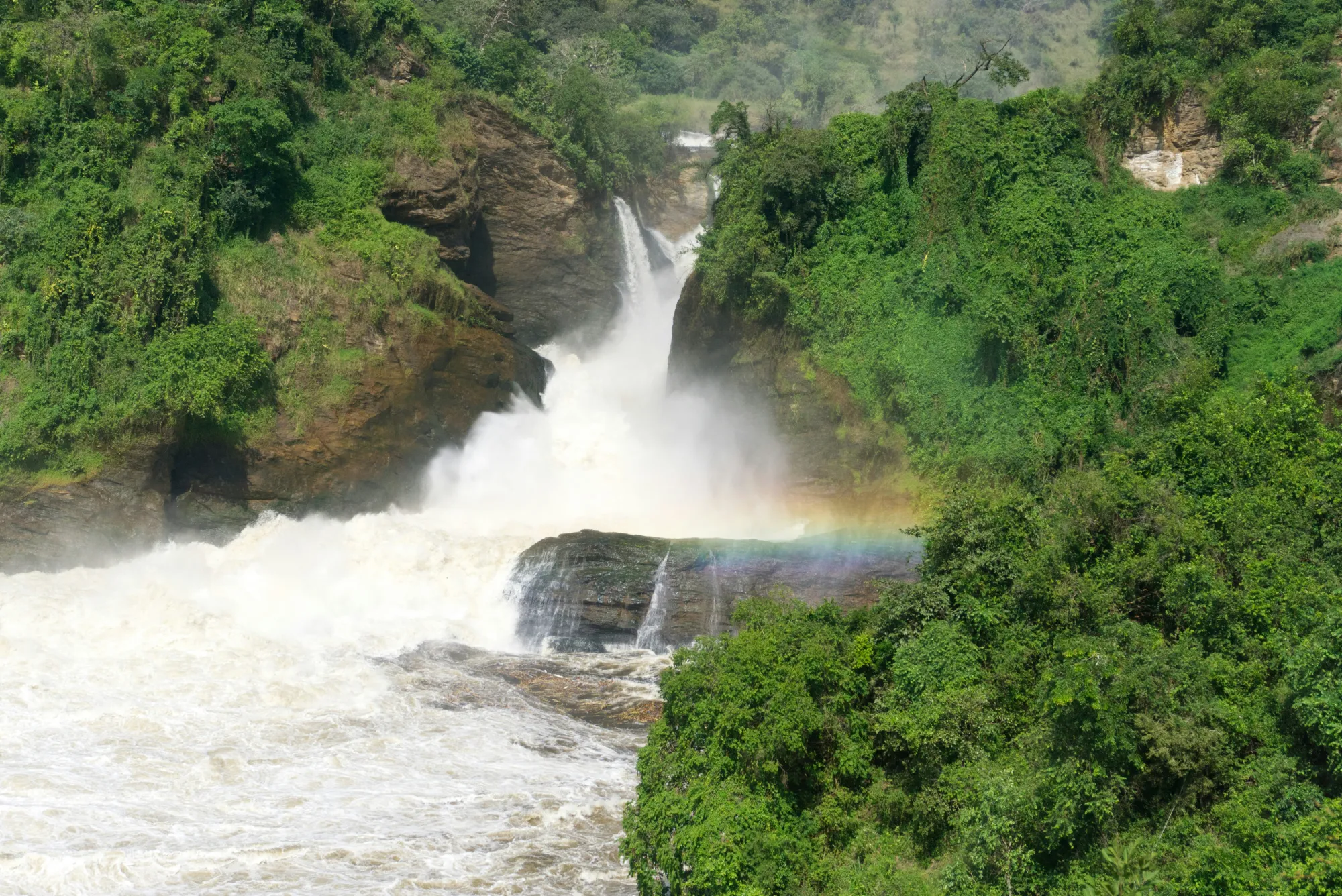
    Murchison Falls is where the world’s longest river shows its wildest side. Deep in northwestern Uganda, within the bounds of Murchison Falls National Park, the Victoria Nile crashes through a narrow 7-meter gorge carved into the Rift Valley escarpment and plunges 43 meters into the White Nile, forming what is widely recognized as the most powerful waterfall on Earth. With over 300 cubic meters of water forced through a gap no wider than a standard city street every second, the force and fury of the falls is a spectacle of raw, untamed nature. This is not just a scenic highlight—it’s a geographical and hydrological milestone that defines the transition between two major stages of the river.

    The Victoria Nile begins its journey in Jinja, Uganda, where it emerges from the northern edge of Lake Victoria—the official source of the Nile River. From this point, the river winds its way northward through central Uganda, flowing into and out of Lake Kyoga before gathering speed and intensity as it descends toward the Rift Valley floor. The transformation that occurs at Murchison Falls is both dramatic and defining: here, the Victoria Nile is compressed and accelerated in a geological bottleneck, only to explode in a thunderous cascade that marks the official start of the White Nile. After the falls, the river continues westward, emptying into Lake Albert before resuming its northward course.

    From Murchison Falls, the newly born White Nile continues its journey north through the savannahs of Uganda and into South Sudan, eventually merging with the Blue Nile in Khartoum, Sudan. It is this confluence of the White and Blue Niles that creates the full course of the Nile River as it is known in history and legend—a river that has sustained civilizations from Nubia to the Nile Delta for millennia.

    What makes Murchison Falls particularly significant is not just its geological intensity, but its symbolic importance in the story of the Nile. This waterfall marks a transition point not just in name, but in identity—a shift from the river’s more placid upper reaches to the wilder, more unpredictable torrents of the White Nile. It is a place of rebirth and rupture, where the power of water shapes land, life, and legend.

    Standing at the edge of Murchison Falls, you don’t just see a waterfall—you experience the Nile being forged anew. The thunder underfoot, the clouds of mist rising from the Devil’s Cauldron, and the ever-present rainbow in the spray all make this moment unforgettable. It is one of the few places on Earth where geography, hydrology, and history collide in such a dramatic and awe-inspiring fashion.

    For travelers, it is more than a bucket-list stop—it is a living encounter with the very forces that sculpt East Africa’s landscapes and nourish its ecosystems. Murchison Falls is where the Nile reveals its true character: fierce, relentless, and eternally moving forward.

    What Makes Murchison Falls So Unique

    The ferocity of Murchison Falls is unmatched. Over 300 cubic meters of water per second are funneled from a width of 50 meters down to just 7 meters, bursting with a deafening roar into the Devil’s Cauldron below. It’s violent, magnificent, and unforgettable—a raw display of the Victoria Nile’s might as it transforms into the White Nile. The spray rises in thick clouds, the roar echoes across the gorge, and the entire landscape seems to tremble with the river’s force.

    Located within Murchison Falls National Park—the largest and oldest national park in Uganda—this waterfall is at the heart of a 3,893 square kilometer ecosystem. The park straddles the Nile and encompasses a mosaic of savannah, woodland, rainforest, and wetlands, making it one of the most ecologically diverse regions in East Africa. Its western boundary is defined by the vast expanse of Lake Albert, where the Victoria Nile flows westward after plunging through the falls. This lake not only offers a scenic backdrop to the park’s western edge but also forms part of the international border with the Democratic Republic of the Congo, adding a cross-border dimension to the landscape.

    The varied terrain and abundant water sources support an astonishing variety of wildlife and birdlife. From adrenaline-pumping river cruises and challenging waterfall hikes to tranquil birdwatching and expansive game drives across open plains, Murchison Falls National Park offers a full spectrum of East African wilderness experiences—all centered around the most powerful point along the Nile.

    Top Things to Do at Murchison Falls

    Witness the Falls from Above and Below

    To fully appreciate the power of Murchison Falls, see them from both perspectives. From above, you can hike to the top and stand mere meters from the roaring chute. The ground shakes beneath you, the mist cools your skin, and rainbows dance in the spray. It’s here that the full force of the Victoria Nile becomes unmistakably real—thrusting through a rock cleft just seven meters wide before crashing into the Devil’s Cauldron below. The deafening sound and sheer velocity of the water make this one of the most visceral natural experiences in Africa.

    The hike to the top usually takes around 45 minutes to an hour, depending on fitness and photo stops. It’s often combined with a boat cruise and requires advance arrangement with a local guide. Most lodges or tour operators offer this combined activity at an average cost of $30–$40 per person, excluding park entrance fees.

    From below, boat cruises offer a more panoramic view. As you approach from the river, Murchison Falls rise dramatically before you, framed by jagged cliffs and lush vegetation. The setting feels almost prehistoric, with dense greenery clinging to rock walls and the thunder of water growing louder with every bend. It’s the perfect contrast: the calm, regal flow of the Victoria Nile gliding past crocodiles and hippos, followed by its sudden, explosive transformation into the White Nile—a churning torrent that defines the landscape and the journey of the world’s longest river.

    The standard cruise to the base of the falls lasts approximately 2 to 3 hours round-trip and costs between $30 and $35 per person for international visitors. Uganda Wildlife Authority and private operators like Wild Frontiers run daily departures, with afternoon and sunset options available.

    Cruise the Nile

    Nile Cruise Victoria Nile River

    One of the most iconic experiences in Uganda is a boat cruise on the Nile at Murchison Falls National Park. These trips typically depart from the Paraa area and head upstream along the Victoria Nile toward the base of the falls, covering roughly 17 kilometers one way. The round-trip journey takes about 2 to 3 hours, depending on water levels and wildlife activity. Operated by both Uganda Wildlife Authority and licensed private companies, the cruises are available daily, with morning and afternoon departures. Prices range from $30 to $35 per person for international visitors, while East African residents pay a reduced rate.

    The cruise offers a front-row seat to the park’s incredible biodiversity. Pods of hippos grunt and wallow in the shallows, often just meters from the boat. Massive Nile crocodiles can be seen sunning themselves on sandbanks or gliding silently through the water. Elephants frequently make their way to the riverbanks to drink or cool off, sometimes crossing the Nile in dramatic displays of power and grace. The birdlife is equally remarkable, with regular sightings of African fish eagles soaring overhead, pied and giant kingfishers perched along the banks, and colorful saddle-billed storks and bee-eaters decorating the treetops.

    Murchison Falls Nile Crocodile Predator Wildlife Safari Cruise

    For those seeking a more relaxed and atmospheric experience, sunset cruises downstream from the falls offer a completely different perspective of the Nile. These usually last around 1.5 to 2 hours and are timed perfectly to coincide with golden hour. As the sun dips low, the river takes on a glassy glow, and animals gather at the water’s edge for an evening drink. The light softens, reflections ripple across the surface, and the air fills with the sounds of the wild. It’s a moment of serenity that perfectly complements the raw drama of the falls upstream—an unforgettable way to experience the rhythm of life along the Nile.

    Explore Lake Albert

    After plunging through Murchison Falls, the White Nile flows westward into Lake Albert—one of Africa’s Great Lakes and a key feature of the park’s western edge. The lake marks the international border between Uganda and the Democratic Republic of the Congo, with the distant Congo escarpment often visible across the water. While less visited than other parts of the park, Lake Albert offers tranquil views, excellent birdwatching, and occasional fishing excursions from nearby lodges. It’s also a stunning spot to catch sunset over the water, framed by the silhouettes of two nations.

    Go on a Classic African Safari

    The Northern Savannah: Prime Safari Territory

    Murchison Falls Lion Predator Animal Game Drive Safari

    Murchison Falls National Park’s northern section is an expanse of open savannah—prime territory for a classic African safari. The wide plains, dotted with borassus palms and acacia trees, offer excellent visibility for spotting wildlife, especially during the dry seasons. Game drives in this region often yield encounters with four of the Big Five: lions lounging under tree shade, leopards draped across branches in the early morning, massive herds of African elephants moving through the grasslands, and imposing Cape buffaloes grazing in the lowlands.

    Rhinos at Ziwa: Completing the Big Five

    While rhinos were once native to Murchison Falls, they were driven to extinction due to poaching during Uganda’s turbulent past. Today, the species is being actively reintroduced through the Ziwa Rhino Sanctuary located en route to the park from Kampala. This sanctuary offers visitors a chance to track rhinos on foot in a protected environment—completing the Big Five experience when combined with a visit to Murchison.

    Rothschild’s Giraffes and Savannah Icons

    Among the most iconic residents of the park are Rothschild’s giraffes, one of the rarest subspecies of giraffe in the world. Murchison Falls boasts the largest remaining wild population of these elegant creatures. You’ll often see them moving in large groups across the savannah, their long necks rising above the scrub as they nibble on acacia leaves.

    The plains are also teeming with other ungulates like Jackson’s hartebeests, known for their elongated heads and reddish coats, and the graceful Uganda kobs—a national symbol seen on the country’s coat of arms. Warthogs dash between thickets, often in comical pairs with tails held high, while bushbucks linger at the edges of woodlands.

    Predators and Elusive Carnivores

    Predators are naturally drawn to this abundance of prey. The area around Buligi and Nyamsika Cliffs is particularly rewarding for spotting lions and leopards. Lions here are known to climb trees—a rare behavior observed in only a few populations across Africa. Hyenas, both spotted and striped, are also common, often heard whooping in the night. Smaller carnivores like jackals, servals, and genets make occasional appearances, especially during early morning or late evening drives.

    Altogether, Murchison’s northern circuit offers one of the most complete and rewarding safari experiences in East Africa—made all the more special by the scenic backdrop of the Nile slicing through the wilderness.

    Hike to the Top of the Falls

    If you’re up for some physical adventure, take the hike from the boat landing to the top of the falls. The path zigzags up the cliffs beside the thundering water, with several lookout points offering incredible views of the Nile as it churns through the gorge.
    The most famous vantage point is the Devil’s Cauldron, where the water collides into the pool below in a mist-filled explosion. The trail is short but steep and incredibly rewarding.

    Birdwatching

    With over 450 bird species, Murchison Falls is a premier birding destination. The mix of habitats creates a haven for species ranging from the massive goliath heron to the rare shoebill stork.
    The Victoria Nile delta is especially fruitful, where papyrus swamps support papyrus gonoleks, jacanas, and kingfishers. Forested areas like Rabongo and Budongo are home to hornbills, flycatchers, and turacos. Whether you’re a seasoned birder or just bird-curious, this park delivers.

    Wildlife Encounters on Land and Water

    The Nile itself is a magnet for wildlife. Hippos by the hundreds grunt and wallow in the shallows, often emerging at night to graze on the banks. Nile crocodiles—some measuring up to six meters—lurk motionless or slide silently into the water.
    Elephants are commonly seen along the riverbanks, especially during the dry season. Herds cross the savannah plains in search of water and shade. Giraffes—especially the Rothschild subspecies—move gracefully in tall groups through the northern woodlands.

    Predators like lions and leopards are present but elusive. Patience and a good guide increase your chances. Hyenas and jackals are more frequently encountered, while primates such as baboons and vervet monkeys are widespread. In the open grasslands, the agile and rarely seen patas monkey—recognizable by its reddish coat and long limbs built for sprinting—is occasionally spotted darting through the savannah.
    Forested zones also host chimpanzees and black-and-white colobus monkeys, especially in the Budongo Forest Reserve on the park’s southern edge.

    Where to Stay in and Around Murchison Falls

    Paraa Safari Lodge

    This colonial-style lodge near the Nile River ferry crossing offers prime access to both game drive routes and the waterfall itself. The pool overlooks the river, the rooms are spacious, and the dining options are top-notch. It’s one of the most established properties in the park.

    Nile Safari Lodge

    A high-end eco-lodge with stylish bandas overlooking the river, this lodge is perfect for travelers seeking serenity and luxury. It’s solar-powered, low-impact, and blends beautifully with its surroundings.

    Pakuba Safari Lodge

    Located in the northern section of the park, this mid-range lodge is comfortable and well-positioned for game drives. It’s also situated near the ruins of Idi Amin’s old lodge, adding a layer of historical intrigue.

    Red Chilli Rest Camp

    Ideal for backpackers and budget-conscious travelers, this popular camp offers simple bandas, tented accommodations, and campsites. It’s close to the ferry and main park gate, and it’s known for its laid-back atmosphere and cold beers after a day of exploring.

    Getting There: Road and Air Access

    By Road from Kampala

    The most common route from Kampala to Murchison Falls is via Masindi, a 5–6 hour drive on generally good tarmac roads until you reach the park’s southern gates. A 4WD vehicle is recommended, especially during the rainy season.

    If you’re coming from Gulu or northern Uganda, you can use the Tangi or Wankwar Gates for direct access to the park’s northern region. Self-driving is an option, but many visitors opt for guided tours or safari packages that include transport.

    By Air

    Several charter companies operate flights from Entebbe International Airport or Kajjansi Airfield to three main airstrips: Pakuba (north), Bugungu (southwest), and Chobe (east). Flight time is around one hour. Lodges provide pickups and transfers, and you can begin your safari almost immediately upon landing.

    Getting Around the Park

    The park is vast, and you’ll need a 4WD vehicle to explore it effectively. Most lodges offer guided game drives, or you can hire a driver and guide at the park entrance.
    Ferry crossings over the Nile at Paraa connect the northern and southern sectors. These operate on a schedule and are essential for accessing the main game drive tracks if you’re staying on the southern side.
    Boat cruises are best booked in advance, particularly during peak travel seasons. Options include standard wildlife cruises, birding trips to the delta, and sunset trips downstream from the falls.

    When to Visit Murchison Falls

    Murchison Falls Sunset Acacia Trees Savannah

    The best time to visit is during the dry seasons: December to February and June to August. During these months, wildlife congregates near the river, vegetation is less dense, and road conditions are ideal.
    The wet seasons—March to May and September to November—bring fewer tourists, lush landscapes, and prime birding. However, some roads may become impassable, especially in more remote sections of the park.

    Conservation and Community Engagement

    Murchison Falls National Park is managed by the Uganda Wildlife Authority and is part of the larger Murchison Falls Conservation Area, which includes Bugungu and Karuma reserves. Anti-poaching efforts, wildlife monitoring, and community tourism initiatives are in full swing.
    Community tourism is growing in the villages surrounding the park, especially among the Acholi and Alur peoples. Cultural tours, handicrafts, and homestay experiences provide visitors with a deeper understanding of local traditions while directly supporting local economies.

    Famous Visitors and Curious History

    Murchison Falls has long drawn adventurers and dignitaries. It was first seen by Europeans in 1864 when British explorer Samuel Baker named the falls after Roderick Murchison, then head of the Royal Geographical Society.
    Winston Churchill and Theodore Roosevelt both passed through, as did Ernest Hemingway—who famously survived not one but two plane crashes near the falls in 1954.
    Ruins of Idi Amin’s abandoned lodge near Pakuba still stand, slowly being overtaken by the bush. It’s a surreal stop for history lovers and adds another layer of depth to the park’s allure.

    Why Murchison Falls Should Be on Your Travel Radar

    Murchison Falls is not just Uganda’s crown jewel—it’s one of the most dynamic natural experiences in all of Africa. The explosive might of the Nile, the untamed beauty of the savannah, the calm of a river cruise, and the raw thrill of wildlife encounters all converge here.
    From the thunder of the falls to the silence of a giraffe silhouetted at sunrise, this is a destination that resonates long after you’ve left. If you want to witness the heartbeat of East Africa’s wild frontier, come to Murchison Falls—and let the Nile write its story into your memory.

  • Into the Emerald Wild: Exploring Kenya’s Volcanic Chyulu Hills Where Elephants Roam and Kilimanjaro Looms

    Into the Emerald Wild: Exploring Kenya’s Volcanic Chyulu Hills Where Elephants Roam and Kilimanjaro Looms

    Tucked between the more famous Tsavo and Amboseli National Parks lies one of Kenya’s best-kept secrets—the Chyulu Hills. These striking green volcanic ridges, often swathed in mist and glowing under the shadow of Mount Kilimanjaro, offer a raw, immersive wilderness experience for the adventurous traveler. With undisturbed wildlife, endless hiking and horseback trails, underground lava tubes, and some of the most luxurious eco-lodges in East Africa, the Chyulu Hills deliver high-impact travel without the crowds.

    If you’re looking to escape the beaten track, commune with nature, and explore some of Kenya’s most dramatic scenery, this is your ultimate guide to visiting Chyulu Hills.

    What Makes Chyulu Hills So Special?

    Chyulu Hills Scenery View

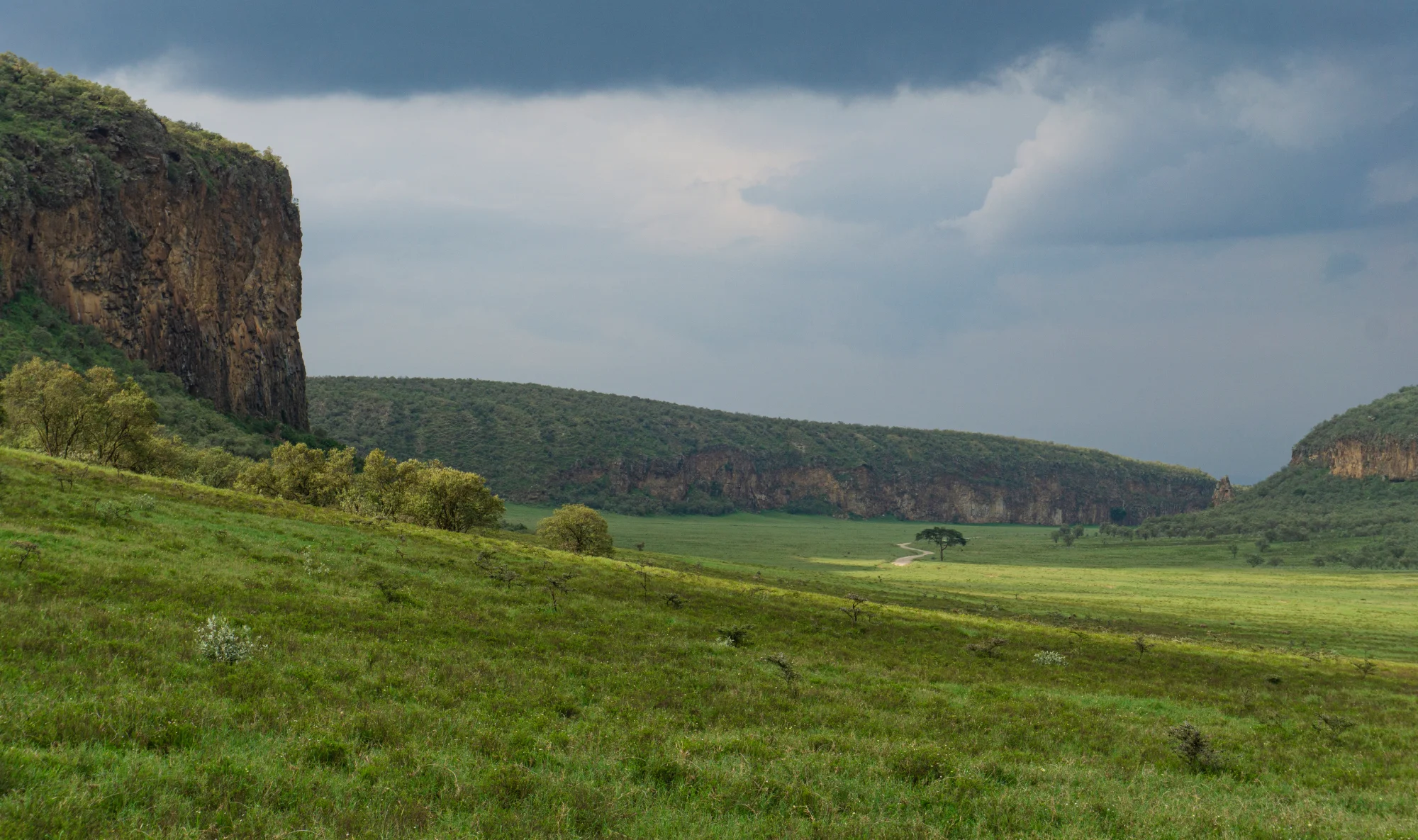
    The Chyulu Hills are a 100-kilometer-long volcanic mountain range in southeastern Kenya. Geologically young—formed less than 1.4 million years ago—the hills are still technically active, with the last known eruptions dating as recently as the mid-19th century. These lush, rolling hills stretch from Kibwezi in the north to the border of Tsavo West in the south.

    This is not your typical safari landscape. The Chyulu Hills are a striking contrast to the dusty savannas of the south. You’ll find dense montane forests cloaking the upper ridges, open grasslands sprawling across the foothills, and fascinating lava fields—some harboring vast subterranean caves like Leviathan Cave, one of the longest lava tubes in the world.

    Yet it’s not just the scenery that makes Chyulu Hills stand out. It’s the solitude. Few travelers make it here, which means the land remains pristine, and your encounters—whether with elephants, giraffes, or Maasai herders—are unfiltered and raw.

    Wildlife in the Chyulu Hills

    Though it often escapes the headlines of Kenya’s iconic wildlife destinations, Chyulu Hills National Park is a biological powerhouse. Positioned between Amboseli to the west and Tsavo West to the east, the Chyulu ecosystem acts as a vital wildlife corridor, linking two of Kenya’s largest conservation areas. This strategic location, combined with minimal tourism pressure, results in rich but underappreciated biodiversity—wildlife thrives here largely undisturbed.

    The park itself, together with adjacent group ranches like Mbirikani and Kuku, forms a loosely protected expanse of over 400,000 hectares where animals move freely and naturally—without fences.

    Mammals You Might See

    African Elephants

    Kenya Elephants Wildlife Safari Game Drive Animals

    The Chyulu Hills lie along the Amboseli–Tsavo elephant corridor, one of the most critical migratory routes for elephants in East Africa. These grasslands and lava plains serve as seasonal passageways and feeding grounds, especially during the long dry season when water becomes scarce elsewhere. Elephants are frequently seen in the lower elevations of Chyulu, gathering near natural springs, seasonal streams, and mineral-rich salt licks. Some of Kenya’s last remaining “super tuskers”—mature bulls with tusks heavy enough to scrape the ground—are known to traverse this corridor, highlighting the area’s importance as both a refuge and a genetic stronghold for the species.

    Lions

    Chyulu’s lions are elusive but present. They are less habituated to vehicles than in busier parks, often heard rather than seen. Roars echo through the valleys at night, and fresh tracks are commonly spotted near water sources. Patience and a good guide increase your odds of sightings.

    Leopards

    The misty montane forests and lava outcrops of the upper Chyulu ridges offer perfect leopard habitat. Though sightings are rare due to their nocturnal behavior and dense cover, signs such as claw marks and scat are frequently observed.

    Cape Buffaloes

    Cape buffaloes are common throughout the lower woodlands and forest fringes. Large herds graze the savannas and occasionally wander into lodge areas. They are among the most numerous large herbivores in the ecosystem and play a key role in shaping grassland dynamics.

    Elands, Bushbucks, Reedbucks, and Giraffes

    Chyulu supports a diverse array of grazers and browsers, including:

    • Elands, Africa’s largest antelope, often seen in small herds
    • Bushbucks, solitary and secretive, favoring forest edges
    • Mountain reedbucks, found at higher altitudes
    • Masai giraffes, frequenting acacia zones and known to browse near camps

    These herbivores help maintain the balance between forest and grassland, supporting predator populations across the region.

    Cheetahs and African Wild Dogs

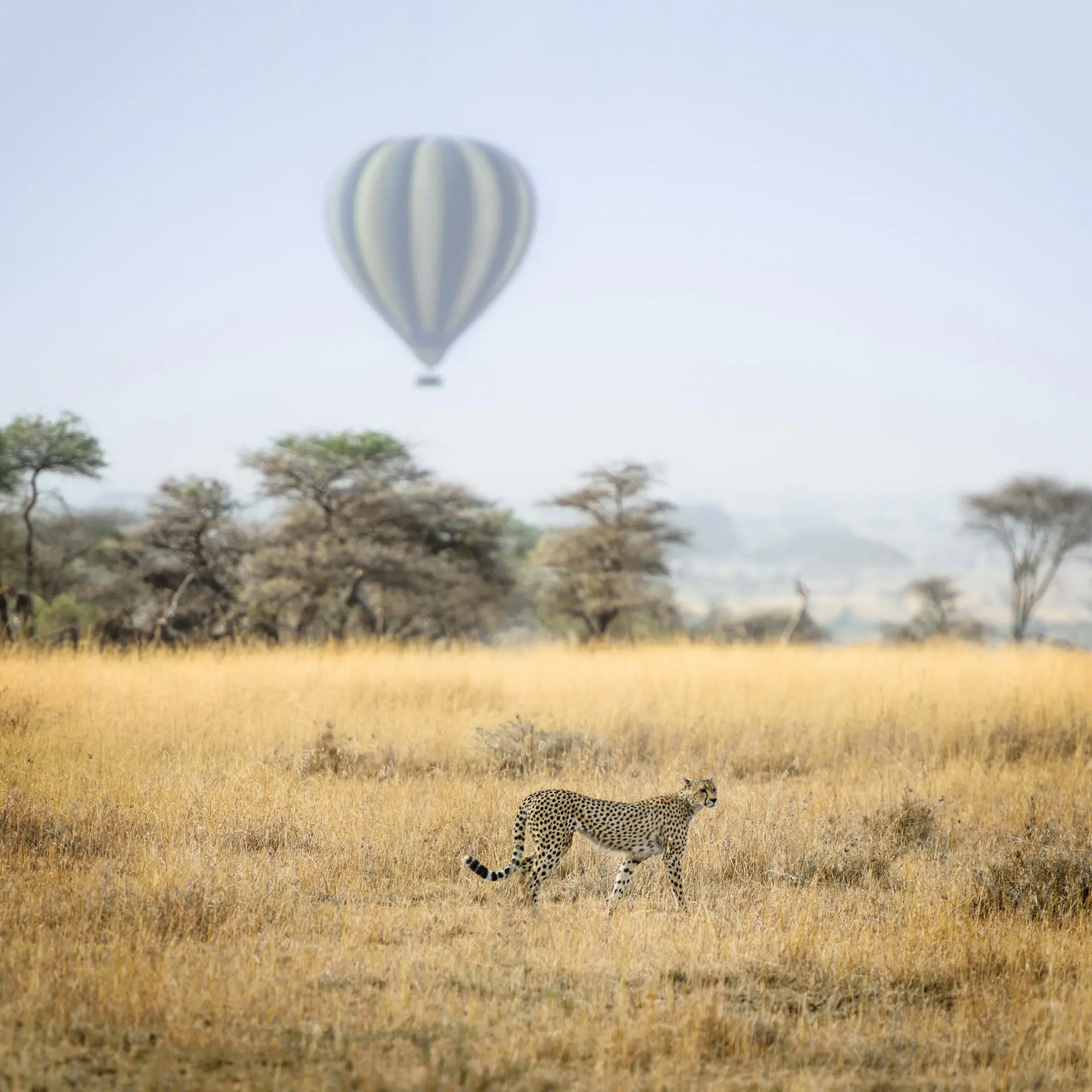
    Cheetahs favor the open plains on the park’s periphery where they hunt in daylight. Wild dogs are rarely seen but have been recorded in the broader Chyulu-Amboseli ecosystem. Their presence indicates ecological health, as they require expansive, undisturbed territory.

    Black Rhinos

    Once widespread, black rhinos in this area now exist under strict protection in parts of the surrounding conservancies. Sightings are rare, but their presence remains a vital component of long-term conservation strategies in Chyulu and beyond.

    Avifauna and Birdwatching in the Chyulu Hills

    Chyulu Hills is designated an Important Bird Area (IBA) by BirdLife International due to its elevation range, habitat diversity, and relative intactness. Over 275 species have been recorded here, including several range-restricted and forest-dependent birds.

    Shelley’s Francolin

    This shy ground-dweller is often heard in early morning hours, with loud, repetitive calls echoing through the underbrush. It’s one of the region’s indicator species for healthy mid-altitude forests.

    White-starred Robin

    Found flitting through the upper forest canopy, this striking robin is known for its bold facial stripe and sweet, whistled song. It’s often observed during quiet walks along the forest floor.

    Abbott’s Starling

    A rare and vulnerable species, Abbott’s starling has a fragmented East African range. Sightings in the Chyulus are uncommon but significant for conservation monitoring.

    Orange Ground Thrush

    This colorful forest thrush occurs here as a unique subspecies. It forages quietly in the leaf litter, often seen in damp, shaded sections of the forest.

    Taita Falcon

    Among Africa’s rarest raptors, the Taita falcon nests on rocky outcrops and hunts aerially. It’s fast, elusive, and a thrilling find for serious birders.

    Malachite Sunbird

    Malakite Sunbird Bird Birdlife Birdwatching
    Malakite Sunbird

    With iridescent plumage and a long curved bill, the malachite sunbird is commonly seen feeding on wildflowers, especially after rains.

    Hartlaub’s Turaco

    These flamboyant, crimson-winged birds are a common presence in the mist forests. Their loud, nasal calls are a defining sound of the upper Chyulus and an essential part of the ecosystem’s seed dispersal network.co is flamboyant and loud. Its crimson wing flashes and nasal calls are unmistakable. These birds play a critical ecological role in seed dispersal, helping maintain forest regeneration.

    Best Time for Wildlife and Birding

    June to October is the dry season and offers the best chance for mammal sightings as animals cluster around water sources and visibility is high. January to February is another reliable window for wildlife viewing.

    If birding is your primary goal, visit during the green seasons—November and April through May—when insect abundance and flowering plants draw out a broader range of avifauna. Migratory species are also present during these months, and breeding behaviors among resident species are in full swing.

    Why Chyulu’s Wildlife Matters

    The Chyulu Hills are more than a beautiful landscape—they’re a living link in Kenya’s conservation network. Wildlife here doesn’t exist in isolation. It moves between ecosystems, interacts with Maasai pastoralism, and depends on a delicate balance of ecology, protection, and sustainable tourism. Unlike fenced reserves, Chyulu allows species to behave naturally, with enough space to support large carnivores and long-range migrations.

    Things to Do in the Chyulu Hills

    Chyulu Hills Scenery Green Rolling Hills
    The green, rolling hills of Chyulu – stunning natural beauty

    This is a place for action, not passive game drives. The topography and remoteness allow for immersive, offbeat activities.

    1. Hiking and Trekking

    From gentle strolls through the forest to tough ridge hikes, Chyulu Hills offers trails for all levels. The Upper Chyulus, covered in mist forest, are ideal for multi-hour treks. Some routes lead to high ridgelines with dramatic views over the plains and Mount Kilimanjaro.

    2. Horseback Safaris

    One of the most distinctive ways to explore the Chyulus is on horseback. Lodges like Ol Donyo Lodge and Campi ya Kanzi offer professionally guided horseback safaris, allowing you to get incredibly close to wildlife without the rumble of an engine.

    3. Mountain Biking

    The ridges and lower trails make for challenging but scenic biking. Some high-end lodges provide mountain bikes and guided rides across their private conservancies.

    4. Lava Cave Exploration

    Leviathan Cave, one of the world’s longest known lava tubes (over 11 km in total length), is hidden within the Chyulu lava fields. It’s an otherworldly experience—twisting tunnels, dark chambers, and surprising underground fauna. Guided excursions are a must.

    5. Cultural Experiences with the Maasai

    Maasai Culture Heritage Colorful Beads Handicrafts Souvenirs
    Rich Maasai Cultural Heritage

    The Chyulu Hills are within Maasai land, and lodges often partner with local communities. Cultural visits can include attending ceremonies, visiting homesteads, or participating in beadwork sessions. These are respectful, authentic engagements—not tourist traps.

    6. Photography and Scenic Viewing

    Photographers will revel in the interplay of light and landscape: mist swirling through the ridges, elephants crossing the acacia-studded plains, or Kilimanjaro rising through the clouds. Early morning and late afternoon light is especially stunning.

    Where to Stay in the Chyulu Hills

    Accommodation in the Chyulu Hills is limited but purpose-built. Most lodges operate within private conservancies or Maasai group ranches bordering the national park, offering access to wildlife corridors, low visitor density, and community-linked conservation.

    Ol Donyo Lodge

    Set on the Mbirikani Group Ranch, Ol Donyo spans over 111,000 hectares of private wilderness. The lodge offers horseback safaris, game drives, guided walks, and access to a key elephant corridor. Suites include rooftop star beds and overlook a permanent waterhole. It operates in partnership with local communities and Great Plains Conservation.

    Best for: exclusive safaris, photography, Kilimanjaro views

    Campi ya Kanzi

    Located on Kuku Group Ranch, Campi ya Kanzi runs on solar power and harvested rainwater. It focuses on walking safaris, Maasai-guided treks, and cultural immersion. Tourism revenue supports the Maasai Wilderness Conservation Trust, funding local rangers and education projects.

    Best for: eco-conscious travelers, cultural interest, low-impact stays

    Chyulu Club

    A newer lodge near the western edge of the hills, Chyulu Club combines safari activities with wellness offerings. It caters to families and groups, with horseback riding, cave excursions, and outdoor cinemas. Wildlife density is lower here than in Mbirikani, but access is easy.

    Best for: families, wellness travel, flexible itineraries

    KWS Public Campsites

    Kenya Wildlife Service manages basic campsites inside the park—Katuni, Leviathan, and Chyulu. Facilities are minimal (pit latrines, no water), and 4×4 vehicles are essential. Suitable for self-sufficient travelers seeking solitude and access to trails.

    Best for: overlanders, independent explorers, hikers

    Private Homesteads

    A few private-use houses are available by arrangement, often through NGOs or conservation groups. These are typically used by researchers, photographers, or film crews needing long stays in remote zones.

    Best for: long-term visits, filming, fieldwork

    How to Get to the Chyulu Hills

    By Air

    The easiest and fastest way is to charter a flight from Nairobi Wilson Airport to the Ol Donyo or Campi ya Kanzi airstrips. The flight takes about 1 hour and offers sweeping aerial views of the Kenyan wilderness.

    Many travelers include the Chyulu Hills in multi-stop luxury itineraries that also cover Amboseli, Tsavo, and the Kenyan coast.

    By Road

    From Nairobi, it’s about 230 kilometers (5–6 hours by road) to Kibwezi or Emali, followed by rougher tracks into the hills. A 4×4 vehicle is essential, particularly during the rainy season. Public transport only reaches towns like Kibwezi, so private arrangements are needed from there.

    By Train

    The SGR (Standard Gauge Railway) between Nairobi and Mombasa stops at Kibwezi, from where you can arrange transfers to lodges. It’s a scenic and comfortable alternative to driving.

    When to Visit the Chyulu Hills

    The Chyulu Hills follow Kenya’s classic bimodal climate—two dry seasons and two rainy ones—each bringing distinct conditions that shape what you’ll see and how you’ll experience the landscape.

    June to October – Long Dry Season

    This is the prime window for travel. Trails are firm, skies are clear, and wildlife gathers around water sources, making sightings more consistent. Visibility is excellent, and Mount Kilimanjaro is often visible at sunrise—towering over the acacia plains. Morning hikes through the mist forest are crisp and cool, while afternoons remain warm and dry.

    Best for: big game viewing, hiking, photography

    November to Mid-December – Short Rains

    Short rains green the hills quickly but don’t last long. Wildlife spreads out, but bird activity surges. The air is clean, the flowers return, and the landscape becomes vibrant without being too wet to explore. Expect the occasional storm followed by brilliant light.

    Best for: birdwatching, scenic variety, lower tourist traffic

    Mid-December to February – Hot Dry Season

    Clear skies and warmer temperatures return, bringing back excellent visibility and active wildlife. Migratory birds are in full display, and many species begin breeding. It’s hot in the lowlands but comfortable in the hills. Kilimanjaro views are often at their best.

    Best for: birding, dry-weather travel, panoramic views

    March to May – Long Rains

    The green season transforms the Chyulu Hills into a lush, misty highland. While some roads become challenging, this is peak time for biodiversity—frogs call, forest flowers bloom, and rare birds nest. Wildlife is harder to spot, but nature is in full flux.

    Best for: serious naturalists, birders, off-season travelers

    Tip: For clear Kilimanjaro views and easy trail access, visit during the dry months. For color, solitude, and a more dramatic natural atmosphere, aim for the early or late rains.

    Facts and Stats About the Chyulu Hills

    • Length: ~100 kilometers
    • Highest Point: 2,188 meters above sea level (Kiboko Hill)
    • Volcanic Age: 1.4 million years; last eruption ~1856
    • Main Attractions: Leviathan Cave, Kilimanjaro views, horseback safaris
    • National Park Status: Chyulu Hills National Park established in 1983
    • Bird Species: 275+ recorded
    • Lava Tube Length: Leviathan Cave spans over 11.5 km
    • Nearby Parks: Amboseli (west), Tsavo West (south)

    Travel Tips for Visiting Chyulu Hills

    Bring proper gear for variable terrain
    From muddy lava trails to sun-baked grasslands, conditions change fast. Pack sturdy hiking boots, a wide-brimmed hat, layers for cool mornings and warm afternoons, and a rain jacket if visiting during the wet season.

    4×4 is essential
    Roads into and around the Chyulu Hills are rough, especially in the wet seasons. Even lodge transfer vehicles can get bogged down without proper traction. Self-drivers should have recovery gear, spare tires, and offline maps. Fuel up before leaving main roads—there are no stations near the park.

    Plan for altitude shifts
    While the lower plains sit around 1,000 meters, the Chyulu ridges rise above 2,000 meters. Expect cooler air, stronger winds, and occasional mist at higher elevations. Pack accordingly, especially if hiking.

    Stay inside or near the ecosystem
    Distances are deceptive here. While towns like Kibwezi or Emali might seem close, travel into the park takes time due to rough roads. Staying in a lodge or camp near the hills gives you more access to wildlife and activities without losing time in transit.

    Cash is king in rural areas
    Mobile money (M-Pesa) is widely used in Kenya, but if you’re stopping in small towns for supplies or fuel, carry some cash. ATMs are only available in larger towns like Kibwezi or Loitoktok.

    Respect local communities and land-use zones
    The Chyulu Hills are not a closed reserve—they’re part of active Maasai pastoral land. Many areas you’ll pass through are community-owned. Ask before wandering off-track, and follow lodge or guide instructions when crossing group ranch lands.

    Cell signal is limited
    Some conservancies and lodges have Wi-Fi, but mobile coverage is spotty or nonexistent in the hills. Download offline maps and navigation tools in advance, especially if you’re driving yourself.

    Binoculars and zoom lenses are worth the weight
    Wildlife here isn’t always right next to the track. Good optics make a big difference for birdwatching, scanning distant ridgelines, or spotting movement in the forests.

    Final Word: Why Chyulu Hills Should Be on Your African Itinerary

    The Chyulu Hills aren’t just a detour—they’re a destination in their own right. Offering a rare blend of solitude, scenic drama, high-end comfort, and meaningful community engagement, this is one of Kenya’s most underrated gems.

    For seasoned safari-goers looking for something different—or first-timers eager for an immersive, unspoiled slice of Africa—the Chyulu Hills promise raw beauty, depth of experience, and soul-stirring moments you won’t find anywhere else.

  • 9 Epic Safari Moments in Ngorongoro: Where Nature, History, and Adventure Collide

    9 Epic Safari Moments in Ngorongoro: Where Nature, History, and Adventure Collide

    Tucked away in the northern reaches of Tanzania lies one of Africa’s most mesmerizing natural wonders— Ngorongoro. A land where wildlife roams freely across vast plains framed by the walls of a sunken volcano formed by an ancient supervolcano, Ngorongoro is not just a conservation marvel; it’s a living, breathing Eden. Known primarily for the spectacular Ngorongoro Crater, this UNESCO World Heritage Site is a jewel in the crown of Tanzanian safaris, attracting nature lovers, photographers, anthropologists, and adventure seekers from around the world.

    What Makes Ngorongoro So Special?

    The Ngorongoro Crater: A Natural Wonder

    Ngorongoro Crater Rim Scenery Game Drive Safari Nature
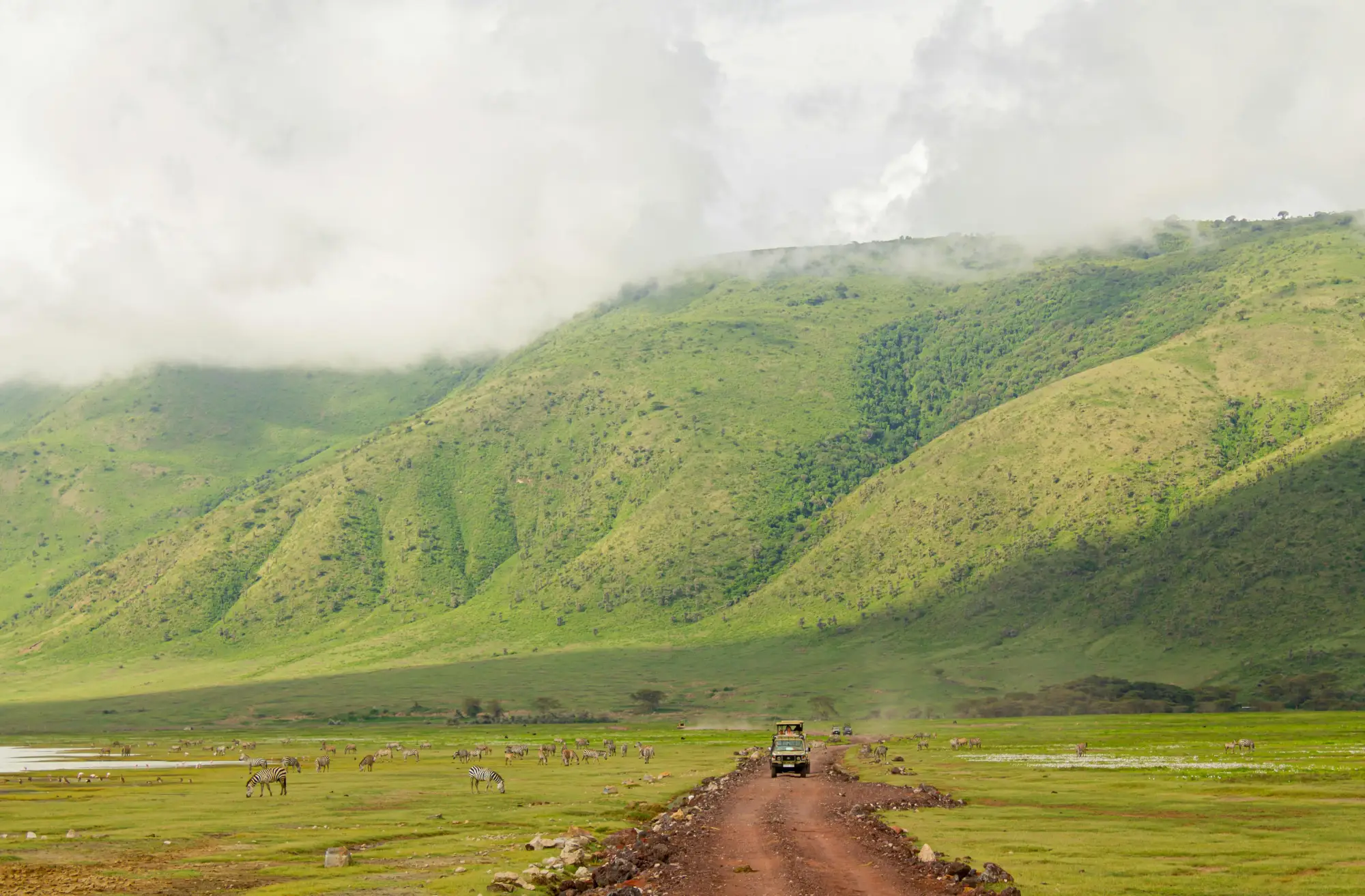
    Some of the most scenic game drives in the world inside the crater

    The centerpiece of the Ngorongoro Conservation Area is undoubtedly the Ngorongoro Crater—the world’s largest intact, unfilled, and inactive volcanic caldera. It was formed over two million years ago when a massive supervolcano exploded and collapsed on itself, with its last eruption unleashing an immense force that reshaped the landscape. This colossal event, rated as a VEI 7 eruption, is estimated to have ejected roughly 200 cubic kilometers of tephra, comparable to some of the largest eruptions recorded in history, creating a dramatic depression roughly 19 kilometers wide and over 600 meters deep.

    Today, the crater functions as a self-contained ecosystem, often called “Africa’s Garden of Eden.” Within its lush green floor lies an incredible diversity of flora and fauna, from grassy plains and acacia forests to freshwater springs and soda lakes like Lake Magadi. It is one of the few places in Africa where you can witness such a density of wildlife in such a compact and scenic space.

    A UNESCO World Heritage Site

    In 1979, Ngorongoro Conservation Area was inscribed as a UNESCO World Heritage Site, recognized for its unique combination of natural beauty, ecological importance, and cultural heritage. What sets it apart is the harmonious coexistence between wildlife and people—specifically, the semi-nomadic Maasai who live and graze cattle within the conservation area.

    Olduvai Gorge: Cradle of Mankind

    Ngorongoro is not just a wildlife haven; it’s also one of the most significant paleoanthropological sites in the world. Just a short drive from the crater lies Olduvai Gorge, where Louis and Mary Leakey discovered fossils and tools that provided vital clues about early human evolution. These discoveries have placed Ngorongoro firmly on the scientific map as the so-called Cradle of Mankind.

    Ngorongoro Wildlife: Africa’s Iconic Safari Experience

    Ngorongoro is one of the best places on the continent to see Africa’s iconic wildlife in their natural habitat, without the vast distances and long drives required in other national parks. The unique geological formation of the Ngorongoro Crater creates a natural enclosure, where animals are concentrated within a confined space, offering unparalleled wildlife viewing opportunities.

    The Big Five and Beyond in Ngorongoro

    Ngorongoro is home to more than 25,000 large mammals, making it a premier destination for safari enthusiasts. The concentration of species here is extraordinary due to the crater’s unique ecosystem and abundant natural resources.

    Lions

    Ngorongoro Lions Predators Wildlife Animals
    Lions are part of the abundant wildlife of Ngorongoro

    Ngorongoro boasts one of the highest densities of lions in Africa. These apex predators benefit from the open grasslands of the crater floor and the availability of prey species. Studies have shown that the social structure of these lion prides is influenced by the abundance of food, resulting in larger pride sizes compared to other regions. Field research in Ngorongoro has contributed to understanding lion behavior, territoriality, and pride dynamics, making it a key site for conservation studies.

    Elephants

    Majestic tuskers roam the diverse habitats of Ngorongoro, from the open plains to the forests in areas such as the Lerai Forest. The elephants here are part of a migratory pattern that extends beyond the crater, linking Ngorongoro to the broader ecosystems of northern Tanzania. Detailed tracking studies have revealed that elephants here travel along well-established routes, often covering long distances during the dry season in search of water and fresh grazing.

    Buffalo

    Large herds of buffalo graze the expansive grasslands of the crater floor. These powerful animals are known for their unpredictable behavior and strength, which adds an element of excitement to wildlife viewing. The buffalo in Ngorongoro are a key species that supports the ecological balance of the area, and their grazing patterns help maintain the health of the grasslands. Conservation efforts in Ngorongoro focus on managing the populations of buffalo alongside other herbivores to ensure the sustainability of the ecosystem.

    Leopards

    Ngorongoro Leopard Predator Wildlife
    Predators in Abundance: Experience Ngorongoro’s Unmatched Wildlife Density

    Elusive and solitary, leopards in Ngorongoro are often spotted along the crater rim. Their stealthy nature and remarkable ability to camouflage against the rocky landscapes make them a rare sight. Conservation biologists have observed that leopard sightings, while infrequent, are crucial indicators of the overall health of the ecosystem, as these big cats require ample cover and a steady supply of prey to thrive.

    Black Rhinos

    Ngorongoro is one of the few places in Africa where you can still spot the critically endangered black rhinos. Intensive conservation programs and anti-poaching efforts have been implemented in Ngorongoro to protect these majestic creatures. The presence of black rhinos in the area is a testament to the success of long-term wildlife management strategies, and their conservation remains a top priority for both local authorities and international organizations.

    Additional Wildlife Encounters

    In addition to the Big Five, visitors to Ngorongoro will encounter a wide range of other species that contribute to its reputation as a wildlife sanctuary.

    Zebras, Wildebeest, and Thomson’s Gazelles

    Ngorongoro Crater Rim Volcano Zebras Animals Wildlife Safari
    Zebras grazing inside the Crater

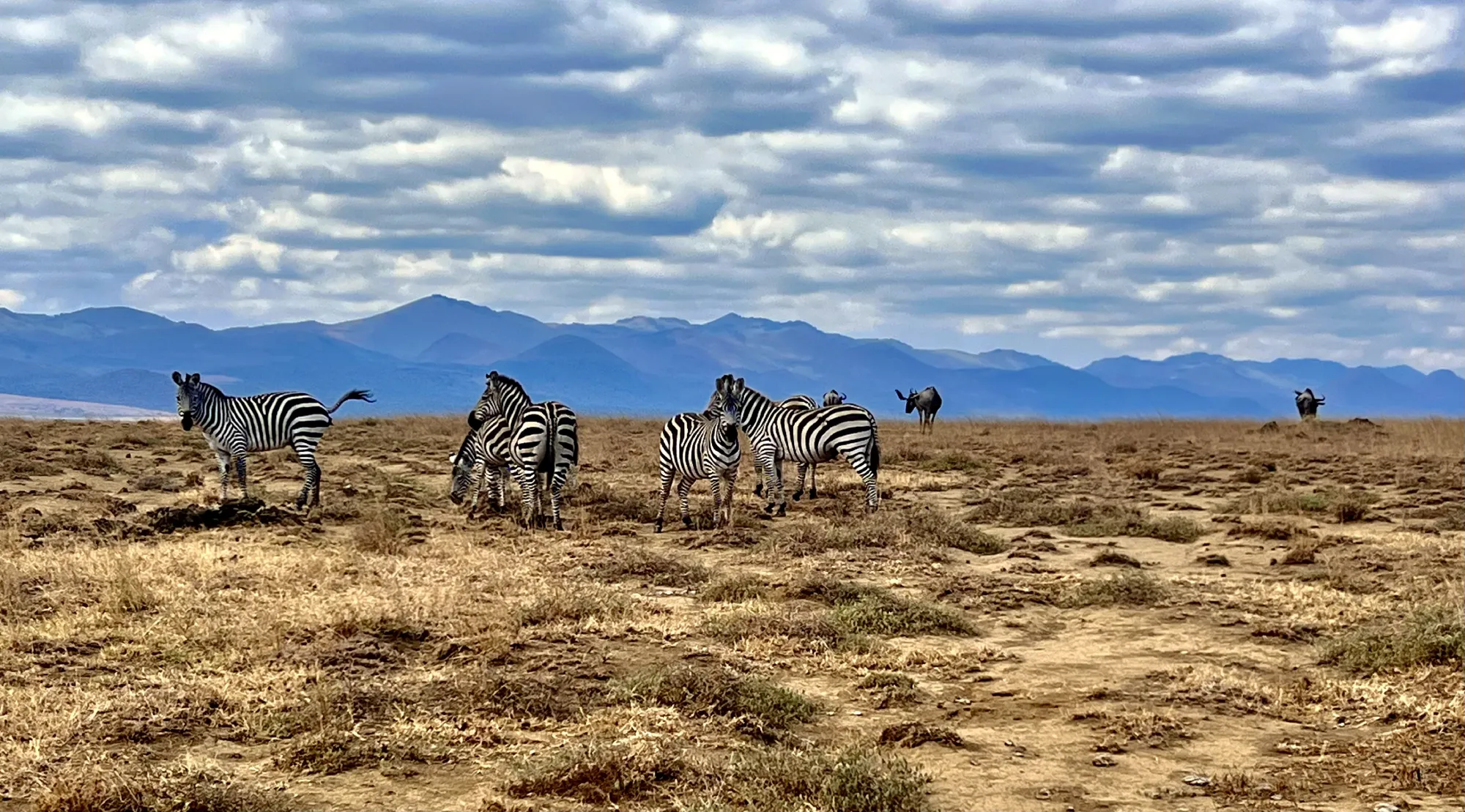
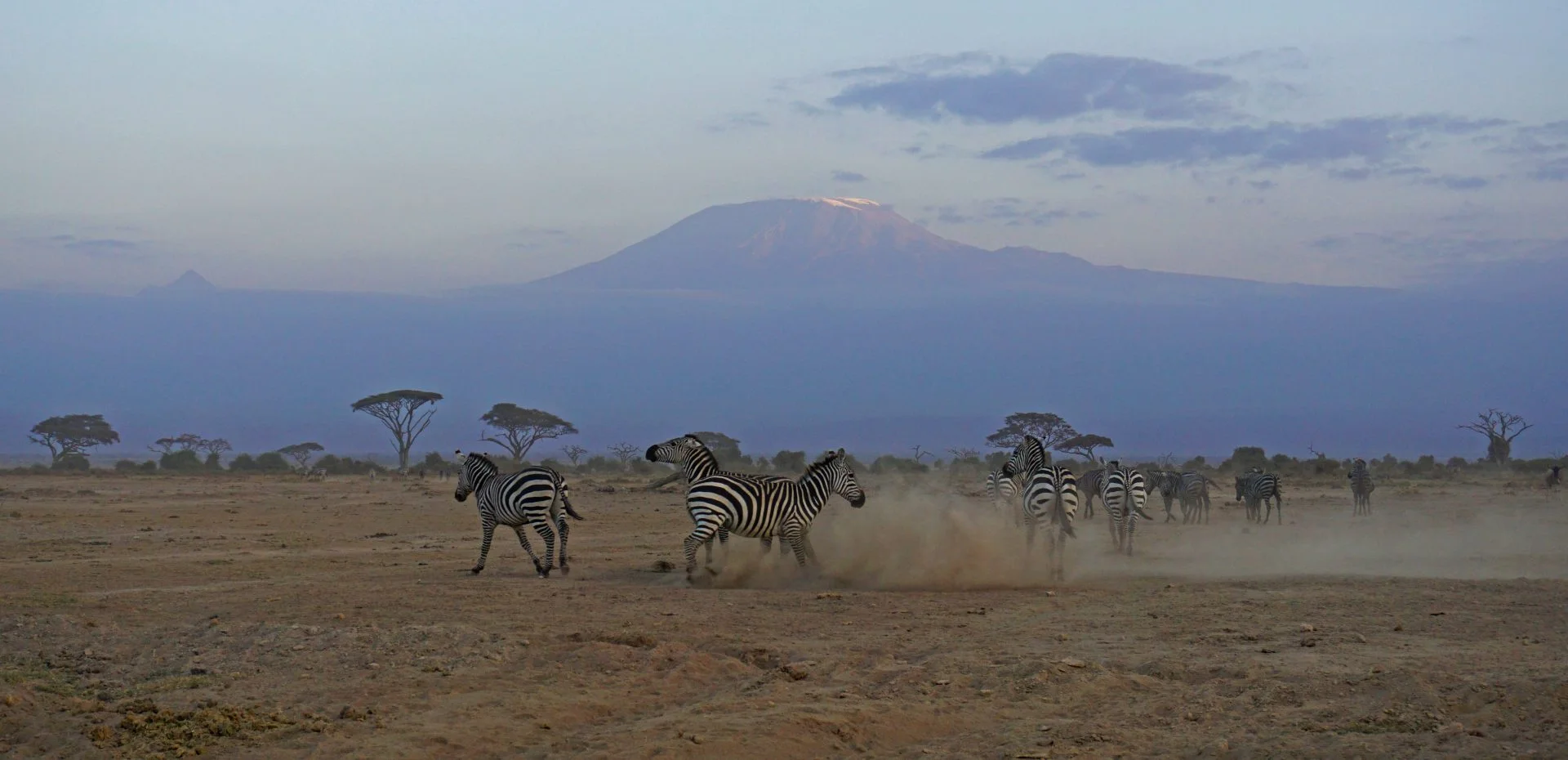
    Large numbers of zebras, wildebeest, and Thomson’s gazelles traverse the crater floor. These herbivores form the backbone of the food chain, attracting numerous predators and ensuring a dynamic ecological balance. The seasonal migrations of these species are well-documented, and Ngorongoro serves as a critical staging ground where their numbers can be observed in high densities, offering excellent opportunities for wildlife photography and ecological studies.

    Spotted Hyenas and Jackals

    The edges of herds in Ngorongoro are often guarded by spotted hyenas and jackals. Hyenas, known for their complex social structures and vocal communications, play an important role in the ecosystem as scavengers and hunters. Jackals, though smaller, contribute to the ecological balance by preying on smaller animals and helping to control the population of rodents and other species.

    Hippos

    Hippos are a common sight in Ngorongoro’s freshwater pools and along riverbanks. These massive semi-aquatic mammals are known for their territorial behavior and can often be seen wallowing in water to keep cool during the heat of the day. The presence of hippos is a clear indicator of healthy water sources within the crater, which are vital for the survival of many species during the dry season.

    Flamingos at Lake Magadi

    Flamingo Birds Lake Magadi Birdlife
    Flamingos at Lake Magadi – A Birdwatching Paradise!

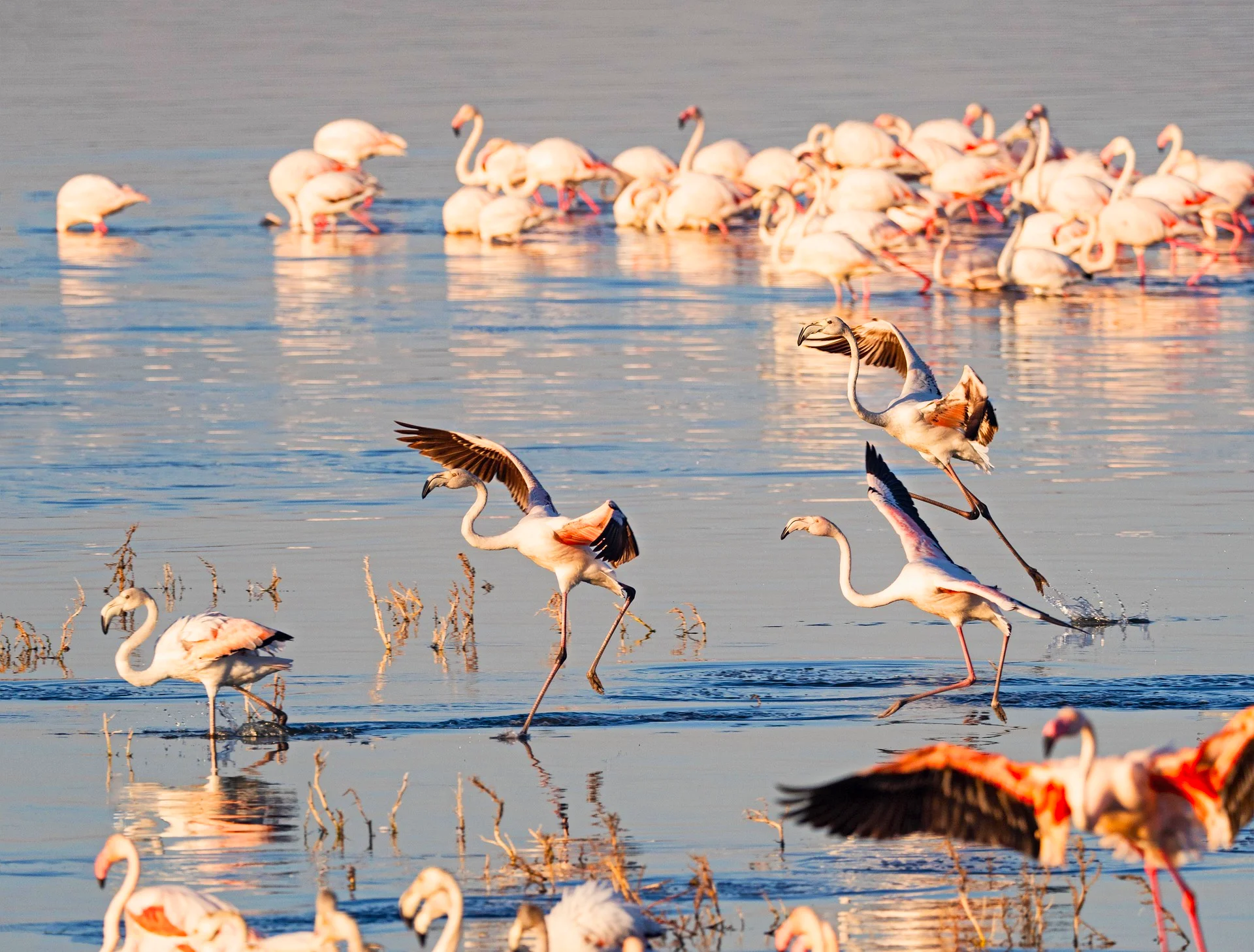
    The alkaline waters of Lake Magadi, located on the crater floor, create a surreal spectacle when decorated with flamingos. Both lesser and greater flamingos can be seen, their vivid pink plumage contrasting sharply with the muted tones of the surrounding landscape. The lake’s unique chemistry supports a thriving population of algae and small invertebrates, which serve as the primary food source for these birds. This phenomenon is not only a visual delight but also an important subject for ornithological research in Ngorongoro.

    A Birdwatching Paradise

    With over 500 recorded bird species, Ngorongoro is a haven for birdwatchers and ornithologists alike. The crater’s diverse habitats—from open grasslands to wooded areas and alkaline lakes—create a mosaic of environments that support a wide range of birdlife.

    Grey Crowned Cranes

    Grey crowned cranes are among the most striking birds in Ngorongoro. Their elegant plumage and distinctive crown of feathers make them easy to identify, and their presence is often associated with healthy wetland ecosystems.

    Augur Buzzards

    The augur buzzard is a formidable raptor commonly seen soaring above the crater. Its keen eyesight and aerial prowess make it an efficient hunter, and its silhouette against the Tanzanian sky has become synonymous with the Ngorongoro experience.

    Kori Bustards

    Kori bustards, some of the largest flying birds in the world, can be observed foraging on the open grasslands of the crater. Their size and slow, deliberate movements are a reminder of the ancient and timeless character of the African savannah.

    Secretary Birds

    Secretary birds, with their long legs and striking appearance, are another highlight for bird enthusiasts. Known for their skill in hunting snakes and small mammals, these birds add a unique dimension to Ngorongoro’s avian diversity.

    The Scientific and Ecological Significance of Ngorongoro

    Ngorongoro’s well-preserved ecosystem provides an unparalleled opportunity for scientific research and ecological study. The concentration of diverse species within the crater has made it a living laboratory for conservationists and ecologists. Long-term monitoring projects have helped researchers understand predator-prey dynamics, the impacts of climate change on migratory patterns, and the effectiveness of various wildlife management strategies. The data gathered continues to inform broader conservation efforts across Tanzania and beyond.

    Things to See and Do in Ngorongoro

    Game Drives in the Crater

    The classic Ngorongoro game drive is a once-in-a-lifetime experience. Descending into the crater in the early morning mist, you’re immediately immersed in a dramatic landscape teeming with wildlife. Most safaris operate on a half-day or full-day basis, with picnic stops near the Ngoitoktok Springs.

    Visit Olduvai Gorge

    Take a break from wildlife watching to explore the Olduvai Gorge Museum. Here you’ll learn about the archaeological finds that reshaped our understanding of human ancestry. You can even visit the excavation sites where early hominin fossils were unearthed.

    Maasai Culture Heritage Colorful Beads Handicrafts Souvenirs
    Rich Maasai Cultural Heritage

    Cultural Tours with the Maasai

    Interact with the Maasai communities who live within the conservation area, offering a unique window into a culture that has thrived for centuries. Cultural tours provide an authentic glimpse into the Maasai way of life, where daily routines include herding cattle and goats across the open savannah—a practice that has sustained their communities for generations.

    Visitors can observe the meticulous art of beadwork, a traditional craft with deep symbolic meaning, and witness the energetic singing and jumping dances that have been passed down through generations as a celebration of life and unity. Many Maasai villages welcome tourists to participate in community ceremonies, where you can learn about their age-old customs and even purchase handmade crafts, contributing to local economic development and cultural preservation. Additionally, these tours often include discussions on sustainable grazing practices and the role of traditional medicine, providing insight into how the Maasai have harmoniously managed natural resources for centuries.

    Hike the Crater Rim

    Ngorongoro Crater Rim Hiking Tour Safari Experience Scenery View
    Hiking the Ngorongoro Crater Rim – an Unmissable Part of the Ngorongoro Safari Experience!

    For adventurous travelers, guided hikes along the Crater rim reveal stunning panoramic views. You may see elephants in the forest, and the cool highland air makes it a great alternative to vehicle-based safaris.

    Empakaai and Olmoti Craters

    While the Ngorongoro Crater gets the spotlight, nearby Empakaai and Olmoti craters offer incredible hiking opportunities. Empakaai features a soda lake frequented by flamingos, while Olmoti has waterfalls and forest trails ideal for birdwatching.

    Lake Eyasi Excursion

    Further afield, a trip to Lake Eyasi introduces travelers to the Hadza people, one of Tanzania’s last remaining hunter-gatherer tribes. This is a raw and authentic cultural experience unlike any other.

    Fast Facts and Travel Stats About Ngorongoro

    • Location: Arusha Region, Northern Tanzania
    • Size: Approximately 8,292 km² (Ngorongoro Conservation Area)
    • Crater size: 260 km², 600 meters deep
    • Wildlife population: Over 25,000 large mammals
    • Bird species: Over 500
    • Black rhinos: Fewer than 50 remain
    • Altitude: Rim elevation ranges from 2,200 to 2,400 meters above sea level
    • Best time to visit: June to October (dry season), although year-round visits are possible

    Where to Stay in Ngorongoro

    Ngorongoro Crater Lodge (by &Beyond)

    Often dubbed the “Versailles of Africa,” Ngorongoro Crater Lodge is renowned for its opulent interiors and expansive views of the crater. The lodge features architecture inspired by traditional Tanzanian designs combined with modern comforts. Guests can enjoy fine dining, guided safari drives, and meticulously designed outdoor spaces that blend luxury with the natural environment. Its location on the crater rim provides a unique vantage point for both sunrise and sunset views over the vast landscape.

    The Highlands

    Situated at a higher altitude, The Highlands offers a distinctive retreat with domed suites that echo traditional East African architectural motifs. Guests benefit from uninterrupted views of the surrounding highlands and the nearby Olmoti Crater. This lodge is designed to integrate with its natural surroundings, providing both comfort and an immersive experience in one of Tanzania’s most unique environments.

    Sanctuary Ngorongoro Crater Camp

    Sanctuary Ngorongoro Crater Camp provides an exclusive tented safari experience that is close to the crater floor access road. The camp is designed for guests seeking an intimate connection with nature while enjoying modern amenities. It offers well-appointed tents, communal dining areas, and opportunities to participate in guided game drives and cultural excursions. Its proximity to the crater floor ensures that wildlife sightings are often just a few steps away.

    Mid-Range and Budget Options

    Rhino Lodge

    Rhino Lodge is a simple and cozy option that offers excellent value without compromising on location. Situated close to the crater rim, it provides easy access to wildlife viewing areas. The lodge features basic yet comfortable accommodations with local décor, making it a popular choice for budget-conscious travelers who still wish to experience the magic of Ngorongoro up close.

    Ngorongoro Serena Safari Lodge

    Ngorongoro Serena Safari Lodge combines comfort with traditional architecture, reflecting the local cultural heritage. With rooms offering panoramic views of the crater and well-maintained grounds, the lodge provides a balance between modern amenities and an authentic safari experience. It is well-suited for travelers who prefer a blend of style, convenience, and cultural immersion.

    Karatu Town Lodges

    For those looking for economical options, lodges in Karatu Town offer several budget-friendly choices. Establishments such as Country Lodge and Marera Valley Lodge provide basic but clean accommodations within a short drive of the crater gate. These lodges often serve as a practical base for travelers planning extended stays or multi-destination trips throughout northern Tanzania.

    Each accommodation option around Ngorongoro is designed to cater to different travel needs while providing access to the natural splendor and wildlife of this iconic region. Whether you choose luxury, mid-range, or budget lodging, your stay in the Ngorongoro area will offer a comfortable and memorable experience steeped in the beauty and heritage of Tanzania.

    Famous Visitors and Historical Anecdotes

    Ngorongoro has long attracted explorers, royals, and celebrities alike, all drawn to its mesmerizing blend of wildlife, history, and cultural richness. The awe-inspiring landscapes and unparalleled safari experiences make it a magnet for those seeking both adventure and a connection to Africa’s ancient heritage. Today, its timeless appeal continues to captivate global travelers, promising an unforgettable journey into nature’s heart.

    Prince William and Kate Middleton

    The royal couple visited Ngorongoro during their gap year travels before their engagement. It’s rumored that the pristine scenery and rich wildlife inspired the prince’s decision to propose in neighboring Kenya’s Lewa Conservancy.

    Louis and Mary Leakey

    In the 1930s and 50s, the Leakey family conducted groundbreaking excavations at Olduvai Gorge, discovering fossil remains of Homo habilis and early stone tools. Their work established Tanzania as a cornerstone of paleoanthropology.

    Ernest Hemingway

    While not known to have entered the crater, Hemingway wrote passionately about his African travels in Green Hills of Africa, and the Ngorongoro Highlands were part of the same landscape he fell in love with.

    Travel Tips for Visiting Ngorongoro

    Getting There

    • By Air: Fly into Arusha Airport or Kilimanjaro International Airport, then drive (~3–4 hours) to Ngorongoro. Charter flights can also land at the Lake Manyara Airstrip.
    • By Road: Most visitors arrive via 4×4 safari vehicles as part of a Northern Circuit safari, often combining Ngorongoro, Serengeti, and Lake Manyara.

    Park Fees

    As of 2025, the entrance fee to the Ngorongoro Conservation Area is:

    • $70 per adult per day (plus 18% VAT)
    • $295 per vehicle for a day visit to the crater floor

    Fees are subject to change, so it’s best to confirm with your tour operator.

    What to Pack

    • Warm layers for chilly mornings at the crater rim
    • Binoculars and camera with zoom lens
    • Sunscreen and wide-brimmed hat
    • Comfortable walking shoes for hikes
    • Reusable water bottle

    Why Ngorongoro Should Be on Every Traveler’s Bucket List

    Few places on Earth combine dramatic geology, rich wildlife, and deep cultural history as effortlessly as Ngorongoro. Whether you’re a seasoned safari-goer or a first-time visitor to Africa, Ngorongoro offers something truly unique: the chance to stand on the edge of an ancient crater and look down on a landscape that feels untouched by time.

    From watching lions stalk prey in the crater’s golden grasslands to contemplating humanity’s origins at Olduvai Gorge, a visit to Ngorongoro is more than a safari—it’s a journey into the heart of the planet’s most profound natural and cultural heritage.

    Embrancing the Wonders of Ngorongoro

    A trip to Ngorongoro is not just about ticking wildlife off your list; it’s about immersing yourself in a world where nature and history converge. This is a place where every sunrise over the crater rim offers a glimpse into the ancient past, and each sunset paints the landscape with a palette of awe-inspiring colors. Whether you’re gazing into the misty depths of the crater, listening to Maasai warriors recount their traditions passed down through generations, or standing in the very spot where early humans once roamed, Ngorongoro is an experience that etches itself into your memory.

    Ngorongoro’s rich tapestry of life is not merely a visual spectacle; it is a living, breathing classroom where the story of evolution unfolds before your eyes. The scientific significance of sites like Olduvai Gorge and the conservation success stories found within the crater offer profound insights into our planet’s history and the intricate balance of nature. As you traverse the diverse ecosystems—from open grasslands to dense woodlands—you become part of a continuum that connects the past with the present.

    Plan wisely, travel respectfully, and prepare to be amazed. Embrace the chance to experience a landscape where every detail, from the low hum of the savannah to the distant call of a lion, tells a story of resilience, adaptation, and beauty. Ngorongoro awaits you with open arms, inviting you to not only observe its wonders but also to understand and appreciate the deep historical and ecological narratives that define this unique destination.

    More Safari Articles

    https://wanderlusttrails.africa/serengeti-safari-epic-moments-experience/
    https://wanderlusttrails.africa/bwindi-things-to-see-and-do-jungle-escape/
    https://wanderlusttrails.africa/lake-nakuru-national-park-safari-paradise/
    https://wanderlusttrails.africa/maasai-mara-safari-wildlife-adventure/
  • 20 Magical Things to See and Do in Bwindi for the Ultimate Jungle Escape

    20 Magical Things to See and Do in Bwindi for the Ultimate Jungle Escape

    In the far reaches of southwestern Uganda, where the roads wind through terraced hills and clouds hang low over ancient rainforest, lies a place that feels untouched by time — Bwindi Impenetrable National Park. Far from the bustling streets of Kampala, this is no ordinary destination. It’s a sanctuary of mist and mystery, of deep green canopies and slow-moving mountain gorillas that lock eyes with you in silent recognition.

    For the traveler who longs to step off the beaten path and into the heart of something wild, Bwindi offers a soul-stirring adventure unlike any other. From world-class gorilla trekking to intimate cultural encounters and biodiversity that boggles the mind, this is one of Africa’s most magical landscapes — and it’s waiting to be explored.

    Things to See and Do in Bwindi

    Nestled deep in the emerald mountains of Uganda, Bwindi Impenetrable National Park is a place where adventure, wonder, and conservation converge. While its name conjures visions of gorilla trekking — and rightly so — Bwindi is full of surprises for those who take time to look beyond the headlines. This ancient rainforest, alive with the calls of primates and birds, offers a full suite of immersive experiences.

    Gorilla Trekking in Bwindi: The Ultimate Wildlife Encounter

    Bwindi Impenetrable Forest Gorilla

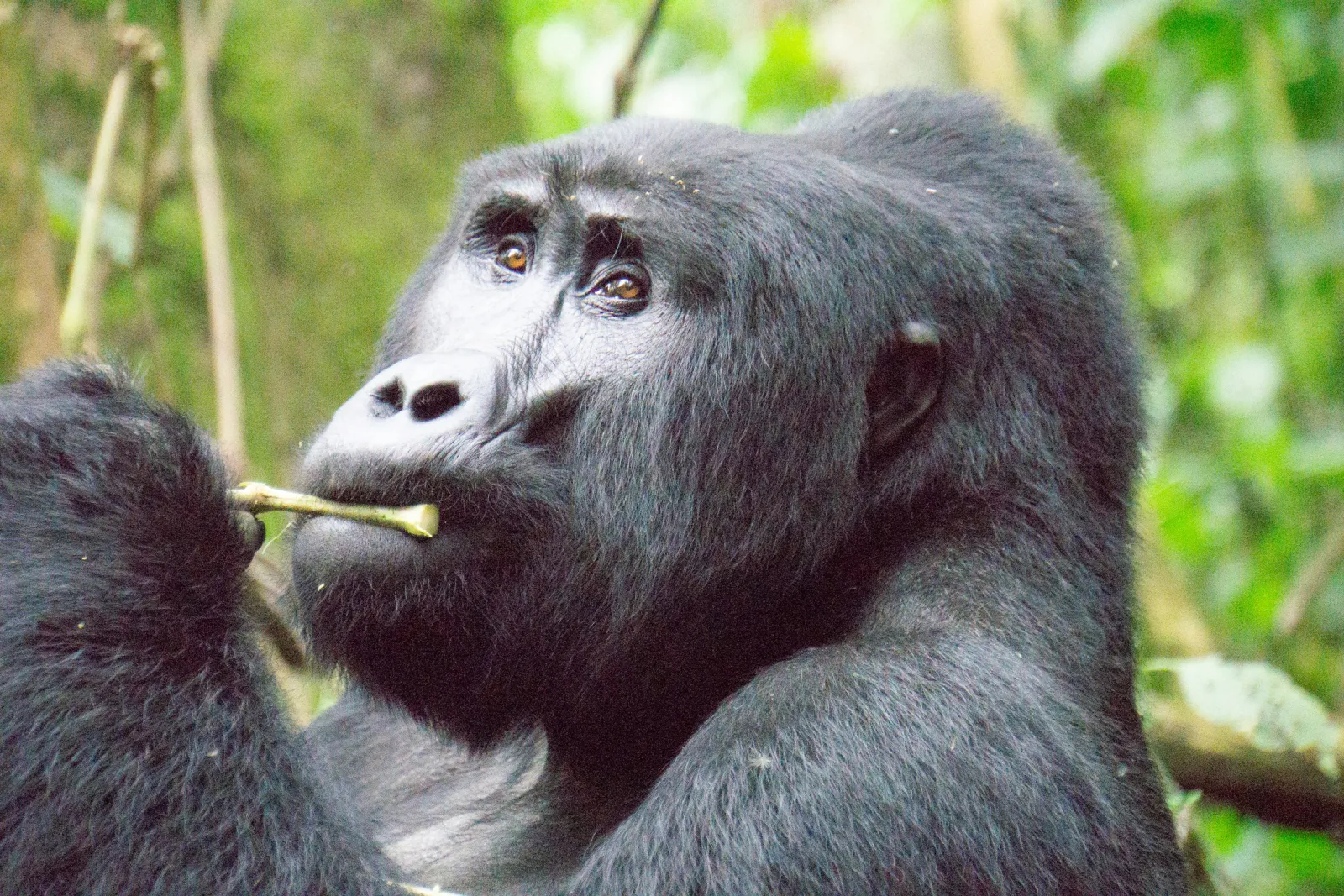
    The most iconic activity in Bwindi — and arguably in all of East Africa — is gorilla trekking. Home to nearly half of the world’s remaining mountain gorillas, Bwindi Impenetrable National Park is the beating heart of Uganda’s conservation story. Here, in the cool mists of ancient rainforest, you can embark on a journey that is as emotional as it is unforgettable — a face-to-face encounter with one of our closest animal relatives.

    Gorilla trekking in Bwindi starts early in the morning at one of four trailheads: Buhoma, Ruhija, Rushaga, or Nkuringo. Each sector is home to several habituated gorilla families, and each offers a unique landscape, from steep ridges to bamboo thickets and dense undergrowth. After a pre-trek briefing by Uganda Wildlife Authority (UWA) rangers, visitors are grouped into parties of up to eight and assigned a specific gorilla family to track.

    With expert trackers leading the way, you’ll begin your trek into the forest. The experience is unpredictable — and that’s what makes it so special. Some treks are short and relatively easy; others can last up to six hours, depending on the movement of the gorillas. As you push through thick vegetation and climb slippery slopes, the anticipation builds with every step. Bwindi’s trails are rugged, sometimes muddy, often steep — but incredibly rewarding.

    When you finally reach your assigned gorilla family, you’ll be granted one sacred hour in their presence. That hour is pure magic. You might see a silverback watching calmly from his throne of vines, or a mother cradling her infant as siblings tumble through the undergrowth. The young ones may beat their chests, mimic your gestures, or approach you out of innocent curiosity. Rangers keep a watchful eye and maintain a respectful distance, but the connection feels deeply intimate. It’s a moment that stops time — raw, real, and humbling.

    Gorilla trekking in Bwindi is also a conservation success story. The population of mountain gorillas has grown in recent decades, thanks in large part to tightly regulated tourism. Permits — which cost $700 for foreign non-residents — fund anti-poaching patrols, veterinary care, and local community development projects. Every trekker plays a part in protecting these extraordinary creatures and the fragile forest they call home.

    You don’t need to be an athlete to do a gorilla trek, but a moderate level of fitness helps. The terrain can be challenging, especially in sectors like Nkuringo where the slopes are steeper. That said, porters are available to carry your bag and assist you on the trail — and hiring one directly supports local livelihoods. Whether it’s your first wildlife experience or the crown jewel in a seasoned traveler’s safari journey, gorilla trekking in Bwindi delivers something truly rare: a genuine, unscripted connection with the wild.

    It’s not just the highlight of your trip to Uganda — it might just be the highlight of your life.

    Gorilla Habituation Experience: Four Hours with the Wild

    Bwindi Impenetrable National Park Forest Jungle Gorilla Tree

    If one hour with gorillas leaves you wanting more — and for most travelers, it absolutely does — then the Gorilla Habituation Experience in Bwindi offers a deeper, more immersive alternative. This rare opportunity, available only in the Rushaga sector of Bwindi Impenetrable National Park, allows you to spend up to four full hours with a semi-habituated gorilla family. It’s the kind of intimate, behind-the-scenes wildlife experience few places in the world can offer — and it’s unlike anything else you’ll do in Uganda or beyond.

    So what exactly is gorilla habituation? It’s the careful, multi-year process through which wild gorillas are slowly introduced to human presence, allowing them to eventually be visited safely by researchers and tourists. Unlike the fully habituated families encountered on standard treks, these gorillas are still adjusting to human observers — which means the experience is raw, unpredictable, and thrillingly real.

    Your day begins early, with a detailed briefing by Uganda Wildlife Authority (UWA) guides and conservation researchers. Group sizes are kept to a strict maximum of four people, making this one of the most exclusive activities in Bwindi. Accompanied by trackers and scientists, you’ll follow the gorillas’ trail through the forest, sometimes beginning where they nested the night before. Because these families are less accustomed to people, they often move more quickly or keep more distance — and locating them can take longer than on a standard gorilla trek. But that’s part of the adventure.

    Once you find the family, you’ll spend up to four hours with them, observing their interactions, feeding patterns, vocalizations, and group dynamics. You might witness a silverback asserting his dominance, mothers grooming their young, or juveniles swinging from low branches, unsure whether to flee or satisfy their curiosity. Because the gorillas are not fully habituated, every movement feels unscripted. You become part of the forest rhythm — not a tourist on the outside, but a quiet observer allowed to witness something rare.

    What sets this experience apart is the learning component. As you walk alongside primatologists and field staff, you’ll gain insights into gorilla behavior, social structure, communication methods, and conservation techniques. You’ll see how researchers take notes, maintain safe distances, and respond to different behavioral cues — making you feel like a part of the team rather than just a visitor.

    Permits for the Gorilla Habituation Experience in Bwindi cost $1,500 per person, and while that price may seem steep, it funds critical conservation efforts. A significant portion goes toward supporting gorilla protection, anti-poaching patrols, local community engagement, and veterinary care — ensuring that both gorillas and humans benefit from sustainable tourism. The limited daily capacity also ensures minimal disruption to the gorillas’ natural behavior.

    The Rushaga sector, where the habituation takes place, is known for its rugged beauty. The terrain can be demanding — often steeper and more remote than other sectors — so a good level of physical fitness is essential. Porters are available and highly recommended. Not only do they ease the physical burden, but their presence supports Bwindi’s wider conservation economy, helping former poachers transition into protectors of the very forest they once exploited.

    For wildlife photographers and documentarians, the habituation trek offers rare creative freedom. With four hours in the presence of the gorillas, you have time to frame better shots, observe evolving behavior, and immerse yourself in storytelling. It’s a unique opportunity to document not just the animals, but the human effort behind their protection.

    In the end, the Gorilla Habituation Experience in Bwindi is not just a wildlife activity — it’s a journey into the heart of conservation itself. You’re not simply watching gorillas; you’re participating in their future. You’re part of a process that bridges the gap between fear and familiarity, wildness and understanding. And when you finally step back from the forest, tired and awe-struck, you’ll carry with you not just photos or memories — but a connection that few people on Earth have ever known.

    If you’re seeking something deeper, more meaningful, and profoundly personal, the Gorilla Habituation Experience in Bwindi is your answer.

    Bird Watching in Bwindi: A Paradise for Avian Enthusiasts

    Bwindi isn’t just for primate lovers — it’s also one of Africa’s top birding destinations. With over 350 bird species, including 23 Albertine Rift endemics, the forest offers a spectacular range of color, song, and motion.

    Rare and sought-after species include the African green broadbill, Shelley’s crimsonwing, and the regal Rwenzori turaco. Whether you’re scanning the canopy for hornbills or tracking the elusive Grauer’s rush warbler near forest streams, birding in Bwindi is a patient, rewarding pursuit. Guided birding walks are available from all park sectors and are especially rewarding in Ruhija and Buhoma.

    Hiking and Nature Walks: Explore Bwindi on Foot

    Bwindi Impenetrable National Park Jungle Forest Clouds

    Beyond gorillas and birds, Bwindi’s ancient trails reveal a world of cascading waterfalls, panoramic viewpoints, and rich biodiversity. Several guided hiking routes are available for those who want to explore the park’s terrain in more depth.

    The Muyanga Waterfall Walk is a short but scenic route starting from Buhoma, leading to a beautiful 33-meter waterfall tucked into thick forest. For sweeping vistas, the Rushura Hill Trail offers views stretching into the Congo and across Lake Edward. The Muzabajiro Loop is another favorite, winding through ridgelines frequented by monkeys and warthogs.

    These nature walks are a chance to slow down and truly absorb the rainforest’s sights, sounds, and fragrances. They also increase your chances of spotting Bwindi’s other wildlife — including duikers, bush pigs, and rare chameleons.

    Cultural Encounters with the Batwa People

    Long before Bwindi Impenetrable Forest became a protected area, it was home to the Batwa — a forest-dwelling indigenous group sometimes referred to as “the keepers of the forest.” Today, through carefully managed cultural programs, visitors can learn about the Batwa’s traditional way of life, from hunting and gathering techniques to spiritual rituals and herbal medicine.

    A Batwa cultural encounter typically includes forest walks, storytelling, traditional music, and demonstrations of ancient survival skills. It’s not a performance — it’s a living history experience that sheds light on a people whose identity was shaped by the forest they once called home.

    Mountain Biking: Ride Through the Jungle’s Edge

    Looking for a different way to experience Bwindi’s wild landscapes? Try mountain biking, particularly the 13-kilometer trail from Buhoma to the Ivi River. Organized by community initiatives like Ride 4 a Woman, this ride is both scenic and impactful, supporting women’s empowerment projects in the region.

    The route winds through lush vegetation, open farmland, and pockets of forest where you might spot monkeys or bushbucks along the way. It’s a great way to mix adventure with local engagement — and an exhilarating ride you’ll remember long after you’ve dismounted.

    Community Walks: Connect with Local Life

    Beyond the boundaries of Bwindi lies a network of vibrant communities with their own stories to tell. Guided village walks offer insight into rural Ugandan life — think banana beer brewing, basket weaving, blacksmithing, and visits to local schools or health centers.

    These interactions aren’t just about observation; they’re about cultural exchange. Visitors often come away deeply moved by the hospitality, resilience, and resourcefulness of the people who live alongside the forest. Plus, your participation helps funnel income directly into conservation-linked community development.

    Canoeing on Lake Mutanda: Tranquility Near Bwindi

    Bwindi Lake Canoeing Lake Mutanda

    Just south of Bwindi lies the crystalline Lake Mutanda, a postcard-perfect gem surrounded by volcanoes and terraced hills. A canoeing trip here offers the perfect change of pace — a serene, meditative journey through placid waters, passing small islands and traditional fishing villages.

    The birdlife is prolific, the air is cool, and the scenery is unbeatable. It’s ideal for a post-trek cooldown or a romantic interlude before heading back to the bustle of civilization.

    Wildlife in Bwindi: Beyond the Gorillas

    Bwindi is famous for gorillas, but its rainforest ecosystem is a living ark of biodiversity. From elusive forest elephants to duikers, rare birds, and tiny three-horned chameleons, Bwindi’s hidden residents make this park one of the most ecologically rich places in Africa.

    Primates

    Beyond gorillas, Bwindi is home to over 10 other primate species. Keep an eye out for L’Hoest’s monkeys, red-tailed monkeys, blue monkeys, and black-and-white colobus monkeys swinging through the treetops. You might also hear the eerie cries of bush babies at night or catch a glimpse of chimpanzees, though sightings are rare.

    Mammals

    There are 120 mammal species recorded in Bwindi. These include forest elephants, giant forest hogs, bush pigs, yellow-backed duikers, blue duikers, and bushbucks. Elusive predators like the African golden cat and civets roam the denser sections of the park, while clawless otters haunt forest streams.

    Birds

    With over 350 bird species, Bwindi Impenetrable Forest is a birder’s paradise. Highlights include the African green broadbill, Shelley’s crimsonwing, Rwenzori turaco, handsome francolin, and grauer’s rush warbler. The diversity is staggering — and even casual walkers are likely to hear or see something rare.

    Reptiles, Amphibians, and Insects

    Bwindi is home to three-horned chameleons, colorful frogs, and a dazzling variety of butterflies — over 200 species. Insects thrive in the rich undergrowth, from jewel-toned beetles to fireflies and forest ants. It’s a haven for macro photographers and wildlife lovers with a keen eye.

    Nocturnal Life

    At night, Bwindi hums with a different kind of energy. Owls, hyraxes, bush babies, genets, and porcupines become active under the cloak of darkness. Though night walks aren’t allowed inside the park, nearby lodges and community areas offer guided experiences that reveal the park’s after-hours magic.

    Fascinating Facts About Bwindi

    • Bwindi Impenetrable National Park is a UNESCO World Heritage Site for both biodiversity and ecological importance
    • It protects nearly half of the world’s mountain gorillas
    • The forest is over 25,000 years old, making it one of Africa’s most ancient ecosystems
    • The name “Bwindi” means “place of darkness” in Runyakitara
    • The park spans 331 square kilometers, with elevations from 1,160 to 2,607 meters
    • It lies in the Albertine Rift, one of the world’s top biodiversity hotspots
    • Bwindi is home to over 120 mammal species, 350 birds, and 200 butterflies
    • The Batwa people are the forest’s original inhabitants
    • There are four trekking sectors: Buhoma, Ruhija, Rushaga, and Nkuringo
    • Gorilla permits cost $700, and the Gorilla Habituation Experience costs $1,500
    • Tourism in Bwindi directly supports conservation and local communities

    Travel Tips for Visiting Bwindi

    Book Your Gorilla Permit Early

    Bwindi Impenetrable National Park Forest Jungle

    Secure your gorilla trekking permit 3–6 months in advance, especially during peak travel months. Permits are limited and sell out fast.

    Choose the Right Sector

    Each trekking sector offers a different experience. Buhoma is great for first-timers, Rushaga is perfect for habituation treks, and Nkuringo offers steep, scenic routes.

    Pack Smart

    Bring waterproof gear, durable hiking boots, long sleeves, insect repellent, gloves, and a walking stick. A good camera and dry bag are also must-haves.

    Hire a Porter

    Porters carry your gear and help with the terrain — and your small fee supports former poachers turned conservation champions.

    Be Fit

    Treks can last 1–6 hours through hilly terrain. Prepare with cardio, hiking, or stair workouts before your trip.

    Respect the Rules

    Maintain your distance from gorillas, follow your guide’s instructions, and don’t trek if you’re sick. Conservation depends on responsible visitors.

    Bring Cash

    Most lodges and communities around Bwindi don’t accept cards. Carry enough Ugandan Shillings for tips, crafts, and small purchases.

    Support Local

    Choose community-run tours and eco-lodges. Your tourism dollars fund schools, clinics, and sustainable livelihoods for locals.

    Take Your Time

    Bwindi isn’t just a tick-the-box destination. Give yourself enough days to explore its trails, meet its people, and connect with the rhythm of the forest.

    Why Bwindi Will Stay With You Forever

    Bwindi isn’t the kind of place you visit and forget. It lingers. Long after the mud has dried on your boots and the forest sounds have faded into memory, something about this mountain jungle stays rooted in your soul. It might be the breathless moment you stood meters away from a silverback gorilla. Or the laughter shared with Batwa elders under the canopy of their ancestral home. Or maybe it’s the sheer aliveness of a forest that has existed for tens of thousands of years and continues to pulse with life.

    Whatever your reason for coming, you leave Bwindi changed. Humbled. Awed. Reconnected with the raw, untamed side of nature — and of yourself. So pack your hiking boots, charge your camera, and open your heart to the forest. Bwindi is calling, and it’s not just another stop on your African itinerary. It’s the beginning of a story you’ll tell for the rest of your life.

  • Serengeti Dreams: A Journey Through Africa’s Living Eden

    Serengeti Dreams: A Journey Through Africa’s Living Eden

    There are few places left on Earth where you can watch life unfold in its rawest, most beautiful form—and the Serengeti is one of them. This is a land where lions prowl ancient kopjes, wildebeest run in thunderous rivers of instinct, and the horizon stretches into a golden forever. It’s a place that defies time and logic, where each sunrise feels like the first and every sunset feels like a gift.

    The Serengeti isn’t just a destination; it’s a transformation. Whether you come for the Great Migration, the predator drama, the infinite skies, or the silence between the wind and the grass, this land will show you something that no city ever could: what it means to truly feel alive.

    Wildlife of the Serengeti: Where the Wild Still Rules

    Step into the Serengeti, and you step into one of the greatest wildlife spectacles on Earth—a place where predators stalk the grasslands, herds stretch across the horizon, and every sunrise signals another chapter in nature’s most ancient story. This is a land where the wild doesn’t just exist—it dominates.

    The Big Five: Royalty of the Savannah

    The Serengeti is one of the few places in Africa where you can witness all members of the Big Five in a single journey—lion, leopard, elephant, buffalo, and the elusive black rhino. They’re not just icons; they’re living symbols of power, mystery, and survival.

    You’ll find lions in astonishing numbers—over 3,000 roam the park, often draped over rocks in the kopjes or prowling the open plains in coordinated hunting groups. Their roars echo across the land at dusk, a deep, primal sound that shakes the air and your soul.

    The leopard, in contrast, moves like a ghost. It prefers the solitude of trees and riverbanks, where it hides during the day and hunts by night, its rosette-spotted coat melting into dappled shadows.

    Elephants, intelligent and gentle yet impossibly strong, can be seen moving in tight-knit family groups, ears flapping softly, trunks brushing against each other with quiet affection. You might spot them near acacia groves or grazing silently in the woodlands.

    The Cape buffalo, with its powerful build and unpredictable temperament, appears in massive herds across the plains—majestic but always watching.

    The Great Migration: Earth’s Last Great Movement

    The beating heart of the Serengeti is the Great Migration—a never-ending circle of life that sees more than 1.5 million wildebeest, 300,000 zebras, and 500,000 gazelles thunder across the plains in pursuit of fresh pasture and survival.

    Together, they travel nearly 1,000 kilometers (620 miles) in search of fresh grazing and water—a journey as perilous as it is awe-inspiring, involving dramatic river crossings, predator ambushes, and the sheer instinct of survival.

    It’s a moving force of nature that knows no borders, driven by instinct and rain. You can hear the migration before you see it—the low grunts, the rhythmic pounding of hooves, and the tension in the air as predators close in.

    Between July and October, the herds reach the Mara River, where crocodiles lie in wait beneath the surface. The crossings are chaotic and unforgettable—wildebeest hurling themselves into the current, calves bleating, and crocs striking with terrifying precision.

    Come December to March, the migration returns to the southern Serengeti, where the herds calve en masse. In just a few weeks, over 500,000 wildebeest are born, turning the plains into a nursery—and a hunting ground for predators.

    Predators and the Drama of Survival

    The Serengeti is a predator’s paradise. Lions rule in numbers, but they share the land with a deadly cast of carnivores.

    The cheetah, with its elegant build and tear-streaked face, hunts in daylight across the open plains. You might catch one crouched low in the grass, scanning the horizon, muscles coiled like springs. When it runs, it becomes a blur—sprinting at speeds of up to 70 mph in explosive bursts.

    The spotted hyena is the Serengeti’s misunderstood genius. Intelligent, strategic, and highly social, hyenas often hunt in packs, making their own kills rather than just scavenging. Their haunting whoops fill the air at night, a sound as eerie as it is iconic.

    In rarer moments, you might glimpse the African wild dog, elusive and critically endangered. With their large, rounded ears and mottled coats, they move like shadows—coordinated, silent, and deadly efficient.

    Jackals, servals, and caracals also stalk the grasslands, each with their own rhythms and territories. Predation here isn’t spectacle—it’s survival. Every encounter is a reminder of the delicate balance between life and death.

    Giants, Grazers, and the Great Herds

    Beyond the drama of predator and prey, the Serengeti pulses with peaceful giants and tireless grazers.

    You’ll see giraffes moving with slow grace, their long necks swaying among the acacia trees as oxpeckers clean their backs. Warthogs trot across the grass with comically stiff tails, often disappearing into burrows at the first sign of danger.

    Hippos, though rarely seen on land by day, crowd river pools in dense pods—grunting, splashing, and occasionally baring their impressive teeth in yawns that double as warnings.

    And in the quieter, wetter parts of the park, waterbucks, eland, topi, and reedbuck browse the tall grass. Herds of impala leap through thickets with delicate speed, while dik-diks, the tiniest antelope, dart like nervous shadows.

    A Symphony in the Skies

    If you look up, the Serengeti offers another show—more than 500 bird species, from giant raptors to tiny, jewel-colored finches.

    You might spot the towering ostrich, striding across the plains with powerful legs and vigilant eyes. The air hums with the wings of hornbills, kingfishers, and the flamboyant lilac-breasted roller, flashing turquoise and violet as it swoops between branches.

    Above the kopjes, the martial eagle circles, scanning the earth for movement, while secretary birds stride across the grass like long-legged warriors, stamping down snakes.

    Even at night, the skies don’t rest. Owls call from the trees, and nightjars flutter silently above the ground in search of insects.

    In the Serengeti, wildlife isn’t something you visit—it’s something you become part of. Every moment holds the possibility of wonder. A flicker of movement in the grass might reveal a hunting cheetah. A quiet rustle could mean a leopard is nearby. And the dust on the horizon? That’s not the wind. It’s life—migrating, hunting, surviving.

    This is where the wild still rules.

    Hemingway, Crashes, and the Serengeti That Refused to Let Go

    In 1954, the legendary writer Ernest Hemingway found himself soaring over the vast Serengeti in a small plane, soaking in the golden light that blanketed the endless plains. He had long been enamored with East Africa’s wild, untamed landscapes—a place where man, animal, and myth still collided. This was his second safari in Africa, a post-war attempt to reconnect with something primal and pure.

    But adventure turned to disaster when Hemingway’s plane crashed in the bush while flying over the Belgian Congo, not far from the Serengeti ecosystem. Miraculously, he survived. Battered and bruised but still very much the stubborn man of legend, he and his wife, Mary, were rescued—only for the second plane meant to evacuate them to also crash shortly afterward.

    By the time he made it to medical care, Hemingway was rumored dead. International newspapers even published obituaries, declaring the literary giant lost to the African wild.

    But Hemingway wasn’t gone—just scorched, concussed, and drinking warm gin by the campfire somewhere in the Serengeti bush.

    He later described Africa as a place of unmatched beauty and raw reality. His time in the Serengeti, though marred by accident, solidified it in his legacy as the kind of place that doesn’t just inspire stories—it makes them. He would immortalize parts of his African adventures in works like The Green Hills of Africa and True at First Light.

    The Landscape of Legends: Exploring Serengeti’s Terrain

    The Serengeti is more than just a destination—it’s a living, breathing wilderness. Its landscapes are as iconic as the wildlife that roam them, shaped by millennia of migration, weather, and volcanic history. From the open plains to rocky outcrops and riverine forests, the Serengeti’s terrain is both diverse and deeply evocative.

    Endless Grasslands and Savannah Plains

    The southern and central Serengeti greet you with a horizon that seems to stretch into eternity. These sweeping grasslands are what most people picture when they dream of the Serengeti: a boundless golden expanse, dotted with acacia trees and crisscrossed by the dusty trails of migrating wildebeest. The grass, short and sun-bleached, dances gently in the wind, while the air hums with the soft trills of larks and the distant thudding of hooves.

    Here, visibility is high, and predators like lions and cheetahs thrive. During the calving season (December to March), the landscape transforms into a nursery for over half a million newborn wildebeest, surrounded by the ever-watchful eyes of nature’s most formidable hunters.

    Acacia Woodlands and Riverine Forests

    Move north or west, and the terrain begins to change. Acacia woodlands rise up, their flat-topped trees casting dappled shadows across the undergrowth. These areas feel more intimate and shaded, their cooler air thick with the scent of greenery. Riverine forests follow the course of permanent rivers like the Seronera and Grumeti, attracting elephants, leopards, monkeys, and a dazzling array of birdlife.

    Birdsong echoes between the trees, mingling with the splash of hippos in muddy pools and the occasional crack of branches as elephants move through the forest. This part of the Serengeti feels ancient and hidden—perfect for those seeking quieter moments on safari.

    River Valleys and Seasonal Wetlands

    Rivers like the Mara, Grumeti, and Mbalageti carve deep into the Serengeti, nourishing narrow green belts filled with lush vegetation. In the western corridor, the Grumeti River becomes the setting for one of nature’s most dramatic spectacles: wildebeest trying to cross crocodile-infested waters during the Great Migration.

    The sounds here are raw and alive—the grunting of hippos, the splash of waterbirds, and the explosive charge of a wildebeest herd. In the rainy season, these valleys expand into swamps and wetlands, home to buffalo, elephants, frogs, and a chorus of insects that rises with the setting sun.

    Rolling Hills and Escarpments

    The northern Serengeti, bordering Kenya’s Maasai Mara, is hillier, wilder, and less frequented by tourists. The land undulates with rocky ridges and escarpments, offering elevated views and a sense of rugged grandeur. This is a haven for elusive species like black rhino and African wild dogs. It’s also the site of the famous Mara River crossings during the migration season (July to October), where wildebeest must brave both fast-flowing currents and lurking crocodiles.

    Fertile Volcanic Plains

    Beneath much of the Serengeti lies volcanic soil, born from ancient eruptions in the Ngorongoro Highlands. In the southern Serengeti, this mineral-rich earth feeds the grasses that draw migratory herds after every rainy season. It’s here, in places like Ndutu, that the wildebeest come to calve en masse—a powerful draw for predators, but also a reminder of the delicate balance between life and death on the plains.

    Alkaline Flats and Flamingo Pans

    In the drier months, alkaline pans emerge as white, cracked basins—flat and barren at first glance, but teeming with microscopic life. Some of these areas attract flamingos, painting the landscape pink with their elegant forms, while others offer vital minerals to elephants and other herbivores. They are perhaps the Serengeti’s most underappreciated terrain, quietly supporting the larger ecosystem in invisible ways.

    A Living, Breathing Wilderness

    The Serengeti’s terrain is a journey in itself—from sunburnt grasslands and lush forested valleys to echoing kopjes and shimmering rivers. Each zone is alive with movement and sound: the bellow of buffalo, the chatter of monkeys, the whisper of grass swaying under a lion’s silent stride.

    It’s this breathtaking diversity that makes the Serengeti not just a national park, but one of the last true wildernesses on Earth—a place where every ridge, every tree, every stretch of open land has a role in the rhythm of life.

    Serengeti by the Numbers: A Wild World in Figures

    To understand the Serengeti is to move beyond its breathtaking beauty and into its incredible scale. Behind every lion’s roar and every wildebeest’s hoofbeat lies a set of numbers that make this place not only legendary but unmatched anywhere on Earth. Here’s a closer look at the facts and figures that shape the Serengeti’s story.

    A Vast and Ancient Wilderness

    The Serengeti isn’t just big—it’s colossal. Serengeti National Park alone spans 14,763 square kilometers (5,700 square miles) of protected land, roughly the size of Northern Ireland. But zoom out further and you’ll find that the greater Serengeti ecosystem—including the Ngorongoro Conservation Area and Kenya’s Maasai Mara—covers a staggering 30,000 square kilometers (11,600 square miles).

    This is a landscape that has remained ecologically intact for over two million years, making it one of the oldest continuous ecosystems on the planet. Its rhythms of life and death, migration and rebirth, have been playing out here for millennia, uninterrupted.

    A Predator’s Playground

    If the Serengeti is a theatre of life, then its predators are the lead actors—stalking, sprinting, and surviving in one of the most densely carnivorous environments on the planet.

    • With over 3,000 lions, the Serengeti holds the highest lion population density in the world. You’ll find them sleeping on kopjes, hunting across the plains, or lounging in the shade with cubs at their feet.
    • Leopards, stealthy and solitary, number around 1,000 and are often spotted draped over tree limbs or slinking through woodlands.
    • Cheetahs—lightning-fast and ever-watchful—number 250 to 300 and thrive in the open southern plains.
    • Spotted hyenas, unfairly maligned but brilliant hunters in their own right, exist in astonishing numbers: over 6,000 across the ecosystem.

    And then there are the crocodiles—prehistoric titans lying in wait beneath the murky waters of the Mara and Grumeti Rivers, turning the migration’s river crossings into scenes of chaos and awe.

    Giant Gatherings and Gentle Giants

    The Serengeti is home to more than just predators and prey. It also harbors some of Africa’s most majestic giants:

    • Elephants, numbering between 2,000 and 3,000, roam the woodlands and riverbanks, their herds moving with an ancient, deliberate grace.
    • Cape buffalo, powerful and unpredictable, are a common sight—often seen in massive herds across the central plains.
    • Giraffes move like sentinels on stilts through acacia groves, while warthogs scamper by, tails pointed skyward like comic relief in an epic tale.

    A Sky Alive with Wings

    For birdwatchers, the Serengeti is paradise. Over 500 bird species take flight across its skies, from giant ground dwellers to nimble aerial hunters:

    • The ostrich, Earth’s largest bird, strides through the grasslands in pairs or small flocks.
    • Raptors like the martial eagle, tawny eagle, and the unmistakable secretary bird dominate the sky.
    • And among the trees, you’ll hear the flutter and whistle of the lilac-breasted roller, a burst of color in flight.

    In wetter regions, flamingos flock to alkaline pans, herons stalk fish in shallows, and crowned cranes perform delicate courtship dances on the floodplains.

    Protected, Celebrated, and Globally Recognized

    • Established in 1951, Serengeti National Park is one of Africa’s oldest and most revered parks.
    • It was declared a UNESCO World Heritage Site in 1981, recognized for its unique biodiversity and untouched ecological processes.
    • It has been voted Africa’s Leading National Park five years in a row at the World Travel Awards, and consistently ranks as the #1 safari destination in the world by leading travel publications such as Lonely Planet, Travel + Leisure, and AFAR.

    Tourism and Conservation in Numbers

    Each year, the Serengeti welcomes around 350,000 to 400,000 visitors from around the world. It’s not just a wildlife destination—it’s a vital economic engine for Tanzania. Tourism, driven largely by parks like the Serengeti, contributes about 17% of the country’s GDP and supports more than 1.5 million jobs.

    Visitor revenue helps fund anti-poaching efforts, community outreach programs, and habitat preservation—ensuring that the Serengeti remains wild for generations to come.

    In the Serengeti, the numbers don’t just tell a story—they roar it. From millions of migrating hooves to the thunderous silence of the plains at dusk, every statistic is rooted in something real, raw, and unforgettable. This isn’t just a park. It’s nature’s greatest epic, measured not just in kilometers, but in heartbeats.

    Top Sights and Experiences in the Serengeti

    The Serengeti isn’t just a place—it’s a living, breathing spectacle of nature. Whether you’re here for the Big Five or the sheer scale of the Great Migration, the best things to do in the Serengeti blend jaw-dropping scenery, heart-pounding wildlife moments, and once-in-a-lifetime adventures. These are the top sights and experiences in the Serengeti you won’t want to miss.

    Witness the Great Migration

    If there’s one reason travelers cross oceans to reach the Serengeti, it’s this: the Great Wildebeest Migration. This awe-inspiring event is the largest land mammal migration on Earth, with over 1.5 million wildebeest, 300,000 zebras, and 500,000 gazelles trekking across the plains in search of greener pastures.

    Depending on the season, you might witness calving in the southern Serengeti (January–March), where thousands of wildebeest give birth within days of each other—an event that draws every predator in the area. Or you could catch the dramatic Mara River crossings in the north (July–October), where crocodiles lurk beneath the surface and survival is anything but guaranteed.

    No matter where you see it, the Great Migration is raw, real, and utterly unforgettable.

    Go on a Classic Game Drive

    Serengeti Scenery Plains Mountains Savannah Safari
    Go for a game drive in the Serengeti!

    Few experiences match the thrill of a Serengeti game drive. From the moment your 4×4 rolls onto the savannah at sunrise, every turn reveals something magical—a pride of lions sprawled beneath an acacia, a leopard tucked high in a tree, a herd of elephants slowly crossing your path.

    Most game drives take place in the central Serengeti, where wildlife concentrations are high year-round, especially around the Seronera River. But for those in search of something wilder, the western corridor, northern reaches, and southern plains each offer their own unique rewards, depending on the season.

    Expect dust, drama, and dozens of memory-card-filling moments.

    Soar Above the Plains in a Hot Air Balloon

    Serengeti Balloon Ride Flight Safari Cheetah Wildlife Animals Predators
    Serengeti National Park. Balloon Flight Safari at Sunrise

    For a truly ethereal perspective, take a hot air balloon safari over the Serengeti. As the first light of dawn breaks over the horizon, you’ll rise silently into the sky, floating above golden grasslands, winding rivers, and shadowy silhouettes of giraffes and elephants far below.

    Flights typically launch from the central Serengeti or Seronera area, followed by a champagne bush breakfast in the wild. It’s peaceful, surreal, and offers a photographer’s dream view of the landscape.

    This is one of the most unforgettable Serengeti safari experiences, and well worth booking in advance.

    Explore the Moru Kopjes – Serengeti’s Natural Stone Castles

    Rising like islands from a sea of grass, the Moru Kopjes are ancient granite outcrops that serve as both scenic viewpoints and wildlife magnets. These rocky hills offer a front-row seat to lion prides (who love to sun themselves on the warm stone) and elusive black rhinos, especially in the protected zones around Moru.

    Moru is also home to cultural heritage sites, including the Gong Rock and Maasai rock paintings—evidence that people have been drawn to this land for centuries.

    The Moru Kopjes are often called the “spiritual heart of the Serengeti”, offering incredible views of the surrounding plains and have even been featured in documentaries and films—most notably as inspiration for Pride Rock in The Lion King.

    Discover Hidden Corners on a Walking Safari

    While game drives offer incredible reach, walking safaris in the Serengeti bring you down to earth—literally. Led by expert armed guides, these treks allow you to track animals on foot, learn to read the landscape, and experience the wilderness with heightened senses.

    Most walking safaris take place in private concessions or special zones like the Grumeti Reserve or northern Serengeti, where rules allow off-road and on-foot exploration. You’ll see smaller creatures—termites, dung beetles, birds—and feel the pulse of the savannah beneath your boots.

    This is one of the most intimate and immersive Serengeti experiences, perfect for repeat safari-goers or adventurous travelers.

    Watch a Serengeti Sunset

    There’s something transcendent about watching the sun set over the Serengeti. As the sky catches fire in shades of orange and crimson, silhouettes of giraffes stretch across the horizon, and the chatter of birds fades into the low, rumbling calls of distant lions.

    Whether you’re perched atop a kopje with a sundowner in hand or listening to the wild stir from your tent’s deck, Serengeti sunsets are moments that stay with you long after the journey ends.

    Every safari day should end this way—bathed in golden light and surrounded by the sounds of the wild.

    Visit the Retina Hippo Pool

    Just south of the Seronera River lies one of the most lively (and loud) corners of the park: the Retina Hippo Pool. This watering hole often contains over 200 hippos at once, packed into the murky water and jostling for space. Grunts, growls, splashes, and the occasional dramatic yawn make it a must-see spot, especially for photographers and wildlife lovers.

    Nearby, crocodiles bask on the shore, while herons, kingfishers, and bee-eaters flit between the reeds.

    It’s one of the top sights in the Serengeti for sheer sensory overload—and a reminder that drama isn’t limited to lions and leopards.

    Experience the Serengeti by Night

    While most of the park adheres to daytime-only game drives, some private concessions and lodges offer night safaris, revealing a different side of the Serengeti. As darkness falls, the landscape transforms. Hyenas become more vocal, lions begin to hunt, and nocturnal creatures like bush babies, civets, and genets emerge.

    With spotlights sweeping the bush, you might catch a leopard on the move or a porcupine shuffling through the undergrowth.

    Night drives are rare and regulated, but for those staying in places like the Grumeti Reserve, Namiri Plains, or other private areas, it’s an incredible chance to experience the Serengeti when the world goes quiet—and the real hunt begins.

    From iconic wildlife moments to quiet cultural echoes and sweeping aerial views, the top experiences in the Serengeti go far beyond game drives. This is a place that awakens your senses, fuels your imagination, and redefines what it means to feel alive in the wild.

    No matter what you choose to do, one thing is guaranteed: the Serengeti will never leave you the same.

    When to Visit the Serengeti: Seasons, Migration, and What to Expect

    Serengeti Mount Kilimanjaro Peak

    One of the most beautiful things about the Serengeti is that there’s no bad time to visit—only different kinds of magic. Each season brings its own rhythms, wildlife spectacles, and safari flavors. Whether you’re chasing the Great Migration, seeking dry-season game drives, or looking for lush landscapes and fewer crowds, the Serengeti delivers.

    January to March is calving season in the south. The plains near Ndutu and the Ngorongoro Conservation Area come alive with hundreds of thousands of wildebeest giving birth. Over 500,000 calves are born in a matter of weeks, attracting predators in astonishing numbers. Cheetahs, lions, hyenas, and jackals make daily appearances in a tense game of survival. Expect green landscapes, dramatic skies, and exceptional photography conditions. Afternoon showers are common, but they rarely interrupt game drives. This is an excellent time for those who want to witness life at its rawest and most beautiful, with low to moderate visitor numbers.

    April to May brings the long rains. This is the low season and often the wettest time of year. Roads can be muddy and some lodges close temporarily, but the Serengeti transforms into a lush, green paradise. If you don’t mind the chance of rain, you’ll find unbeatable solitude, lower rates, and plenty of resident wildlife. Birding is exceptional, and the landscape becomes a dramatic backdrop for those seeking peace and beauty away from the crowds.

    June to July is when the migration pushes westward toward the Grumeti River. The landscape is now dry and golden, with fantastic game viewing and the first river crossings—often dramatic and crocodile-infested. It’s a thrilling time to visit, with predator-prey encounters unfolding across the western corridor. June marks the beginning of the high season, so advanced bookings are recommended to secure the best camps and guides.

    July to October is the Serengeti’s grand spectacle—this is when the Great Migration reaches the Mara River in the north. Thousands of wildebeest and zebras brave the crocodile-filled waters in some of the most iconic wildlife scenes on Earth. The northern Serengeti is remote, untamed, and jaw-droppingly beautiful, with excellent big cat sightings and fewer crowds than central areas. This is peak safari season and the absolute best time to see dramatic river crossings.

    November to December signals the return of the herds to the south. As the short rains begin to fall, the migration starts its long loop back toward the calving grounds. The central Serengeti remains productive and full of life, while the southern plains begin to bloom again. This shoulder season offers balanced safari conditions, with good wildlife, fewer vehicles, and more flexibility in accommodation choices.

    How to Get to the Serengeti and Travel Tips

    Serengeti Giraffes Safari Wildlife Game Drive Animals

    Reaching the Serengeti may feel like a journey into the wild, but it’s remarkably straightforward with a little planning. Most travelers arrive by air, though overland routes offer their own sense of adventure.

    The fastest and most convenient way to reach the Serengeti is by bush plane. Several airstrips serve different areas of the park: Seronera for the central Serengeti, Kogatende for the northern region near the Mara River, Grumeti or Kirawira for the western corridor, and Ndutu for the southern plains during calving season. Flights operate daily from Arusha Airport, Kilimanjaro International Airport, and Zanzibar, with carriers like Coastal Aviation, Flightlink, and Auric Air.

    If you prefer to travel overland, you can reach the Serengeti by 4×4 vehicle from Arusha (7–8 hours), the Ngorongoro Crater (2–4 hours depending on route), or Lake Manyara and Tarangire. The roads can be rough but offer a chance to see more of Tanzania’s rural beauty and transition into the safari mindset gradually.

    Packing wisely can make all the difference. Mornings can be cold—often as low as 10°C—while midday temperatures climb above 30°C. Dress in light, neutral-colored layers, and always pack a warm jacket for early game drives. A hat, sunglasses, high-SPF sunscreen, and a reusable water bottle are essential under the Serengeti sun. Don’t forget binoculars for spotting wildlife at a distance and a camera with plenty of memory space.

    Respect for wildlife is a core part of any safari. Stay quiet during game drives, don’t make sudden movements, and always follow your guide’s instructions. These are wild animals in their natural habitat, and every respectful encounter makes for a more rewarding experience.

    Book your safari well in advance, especially for peak migration months from June to October. Lodges, tented camps, and guides fill up quickly, and the best locations—those closest to the action—are often reserved months ahead. If you’re planning to combine your Serengeti adventure with a beach break, consider pairing it with Zanzibar or the Tanzanian coast. The contrast of the wild savannah with turquoise waters and palm-lined beaches is pure perfection.

    Royal Reflections: How the Serengeti Stole Prince William’s Heart

    In 2010, Prince William, second in line to the British throne, took a break from royal duties and the public eye for a trip to Africa—a continent he often calls his “second home.” He had first visited Kenya as a teenager, but on this trip, he ventured deep into the Serengeti, far from the tabloids and palace corridors.

    He wasn’t there just to see the wildlife. He was there for perspective.

    Staying in a remote conservation camp near the Serengeti’s Grumeti Reserve, William joined anti-poaching patrols and spent time with rangers tracking rhinos and elephants—two species he would later passionately advocate for as part of his work with the United for Wildlife foundation.

    One early morning, as the sun was beginning to stretch across the plains, William and a small team tracked a bull elephant that had survived a poaching attempt. The rangers had named him Shedrick—his tusks were intact, but one ear was torn from a trap. William stood silently as the team darted the elephant to check on his recovery. He later said moments like that made Africa feel like “the one place I can truly be myself.”

    It’s no coincidence that just a few weeks after this Serengeti trip, William proposed to Kate Middleton in nearby Kenya. He once said, “Africa holds the key to my heart.”

    And it’s true—for him, the Serengeti wasn’t just a royal escape. It was a place of clarity, conservation, and commitment. A place where future kings could walk barefoot in the dust and remember what really matters.

    Where the Wild Becomes You

    The Serengeti doesn’t ask for much—just your attention, your patience, and your willingness to be changed. It isn’t packaged or predictable. There are no filters strong enough to capture what it feels like when a lioness locks eyes with you or when a million hooves ripple across the plains. This is not a passive safari. It’s an immersion into nature’s most ancient rhythm—a place where the wild rules, and you are simply a witness.

    And yet, you leave with more than memories. You leave with perspective. With the sound of distant thunder that could be hooves or sky. With the scent of dust, sun, and grass clinging to your clothes. With a story no one else can tell quite the way you can. Because the Serengeti doesn’t just stay out there on the savannah—it comes back with you, curled into your senses, roaring in your dreams.

    So come to see the Serengeti. Come for the lions, the sunsets, the silence. But don’t be surprised when you leave having found something far more powerful than a postcard. Come ready to meet the wild. Come ready to meet yourself.

  • You Won’t Believe These 8 Epic Experiences in Hells Gate National Park

    You Won’t Believe These 8 Epic Experiences in Hells Gate National Park

    Imagine a place where nature’s raw power, breathtaking beauty, and thrilling adventure converge to create an experience unlike any other. Nestled in Kenya’s Rift Valley near Lake Naivasha, Hells Gate National Park is a haven for globetrotters and adrenaline junkies alike. This remarkable destination offers towering cliffs, deep gorges, active geothermal features, and a rich tapestry of cultural heritage that promises to ignite your wanderlust and challenge your sense of adventure. In this post, we explore the many facets of Hells Gate—from its dramatic landscapes and geological marvels to its exhilarating outdoor activities and authentic Maasai cultural encounters—inviting you to discover why this unique park should be on every traveler’s bucket list.

    Discovering the Dramatic Landscape

    Hells Gate National Park Fischers Tower Volcanic Rock

    Hells Gate is renowned for its awe-inspiring geography. Unlike many Kenyan parks characterized by lush, expansive savannas, Hells Gate boasts a rugged terrain shaped by ancient volcanic activity. Here, massive rock formations, deep canyons, and active geothermal features like bubbling hot springs and steaming vents combine to create an otherworldly landscape. This dramatic scenery isn’t just a feast for the eyes—it’s a living canvas that tells the story of the earth’s powerful natural forces. The park’s evocative name hints at its intense energy and the surreal beauty of a place that seems to straddle the boundary between our world and a mythical underworld.

    Geological Marvels: Rock Formations and Gorges

    A visit to Hells Gate would be incomplete without marveling at its spectacular geological features. Dominating the park’s skyline is Fischer’s Tower, a 25-meter-high volcanic plug that has become an icon of the region. According to Maasai folklore, the tower represents a young girl who was turned into stone for disobeying her parents before her wedding.

    Nearby, the larger Central Tower, formed from hardened lava, stands as a powerful reminder of the park’s volcanic origins. The Hells Gate Gorge, with its narrow winding trails and red-hued cliffs, offers a dramatic backdrop for hiking and exploration. As you traverse its rugged paths, you’ll discover hidden caves, see the telltale signs of erosion, and witness firsthand the dynamic interplay between fire and water that continues to shape the landscape.

    Wildlife Encounters in a Safe, Predator-Free Zone

    Hells Gate National Park Giraffe Wildlife Safari Game Drive

    Unlike many other national parks in Kenya, Hells Gate is a rare predator-free sanctuary. This unique characteristic allows visitors to explore the park on foot or by bicycle without the constant worry of dangerous encounters. Here, wildlife roams freely in an environment that is both peaceful and vibrant. Herds of buffalo, zebra, warthogs, and various antelope species graze on open plains, while flocks of colorful birds, including the majestic Verreaux’s eagle and the critically endangered Rüppell’s vulture, soar high above the cliffs.

    For birdwatchers and nature enthusiasts, every turn offers the chance to capture incredible moments—a grazing herd in the golden light of dawn or a solitary bird against the vast blue sky. The predator-free setting not only enhances safety but also creates a more intimate wildlife experience, where every sighting feels personal and close at hand.

    The Vital Role of Kenya Wildlife Service (KWS)

    Hells Gate National Park thrives under the stewardship of the Kenya Wildlife Service (KWS), the government agency charged with conserving Kenya’s protected areas. In Hells Gate, KWS rangers patrol daily to protect wildlife from poaching, enforce park regulations, and ensure visitor safety on walking and cycling safaris. They manage entry fees — which directly fund conservation projects, trail maintenance, and community outreach — and coordinate with Olkaria Geothermal Power Station to balance energy production with ecosystem health. KWS also operates the Maasai Cultural Center, providing authentic cultural experiences while supporting local livelihoods. Through research, anti‑poaching patrols, and sustainable tourism initiatives, KWS safeguards Hells Gate’s unique geology, biodiversity, and cultural heritage for generations to come.

    Exhilarating Outdoor Adventures Await

    Hells Gate National Park The Gorge Rock Formation Canyon
    The Gorge at Hells Gate National Park

    At Hells Gate, adventure is not just an option—it’s the very essence of the experience. The park’s varied terrain offers a playground for a wide range of outdoor activities that cater to both the casual traveler and the seasoned adventurer.

    Cycling Safari: Pedal Through a Natural Wonderland

    One of the park’s most popular activities is the cycling safari. Imagine cruising along dusty trails with the wind on your face, surrounded by sweeping vistas of the Rift Valley. Bike rental is readily available at the park’s entrance, allowing you to set off on a two-wheeled journey through a landscape that shifts dramatically from barren volcanic outcrops to sun-drenched plains dotted with wildlife. As you cycle past herds of grazing animals and alongside bubbling geothermal features, you’ll find that the ride offers both a sense of freedom and a unique perspective on the park’s natural beauty.

    Hiking Adventures: A Journey on Foot

    For those who prefer to explore on foot, Hells Gate’s hiking trails provide an equally immersive experience. The park’s pathways wind through narrow gorges, along steep cliffs, and past natural hot springs, inviting you to step closer to nature. One particularly rewarding hike leads you into the depths of Hells Gate Gorge, where every twist and turn reveals new wonders—hidden caves, dramatic rock formations, and vibrant pockets of life thriving in the harsh environment. A local guide can enhance your trek by sharing fascinating insights into the park’s geological history and the rich tapestry of Maasai legends that breathe life into these ancient rocks.

    Rock Climbing: Conquer the Volcanic Towers

    Hells Gate Central Tower Rock Formation Volcanic Rock Plug

    For thrill-seekers and climbing enthusiasts, the challenge of scaling Fischer’s Tower is an experience not to be missed. This volcanic plug, with its smooth, weathered surface, offers routes suitable for both beginners and experienced climbers. As you ascend, the adrenaline rush is matched only by the breathtaking views that unfold from above—panoramic vistas of the Rift Valley, dotted with wildlife and framed by the dramatic silhouettes of distant mountains. Whether you’re testing your limits for the first time or returning for another challenge, the vertical adventure at Hells Gate is a journey that rewards courage with unforgettable beauty.

    Soothing Geothermal Hot Springs: Nature’s Spa

    After a day filled with high-energy activities, the natural geothermal hot springs near the Olkaria Geothermal Spa provide the perfect setting for relaxation. These mineral-rich pools offer a soothing retreat where you can unwind and let the natural heat ease away the fatigue of your adventures. Imagine soaking in warm, bubbling waters while gazing out over a landscape defined by rugged cliffs and vast, open skies—a moment of tranquility that contrasts beautifully with the park’s wild energy.

    A Cinematic Landscape: Where Movies Come to Life

    The dramatic scenery of Hells Gate has not only captivated travelers but also inspired filmmakers around the globe. Its expansive plains, rugged rock formations, and mystical gorges have been cited as influences for cinematic masterpieces. Disney’s “The Lion King”—both the animated classic and its live-action counterpart—drew inspiration from the majestic landscapes of Kenya, and many believe that features reminiscent of Hells Gate contributed to the film’s iconic visuals. Additionally, movies such as “Tomb Raider: The Cradle of Life” and “King Solomon’s Mines” have utilized the park’s breathtaking backdrops to evoke a sense of ancient mystery and adventure. For photography enthusiasts and film buffs, Hell

    s Gate is a living storyboard waiting to be captured.

    Embracing the Maasai Cultural Experience

    Hells Gate Maasai Village Manyatta Tribe Culture
    A Maasai Village in Hells Gate National Park

    A visit to Hells Gate is not solely about natural wonders; it’s also an opportunity to immerse yourself in the rich cultural heritage of Kenya. The park is home to the Maasai Cultural Center, where you can experience the traditions and vibrant lifestyle of the Maasai people—a community known for its colorful attire, intricate beadwork, and deep spiritual connection to the land.

    At the cultural center, local Maasai guides introduce you to their way of life. You might witness the mesmerizing “Adumu,” or jumping dance performed by young warriors, whose leaps symbolize strength and valor. Engage in interactive sessions where you learn about traditional crafts, listen to enthralling folklore, and even partake in a blessing ceremony designed to wish you safe travels. This authentic encounter with Maasai culture not only enriches your visit but also supports local communities by promoting sustainable tourism practices. It’s a chance to connect with people whose traditions have been honed over centuries, adding a profoundly human element to the natural beauty of Hells Gate.

    Where to Rest: Accommodations Near Hells Gate

    After a day brimming with adventure, finding the right place to unwind is essential. The area surrounding Hells Gate offers a range of accommodation options to suit every traveler’s needs, from luxury lodges to cozy campsites that let you sleep under a canopy of stars.

    For those seeking a touch of luxury, lodges like Chui Lodge and Enashipai Resort & Spa offer upscale amenities, beautifully appointed rooms, and scenic views that capture the essence of the Rift Valley. These properties provide a perfect blend of comfort and style, ensuring that your stay is as memorable as your adventures. If you’re looking for something more mid-range, options like the Lake Naivasha Country Club and Crescent Camp deliver a charming mix of modern comforts and local character.

    For the budget-conscious, campsites such as Camp Carnelley’s and Fisherman’s Camp offer a rustic, back-to-nature experience without compromising on the essentials. Whether you opt for a luxury retreat or a simple tent under the stars, each option is designed to complement the raw, adventurous spirit of Hells Gate.

    Exploring Beyond Hells Gate: Nearby Attractions and Activities

    Hells Gate is not an isolated gem—it’s strategically located in Kenya’s Rift Valley, a region bursting with natural and cultural attractions. Just a short drive away lies Lake Naivasha, a freshwater lake teeming with hippos, crocodiles, and a dazzling array of birdlife. A boat safari on Lake Naivasha provides a peaceful yet exhilarating way to see wildlife up close, while a walk on Crescent Island lets you experience the unique thrill of roaming among animals in an unfenced sanctuary.

    For those craving more adrenaline, Mount Longonot offers a challenging hike up a dormant volcano, rewarding climbers with panoramic views of the surrounding valley and a profound sense of accomplishment. History enthusiasts will appreciate a visit to the Kariandusi Prehistoric Site, an archaeological treasure that reveals remnants of early human life through stone tools and fossilized bones—an intriguing window into Kenya’s ancient past.

    Kenya’s other “hellish” experience – Hell’s Kitchen (Marafa Depression)

    Malindi Hell's Kitchen Marafa
    Hell’s Kitchen in Marafa, near Malindi

    Kenya isn’t just home to Hell’s Gate—on the coast near Malindi lies Hell’s Kitchen, a completely separate “hellish” wonder located about 45 km east of town .

    Known locally as Nyari (“the place broken by itself”), this surreal sandstone canyon was carved by wind and water over millions of years into jagged gorges and towering spires more than 30 m high. Its ribbed cliffs reveal a vivid “layer‑cake” of creams, oranges, crimsons, and purples that glow spectacularly at sunset. Managed by the Marafa community, a modest entrance fee (Ksh 200–300) supports local conservation efforts. The best time to visit is late afternoon when the intense midday heat subsides and the canyon’s colors burst into life. Together, Hell’s Gate and Hell’s Kitchen showcase Kenya’s astonishing geological diversity—from Rift Valley geothermal drama to coastal sandstone splendor.

    Navigating Your Way to Hells Gate

    One of the many attractions of Hells Gate is its accessibility. Situated approximately 90 kilometers from Nairobi, the park is perfectly positioned for a day trip or an extended weekend escape. Whether you’re departing from Kenya’s bustling capital, the wildlife-rich Maasai Mara, or even Nakuru, several convenient options make your journey smooth and enjoyable.

    For the independent traveler, renting a car provides the freedom to explore at your own pace. The roads leading to Hells Gate are generally well-maintained, and a self-drive adventure lets you absorb the stunning scenery along the Nairobi–Nakuru Highway and beyond. If you’d rather leave the driving to someone else, hiring a car with an experienced driver-guide offers not only comfort but also local insights into the region’s history and hidden gems.

    Public transport is also a viable option—catching a matatu from Nairobi to Naivasha and then a short motorbike taxi ride to the park can be both cost-effective and exciting. Alternatively, joining an organized tour guarantees an all-inclusive experience with transport, park entry fees, bike rentals, and even a Maasai cultural visit all taken care of, allowing you to simply relax and enjoy the adventure.

    Essential Tips for an Unforgettable Adventure

    Maximizing your experience at Hells Gate involves a little planning. Here are some essential tips to ensure your visit is as rewarding as it is exhilarating:

    • Visit During the Dry Season: The best time to explore is during the dry months (June–October and January–March), when the weather is clear, the trails are more accessible, and wildlife sightings are at their peak. Early mornings and late afternoons also offer cooler temperatures and the best lighting for photography.
    • Pack Appropriately: Given the park’s rugged terrain and geothermal features, bring along sturdy walking shoes, a wide-brimmed hat, sunscreen, and a light jacket for early mornings or cooler evenings. Always carry plenty of water and a basic first-aid kit.
    • Consider a Local Guide: Whether you’re hiking through the narrow gorges or exploring Maasai traditions, a knowledgeable local guide can enhance your experience by providing insights into the park’s geology, wildlife, and cultural heritage.
    • Combine Attractions: To get the most out of your trip, plan an itinerary that includes visits to nearby attractions such as Lake Naivasha, the Naivasha Crater, or even Mount Longonot. This not only diversifies your experience but also offers a deeper understanding of Kenya’s natural wonders.
    • Respect the Environment: As you explore, adhere to park rules, maintain a respectful distance from wildlife, and practice the “leave no trace” principle. Your responsible behavior helps preserve these natural treasures for future adventurers.

    Final Thoughts: Answer the Call of Adventure

    Hells Gate National Park is more than just a destination—it’s a celebration of Kenya’s wild, untamed spirit. Here, the dramatic interplay of fire and earth, the thrill of adventure sports, and the richness of Maasai culture converge to create an experience that is as exhilarating as it is transformative. Whether you’re cycling through vast, open plains, scaling ancient volcanic towers, or immersing yourself in the rhythms of Maasai life, every moment spent in Hells Gate is a step closer to understanding the raw, unfiltered beauty of nature.

    Your journey can be as independent or as guided as you prefer. Rent a car and navigate the scenic roads at your own pace, or opt for the comfort and insights of a driver-guide. If you’d rather leave all the planning to someone else, numerous tour companies offer all-inclusive packages that take care of every detail—from transport and park fees to cultural excursions and bike rentals. This flexibility means that whether you’re a solo traveler, a couple in search of adventure, or a family eager to explore, Hells Gate has something extraordinary in store.

    As you stand amidst the towering cliffs and listen to the distant calls of wildlife, you’ll feel the undeniable pull of Kenya’s wilderness—a call that promises not only adventure but also a deep connection to the natural world. So pack your bags, prepare your spirit for exploration, and let the rugged beauty of Hells Gate National Park transform your idea of travel. Kenya’s dramatic landscapes and rich cultural tapestry are waiting to welcome you to an adventure of a lifetime.

  • Lake Nakuru National Park: 10 Unforgettable Reasons Why This Safari Paradise Will Capture Your Heart

    Lake Nakuru National Park: 10 Unforgettable Reasons Why This Safari Paradise Will Capture Your Heart

    Nestled in the heart of Kenya’s Great Rift Valley, Lake Nakuru National Park is one of Africa’s most captivating wildlife destinations. Renowned for its awe-inspiring landscapes, diverse ecosystems, and spectacular gatherings of flamingos, this park is a must-visit for safari enthusiasts, nature lovers, and photographers alike. In this comprehensive guide, we explore the park’s fascinating history, key figures, top attractions, and practical travel tips, while also drawing connections to other iconic Kenyan destinations. Whether you are a seasoned traveler or planning your first safari, join us on a journey through one of Kenya’s most treasured natural gems.

    A Historical Tapestry: From Sanctuary to World-Class Safari

    The Birth and Evolution of Lake Nakuru National Park

    Lake Nakuru - Rhino

    Established in 1961 as a bird sanctuary, Lake Nakuru National Park was originally created to protect the unique birdlife that transformed the lake’s shores into a living canvas of pink. By 1968, the area was declared a national park to further safeguard its diverse habitats. Over the decades, the park’s conservation efforts expanded from preserving its famous flamingos to protecting an array of endangered species including black and white rhinoceroses and the rare Rothschild’s giraffe. Today, the park is celebrated as a model of wildlife conservation and an essential stop on any Kenyan safari itinerary.

    (adsbygoogle = window.adsbygoogle || []).push({});

    A Connected Past: The Legacy of Kenya’s Rift Valley Lakes

    Long before modern boundaries were drawn, Lake Nakuru, Lake Naivasha, and Lake Elementaita were part of a connected hydrological system that shaped the ecology of Kenya’s Rift Valley. Although these lakes now stand as separate entities, their historical connection is a testament to the rich and intertwined natural heritage of the region. This shared history contributes to the mystique and allure of Lake Nakuru, reminding visitors that every ripple on its surface carries a legacy of ancient waters and evolving landscapes.

    International Recognition and Conservation Milestones

    In 1990, Lake Nakuru National Park was designated as a Ramsar site—a recognition of its critical importance as a wetland of international significance. This accolade highlights the park’s vital role in supporting diverse ecosystems, particularly its world-famous flamingos, whose presence continues to attract birdwatchers and photographers from around the globe. The park’s evolving focus on sustainable tourism and wildlife preservation has cemented its place as one of Kenya’s premier natural attractions.

    The Heart of the Park: The Iconic Lake Nakuru

    At the core of the park lies Lake Nakuru, a shallow alkaline lake that has become synonymous with the park’s identity. The lake’s surface area fluctuates between 5 and 45 square kilometers depending on seasonal rainfall, creating dynamic habitats that support a multitude of bird species and aquatic life.

    Flamingo Fantasy

    Perhaps the most iconic image of Lake Nakuru is the sight of thousands of pink flamingos gracing its shores. These elegant birds filter-feed on the lake’s algae, turning the water’s edge into a mesmerizing pink spectacle that is as photogenic as it is natural. While the numbers of flamingos can vary due to changes in water levels and ecological conditions, their presence remains a symbol of the park’s vibrant ecosystem and a major draw for visitors worldwide.

    Flamingos at Lake Nakuru

    A Living Laboratory for Birdlife and Beyond

    The alkaline waters of Lake Nakuru support over 450 bird species. In addition to flamingos, visitors may encounter pelicans, African fish eagles, cormorants, and Goliath herons, among others. This avian abundance has earned the park a reputation as a birdwatcher’s paradise and an essential stop for wildlife enthusiasts.

    The Wild Wonders: An Abundance of Iconic Wildlife

    Mammals: The Majestic Residents

    Lake Nakuru National Park is home to a remarkable variety of mammalian wildlife. The park’s compact area of 188 square kilometers houses over 50 mammal species, including some of Africa’s most celebrated icons:

    Lake Nakuru - Lion
    A lion in Lake Nakuru National Park
    • Rhinoceroses: Both black and white rhinos call the park home. With its significant rhino populations, the park plays a crucial role in the conservation of these endangered species.
    • Rothschild’s Giraffe: Introduced for conservation purposes, these elegant creatures are a rare sight and a highlight for any visitor.
    • Big Cats: Lions and leopards, the quintessential symbols of the African wilderness, roam the park’s diverse landscapes. Whether lounging in the shade of acacia trees or stealthily stalking their prey, these predators add a thrilling element to the safari experience.
    • Other Mammals: Buffalos, zebras, impalas, waterbucks, and baboons complete the diverse tapestry of wildlife that thrives within the park.

    Reptiles and Amphibians: The Understated Residents

    Beyond the charismatic mammals and dazzling birds, Lake Nakuru National Park also shelters a range of reptiles and amphibians. From the impressive African rock python to monitor lizards and various snake species, these lesser-known residents contribute to the ecological balance of the park. Their presence is a reminder that every creature, no matter how small, plays a role in the intricate web of life.

    The Landscape and Scenic Attractions: More Than Just Wildlife

    While the park’s wildlife is undoubtedly its star attraction, Lake Nakuru National Park offers a host of scenic and cultural experiences that enrich every visit.

    Breathtaking Viewpoints and Natural Wonders

    Baboon Cliff

    One of the most popular vantage points in the park, Baboon Cliff provides visitors with sweeping, panoramic views of Lake Nakuru and its environs. As the sun rises or sets over the expansive Rift Valley, the cliff offers a front-row seat to nature’s daily spectacle. Often inhabited by playful baboons, this spot is ideal for photography and quiet reflection.

    Makalia Falls

    Lake Nakuru National Park - Makalia Falls Game Drive Nature
    The Makalia Falls in Lake Nakuru National Park

    Hidden away in the southern reaches of the park, Makalia Falls is a serene cascade that comes alive during the rainy season. The sound of water tumbling over rocky outcrops, combined with the lush surrounding vegetation, creates a tranquil environment perfect for picnics and short hikes.

    Lion Hill

    Named for the lions that once prowled its slopes, Lion Hill is yet another iconic landmark within the park. It offers not only stunning views of the surrounding landscape but also an immersive experience in the park’s natural history. The climb to the top is rewarded with breathtaking vistas that stretch across the lake and beyond.

    The Euphorbia Forest: A Botanical Marvel

    Among the park’s diverse ecosystems, the Euphorbia Forest stands out as a unique botanical feature. Home to one of the largest stands of Euphorbia candelabrum trees in Africa, this forest creates an otherworldly landscape. The towering, sculptural trees add a distinctive character to the park, contrasting sharply with the soft hues of the lake and the rugged terrain of the Rift Valley.

    (adsbygoogle = window.adsbygoogle || []).push({});

    The Great Rift Valley Escarpment

    Lake Nakuru National Park is dramatically set against the backdrop of the Great Rift Valley. The escarpments and rolling hills not only provide a stunning visual contrast but also tell the geological story of a land shaped by tectonic forces over millennia. This interplay of rugged terrain and gentle water bodies enhances the park’s overall appeal and adds depth to its natural narrative.

    Beyond the Park: The Charm of Nakuru City and Surrounding Destinations

    While Lake Nakuru National Park is a jewel in its own right, the surrounding region offers additional attractions that round out the safari experience.

    Exploring Nakuru City

    Just a short drive from the park, Nakuru City is a vibrant urban center that blends modern amenities with rich cultural heritage. Here are some top attractions in and around the city:

    Nakuru Egerton Castle Kenya
    Lord Egerton Castle, near Nakuru
    • Menengai Crater: One of the largest volcanic craters in the world, Menengai offers awe-inspiring views of the Rift Valley. Its dramatic landscape is perfect for hiking, photography, and exploring the region’s volcanic history.
    • Hyrax Hill Prehistoric Site: For history buffs, this archaeological site provides fascinating insights into early human settlement in Kenya. With relics dating back thousands of years and an on-site museum, Hyrax Hill is a must-visit for those interested in the region’s ancient past.
    • Local Markets and Cuisine: Nakuru’s bustling markets offer a taste of authentic Kenyan culture. From traditional crafts to vibrant street food, the city provides a colorful and sensory introduction to life in Kenya.
    • Lord Egerton Castle: A historic mansion 14 km from Nakuru City, built by Lord Maurice Egerton in the 1930s-1950s, featuring lavish rooms, beautiful gardens, and a captivating tale of unrequited love—ideal for history buffs, photographers, and picnic lovers.

    Combining Safari Destinations: Maasai Mara and Amboseli

    For those looking to expand their safari itinerary, Kenya offers a treasure trove of wildlife experiences beyond Lake Nakuru. The Maasai Mara, renowned for its sweeping savannahs and the annual wildebeest migration, provides a quintessential safari experience that complements the lake’s more intimate setting. Meanwhile, Amboseli National Park is famed for its large elephant herds and iconic views of Mount Kilimanjaro. These destinations, each unique in its own right, illustrate the diverse beauty of Kenya and provide endless opportunities for adventure and discovery.

    (adsbygoogle = window.adsbygoogle || []).push({});

    Where to Stay: The Top Lodges for an Unforgettable Safari Experience

    Accommodations around Lake Nakuru National Park cater to every taste and budget, offering travelers the chance to experience the park’s wonders in comfort and style. Whether you prefer the rustic charm of a tented camp or the luxury of a modern lodge, here are some of the top options:

    1. Lake Nakuru Sopa Lodge

    Set on the rolling hills of the Rift Valley, Lake Nakuru Sopa Lodge offers expansive views and luxurious accommodations. Guests enjoy spacious rooms with private balconies that overlook the park, ensuring that every moment spent at the lodge is immersed in nature. The blend of modern amenities and breathtaking scenery makes it a favorite among safari enthusiasts.

    2. Sarova Lion Hill Game Lodge

    Located along the famed Lion Hill, Sarova Lion Hill Game Lodge is a haven for those seeking a premium safari experience. The lodge features chalet-style accommodations with private terraces, a swimming pool, and gourmet dining options. Its strategic location provides unrivaled views of Lake Nakuru and easy access to key attractions within the park.

    3. Lake Nakuru Lodge

    For those who wish to be right in the midst of the action, Lake Nakuru Lodge offers eco-friendly accommodations within the park boundaries. With en-suite rooms and private verandas overlooking the lake, guests can wake up to the sounds of nature and enjoy direct access to the park’s wildlife. Its facilities include a swimming pool, restaurant, and bar—ideal for unwinding after a day of safari adventures.

    4. The Cliff

    For a truly unique experience, The Cliff is a luxury tented camp perched on a natural outcrop overlooking Lake Nakuru. This intimate retreat features just ten exclusive suites that combine modern design with traditional African touches. With an on-site spa, gym, and infinity pool, The Cliff provides an indulgent escape without compromising on the raw beauty of the wilderness.

    5. Lake Elementaita Mountain Lodge

    While not located directly within Lake Nakuru National Park, Lake Elementaita Mountain Lodge is an excellent option for those looking to explore the broader Rift Valley region. With luxurious rooms, spectacular views of Lake Elementaita, and easy access to other attractions, it complements a safari itinerary that includes visits to multiple iconic lakes.

    (adsbygoogle = window.adsbygoogle || []).push({});

    Getting to Lake Nakuru National Park

    Reaching Lake Nakuru National Park is relatively straightforward, thanks to well-maintained road networks and multiple transportation options tailored for safari travelers.

    Self-Drive Option

    For the adventurous at heart, self-driving offers the flexibility to explore the park at your own pace. The journey from Nairobi to Lake Nakuru takes approximately 2.5 to 3 hours along the Nairobi-Nakuru Highway (A104). A reliable 4WD or high-clearance vehicle is recommended, especially during the rainy season when some roads may become challenging. Self-driving allows for spontaneous stops for photography and wildlife spotting, making it a rewarding option for experienced drivers.

    Hiring a Vehicle with a Guide

    For those new to the safari experience or who prefer a more relaxed journey, hiring a vehicle with an experienced driver-guide is an excellent choice. These professionals not only navigate the sometimes challenging terrain but also offer valuable insights into animal behavior, local culture, and hidden attractions. With many lodges and tour operators providing this service, you can enjoy a seamless and educational safari experience, maximizing your chances of spotting elusive wildlife.

    Flying In

    For high-end travelers looking to start their adventure in style, charter flights from Nairobi’s Wilson Airport to Nakuru Airstrip offer a quick and luxurious option. Once landed, a short drive will take you directly to the park, saving precious time and adding a touch of exclusivity to your safari experience.

    Getting Around Within the Park

    Once inside Lake Nakuru National Park, various transport options ensure that you make the most of your visit:

    • Safari Vehicles with Open Roofs: Ideal for game drives, these vehicles allow unobstructed views of wildlife and panoramic landscapes.
    • Self-Drive: If you opt for independent exploration, a well-equipped 4WD offers the flexibility to chart your own course through the park’s diverse terrain.
    • Guided Game Drives: Organized tours with expert guides are available through most lodges, ensuring that even first-time visitors can navigate the park safely and efficiently.

    Practical Travel Tips

    • Plan Ahead: Reservations for lodges, vehicles, and guides can fill up quickly, especially during peak safari seasons. Booking early ensures you secure your preferred accommodations and experiences.
    • Pack Smart: Bring essentials such as binoculars, a quality camera, neutral-colored clothing, a hat, sunscreen, and plenty of water. A good pair of walking shoes and a light jacket are also advisable given the park’s altitude.
    • Follow Safety Guidelines: Whether on a self-drive or guided tour, always adhere to the park’s safety protocols. Listen to your guide’s instructions and respect the boundaries set to ensure both your safety and that of the wildlife.
    • Embrace Local Culture: Take the opportunity to interact with local communities and learn about the rich cultural heritage of the region. Nakuru City and its surroundings offer a glimpse into the traditions and everyday life of Kenya.
    • Combine Destinations: Consider expanding your safari itinerary to include other world-famous reserves. The Maasai Mara, with its legendary wildebeest migration, and Amboseli National Park, known for its elephant herds and views of Mount Kilimanjaro, provide contrasting yet complementary experiences to Lake Nakuru.

    Key Figures and Numbers: The Scale of Lake Nakuru National Park

    Understanding the scale of Lake Nakuru National Park deepens your appreciation for its ecological and cultural significance. Here are some vital figures that define this remarkable sanctuary:

    • Park Area:
      The park spans approximately 188 square kilometers (73 square miles), a relatively compact area that houses a diverse range of ecosystems—from alkaline lake shores and woodlands to grasslands and volcanic landscapes.
    • Lake Nakuru’s Surface:
      The lake’s surface area varies seasonally between 5 and 45 square kilometers. This fluctuation is influenced by rainfall and has a direct impact on the number of flamingos and other water birds that the lake can support.
    • Visitor Numbers:
      Annually, around 200,000 visitors flock to the park, drawn by its unique blend of wildlife, natural beauty, and historical significance.
    • Entry Fees and Vehicle Charges:
      For non-residents, the park entry fee is approximately USD 60 for adults and USD 35 for children/students. For Kenyan citizens and East African Community residents, fees are set in local currency (KSH), making it accessible for a range of visitors. In addition, vehicle charges vary based on the size and type of vehicle, ensuring that every visitor can find an option that suits their needs.
    • Biodiversity Stats:
      The park is home to over 450 bird species and more than 50 mammal species, while its altitude ranges between 1,750 and 2,000 meters (5,740–6,560 feet) above sea level. These figures are a testament to the park’s rich biodiversity and its importance as a conservation area.
    (adsbygoogle = window.adsbygoogle || []).push({});

    Final Thoughts: An Unforgettable Safari Experience

    Lake Nakuru National Park is much more than just a destination—it’s a dynamic ecosystem that captivates every visitor with its natural splendor, diverse wildlife, and rich history. From the iconic sight of flamingos turning the lake into a blush-pink paradise to the thrilling encounters with rhinos, lions, and giraffes, every moment in the park offers a unique story waiting to be told.

    The park’s history, marked by its transition from a humble bird sanctuary to a celebrated wildlife haven, is interwoven with Kenya’s broader ecological narrative. The past connectivity of Lake Nakuru, Lake Naivasha, and Lake Elementaita echoes the ancient waters of the Rift Valley, while modern-day conservation efforts ensure that this legacy continues for future generations.

    Lake Nakuru - Marabou Stork
    Marabou Stork – Lake Nakuru National Park

    Practical travel options—from self-drive adventures to guided safari tours—allow every traveler to experience the park in a way that suits their style. Whether you choose the independence of a self-drive or the expertise of an experienced guide, the journey to and within Lake Nakuru is filled with awe-inspiring moments and endless opportunities for discovery.

    And while Lake Nakuru stands as a jewel in Kenya’s crown, its proximity to other safari icons like Maasai Mara and Amboseli makes it an ideal starting point for a broader exploration of East Africa’s wildlife and natural wonders. Whether you are captivated by the dance of flamingos, the roar of a lion, or the serene beauty of a volcanic crater, Lake Nakuru National Park promises an experience that is as educational as it is exhilarating.

    In conclusion, Lake Nakuru National Park is a must-see destination for anyone looking to experience the best of Kenya’s wildlife and natural beauty. Its diverse ecosystems, fascinating history, and remarkable range of wildlife—from the iconic flamingos to the majestic rhinoceroses—ensure that every visit is filled with wonder and discovery. Whether you’re planning a self-driven adventure or hiring a knowledgeable guide, the park offers a blend of comfort, adventure, and raw natural beauty that will undoubtedly capture your heart. Embark on your safari journey and experience firsthand why Lake Nakuru remains one of Kenya’s most treasured wildlife sanctuaries.

  • 10 Epic Adventures in Amboseli to Supercharge Your African Wildlife Journey

    10 Epic Adventures in Amboseli to Supercharge Your African Wildlife Journey

    Amboseli National Park is a jewel of Kenya’s safari circuit, renowned for its expansive savannahs, vibrant wildlife, and the ever-present silhouette of Mount Kilimanjaro—the highest free-standing mountain in the world. Nestled in southern Kenya, the park embodies the true essence of an African safari, offering travelers a rare blend of natural beauty, intimate cultural encounters, and exclusive experiences that remain etched in memory long after the journey ends.

    Whether you’re a seasoned safari veteran or embarking on your first African adventure, Amboseli invites you to explore its diverse ecosystems—from acacia woodlands and wetlands to open grasslands teeming with life and vital natural springs. In this comprehensive guide, we’ll detail the top sights and experiences, the best accommodation options, and the various ways to reach the park. We’ll also help you decide between a self-drive safari and booking through a tour operator so that every aspect of your trip is perfectly tailored to your preferences.

    The Magic of Amboseli: Nature, Culture, and Unforgettable Experiences

    Awe-Inspiring Landscapes and Wildlife

    Mount Kilimanjaro – The Majestic Backdrop

    One of the first images that comes to mind when thinking of Amboseli is the iconic view of Mount Kilimanjaro. This snow-capped giant forms a dramatic backdrop to the park’s rolling savannahs. Whether captured at sunrise when the mountain glows in golden light or at sunset when its silhouette is etched against a vibrant sky, Kilimanjaro’s presence is both humbling and inspirational. The interplay between light, shadow, and the mountain’s majestic profile creates photographic moments that will inspire you for years to come.

    Elephant Encounters – The Gentle Giants of the Savanna

    Amboseli Elephants Wildlife Safari Game Drive Wetlands Swamp
    Elephants in Amboseli National Park

    Amboseli is synonymous with elephants. The park’s vast open plains are home to some of the largest elephant herds in Africa, offering unforgettable close-up encounters with these gentle giants. Observing elephants as they roam freely, interact socially, and bathe in waterholes provides an intimate connection with nature’s raw beauty. Each encounter is not only a chance to admire their size and strength but also a reminder of the delicate balance that sustains life on the savannah.

    Dynamic Ecosystems – Savannas, Swamps, Woodlands, and Natural Springs

    Beyond its iconic views and elephant herds, Amboseli’s landscape is a mosaic of diverse ecosystems. The park features open grasslands dotted with acacia woodlands and interspersed with vital wetlands such as the Enkongo Narok and Ol Okenya swamps. These waterlogged areas serve as critical lifelines for wildlife, especially during the dry season.

    In addition to these expansive wetlands, Amboseli is also home to natural springs that play a crucial role in sustaining the ecosystem. Notable among these are the Ol Simet Spring and Ol Matui Spring, which provide fresh water to the flora and fauna during arid periods. These springs, along with the park’s seasonal lakes, help maintain the vibrancy of the ecosystem and create microhabitats that attract a diverse array of birdlife and mammals.

    A Photographer’s Paradise

    Amboseli is truly a photographer’s paradise. With over 400 species of birds soaring above and the dramatic interplay of light and shadow across vast landscapes, it’s no wonder that Amboseli is one of the most-photographed places in Africa. Every sunrise and sunset paints the skies in hues of gold, orange, and pink, creating an ever-changing canvas that captures the heart of the African wilderness. Photographers flock here to capture not only the iconic views of Mount Kilimanjaro and majestic elephant herds but also the delicate details of its dynamic ecosystems, ensuring that every snapshot tells a story of nature’s raw beauty.

    Authentic Cultural Encounters with the Maasai

    Amboseli Maasai Village Culture Traditions
    Amboseli National Park – a Maasai Village

    The Maasai people, who have inhabited this region for centuries, add an invaluable cultural layer to the Amboseli experience. Their vibrant traditions—from the famous jumping dance and intricate beadwork to captivating storytelling—offer visitors a window into a rich cultural heritage. Engaging with local Maasai communities not only enriches your safari adventure but also deepens your understanding of how people and nature coexist in this ancient land. Their warm hospitality and timeless customs serve as a living testament to the enduring spirit of Africa.

    Visiting a Maasai village offers you a chance to witness traditional dances, admire colorful attire and intricate beadwork, and listen to captivating stories passed down through generations. These cultural interactions provide a deeper insight into the people who have coexisted with the land for centuries, enriching your safari experience with perspectives that extend far beyond wildlife viewing.

    UNESCO Biosphere Reserve

    Amboseli National Park was designated as a UNESCO Biosphere Reserve in 1991, recognizing its critical role in conserving biodiversity and promoting sustainable development in the region. I left it out of the main blog narrative to maintain focus on the visitor experience and safari logistics, but it’s an important fact that underscores the park’s environmental significance. Including this detail could further enhance the story by emphasizing how Amboseli not only offers unforgettable wildlife encounters but also serves as a model for conservation and community engagement in Africa.

    Top Sights and Experiences in Amboseli

    Observation Hill – A Panoramic Vantage Point

    Observation Hill is the one spot where you can safely step out of your vehicle and fully immerse yourself in the vast beauty of Amboseli. From this elevated vantage point, you can take in sweeping views of the wetlands, the expansive plains, and the distant silhouette of Kilimanjaro. It’s a favorite stop for photographers and nature enthusiasts alike, providing a unique perspective that cannot be experienced from within a moving vehicle.

    Exploring the Wetlands and Natural Springs

    Amboseli Natural Springs Wetlands Swamp

    The swamps and wetlands, including the Enkongo Narok and Ol Okenya swamps, are integral to Amboseli’s ecosystem. These water sources attract an abundance of wildlife, from elephants and hippos to a dazzling array of bird species. Adding to this network of life are the natural springs, notably Ol Simet Spring and Ol Matui Spring, which continuously feed water into the wetlands. These pristine springs not only ensure a constant water supply for the flora and fauna but also create serene spots where you can pause and reflect on the harmony of nature.

    Big Cats and Apex Predators

    For those craving an adrenaline rush, the thrill of spotting Africa’s apex predators is an essential part of the safari experience. Amboseli’s open plains serve as a stage for majestic lions, agile cheetahs, and stealthy hyenas. Witnessing these predators in action—whether during a leisurely stroll or a tense hunting moment—brings you face-to-face with the untamed drama of the wild. Each sighting is a powerful reminder of nature’s raw energy and the intricate dynamics of the ecosystem.

    Immersive Bush Dining and Unique Safari Experiences

    Amboseli offers dining experiences that are as unforgettable as the wildlife encounters. Imagine beginning your day with a bush breakfast set in the heart of the wilderness. After an early morning game drive, many lodges arrange for a freshly prepared meal served al fresco, where you can savor local flavors amid the sounds of nature. Later, experience the thrill of a hot air balloon safari at dawn—soaring silently above the savannah with the grandeur of Kilimanjaro in the background, offering a breathtaking bird’s-eye view of the park.

    As the day comes to a close, unwind with a classic sundowner: a moment to enjoy a refreshing drink as the sky explodes in vibrant hues. Finally, end your day with a bush dinner under a canopy of stars. Picture a gourmet meal served outdoors, accompanied by the warmth of a bonfire and the soft sounds of traditional Maasai music. These immersive dining experiences, available at many of the park’s lodges, seamlessly blend adventure, luxury, and culture, leaving you with memories that will last a lifetime.

    Where to Stay: Accommodation Options in Amboseli

    Amboseli National Park caters to every type of traveler with a diverse range of accommodations—from luxurious lodges and mid-range camps to budget-friendly guesthouses. Your choice of lodging will serve as the base from which you explore the park, so here is a guide to help you select the perfect home away from home.

    Luxury Lodges

    Elewana Tortilis Camp Amboseli

    At Elewana Tortilis Camp, you experience the pinnacle of safari luxury. Nestled within a private conservancy, this lodge offers spacious, elegantly appointed tented suites with uninterrupted views of Mount Kilimanjaro. Modern amenities, a refreshing swimming pool, gourmet dining, and guided nature walks combine to create an immersive, eco-friendly retreat. This is the ideal choice for travelers seeking privacy and an intimate encounter with the wild.

    Ol Tukai Lodge

    Situated right in the heart of Amboseli, Ol Tukai Lodge provides immediate access to the park’s abundant wildlife. Its chalet-style accommodations feature en-suite facilities and private terraces that offer breathtaking views of both the savannah and Kilimanjaro. With a swimming pool, fine dining restaurant, and a prime location near the elephant herds, Ol Tukai Lodge is perfect for visitors who want to be immersed in the action at all times.

    Tawi Lodge

    Amboseli - Tawi Lodge
    Amboseli – Tawi Lodge

    Tawi Lodge delivers an eco-luxury experience on a private conservancy near the park’s eastern entrance. This lodge features charming thatched-roof cottages equipped with modern comforts, an indulgent spa, and an infinity pool that appears to merge with the horizon. Emphasizing sustainability, Tawi Lodge provides a refined yet authentic encounter with the African wilderness, making it an excellent choice for eco-conscious travelers.

    Amboseli Serena Safari Lodge

    For a classic safari experience with a touch of refined elegance, Amboseli Serena Safari Lodge is an outstanding option. Boasting Maasai-inspired decor and cozy rooms with private balconies overlooking the park, this lodge offers a balanced mix of luxury and accessibility. With amenities such as a swimming pool, exclusive bush dining experiences, and a cultural center dedicated to the Maasai heritage, the Serena Lodge ensures an unforgettable stay within Amboseli.

    Mid-Range Lodges

    Kibo Safari Camp

    Kibo Safari Camp strikes the perfect balance between comfort and affordability. Housed in spacious canvas tents with modern en-suite bathrooms, the camp is conveniently located just outside Kimana Gate. Guests can enjoy a refreshing swimming pool and evening Maasai cultural performances, making this camp an excellent choice for travelers who desire an authentic safari experience without breaking the bank.

    AA Lodge Amboseli

    Offering a mix of chalet-style rooms and tents with private en-suite facilities, AA Lodge is a popular mid-range option for visitors eager to explore Amboseli’s wildlife. Its proximity to the park entrance and amenities such as a swimming pool, restaurant, and organized game drives make AA Lodge a practical and comfortable base for your adventures.

    Amboseli Sopa Lodge

    Set on 200 acres of pristine land, Amboseli Sopa Lodge offers a tranquil retreat away from the bustle of the park’s more frequented areas. The thatched-roof chalets, each with a private veranda, evoke a rustic charm perfectly in tune with the natural surroundings. With a swimming pool and options for intimate bush dining, Sopa Lodge is ideal for those seeking a peaceful escape in the midst of nature.

    Budget-Friendly Options

    Kimana Amboseli Camp

    For the budget traveler, Kimana Camp offers basic yet comfortable tented accommodations that bring you close to the wild without the high price tag. With communal dining areas and shared facilities, this camp delivers an authentic, no-frills safari experience that allows you to immerse yourself in the natural environment.

    Amboseli Eco Camp

    Amboseli Eco Camp is a community-run option that emphasizes sustainability and local involvement. The simple, eco-friendly huts and shared amenities provide a genuine glimpse into local life while ensuring you have all the essential comforts. This camp is perfect for those who want to experience the rhythms of the savannah while supporting local communities.

    WE4Kenya Guesthouses

    Located in a nearby Maasai village, WE4Kenya Guesthouses offer a culturally immersive experience on a budget. These guesthouses provide basic yet comfortable accommodations and the opportunity to engage with the local community, allowing you to experience authentic Maasai hospitality and traditions without overspending.

    How to Get to Amboseli National Park

    By Road (Self-Drive or Private Transfer)

    Amboseli National Park Iremito Gate Entrance Road Maasai Women
    Amboseli National Park Iremito Gate

    Most visitors travel from Nairobi to Amboseli by road—a journey that typically takes 4-5 hours covering approximately 230 km. The most common route is via Namanga Road (A104) through the Meshanani Gate, while an alternative is the Emali-Loitokitok route through Kimana Gate. Given the sometimes challenging road conditions—especially during the rainy season—a reliable 4×4 vehicle is highly recommended. For those combining visits, a drive from Tsavo West to Amboseli takes around 2-3 hours, offering a broader glimpse of Kenya’s diverse landscapes. While driving from Maasai Mara to Amboseli is possible, the journey can extend to 9-10 hours, making it less practical for most travelers.

    By Air (Fastest & Most Convenient)

    For those eager to maximize their time exploring the park, daily flights operate from Nairobi’s Wilson Airport (WIL) to Amboseli Airstrip. With a flight time of approximately 45 minutes, this option is ideal for bypassing long road journeys. Additionally, charter flights are available that connect Amboseli with other popular parks such as Maasai Mara, Tsavo, and Samburu, providing further flexibility for multi-park itineraries.

    By SGR Train + Road Connection (Budget-Friendly & Scenic)

    For the budget-conscious traveler, the SGR train offers an attractive alternative. Board the SGR from Nairobi to Emali Station—a journey of roughly 2 hours along the Nairobi-Mombasa route. Upon reaching Emali, you can secure a private transfer or taxi to Amboseli via Kimana Gate, a drive that usually takes between 1.5 and 2 hours. Many of the top lodges in Amboseli offer transfers from Emali Station, though this option may tie you to the lodge’s game drive schedules.

    Safari Options: Self-Drive vs. Tour Operator

    Self-Drive Safari

    Self-drive safaris provide the ultimate flexibility, allowing you to set your own itinerary and explore the park at your own pace. Renting a 4×4 gives you the freedom to pause at your favorite wildlife hotspots and create a personalized adventure. For those less comfortable with off-road driving, many companies offer the option to hire an experienced driver—someone who often doubles as a knowledgeable guide, ensuring that you capture every memorable moment while navigating challenging terrain with ease. Although self-driving can be cost-effective and private, it does require confidence in handling rough roads and managing any unexpected vehicle issues.

    Tour Operator Safari

    Booking through a tour operator takes the hassle out of planning, as professionals handle all logistics—from securing permits and arranging transfers to designing a fixed itinerary that covers all the park’s highlights. With expert guides leading the way, you gain invaluable insights into Amboseli’s wildlife and culture, ensuring that no hidden gem goes unnoticed. This option provides enhanced safety and convenience, though it comes at a higher cost and with less flexibility compared to self-drive options.

    The Best of Both Worlds

    If you’re not a seasoned traveler or simply want a stress-free experience without sacrificing flexibility, hiring a 4×4 with an experienced driver is an excellent compromise. This approach grants you the independence of a self-drive safari along with the assurance and local expertise of a driver-guide who knows the park inside and out—often better than conventional tour guides—ensuring you enjoy every facet of your Amboseli adventure.

    Planning Your Perfect Amboseli Safari

    Amboseli Blue Wildebeest Safari Wildlife Game Drive
    Blue Wildebeest in Amboseli National Park

    When it comes to planning your safari, careful consideration of your travel style, budget, and desired experiences is key. Begin by deciding whether a self-drive safari or a guided tour best suits your needs. Next, choose from the diverse range of accommodation options—from luxurious lodges that offer exclusive bush dining experiences and hot air balloon safaris to mid-range camps that provide a comfortable and authentic connection to nature, or budget-friendly guesthouses that immerse you in local Maasai culture.

    Factor in your travel arrangements: you may opt to drive from Nairobi for an adventurous road trip, fly directly into Amboseli Airstrip for convenience, or take the scenic SGR train followed by a lodge transfer if you’re looking to save money while still enjoying the experience. Finally, remain flexible and prioritize safety by choosing reputable companies for vehicle rentals, accommodations, and guided tours. This will allow you to adapt to the dynamic environment of Amboseli, where weather, wildlife movements, and local events can create unexpected moments of wonder.

    Embark on Your Ultimate Amboseli Safari Adventure

    Amboseli National Park is more than just a destination—it’s a transformative experience that seamlessly combines breathtaking natural beauty, awe-inspiring wildlife encounters, and rich cultural traditions. From the striking silhouette of Mount Kilimanjaro and the intimate encounters with giant elephant herds to the immersive experiences of bush breakfasts, hot air balloon rides at dawn, classic sundowners, and bush dinners under starry skies, every moment in Amboseli invites you to embrace the wild spirit of Africa. Whether you choose the independence of a self-drive safari, the convenience of a guided tour, or a budget-friendly SGR option with lodge transfers, your journey in Amboseli can be fully customized to suit your unique desires.

    Plan your adventure to witness the dynamic ecosystems—from acacia woodlands and expansive wetlands to the critical natural springs like Ol Simet and Ol Matui—that sustain the park’s vibrant wildlife. Engage with the local Maasai culture, capture unforgettable photographs from Observation Hill, and let the raw, untamed beauty of the savannah redefine your understanding of nature. With an array of accommodation options ranging from the luxurious Elewana Tortilis Camp and Ol Tukai Lodge to the charming mid-range and budget-friendly alternatives, your perfect base in Amboseli awaits.

    Embrace a safari where every sunrise promises new adventures and every sunset leaves you with memories to treasure. Let Amboseli National Park be the gateway to a life-changing experience that ignites your wild spirit and inspires you to explore the extraordinary beauty of Africa.

  • 10 Must-Know Secrets of Tsavo East & Tsavo West: Epic Sundowners, Wild Encounters & Kilimanjaro Vistas

    10 Must-Know Secrets of Tsavo East & Tsavo West: Epic Sundowners, Wild Encounters & Kilimanjaro Vistas

    The Twin Legends of Tsavo

    Kenya’s Tsavo East and West National Parks together create a vast tapestry of nature’s wonders, weaving together dramatic landscapes, abundant wildlife, and historical intrigue. These parks, while distinct in character, share an irresistible charm—ranging from expansive savannahs that glow with the hues of unforgettable sundowners to modern routes like the highway and Standard Gauge Railway (SGR) that cut through their wild heart. With the iconic snow-capped silhouette of Mount Kilimanjaro as a distant backdrop, every moment in Tsavo is a captivating blend of natural beauty and storied heritage.

    The Heartbeat of Tsavo: Shared Wonders and Modern Contrasts

    Awe-Inspiring Sundowners and Scenic Vistas

    As the sun dips below the horizon, both Tsavos come alive with colors that set the skies ablaze. Elevated viewpoints reveal endless expanses of savannah dotted with acacia trees, where every sundowner is a soulful performance of reds, oranges, and golds. The distant, imposing figure of Mount Kilimanjaro adds a majestic counterpoint to these sunsets, creating an ever-changing masterpiece that captures the essence of Kenya’s wilderness.

    Tsavo West Sunset

    A Thriving Wildlife Extravaganza

    The parks are home to a dazzling array of wildlife that encapsulates the spirit of Africa. Every game drive is a lesson in nature’s delicate balance:

    • Elephants: Massive herds roam freely, their stately movements underscoring the park’s ancient rhythms.
    • Big Cats: Lions, leopards, and cheetahs move with stealth and power, providing thrilling encounters for the intrepid traveler.
    • Grazers and Birdlife: Zebras, antelopes, giraffes, and a colorful chorus of birds—from hornbills to bee-eaters—add texture and dynamism to the landscape.

    Each creature, from the mighty elephant to the elusive predator, is part of the wild narrative that makes Tsavo a living, breathing safari experience.

    Tsavo West Elephant

    Modern Highways and the SGR

    Amid the timeless wilderness, modernity makes its mark. A bustling highway slices through the parks, seasoning the journey with a reminder of Kenya’s infrastructural progress. The Standard Gauge Railway (SGR) further underscores this blend of old and new, its sleek design cutting across rugged terrain. This convergence of modern transit and natural majesty symbolizes Kenya’s dynamic evolution while serving as a gateway to deeper adventures in the wild.

    Ostrich SGR Kenya

    Tsavo East: The Land of Vast Plains and Timeless Legends

    Expansive Landscapes and Unforgettable Sundowners

    Expansive Landscapes and Unforgettable Sundowners

    Tsavo East is defined by its boundless plains and rugged terrain—a canvas where nature paints with light and shadow. Located within reach of the vibrant coastal city of Mombasa and the beach haven of Diani, this park offers a unique blend of inland wilderness and coastal allure. As day turns to dusk, expansive savannahs transform into a mesmerizing palette of colors, accentuated by dramatic escarpments and clusters of ancient acacia trees. From elevated points within the park, visitors are treated to uninterrupted views that capture the grandeur of the African wilderness, with the distant peak of Mount Kilimanjaro adding an ethereal quality to every sunset.

    Wildlife Encounters in a Realm of Giants

    In Tsavo East, the animal kingdom reigns supreme:

    • Herds of Elephants: These gentle giants parade through the arid plains, their movements a quiet celebration of survival.
    • Predators on the Prowl: The stealth of lions, complemented by the agility of cheetahs and leopards, creates thrilling moments that pulse with the raw energy of nature.
    • Avian Life: The skies are alive with vibrant bird species, adding dynamic bursts of color and melody to the park’s ambiance.

    Every game drive in Tsavo East is an invitation to witness the circle of life up close—a visceral experience where every encounter deepens your connection with nature.

    Legends of the Railway and the Infamous Man-Eater

    Tsavo East is also steeped in historical mystery. The old railway, now a rusted relic, winds through the park, bearing silent testimony to a bygone era of colonial ambition and adventure. Among the stories that linger in the dusty air is that of the infamous man-eater—a lion whose brutal exploits during the railway’s construction turned it into a living legend. This chilling narrative not only underscores the perilous nature of early railway construction but also cements Tsavo’s reputation as a land where the wild defies human control.

    Tsavo East Lions

    A Touch of Luxury: Salt Lick Lodge

    For travelers seeking respite amid the rugged beauty of Tsavo East, Salt Lick Lodge offers a perfect blend of rustic charm and modern comfort. Situated on the edge of the park, the lodge provides panoramic views of the sprawling savannah and easy access to game drives. Whether you’re unwinding after an exhilarating day in the wild or savoring a gourmet meal with the setting sun, Salt Lick Lodge transforms your safari experience into an indulgent retreat.

    Tsavo West: A Mosaic of Dramatic Landscapes and Rich Heritage

    Diverse Terrains and Mystical Sundowners

    While Tsavo East is renowned for its expansive plains, Tsavo West offers a more intimate encounter with nature through its varied terrain. Located just a short journey from the charming coastal towns of Malindi and Watamu, the park is enriched by a hint of coastal allure that enhances its diverse landscapes. Here, rocky outcrops, dense bushlands, and meandering river systems form a mosaic of environments that invite exploration. As the light fades, rugged escarpments and hidden waterholes become bathed in a soft, diffused glow, evoking a sense of mystery and wonder that is distinctly Tsavo West.

    Tsavo West Sunset

    Intimate Wildlife Encounters

    The wildlife in Tsavo West thrives amid its eclectic habitats:

    • Elephants and Grazers: Smaller, more intimate herds of elephants wander through rugged terrain, while zebras and antelopes add a rhythmic pulse to the land.
    • Predatory Elegance: The park’s natural cover provides ideal settings for lions, leopards, and cheetahs to exhibit their stealth and grace, ensuring that every safari here is filled with heart-stopping moments.
    • Aviary Delight: With an impressive array of bird species, from the delicate flutter of sunbirds to the commanding calls of raptors, Tsavo West offers a paradise for birdwatchers and nature enthusiasts alike.

    Every excursion in Tsavo West is a journey into the subtle intricacies of nature—a chance to witness how diverse ecosystems interact in perfect harmony.

    Modern Transit and Historical Echoes

    Tsavo West and Tsavo East are intersected by Nairobi-Mombasa highway and the SGR, reinforcing the narrative of modernity amid untamed wilderness. These transit routes not only provide convenient access to the park’s hidden treasures but also serve as reminders of Kenya’s rapid development. At the same time, echoes of history—like the remnants of the old railway and tales of the man-eater—infuse the landscape with a rich, storied past that deepens every visit.

    Indulgent Comfort: Ashnil Aruba Lodge

    In the heart of Tsavo West, Ashnil Aruba Lodge stands as a beacon of comfort and elegance. Overlooking some of the park’s most picturesque sceneries, this lodge offers refined accommodations and impeccable service. Whether you’re enjoying a sumptuous meal on the terrace or preparing for an early morning game drive, Ashnil Aruba Lodge ensures that your experience in Tsavo West is as luxurious as it is adventurous.

    Tsavo West Ashnil Aruba Lodge

    Immersive Safari Adventures: Game Drives and Mzima Spring

    The Pulse of the Safari

    Both Tsavo East and Tsavo West offer game drives that serve as the lifeblood of the safari experience. Traversing winding, dusty roads through expansive landscapes, every drive feels like a journey through a living documentary. The thrill of witnessing rare wildlife in their natural habitat, coupled with the element of surprise at every turn, makes these game drives an unforgettable adventure. Whether it’s the distant rumble of a lion’s roar or the graceful parade of a herd of elephants, every moment is a vivid reminder of the wild’s unpredictable beauty.

    The Tranquil Oasis of Mzima Springs

    A visit to Tsavo is incomplete without experiencing the soothing allure of Mzima Springs. This natural oasis, with its crystal-clear waters bubbling from the earth, offers a refreshing contrast to the rugged expanses of the parks. Mzima Springs supports a vibrant ecosystem of fish, birds, and small mammals, providing an intimate glimpse into the water’s vital role in sustaining life in the arid landscape. It’s the perfect spot to pause, reflect, and rejuvenate before setting out for another day of adventure.

    Two Twin Parks the Size of Rwanda

    When it comes to sheer scale, the combined majesty of Tsavo East and Tsavo West is truly staggering. Together, these parks cover an area of over 22,000 km²—a vast expanse that dwarfs many protected areas across Africa. In comparison, the nation of Rwanda spans approximately 26,338 km². While Rwanda enchants with its lush, rolling hills and vibrant greenery, Tsavo captivates with its raw, untamed beauty—a land where every kilometer is a testament to the enduring power of nature.

    This comparison not only highlights the monumental size of the twin parks but also reinforces their role as sanctuaries for countless species. The expansive landscapes provide the space necessary for diverse ecosystems to flourish, making the twin parks a critical haven for wildlife and an essential destination for adventurers seeking a genuine taste of Africa’s wild heart.

    Embrace the Wild Spirit of the Tsavos

    Tsavo East and Tsavo West are more than just national parks—they are epic narratives of nature, history, and modern progress coexisting in perfect harmony. From the soul-stirring sundowners over expansive savannahs to the thrilling game drives that bring you face-to-face with Africa’s majestic creatures, every moment in Tsavo is a celebration of life in its purest form.

    Whether you’re drawn by the ancient legends of the railway and the infamous man-eater, or you’re seeking the luxury and comfort of Salt Lick Lodge and Ashnil Aruba Lodge, the twin parks promise an experience that is as enlightening as it is exhilarating. The blend of modern highways and the SGR with untouched landscapes creates a dynamic environment where past and present intermingle seamlessly.

    And while Tsavo offers a raw and expansive wilderness experience, its spirit resonates with that of other iconic destinations like the Maasai Mara, where the magic of Africa’s wildlife continues to captivate travelers from around the globe.

    For those with an unquenchable thirst for adventure, the twin realms of Tsavo beckon with unforgettable encounters and breathtaking vistas. With every turn of the road and every glimpse of Kilimanjaro in the distance, Tsavo stands ready to capture your heart and leave an indelible mark on your soul.

    Embark on your next safari in the Tsavos, where the wild spirit of Africa unfolds before your eyes—a place where nature’s timeless beauty, modern luxury, and the echoes of legendary safari experiences combine to create a journey unlike any other.

    More about Tsavo East and Tsavo West

  • Maasai Mara: Breathtaking Wildlife and Memories for Life

    Maasai Mara: Breathtaking Wildlife and Memories for Life

    There are a few places on this planet where nature still roars, struts, stomps, and slithers like it owns the place—and the Maasai Mara is one of them. For first-time Africa travelers, bucket list dreamers, and wildlife enthusiasts who’ve spent years watching National Geographic in HD, nothing quite prepares you for the real thing.

    Welcome to the Maasai Mara, where lions nap like royalty under acacia trees, elephants meander past your 4×4 like old souls, and the ground occasionally trembles with the hooves of a million wildebeest. Whether you’ve got a camera the size of a bazooka or just your phone, every moment in the Mara is one you’ll want to bottle up and take home.

    Where Is the Maasai Mara, and Why Is It So Special?

    Located in the southwest of Kenya, the Maasai Mara National Reserve stretches across 1,510 square kilometers of open savannah, rolling hills, and winding rivers. It’s the northern extension of Tanzania’s Serengeti, and together, they form one of the most stunning continuous wildlife ecosystems on Earth.

    The word “Mara” comes from the local Maasai language, meaning “spotted”—a nod to the scattering of acacia trees and bushes that dapple the landscape. But that’s just the surface. Below the spotted terrain is a wild, beating heart of biodiversity, where game drives bring you face to face with lions, leopards, elephants, cheetahs, hippos, crocodiles, and, of course, the famed Big Five.

    And while you’re here for the animals (we know you are), you’ll also find yourself enchanted by the cultural richness of the Maasai people, the golden glow of the African sunset, and the kind of wide-open spaces that make you forget about your inbox.

    The Great Migration: Earth’s Most Epic Traffic Jam

    Maasai Mara Wildebeest Migration Serengeti
    The Wildebeest Migration – an annual spectacle where 1.5 million wildebeest (gnus) migrate between the Maasai Mara and the Serengeti

    If you’ve ever daydreamed about seeing the Great Migration, this is where it all kicks off. Every year from July through October, the Maasai Mara hosts the planet’s largest overland migration. More than 1.3 million wildebeest, 200,000 zebras, and 500,000 gazelles thunder across the Mara River in search of greener grass. And make no mistake—it’s not just the grazers that are on the move.

    The river crossings are raw, dramatic, and absolutely pulse-pounding. Crocodiles lie in wait like prehistoric trapdoors, while lions and leopards hover on the periphery for their chance at a meal. It’s brutal. It’s breathtaking. And it’s the circle of life happening right in front of your dusty safari boots.

    When to Catch the Migration

    If you’re planning your trip around the Great Migration, aim for July through early October. The exact timing can vary slightly year to year depending on rainfall patterns, but August and September are typically peak months for river crossings. Pro tip: book early—this is when the Maasai Mara becomes the safari capital of the universe.

    Game Drives: Your All-Access Pass to the Wild

    Let’s talk about game drives—because this is where the real magic happens. Morning, afternoon, and sometimes night drives are conducted in open-roof 4×4 vehicles with expert guides who somehow spot a cheetah 300 meters away that you still can’t see even with binoculars.

    You’ll spend your days tracking animal prints, following the haunting call of a lion, or watching a tower of giraffes casually cross the horizon like they’re on a catwalk. You’ll see nature in all her moods—gentle, brutal, playful, tense—and you’ll come away with stories for life.

    What You Can Expect to See

    Honestly? Everything. But let’s break it down to the essentials, especially for those who’ve got the Big Five circled in their guidebook.

    Lions: The Kings (and Queens) of the Mara

    Maasai Mara Lion Male

    You’ll hear them before you see them—deep, echoing roars in the pre-dawn stillness. Lions are prolific in the Mara, often found lazing around like they own the place. And honestly, they kind of do. Entire prides sprawl across the open plains, with cubs wrestling, lionesses on the hunt, and males looking impressive even when doing absolutely nothing.

    Leopards: The Elusive Showstoppers

    Leopards are the Mara’s stealthy celebrities—hard to find but unforgettable when spotted. They’re masters of camouflage, often lounging on the branches of sausage trees, tails swaying like lazy pendulums. When you see one, it feels like you’ve just won safari bingo.

    Elephants: Gentle Giants with Swagger

    You’ll never forget your first close-up with an African bush elephant. Their sheer size, the intelligent eyes, and the soft rumble of their footsteps—it’s humbling. In the Maasai Mara, you’ll see elephants in family groups, often with tiny calves waddling behind their mothers. They munch on trees, spray themselves with dust, and sometimes look at you with a mix of curiosity and ancient wisdom.

    Buffaloes: Don’t Mess With These Beasts

    Massive herds of African buffaloes roam the Mara, their curved horns like natural helmets. They may look like cows with a bad attitude, but they’re one of the most dangerous animals in Africa. Keep your distance, stay in the vehicle, and enjoy the view as they graze and grunt across the savannah.

    Rhinos: The Most Precious Sight

    Rhinos are the most elusive of the Big Five in the Mara, but they’re there—especially in conservancies and protected zones. Black rhinos, with their hooked lips and serious attitude, are critically endangered, so spotting one is a rare privilege and an emotional highlight of any safari.

    Wildlife Beyond the Big Five

    Think the Mara stops at the Big Five? Think again. This is a whole planet of wildlife packed into one reserve.

    Cheetahs: Speed Demons of the Grasslands

    The Maasai Mara is one of the best places in the world to see cheetahs in the wild. Sleek, fast, and elegant, they’re often seen perched on termite mounds, scanning the plains for prey. Watching one take off after an impala is like watching nature’s version of a sports car in action—zero to sixty in three seconds.

    Hippos and Crocodiles: River Royalty

    Down by the Mara and Talek Rivers, you’ll find hippos snorting and yawning in pods, usually submerged up to their eyes in muddy water. They’re cute until they charge—and they can. Meanwhile, crocodiles lurk nearby like armor-plated submarines, mouths agape in the sun, waiting for a moment of weakness from passing wildebeest.

    Giraffes, Hyenas, Jackals, and More

    The Mara is a jungle of personalities. Giraffes tower above the plains, elegantly munching on acacia leaves. Spotted hyenas laugh like lunatics at dusk. Jackals dart through the grass like shadows. Topis stand sentinel on termite mounds. Warthogs run with their tails straight in the air like tiny flags. Every animal here seems to have its own story—and you’re invited to witness it unfold.

    Antelope Abundance

    From twitchy gazelles to regal elands, the antelope population in the Mara is jaw-dropping. You’ll see impalas in ballet-like leaps, dik-diks darting through the underbrush, and the occasional hartebeest with its elongated, puzzled face. It’s a grazer’s paradise—and also a predator’s buffet.

    Birdwatching Bliss: Feathers in Flight

    Maasai Mara Vulture

    If birds are your thing, then the Maasai Mara is your paradise. With over 500 bird species fluttering about, you could spend an entire week just looking skyward.

    Catch sight of the lilac-breasted roller, Kenya’s national bird, its plumage a carnival of colors. Or track down raptors like the bateleur eagle and secretary bird stalking through the grass. From flamingos in seasonal swamps to colorful bee-eaters perched on riverbanks, there’s never a dull moment with binoculars in hand.

    The Mara Triangle: The Wild Side of the Mara

    Let’s zoom in on one of the Mara’s best-kept secrets—the Mara Triangle. Tucked into the westernmost part of the reserve, this 510-square-kilometer wedge of wilderness is bordered by the Mara River and the towering Oloololo Escarpment. It may be smaller than the main reserve, but it punches way above its weight in terms of raw, untamed beauty.

    Why Choose the Mara Triangle?

    If you’re the type of traveler who prefers to sidestep crowds, breathe deeply, and soak in nature with fewer safari vehicles around, the Triangle is your promised land. Managed by the Mara Conservancy, the Triangle is a model for sustainable tourism in Africa. Roads are well-maintained, rangers are vigilant, and the wildlife? Oh, it’s everywhere.

    Game Viewing in the Triangle

    Expect to see everything you’d see in the main reserve—only with fewer humans competing for the same lion photo. Big Five sightings are common, especially lions and elephants. Wildebeest river crossings during the Great Migration often happen right here, with incredible photographic angles from the banks. You’ll also find a high concentration of hippos and crocodiles in the river, and cheetahs who love the open plains for sprinting at full throttle.

    The Oloololo Escarpment: Jurassic Vibes

    The towering escarpment is a dramatic backdrop to this region. At sunrise, it glows amber and gold; at dusk, it turns purple and mysterious. It’s a dream for landscape photographers and anyone who wants to feel like they’ve stepped into the opening scene of a David Attenborough documentary.

    Private Conservancies: The VIP Section of the Wild

    While the main Maasai Mara Reserve gets most of the global fame, the surrounding private conservancies are where things get quietly extraordinary. These are community-owned or privately run areas bordering the reserve where wildlife still roams freely—but with a more exclusive, personalized experience for you.

    Perks of Staying in a Conservancy

    • Fewer Vehicles: Strict limits mean you might have a lion all to yourself.
    • Night Game Drives: Spot nocturnal creatures like aardvarks, civets, and bush babies under the stars.
    • Walking Safaris: Yes, you can ditch the Land Cruiser and explore on foot with expert guides.
    • Cultural Encounters: Many conservancies are co-managed with the Maasai community, so you’re supporting conservation and culture with every stay.

    Some top-notch conservancies include Olare Motorogi, Naboisho, Mara North, and Ol Kinyei. Each offers different landscapes and lodge styles, but all guarantee a more intimate connection with both the land and its wildlife.

    Safari Lodges and Camps: Where the Wild Meets Wow

    Whether you’re a champagne-on-arrival type or a canvas-tent-under-the-stars kind of soul, the Maasai Mara’s got a spot with your name on it. Here’s how to sleep in the wild without giving up comfort—or adventure.

    Angama Mara: Luxury on the Edge

    Angama Mara Luxury Lodge

    Suspended quite literally above the Maasai Mara on the Oloololo Escarpment, Angama Mara is one of the most luxurious safari lodges in East Africa. With floor-to-ceiling glass windows, your room becomes a floating vantage point over the plains. Oh, and it’s the very place where some scenes from Out of Africa were filmed. Fancy that.

    Governors’ Camp: Vintage Vibes and Prime Location

    Governors’ Camp is one of the oldest and most famous safari lodges in Kenya, situated right on the banks of the Mara River. Wake up to hippos grumbling nearby and go to sleep with the call of distant lions. The vibe is classic safari chic with top-tier service and unbeatable game viewing.

    Mara Explorer: Riverside Seclusion

    If you’re after something more intimate, Mara Explorer Camp offers tented elegance right beside the Talek River. Elephants often stroll by camp, and the sounds of the bush provide the best white noise machine nature ever invented.

    Porini Camps: Eco-Friendly Excellence

    Porini’s conservancy-based camps like Porini Lion or Porini Mara offer a more rustic but deeply immersive experience. Solar-powered, plastic-free, and staffed by local Maasai guides, these camps hit the sweet spot between sustainability and comfort.

    Sarova Mara Game Camp: Classic Safari with Family-Friendly Comfort

    Nestled near the Sekenani Gate, Sarova Mara Game Camp offers spacious tents and landscaped gardens in a relaxed, welcoming atmosphere. It’s a comfortable base for game drives with added cultural touches like Maasai performances and nature walks.

    Mara Serena Safari Lodge: Iconic Views from the Mara Triangle

    Perched on a ridge inside the Mara Triangle, Mara Serena combines bold Maasai-inspired design with sweeping views of the Mara River. Its hilltop setting offers instant access to migration crossings and some of the best landscapes in the reserve.

    Saruni Mara: Boutique Seclusion in a Private Conservancy

    Located in the quiet hills of Mara North, Saruni Mara is an intimate lodge with uniquely themed cottages and forest surroundings. With low vehicle traffic and guided walking safaris, it’s ideal for travelers seeking solitude and depth.

    Mahali Mzuri: Ultra-Luxury with a Rock-Star Address

    Set in the Olare Motorogi Conservancy, Mahali Mzuri is Sir Richard Branson’s high-end take on safari living. Futuristic tents, gourmet dining, and first-class service make it a splurge-worthy choice for milestone travelers.

    Budget Safari? No Problem

    Yes, Maasai Mara can be done affordably! There are public campsites within the main reserve, plus mid-range options like Mara Sopa Lodge or Fig Tree Camp that offer solid comfort without the ultra-luxury price tag. Just remember, it’s not about how plush your bed is—it’s about the hippos you hear while lying in it.

    Unique Ways to Explore the Mara

    Safari game drives may be the star attraction, but the Maasai Mara has more tricks up its khaki-colored sleeves. If you’re an experience-seeker with a taste for the extraordinary, try one of these unforgettable additions to your trip.

    Hot Air Balloon Safari: Sky-High Safari Dreams

    Maasai Mara Balloon Flight Safari Views Scenery
    Hot Air Balloon Flight over the Maasai Mara – Safari on Steroids

    Picture this: dawn breaks as your balloon rises silently over the savannah. Below, elephants plod through the mist, giraffes stretch toward breakfast, and wildebeest zigzag across golden grass. It’s surreal, serene, and worth every penny.

    Balloon safaris often end with a champagne breakfast on the plains—a fancy twist on bush life that you’ll remember forever.

    Walking Safaris: Step Into the Wild

    Feeling brave? Swap the safari truck for your own two feet and head out on a guided walking safari in one of the conservancies. You’ll learn how to read animal tracks, identify medicinal plants, and stay very, very quiet when you hear a grunt in the bushes.

    Maasai Mara Maasai Woman Village Tradition Culture
    The Maasai Community is indigenous to the Maasai Mara

    Sundowners: Cheers to the Wild

    A beloved safari tradition, the sundowner is Africa’s answer to happy hour. Your guide finds a scenic spot, sets up a small table, pours a G&T or local Tusker beer, and you sip as the sun dips behind the acacias. You haven’t truly done the Mara until you’ve toasted it with the sky on fire.

    Cultural Visits: Meet the Maasai

    A visit to the Maasai Mara is incomplete without meeting the people who’ve lived in harmony with this land for centuries. Spend time in a Maasai village, learn about their traditions, beadwork, dances, and even how to throw a spear (don’t worry—they’ll keep an eye on you).

    These are not awkward tourist shows—they’re genuine exchanges that support local communities and deepen your connection to the land you’re exploring.

    Best Time to Visit: Seasons of the Mara

    The Maasai Mara is an incredible year-round safari destination, but the timing of your visit can greatly shape your experience depending on your interests, tolerance for crowds, and appetite for adventure.

    From July to October, the Mara transforms into the stage for the Great Migration, offering the most dramatic wildlife spectacles. During these months, the reserve is teeming with life as wildebeest, zebras, and gazelles make their way across the plains—and often across crocodile-infested rivers. This is the busiest time in the Mara, both in terms of wildlife density and visitor numbers, so it’s essential to book your accommodations and permits well in advance.

    December through February brings warm, dry weather and open landscapes with shorter grasses, making it easier to spot predators on the prowl. Big cats like lions, cheetahs, and leopards are especially active during this time, which makes it an excellent season for photographers and those focused on predator behavior.

    If you’re looking for fewer tourists and better deals, March to May marks the Maasai Mara’s long rainy season. The landscape becomes lush and green, migratory birds arrive in droves, and the air feels fresher than ever. While some roads can become muddy and access to certain areas trickier, this season offers a quieter, more contemplative version of the Mara—plus lower rates at many camps and lodges.

    June serves as a transitional month—drying out after the rains but before the migration kicks into high gear. Wildlife viewing is excellent, the grass is still green and beautiful, and the visitor numbers remain moderate. It’s a golden window for travelers who want a balance between game-viewing quality and breathing room.

    In short, the “best” time to visit really depends on what you’re hoping to see and feel—but rest assured, the Mara never disappoints.

    Getting There: The Journey to the Mara

    Let’s face it—your dream safari doesn’t begin when you see your first lion. It starts with figuring out how to actually get to the Maasai Mara. Luckily, whether you’re flying in from Nairobi or bumping your way there by road, the journey is part of the adventure.

    By Air: The Sky’s the Shortcut

    The fastest and easiest way to reach the Maasai Mara is by taking a domestic flight from Nairobi’s Wilson Airport to one of several airstrips near your lodge—think Keekorok, Ol Kiombo, or Mara North. The flight takes about 45 minutes, and you’ll be treated to views of the Rift Valley, Mount Suswa, and endless savannah plains below. Oh, and your plane will probably be tiny—think Indiana Jones, not Boeing 747.

    Most high-end lodges will include transfers from the airstrip to your camp, and you might spot elephants before your welcome drink.

    By Road: For the Rugged at Heart

    If you’re up for a 6–7 hour drive with occasional bone-rattling bumps, driving from Nairobi can be an epic way to see the countryside. You’ll pass through the Great Rift Valley, spot zebras grazing near the road, and catch glimpses of rural Kenyan life. A 4×4 vehicle is highly recommended, especially in the rainy season.

    Pro tip: Break up the journey with a stop at Lake Naivasha or Lake Nakuru for even more birdlife and flamingo-filled views.

    What to Pack for Your Mara Safari

    No, you don’t need a pith helmet or khaki everything (unless you’re going full safari chic). But a few smart packing choices can make your Mara experience infinitely more enjoyable.

    Essentials to Bring

    • Neutral-colored clothing: Greens, tans, and browns help you blend in and avoid attracting insects.
    • Layers: Mornings are crisp, afternoons hot. Think fleece + breathable shirts.
    • Binoculars: Even with a zoom lens, good binoculars are a game-changer.
    • Camera gear: The Maasai Mara is camera candy. Bring extra batteries and memory cards.
    • Sunscreen, hat, sunglasses: The equatorial sun shows no mercy.
    • Insect repellent: Especially important if you’re staying near the river.
    • Comfortable shoes: Even if you’re not walking far, you’ll be standing on game drives.

    Bonus: Leave some room for souvenirs—like beautiful Maasai beadwork or handmade blankets.

    Responsible Travel: Safari with a Conscience

    Maasai Mara Sunset
    Sunset over the Maasai Mara

    Visiting the Maasai Mara isn’t just about ticking off wildlife from a checklist. It’s also an opportunity to be part of a greater story—one of conservation, community support, and respectful exploration.

    Support Conservancies and Community-Owned Lodges

    Choosing to stay in conservancies or locally managed camps directly contributes to wildlife conservation and Maasai community development. Your safari dollars fund anti-poaching patrols, education initiatives, and healthcare for local communities. Pretty powerful for a vacation, right?

    Respect Wildlife Boundaries

    Stay in the vehicle unless your guide says otherwise. Keep your voice down. Don’t feed animals (seriously). And always remember—you’re in their home.

    Reduce Your Environmental Footprint

    Opt for lodges that use solar power, avoid plastic bottles, and follow eco-practices. Carry a reusable water bottle, avoid unnecessary packaging, and pack out what you pack in.

    Creating the Perfect Maasai Mara Itinerary

    There’s no one-size-fits-all when it comes to exploring the Mara, but here’s a sample itinerary that blends game, glam, and grassroots connection.

    Day 1: Arrival and Afternoon Game Drive

    Touch down at your camp, enjoy a welcome drink, and dive straight into the bush with an afternoon game drive. Golden hour is perfect for photography. Sundowners to follow.

    Day 2: Morning Drive, Village Visit, and Evening Drive

    Start early—lions are most active at dawn. After breakfast, visit a Maasai village for a cultural tour. Rest during the heat, then head out for another drive as the bush awakens at dusk.

    Day 3: Hot Air Balloon Safari and Bush Breakfast

    Float over the Mara at sunrise, land to a full English breakfast in the wild. Spend the afternoon relaxing at camp or opt for a walking safari if you’re staying in a conservancy.

    Day 4: Drive to Mara Triangle and Picnic by the River

    Explore the Mara Triangle and enjoy a packed lunch beside the river, hippos grunting nearby. It’s like the Discovery Channel—but you’re in it.

    Day 5: One Last Game Drive and Departure

    Squeeze in one more drive before heading back—because trust us, you won’t want to leave.

    Frequently Asked Questions (Because You Were Probably Wondering)

    Is the Maasai Mara safe to visit?

    Absolutely. The reserve is well-managed and patrolled. Camps and lodges are secure, and guides are expertly trained. As with any destination, follow your guide’s instructions and travel with a trusted operator.

    Can I see all Big Five in one trip?

    Yes—but there are no guarantees. Lions and elephants are easy to spot. Leopards and buffaloes are frequent sightings. Rhinos are rarer but possible, especially in conservancies or protected zones. Stay patient, and keep those binoculars handy.

    How many days do I need in the Mara?

    Three full days is ideal for a satisfying experience. If you’re combining it with other parks like Amboseli, Lake Nakuru, or Samburu, 2–3 nights in the Maasai Mara is enough to catch the highlights and build unforgettable memories.

    The Maasai Mara: More Than a Safari

    Let’s get one thing straight: the Maasai Mara is not just a place you visit. It’s a place that happens to you. It seeps into your skin with the scent of acacia and dust, echoes in your ears with the distant roar of lions, and lingers in your thoughts long after you’ve gone. It’s where nature still writes the rules, where lions prowl the same land their ancestors ruled, and where every sunrise feels like an epic reset button on life.

    For first-time Africa travelers, the Mara is your perfect introduction—a raw, beautiful immersion into a world that feels both ancient and electric. It’s a crash course in perspective, a place where your phone signal fades but your senses light up. For wildlife lovers, it’s a dream come true, a living encyclopedia of creatures great and small. For bucket list travelers, it’s a checkmark that’ll raise the bar forever—because after the Mara, not much else compares. And for experience seekers? Oh, it delivers. In every hoofbeat, every bird call, every silent stare between predator and prey.

    So come ready to feel small, to be awed, and to lose yourself in a place that reminds you the wild is still out there—and it’s magnificent. It’s not just a safari. It’s a story you’ll tell for the rest of your life.

    More about the Maasai Mara