Category: Cities

Exploring Africa’s Cities – Urban Adventures for the Wanderlust Traveler

Africa’s cities are vibrant, dynamic, and full of character, each offering a unique blend of history, culture, and modern energy. Whether you’re navigating the bustling streets of Lagos, exploring Cape Town’s scenic beauty, or immersing yourself in Marrakech’s colorful souks, urban travel in Africa is an adventure like no other.

From the skyscrapers of Nairobi to the colonial charm of Dakar and the artistic pulse of Johannesburg, Africa’s urban landscapes are as diverse as its people. Each city tells a story through its architecture, cuisine, music, and thriving creative scenes, offering travelers endless opportunities for exploration.

At Wanderlust Trails Africa, we bring you in-depth city guides, insider tips, and must-visit spots for your next urban travel experience. Whether you’re drawn to historic sites, buzzing nightlife, or the best local eateries, let Africa’s cities surprise and inspire your next journey.

  • Lusaka: Zambia’s Underrated Capital That Grows on You (Fast)

    Lusaka: Zambia’s Underrated Capital That Grows on You (Fast)

    Lusaka is not the kind of city that grabs you by the collar and demands attention. It doesn’t flaunt ancient ruins or glitzy beaches, nor does it parade around with tourist-friendly neighborhoods pre-labeled for Instagram. No, Lusaka plays it cool. This is a city that slowly, steadily wins you over—not with flash, but with character.

    Tucked into the heart of Zambia and home to more than three million people, Lusaka is one of Africa’s fastest-growing cities. It’s sprawling, energetic, and entirely unapologetic. To the untrained eye, it might seem chaotic—a jumble of traffic, vendors, and dust. But give it a little time, and you’ll start to feel its pulse: the rhythm of street life, the warmth of strangers who become guides, the scent of grilled meat mingling with late-afternoon rain. Lusaka isn’t polished, but it is real—and for the experience-seeking traveler, it’s one of southern Africa’s most surprising gems.

    The Story of Lusaka

    A Village with Ambition

    The story of Lusaka begins not with a government or a grand plan, but with a local chief—Lusakaa—whose small village sat on a ridge that now lies beneath modern-day Lusaka’s government district. For centuries, the area served as a quiet waypoint on ancient trade routes. But everything changed in the early 1900s when the British, ever fond of maps and railways, noticed the site’s central location and strategic altitude.

    In 1935, Lusaka officially became the capital of Northern Rhodesia, replacing Livingstone. This wasn’t because it was beautiful or bustling—at the time, it was little more than a railway siding with a colonial planner’s sketchbook. But its centrality and perceived “room to grow” made it the administrative darling of the colonial era. The British laid out wide boulevards, built stolid stone buildings, and gave Lusaka the skeletal structure of a city, even if its soul would come later.

    Birthplace of a Nation

    When Zambia won independence in 1964, Lusaka was transformed from a colonial outpost into a national capital almost overnight. Under the leadership of Kenneth Kaunda, Zambia’s first president, Lusaka became not just the political core of a new country, but a refuge and rallying point for freedom fighters from across the continent. The ANC operated from here. So did liberation movements from Zimbabwe, Angola, and Namibia. For decades, Lusaka’s quiet compounds buzzed with revolutionary dreams and late-night planning sessions.

    You can still feel those roots if you know where to look—in murals tucked into side streets, in the names of suburban roads, and in the tone of everyday conversation, where politics is not a taboo subject but a national sport.

    The Modern Metropolis

    Today, Lusaka is a city of contrasts. Glassy new office towers cast shadows over informal markets. Brand-new shopping malls stand beside unpaved roads. SUVs crawl past goat herders on their way to embassies. It’s not always elegant, but it’s never boring.

    Lusaka sprawls in every direction—north, south, and into the sky. The skyline is always under construction. It seems like half the city is building something while the other half is stuck in traffic watching. But somewhere in that sprawl lies its charm. Because Lusaka is not a city that shows off. It’s a city that lives. And for the traveler who appreciates grit with their culture, it’s a city worth knowing.

    The Feel of the City

    The First Impression

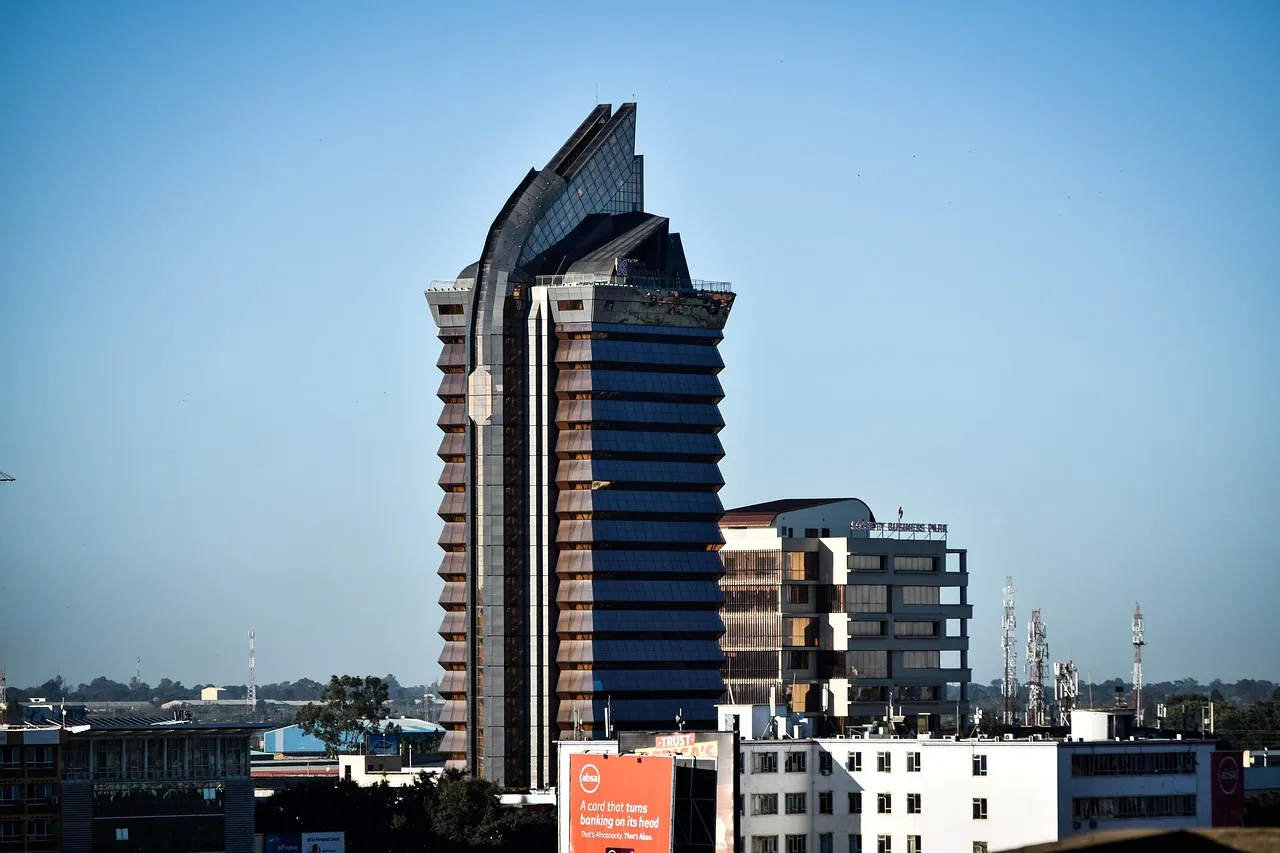
    Lusaka Capital City Zambia Street Cars

    Landing in Lusaka can feel like stepping into controlled chaos. As you exit Kenneth Kaunda International Airport, don’t expect polished arrival halls or overly eager touts. What greets you instead is a breezy sort of informality. There’s usually someone offering to help with your bags, someone else selling phone SIMs, and a line of taxis waiting without meters and full of negotiation potential. Welcome to Lusaka—you’re going to need both cash and curiosity.

    The drive into town gives you a taste of what’s to come. The suburbs stretch far, with clusters of concrete houses, roadside vegetable sellers, and signs for everything from Pentecostal churches to cellphone repairs. It’s not glamorous, but it is vibrant. And before long, the city begins to unfold.

    A Rhythm All Its Own

    There’s no central square where all the tourists gather. No boardwalks or beaches or neatly preserved old towns. Instead, Lusaka is a network of busy roundabouts, mismatched neighborhoods, and streets with no sidewalks—but also no pretension.

    Cairo Road, the city’s chaotic central artery, offers the full-on Lusaka experience. The traffic is dense, the sidewalks crowded, and the energy relentless. Kombis (minibuses) honk and weave. Street vendors shout offers from under umbrellas. Office workers dodge puddles in pressed suits while balancing takeout containers filled with nshima and beef stew.

    It might look like madness. But once you’ve spent a morning navigating the flow, you’ll see it for what it is: a city alive and unfiltered.

    Immersive Experiences: From Market Madness to Elephant Moments

    Getting Lost in the Markets (and Finding Everything)

    Lusaka’s markets are not a sideshow—they are the stage where the city performs its daily drama. If you really want to understand how Lusaka breathes, you need to wade into the chaos, color, and cacophony of its informal economy.

    Soweto Market is the city’s commercial heart and sensory overload in its purest form. Here, no two stalls are the same. You can buy mangoes and used blazers, motorbike parts and plastic sandals, all within three paces. The sounds are relentless—vendors calling out prices, music thumping from portable speakers, bargaining echoing from every direction. The smells are a mix of dried fish, fresh coriander, woodsmoke, and ambition. It’s not for the faint-hearted, but if you want authenticity, this is where you’ll find it.

    For those who want a slightly gentler introduction, Lusaka City Market offers a more manageable (though still buzzing) experience. It’s better organized, with defined walkways and vendors who are more accustomed to visitors. You’ll still find chitenge fabrics, fresh vegetables, and a full immersion into Zambian urban life—just with a bit more elbow room.

    And here’s the thing: in Lusaka, markets aren’t just about transactions—they’re about connection. Expect conversations. Expect to be asked where you’re from. Expect to be offered a better price if you smile or try a word of Nyanja. These are not places to rush through; they’re places to surrender to.

    Culture with Context: The Lusaka National Museum

    Once you’ve braved the noise and motion of Lusaka’s streets, the National Museum offers a pause—and some much-needed perspective. Sitting just off Independence Avenue, this sand-colored building doesn’t look like much from the outside. But inside, it offers a window into the Zambian story.

    Downstairs, you’ll find displays of traditional tools, musical instruments, and masks—reminders of the country’s vast cultural diversity. Upstairs, the narrative shifts to the post-independence era, with political posters, revolutionary art, and portraits of national figures. Some exhibits feel sparse, but others are unexpectedly moving.

    Perhaps the most memorable space is the contemporary gallery, where modern Zambian artists explore identity, politics, and urban life with bold strokes and layered symbolism. It’s here you’ll realize that Lusaka isn’t just surviving—it’s expressing, evolving, and very much awake.

    Art You Can Touch: Kabwata Cultural Village

    Lusaka Kabwata Cultural Village Heritage

    Ten minutes from downtown, Kabwata Cultural Village is what happens when artisans and travelers meet in a shared space that feels part workshop, part marketplace, and part social hangout. Unlike many so-called “cultural villages,” this one isn’t just a tourist construct—it’s a working cluster of studios and stalls where Zambian artists come to sell their craft.

    You’ll wander past thatched huts where woodcarvers chisel giraffes from jacaranda logs, and batik artists hang freshly dyed fabric to dry in the sun. Beadwork, baskets, drums, masks—it’s all here, and most of it is made on site. The artisans are welcoming, and the atmosphere is relaxed. You won’t get mobbed or hassled. You will get stories—about materials, inspiration, and the meaning behind each object.

    If you’ve been burned by mass-produced souvenir markets in other countries, Kabwata will be a breath of fresh air. Here, you’re not just buying art—you’re having a conversation with the person who made it.

    A Baby Elephant Encounter in the Suburbs

    Lilayi Elephant Nursery
    Lilayi Elephant Nursery

    What if we told you that just half an hour from downtown Lusaka, you could meet a baby elephant who slurps milk from a bottle the size of your torso? That’s not fantasy—it’s the Lilayi Elephant Nursery.

    Operated by Game Rangers International, this small but powerful project rehabilitates orphaned elephants, most of whom have lost their mothers to poaching or human-wildlife conflict. The nursery provides them with round-the-clock care, including nutrition, enrichment, and—yes—companionship.

    Visitors are allowed during specific feeding times, when the young elephants trot into view with all the grace of toddlers on roller skates. They’re curious, playful, and clearly attached to their handlers. You’ll watch from a respectful distance as they’re fed, groomed, and sometimes scolded for mischief.

    But this isn’t just a cute photo op—it’s a crash course in conservation, ethics, and the complex relationship between humans and wildlife in Zambia. If you’re lucky, one of the staff will walk you through the backstory of a specific elephant, giving you names, timelines, and personality quirks. It’s a moving experience, and one that travelers almost universally describe as a highlight of their trip.

    Shopping Malls: Lusaka’s Modern Social Centers

    Manda Hill Mall Lusaka
    Manda Hill Mall in Lusaka

    At first glance, it might seem odd to include shopping malls in a list of Lusaka’s attractions. But in this city, malls are more than places to buy things—they’re public squares, gathering places, and cultural cross-sections.

    East Park Mall, near the University of Zambia, is easily the trendiest. Students, businesspeople, and expats all congregate here for coffee, fast Wi-Fi, and the kind of brunch that could make Cape Town jealous. It has everything from fashion boutiques and cinemas to weekend craft fairs and live music.

    Manda Hill Mall, one of the city’s oldest and busiest, offers a more practical mix of banks, grocery stores, pharmacies, and fast food chains. It’s the place where you grab toothpaste, a new pair of shoes, and a pizza—without changing parking spots.

    Then there’s Levy Junction, closer to the city center, which feels more polished and corporate. It caters to the office crowd, but also has solid dining options and a quiet rooftop café that’s perfect for writing postcards or catching up on emails.

    Even if you’re not in the mood to shop, Lusaka’s malls offer insight into the city’s evolving lifestyle. You’ll see couples on dates, families on outings, and teenagers snapping selfies beside Christmas decorations—yes, even in October. It’s modern Africa in motion, and worth watching.

    Eating, Drinking, and Sleeping in Lusaka

    A Culinary City Hiding in Plain Sight

    Lusaka may not yet have its own culinary TV show or a Michelin star, but if you come hungry—and with an open mind—you’re in for a treat. Zambian food is hearty, communal, and built around a deep respect for local ingredients. In the capital, it mixes beautifully with regional influences and a fast-evolving café culture.

    The first thing to understand is nshima. This thick maize porridge isn’t just food—it’s a way of life. It anchors nearly every traditional meal and is served with an array of sides ranging from rich beef stews to sweet pumpkin leaves simmered in groundnut sauce. Ifisashi, a peanut-based vegetable dish, is a staple, and so is village chicken: tougher than your usual supermarket bird, but deeply flavorful and always memorable.

    Matebeto restaurants, which operate like informal lunch halls, are your best bet for tasting traditional Lusaka on a plate. Walk in, choose your sides from bubbling pots lined up in a row, and pay at the counter. You’ll sit elbow to elbow with office workers, students, and anyone else in need of a hot, honest meal. It’s not glamorous, but it’s glorious.

    Beyond traditional fare, Lusaka’s middle-tier food scene is blossoming. In leafy suburbs like Kabulonga and Rhodes Park, you’ll find charming cafés serving eggs benedict, fresh juices, and vegetarian-friendly wraps that wouldn’t look out of place in Johannesburg or Nairobi. Places like The Deli and Mint Lounge have become staples for digital nomads, diplomats, and Zambians who know their way around a smoothie bowl.

    International cuisine is increasingly visible, too. Lusaka has long been a fan of Indian food, and restaurants like Marlin and Bombay Lounge offer excellent curries and tandoori dishes in settings that range from simple to swanky. Chinese, Lebanese, and even Korean spots are scattered around town, often hidden in plain sight behind steel gates and understated signage. Part of the fun is finding them.

    Street Food with Soul

    Zambia Braai Grilled Meat Street Food
    Braai, or grilled meat – a key component of Lusaka’s street food culture

    When the sun dips below Lusaka’s horizon and the city starts to exhale, street food takes center stage. The scent of grilled meat floats through the air, vendors push out their braais (grills), and crowds form around steaming pots.

    Roasted maize is the classic local snack—smoky, chewy, and sold from every second street corner. Boerewors rolls, a nod to Zambia’s southern neighbors, are another favorite: sausage links grilled over coals and served with onion relish in a white bun. You’ll also spot women frying sweet fritters (vitumbuwa) in roadside pans.

    The best street food in Lusaka isn’t on TripAdvisor. It’s wherever you see a queue of locals and a faint plume of smoke drifting into the sky.

    When the Sun Goes Down: Lusaka’s Nightlife

    Lusaka by day may be a city of movement and market stalls—but by night, it loosens its collar and pours a drink. The capital’s nightlife is both more varied and more vibrant than many travelers expect.

    Start with the rooftop bars. Sky Bar at Neelkanth Sarovar has become a go-to for after-work cocktails and stunning city views, especially at sunset when Lusaka’s skyline glows gold. The vibe is relaxed but stylish—no need for a blazer, but don’t show up in flip-flops.

    Latitude 15°, the city’s most elegant boutique hotel, offers a more refined scene. Its bar and lounge area draws in creative types, NGO professionals, and stylish locals looking for a quiet drink and good conversation. Occasionally, there’s live music—usually jazz or Afro-acoustic sets that add just the right level of soul.

    But if your night out calls for louder music, flashing lights, and the kind of dance floor where shoes are optional, Lusaka delivers. Chez Ntemba is something of a nightlife institution, with locations across Africa and a reputation for keeping the party going into the early hours. Chicago’s Reloaded offers a slicker, clubbier scene with DJs, VIP lounges, and big-city energy.

    Live music fans should check what’s happening at Times Café or The Misty Jazz Lounge. These venues blend performance with solid food and usually attract a crowd that wants to hear actual instruments rather than just a DJ drop. Sunday jazz brunches are also a thing—and well worth penciling in.

    No matter your taste, Lusaka doesn’t judge. From cocktail bars and house music to beer gardens and open-air pubs, the city’s nightlife is wide open to anyone willing to show up and dance.

    Where to Stay: Beds for Every Budget

    When it comes to accommodation, Lusaka has improved dramatically in the last decade. Today, the city offers everything from backpacker hostels with hammocks to boutique hotels with infinity pools. Your biggest challenge isn’t finding a place to stay—it’s choosing one that matches your vibe.

    Budget travelers have a few solid options. Flintstones Backpackers, with its colorful murals and sociable common areas, has long been a favorite among overlanders and solo explorers. Natwange Backpackers offers something a little more serene, with a leafy courtyard and clean dorms just far enough from the noise. Bird Nest Backpackers is another well-reviewed spot for those looking to stretch their kwacha.

    Mid-range travelers will find comfort without breaking the bank. Protea Hotel by Marriott has several Lusaka locations and remains a reliable option for clean rooms, pools, and restaurant service. Best Western Plus Lusaka Grand is another strong choice, especially for travelers who want a bit of international familiarity. Pioneer Lodge, on the outskirts of town, offers a quiet, garden-style retreat that feels more like a rural hideaway than a city stay.

    For travelers seeking luxury—or simply something special—Latitude 15° is the gold standard. With beautifully designed rooms, an on-site art gallery, and a poolside bar that makes you question whether you ever need to leave, it’s the kind of place that earns you Instagram envy without even trying. The Taj Pamodzi, a Lusaka classic, offers old-world elegance with high-end service, while Lilayi Lodge—just outside the city—provides a luxury bush lodge experience complete with wine tastings and impromptu giraffe sightings.

    Getting Around, Day Trips, and Lusaka’s Lasting Impressions

    How to Get Around Lusaka Without Losing Your Mind

    Lusaka is not a walking city. While a few central areas like Cathedral Hill and parts of Kabulonga may seem manageable on foot, the city is spread out in a way that defies logic, and the sidewalks often disappear just when you need them most. That’s not to say you shouldn’t try—but plan on supplementing your steps with some wheels.

    For short hops, taxis are everywhere, though they come with a caveat: there are no meters. Every ride is a negotiation, and prices vary depending on time, distance, and how convincingly you say “no” the first time. It’s all part of the game. For less hassle, app-based services like Yango and Ulendo are increasingly reliable and safer than flagging a random cab off the street.

    Then there are the minibuses—Lusaka’s lifeblood of public transport. Packed to the brim, occasionally chaotic, and always entertaining, these white-and-blue vans hurtle between neighborhoods with incredible speed and even more incredible music. If you’re on a budget, or just want to experience the city like a local, hop on one and hold tight. You’ll likely be the only tourist onboard—and possibly the only one who doesn’t know exactly where they’re going.

    For independent explorers, car rental is an option. But Lusaka’s roads can be unpredictable, and navigation is a skill. Traffic lights are sometimes treated as gentle suggestions, and roundabouts are… interpretive. Drive if you must, but know what you’re signing up for.

    Smart Travel Tips for Lusaka

    Timing your visit is key. Lusaka shines during the dry season, from May to October. Days are sunny, nights are cool, and your chances of getting caught in a thunderstorm are low. The rainy season, from November to April, brings dramatic skies, lush landscapes—and the occasional impassable road.

    Zambia Kwacha Currency Money

    Zambia uses the Zambian Kwacha (ZMW), and while major hotels and malls accept cards, much of Lusaka still runs on cash. Street food vendors, market sellers, and kombi conductors don’t swipe. ATMs are widely available, though it’s wise to avoid using them at night or in isolated areas.

    Health-wise, be prepared. Tap water isn’t reliably safe to drink, so bottled water is your best bet. Malaria prophylaxis is recommended, especially if you’re heading out of town. And if you’re sampling street food—as you should—go for stalls with high turnover and lots of locals. That’s usually a good sign.

    Oh, and pack for variety. Lusaka can be hot during the day, cool at night, and occasionally dusty, so breathable clothes and a decent pair of shoes go a long way.

    Best Day Trips from Lusaka

    Sometimes, Lusaka’s energy demands a break—and the city is surrounded by escape routes worth exploring.

    Chaminuka Lodge and Nature Reserve

    Just an hour from Lusaka, Chaminuka is where art, wildlife, and luxury collide. The lodge sits on a private reserve filled with game animals, sculpture gardens, and a lakeside restaurant that serves local wine and excellent grilled tilapia. Day visitors can join game drives, walk with cheetahs, or simply laze by the water with a glass of something cold.

    It’s polished, photogenic, and surprisingly peaceful given its proximity to the capital.

    Lower Zambezi National Park

    For those craving a proper safari, the Lower Zambezi offers one of Africa’s most beautiful and off-the-beaten-path experiences. While it’s too far for a one-day round trip by car, charter flights or multi-day transfers make it doable as a weekend getaway.

    Here, you can paddle past elephants in a canoe, watch hippos grunt at sunset, and sleep under mosquito nets with the distant calls of hyenas. After the buzz of Lusaka, it feels like a different world entirely.

    Siavonga and Lake Kariba

    Lake Kariba Scenery
    Beautiful sceneries at Lake Kariba

    If your version of paradise involves water, head south to Siavonga, the gateway to Zambia’s slice of Lake Kariba. The drive takes about four hours, winding through rolling hills and small towns until you arrive at Africa’s largest man-made lake.

    Spend your day on a houseboat, visit the Kariba Dam wall, or just kick back with fresh bream and a cold Mosi beer. It’s a favorite with locals, especially for long weekends, and a lovely way to slow the tempo.

    Mundawanga Environmental Park

    Closer to home, Mundawanga is a charming spot for a morning or afternoon getaway. Located in Chilanga, it combines botanical gardens, a small wildlife rescue center, and shaded picnic areas perfect for families. Don’t expect big game, but do expect lions, baboons, and enough space to forget you’re in a bustling capital.

    The Soul of Lusaka

    Lusaka is not a curated experience. It won’t present you with a tidy list of “must-dos” or pose nicely for your camera. It has potholes, power cuts, and traffic that occasionally feels like a social experiment gone wrong. But it also has a pulse. A warmth. A sense of groundedness that’s hard to find in cities that rely too much on spectacle and not enough on soul.

    What makes Lusaka unforgettable isn’t what’s listed on a map—it’s what happens between the lines. It’s chatting with a market seller who insists you try mangoes “on the house,” just because. It’s the surprise of hearing live jazz pouring out of a roadside tavern on a random Wednesday night. It’s the moment you realize you’ve spent the day doing nothing in particular, but you’ve learned more about a place than you ever could through a tour brochure.

    This is Lusaka: flawed, fast-growing, sometimes frustrating—but also full of light, laughter, and heart.

    Takulandirani ku Lusaka. You are welcome here.

  • Rwanda’s Rising Star: What Makes Kigali a Must-Visit City in 2025

    Rwanda’s Rising Star: What Makes Kigali a Must-Visit City in 2025

    A City That Remembers and Rebuilds

    Kigali’s story is one of resilience and renewal. The city bears the marks of a profound past, most notably remembered through the Kigali Genocide Memorial—a solemn yet beautifully maintained site that honors the victims of the 1994 Rwandan Genocide. Visiting the memorial offers a deep, reflective experience where artful exhibits and serene gardens tell the story of tragedy, hope, and rebirth. This landmark is not just a museum; it’s a symbol of Kigali’s determination to move forward with dignity and grace.

    Embracing the “Land of a Thousand Hills”

    Known for its lush, undulating landscapes, Kigali is affectionately dubbed the “Land of a Thousand Hills.” This natural beauty isn’t limited to the city outskirts; it permeates the urban environment, offering panoramic views from every corner. As you wander through the streets, you’re treated to breathtaking vistas that combine modernity with nature’s raw splendor. It’s this interplay of history, culture, and landscape that makes the city one of endless discovery.

    Local Traditions and Modern Vibrancy

    While exploring Kigali, you’ll notice that tradition and modernity coexist harmoniously. The city is renowned for its community-driven initiatives like Umuganda, a monthly cleaning day where residents come together to beautify their surroundings. This civic spirit, along with strict environmental regulations—such as the ban on plastic bags—has earned the city its reputation as one of Africa’s cleanest and safest cities. Every street corner here tells a story of renewal and community pride.

    Stay in Style: The Best Hotels in Kigali for Every Budget

    Luxury Redefined in Kigali

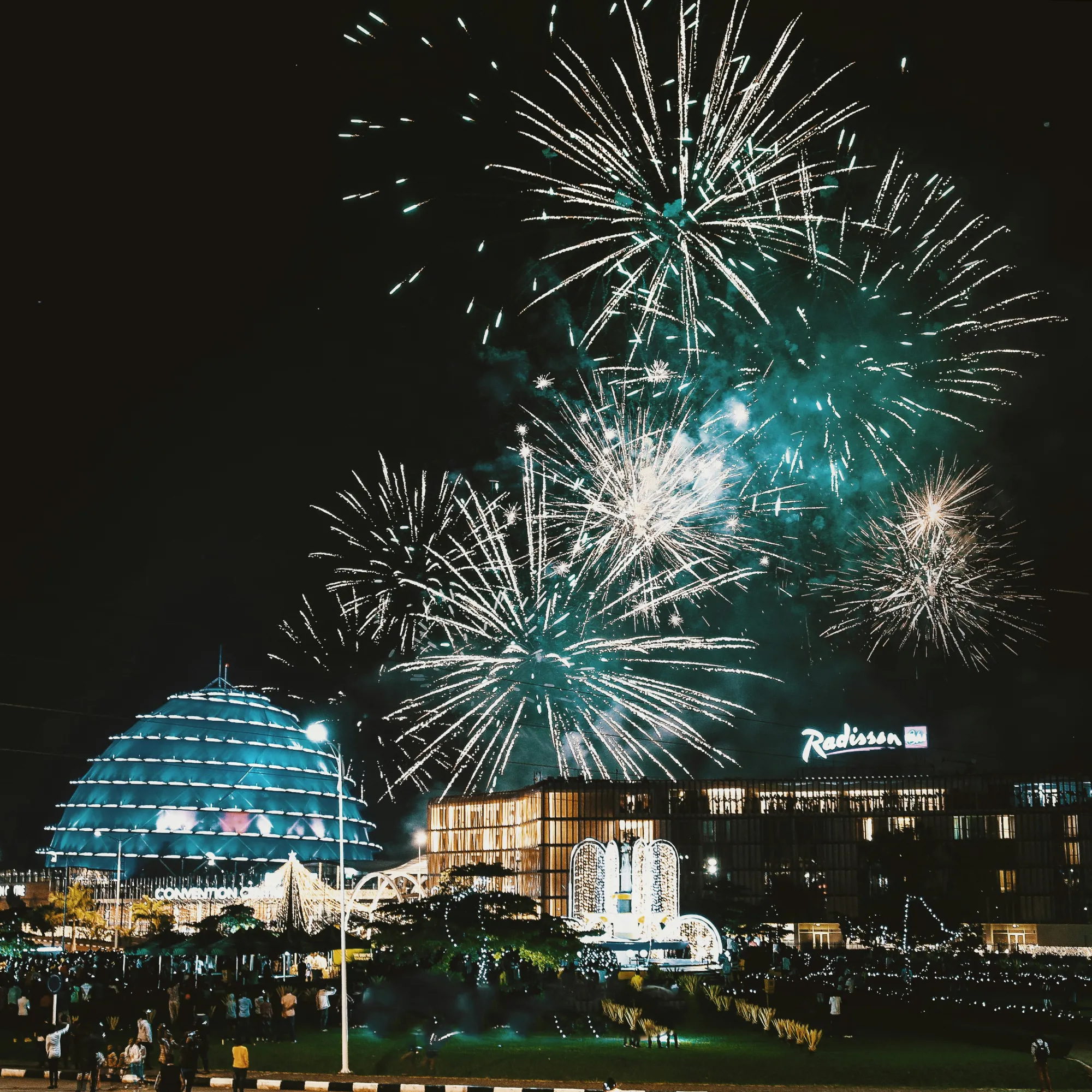
    Kigali Skyline Rwanda Capital City

    Kigali Marriott Hotel

    Located in the heart of the city, the Kigali Marriott Hotel offers sumptuous accommodations, a full-service spa, and an inviting outdoor pool. The modern, stylish rooms are designed for comfort and convenience, making it the perfect retreat after a day of exploring the city. Its central location means you’re just a stone’s throw away from major attractions and business hubs.

    Radisson Blu Hotel & Convention Centre, Kigali

    Adjacent to the Kigali Convention Centre, Radisson Blu combines contemporary design with excellent service. This hotel is popular with both business and leisure travelers, offering spacious rooms, a well-equipped fitness center, and an on-site restaurant that serves both local and international cuisine.

    Mid-Range Comfort with a Touch of Elegance

    2000 Hotel Downtown Kigali

    Situated in the bustling city center, 2000 Hotel offers comfortable rooms with stunning city views. With its complimentary breakfast and modern amenities, it strikes the perfect balance between affordability and luxury. Its strategic location makes it easy to explore the vibrant markets and cultural landmarks.

    5 Swiss Hotel

    For travelers looking for a blend of comfort and convenience, 5 Swiss Hotel is a great option. This boutique hotel provides modern rooms, free Wi-Fi, and a terrace boasting panoramic views. Ideal for those who want to experience the city’s charm without breaking the bank, 5 Swiss is a favorite among mid-range travelers.

    Budget-Friendly Stays That Don’t Skimp on Experience

    Peponi Living Spaces

    Peponi Living Spaces offers affordable accommodations without compromising on comfort. Known for its friendly staff and basic yet modern amenities, this hotel is perfect for backpackers or budget-conscious travelers eager to explore Kigali.

    Okapi Hotel

    Another excellent budget option, Okapi Hotel provides the essentials in a cozy setting. With free Wi-Fi, an on-site restaurant, and a convenient location, it’s a popular choice for those looking to experience Kigali’s local vibe on a modest budget.

    Staying in Kigali is not just about finding a place to rest—it’s about immersing yourself in the city’s dynamic energy. Whether you opt for a luxury hotel or a cozy budget stay, every accommodation choice is a gateway to discovering Kigali’s warm hospitality and vibrant culture.

    Savor the Flavors: A Culinary Journey Through Kigali’s Best Restaurants

    Kigali’s culinary scene is a reflection of its diverse cultural influences and innovative spirit. From high-end dining to laid-back cafés, the city offers an array of gastronomic delights that cater to every palate.

    Fine Dining with a Twist

    Heaven Restaurant

    Kigali Rwanda

    Perched on an open-air terrace with sweeping views of Kigali, Heaven Restaurant is a culinary gem that combines modern African cuisine with local ingredients. Known for its innovative dishes and excellent service, Heaven is a must-visit for foodies seeking both flavor and a meaningful dining experience. Try the grilled Rwandan beef brochettes or the pan-seared tilapia with coconut curry sauce for a taste that’s as authentic as it is creative.

    Meza Malonga

    For those seeking an unforgettable fine dining experience, Meza Malonga stands out. Chef Dieuveil Malonga’s restaurant offers a nine-course tasting menu that celebrates the best of African ingredients and culinary artistry. Each dish is meticulously crafted, blending traditional flavors with contemporary techniques to create an exquisite gastronomic journey that reflects Rwanda’s rich heritage.

    International Delights and Casual Eats

    Pili Pili

    If you’re in the mood for a lively evening with great views, Pili Pili is the place to be. Set on a hilltop, this restaurant offers stunning vistas of Kigali alongside a menu that features grilled meats, mouthwatering beef burgers, and signature cocktails. The laid-back ambiance, complete with a swimming pool, makes it an ideal spot for both a casual dinner and a special night out.

    Kiseki

    For sushi aficionados, Kiseki is Kigali’s premier Japanese dining destination. This modern restaurant offers an inventive menu featuring fresh sushi rolls, nigiri, and even sushi burritos that incorporate locally sourced Rwandan fish. The intimate setting and artfully presented dishes make Kiseki a favorite among locals and visitors alike.

    Nyurah

    Nyurah redefines African cuisine with its afro-gastronomic approach. Focusing on organic, locally sourced ingredients, the restaurant offers a menu that puts a modern twist on traditional Rwandan dishes. The elegantly cozy setting and creative presentation of dishes like grilled goat chops and smoked plantain soup make Nyurah a top choice for food enthusiasts looking to explore the diverse flavors of Kigali.

    Casual Cafés and Hidden Gems

    Inzora Rooftop Café

    For a relaxing coffee break with breathtaking views, Inzora Rooftop Café is the ideal spot. Located above a charming bookstore, this café serves freshly brewed Rwandan coffee, healthy breakfasts, and delightful snacks in a serene atmosphere. It’s the perfect place to unwind after a day of exploring the city’s vibrant streets and cultural sites.

    The Hut

    A hidden gem in Kigali, The Hut specializes in healthy international dishes made with organic ingredients. With its outdoor seating and friendly vibe, it’s an excellent choice for those who prefer a casual yet satisfying meal. Enjoy dishes like avocado and quinoa salad or grilled salmon with mango salsa in this laid-back yet inviting setting.

    République Restaurant

    For an authentic taste of Rwanda, République Restaurant offers traditional dishes with a modern twist. Enjoy local favorites like goat brochettes, Rwandan tilapia, and cassava leaf stew in a welcoming environment that reflects Kigali’s vibrant culinary heritage.

    Brachetto

    Craving authentic Italian flavors in the heart of Kigali? Brachetto is your go-to destination for homemade pasta, fresh seafood, and fine wine. The elegant ambiance, coupled with exquisite dishes like truffle risotto and handmade tagliatelle with beef ragu, makes Brachetto a favorite for special occasions and intimate dinners.

    Kigali’s dining scene is a journey in itself—a harmonious blend of tradition, innovation, and passion. Each restaurant in the city not only serves up delicious food but also tells a story of the city’s evolution from a historic town to a modern metropolis. As you dine your way through the city, you’ll experience firsthand how Kigali’s culinary diversity mirrors its vibrant culture and dynamic spirit.

    Unforgettable Experiences: Must-Do Activities and Exciting Adventures in Kigali

    Kigali City Street

    Explore the City on Foot and by Motorcycle

    Kigali is a city that invites exploration. Whether you choose to wander its charming streets on foot or opt for a quick ride on a moto-taxi, every journey is an opportunity to witness the city’s unique blend of urban chic and natural beauty.

    • Walking Tours: Join a guided tour in neighborhoods like Nyamirambo to learn about local history, sample street food, and interact with residents. These tours provide a genuine insight into Kigali’s vibrant daily life.
    • Moto-Taxis: For a faster way to navigate the city, hop on a moto-taxi. This popular mode of transport not only saves time but also lets you experience the hustle and bustle of Kigali up close.

    Embrace Kigali’s Thriving Arts and Culture Scene

    Inema Arts Center

    Art lovers will find a haven in Kigali’s Inema Arts Center. This dynamic space showcases contemporary Rwandan art—from paintings and sculptures to live performances. The center also hosts workshops and community events, offering visitors a chance to connect with the local art scene and perhaps even try their hand at creating art themselves.

    Local Markets and Boutiques

    No trip to Kigali is complete without a visit to its bustling markets. Kimironko Market is one of the city’s busiest hubs, where you can shop for local crafts, fabrics, and fresh produce. As you stroll through the market’s colorful stalls, you’ll experience the true essence of Kigali’s entrepreneurial spirit and community warmth.

    Experience Kigali’s Nightlife and Social Scene

    Lively Bars and Lounges

    After a day of exploration, unwind in one of the many trendy bars or lounges. Places like Pili Pili and The Hut offer great cocktails, live music, and an atmosphere that blends relaxation with excitement. Whether you’re sipping a signature drink or enjoying a poolside evening, Kigali’s nightlife is sure to leave you with unforgettable memories.

    Car-Free Days

    Twice a month, Kigali comes alive with its famous car-free days. Major roads are closed to vehicles, transforming the city into a vibrant space for pedestrians, cyclists, and street performers. These community events are perfect for enjoying live music, outdoor fitness classes, and socializing with locals in a safe, festive atmosphere.

    Practical Travel Tips for a Seamless Kigali Experience

    Safety and Cleanliness

    Kigali is celebrated as one of Africa’s safest cities. With low crime rates and stringent cleanliness standards, you can wander the city with confidence. However, it’s always wise to remain aware of your surroundings and keep personal belongings secure. Carry a copy of your passport, and if you plan to travel after dark, opt for reputable transportation options like taxis or ride-hailing apps.

    Money Matters and Local Currency

    While many establishments accept credit cards (Visa and Mastercard), carrying some local currency—the Rwandan Franc (RWF)—is essential for smaller transactions. US dollars (in their newer versions) are also widely accepted, particularly in hotels and restaurants. Make sure to check current exchange rates and withdraw cash from ATMs located in secure areas.

    Language and Communication

    Kigali is a multilingual city with Kinyarwanda, English, and French as its official languages. Although many locals speak English, learning a few basic Kinyarwanda phrases, such as “Muraho” (Hello) and “Murakoze” (Thank you), can go a long way in endearing you to residents and enriching your travel experience.

    Transportation Tips

    Navigating Kigali is straightforward. Here are some insider tips to help you move around like a local:

    • Moto-Taxis: A fast and efficient way to get around, but always wear a helmet.
    • Taxis and Ride-Hailing: Use trusted apps like Yego and Move for added convenience and safety.
    • Public Transport: Buses are available and affordable, though they may require a Tap&Go card for payment.

    What to Pack

    Kigali enjoys a mild tropical climate, which means lightweight clothing for the day and a light jacket for the cooler evenings are advisable. If you’re planning activities like gorilla trekking or visiting national parks, pack sturdy hiking boots, long sleeves, insect repellent, and a waterproof jacket to stay comfortable in varying conditions.

    Health Precautions

    While Kigali boasts high-altitude benefits, remember to stay hydrated as the city sits at over 1,500 meters above sea level. Although the risk of malaria in the city is low, if you plan to travel to more rural or forested areas, consult your healthcare provider about anti-malarial medication and other necessary vaccinations. Additionally, drink bottled or filtered water to avoid any stomach upsets, and keep a small first-aid kit handy during your travels.

    Local Etiquette and Cultural Insights

    Kigali’s residents are known for their reserved yet warm hospitality. When interacting with locals:

    • Greetings: A friendly handshake, often with a slight touch on the arm, is customary.
    • Dress Modestly: Particularly in rural areas, conservative attire is appreciated.
    • Discussion Topics: Avoid sensitive subjects like politics or the genocide unless in an appropriate context—remember, many conversations at sites like the Kigali Genocide Memorial are deeply personal and reflective.

    By following these practical tips, your journey through Kigali will be smooth, respectful, and immensely rewarding.

    Embracing Kigali’s Unique Blend of Modernity and Tradition

    Urban Innovation Meets Rich Heritage

    Kigali is a city that embraces the future without forgetting its past. Modern infrastructure, smart city initiatives, and eco-friendly urban planning projects coexist with historical landmarks and cultural institutions. This blend of modernity and tradition is evident in every facet of the city—from its clean, well-planned streets and upscale hotels to community events and local art centers.

    Eco-Friendly Initiatives and Community Spirit

    Kigali’s commitment to environmental sustainability is a model for cities worldwide. The monthly Umuganda community clean-up not only keeps the city immaculate but also fosters a spirit of unity and collective responsibility. As a traveler, you’ll notice how these initiatives enhance the overall experience, making Kigali not just a destination, but a community you can connect with on a personal level.

    Artistic Expression and Innovation

    The city’s burgeoning art scene is another testament to its dynamic character. Spaces like Inema Arts Center and local markets showcase the talents of Rwandan artists, offering visitors a glimpse into the creative soul of the city. Whether you’re admiring contemporary paintings or discovering traditional crafts at Kimironko Market, you’ll see firsthand how art and culture play a vital role in the city’s identity.

    The Thrill of Adventure: Exploring Beyond Kigali’s City Limits

    Day Trips That Expand Your Horizons

    While Kigali itself is a vibrant destination, the surrounding regions offer even more adventures waiting to be explored. Step out of the city and immerse yourself in Rwanda’s natural wonders and cultural treasures.

    Gorilla Trekking in Volcanoes National Park

    One of the most exhilarating experiences in Africa is gorilla trekking. A few hours’ drive away, Volcanoes National Park invites you to witness these majestic creatures in their natural habitat. Trek through dense forests, breathe in the misty mountain air, and create memories that will last a lifetime.

    Safari Adventures in Akagera National Park

    Embark on a safari adventure in Akagera National Park, where you might catch a glimpse of the Big Five—lions, elephants, rhinos, leopards, and buffalos. Enjoy game drives and boat safaris on Lake Ihema for a complete wildlife experience.

    Cultural Journeys to Nyanza and the King’s Palace Museum

    Delve into Rwanda’s royal past with a visit to Nyanza, where the King’s Palace Museum stands as a testament to the country’s historical heritage. Explore the traditional thatched palace, marvel at the majestic long-horned Inyambo cows, and gain insights into the regal traditions that have shaped Rwanda’s identity over the centuries.

    In contrast to the bustling energy found in cities like Nairobi, Kigali offers a calm, reflective environment that invites deeper cultural connections.

    Relaxing Retreats at Lake Kivu

    After a whirlwind of urban adventures, sometimes you need a break. Lake Kivu, with its tranquil waters and scenic vistas, is the perfect retreat. Enjoy water sports, lakeside dining, or simply relax on the beach as you soak in the serene beauty of Rwanda’s second-largest lake.

    Expand Your East African Journey

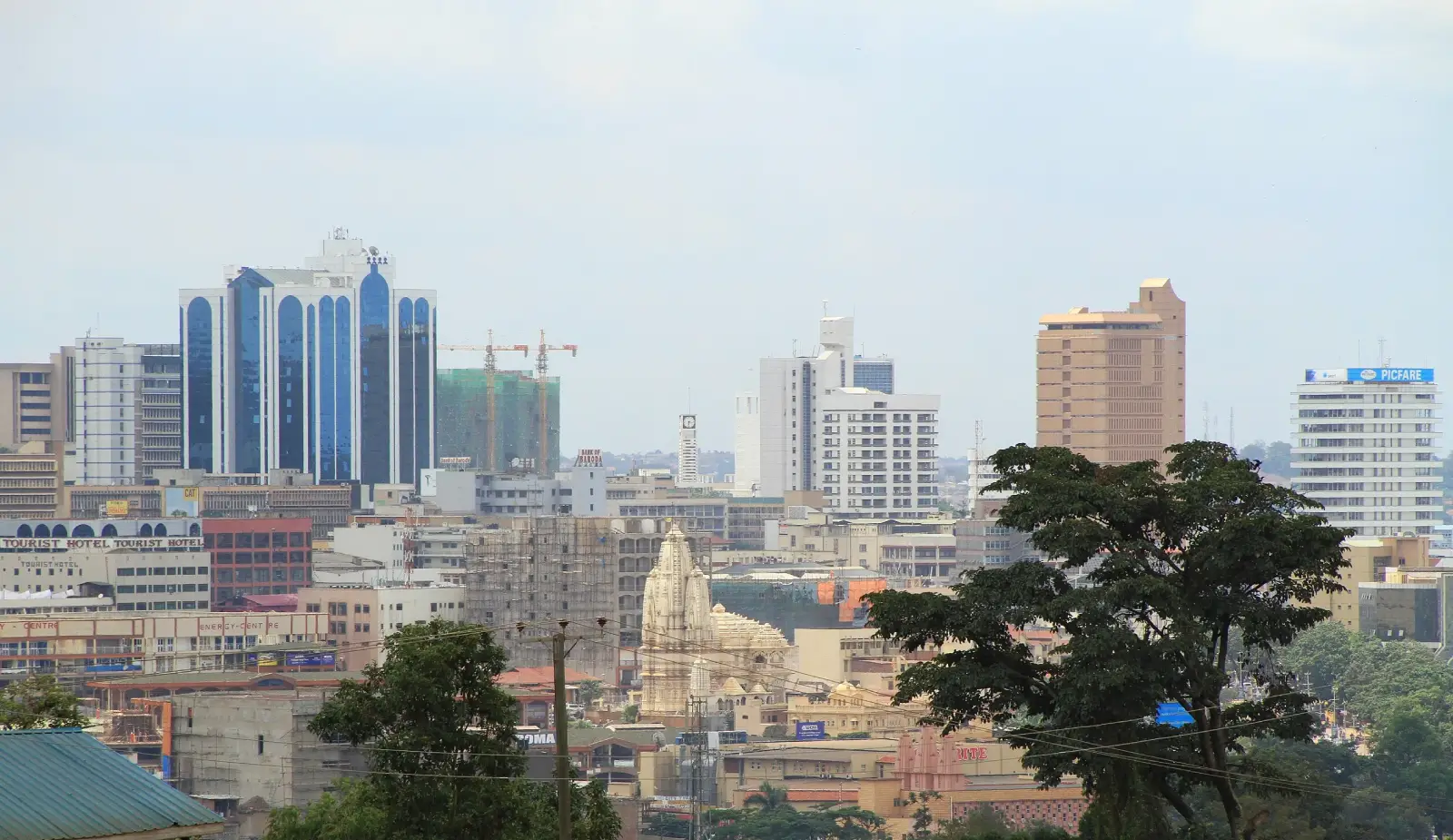
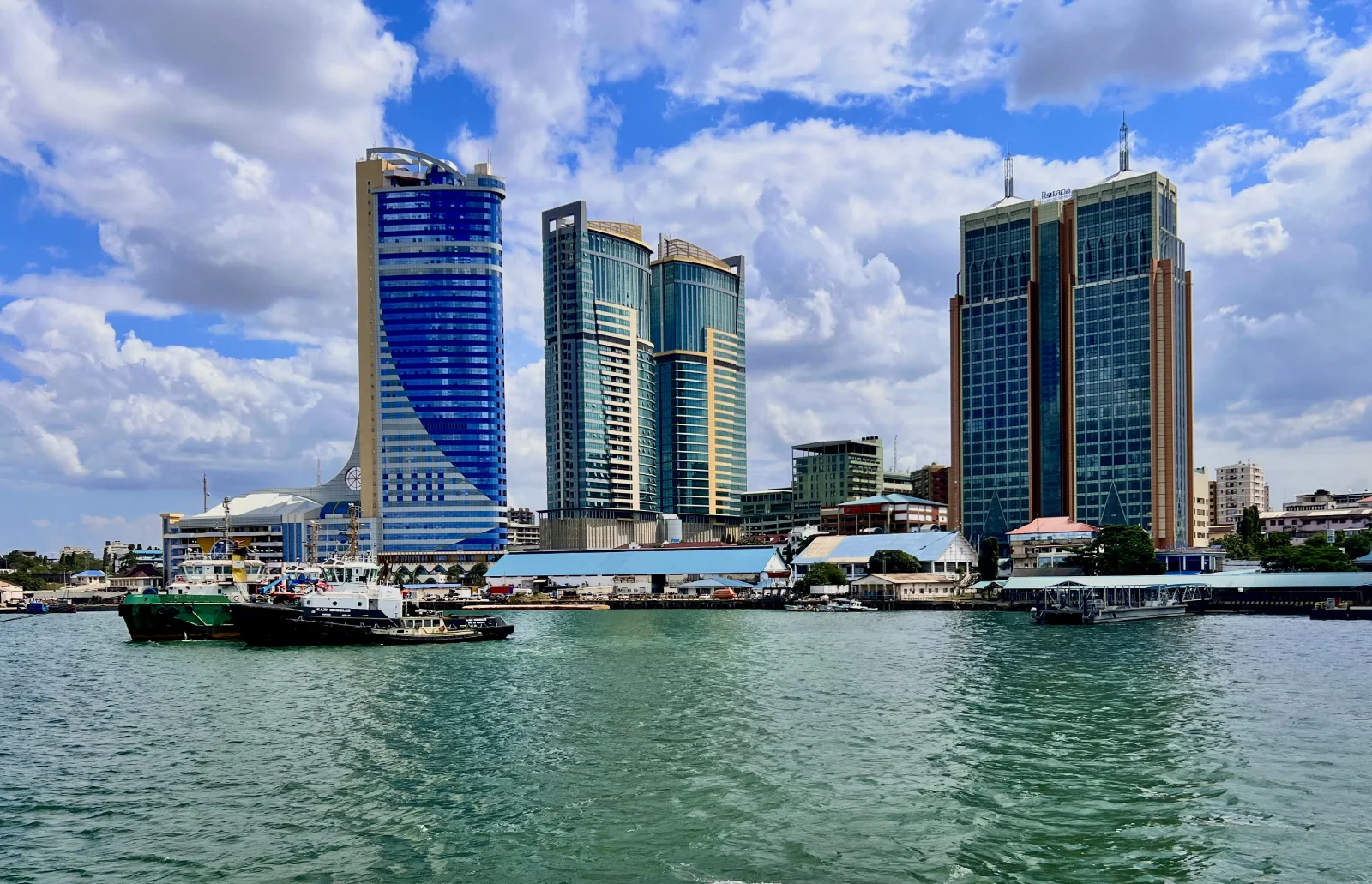
    For travelers eager to broaden their itinerary, a quick flight to Kampala reveals Uganda’s dynamic capital, offering a lively contrast to Kigali’s serene charm. Alternatively, if you’re craving a coastal escape, a short trip to Dar es Salaam will immerse you in the vibrant energy of Tanzania’s bustling waterfront.

    Kigali is not just a city; it’s an adventure waiting to happen. Whether you’re exploring its artistic neighborhoods, venturing into the wild, or simply enjoying a night out with locals, every activity in Kigali is designed to captivate your senses and create lasting memories.

    Getting Around the City with Ease

    Kigali’s efficient transportation system is designed to make your travel experience as smooth as possible. Here are some insider tips to help you navigate the city like a local:

    • Plan Your Routes: While Kigali’s roads are well-maintained, using local ride-hailing apps like Yego can save you time and ensure safe travel.
    • Embrace Public Transit: The city’s bus system is not only economical but also a great way to experience daily life in Kigali.
    • Safety First: Always opt for reputable transportation, especially at night, and keep your belongings secure.

    Connecting with the Community

    One of the joys of traveling in Kigali is interacting with the warm and welcoming locals. Engage in conversations, learn a few words in Kinyarwanda, and don’t hesitate to ask for recommendations. Whether it’s a hidden café or a secret market stall, locals are often more than happy to share their insider knowledge.

    Staying Updated and Informed

    Kigali is a dynamic city with events, festivals, and new attractions emerging regularly. Keep an eye on local news outlets and social media channels to stay updated on what’s happening during your visit. From car-free days that turn streets into lively communal spaces to art exhibitions and pop-up markets, there’s always something exciting around the corner.

    Final Thoughts: Why Kigali is Your Next Must-Visit Destination

    Kigali is a city that defies expectations. It’s a place where the echoes of history meet the pulse of modern innovation, where every meal is an exploration of flavor, and every street tells a story of resilience and hope. Whether you’re captivated by the serene beauty of its rolling hills, inspired by its community spirit, or simply in search of a destination that offers both adventure and cultural depth, this city promises an experience like no other.

    Embrace the Adventure

    From the heartfelt experience at the Kigali Genocide Memorial to the luxurious comfort of world-class hotels like the Kigali Marriott and Radisson Blu, every momenthere is an invitation to explore, learn, and grow. The city’s vibrant art scene, innovative culinary landscape, and the warm hospitality of its people make it a destination that stays with you long after you leave.

    Why Kigali Stands Out

    Kigali is not just a travel destination—it’s a transformative experience. Here, you can witness the powerful blend of a city reborn from its past and a future filled with promise. It’s a place where every visitor can find something that resonates with their soul, whether it’s the thrill of adventure, the allure of fine dining, or the simple joy of connecting with a community that welcomes you like family.

    As you plan your next adventure, consider Kigali—the city that offers a perfect balance of cultural richness, natural beauty, and modern sophistication. Prepare to be inspired, delighted, and forever changed by the magic of Rwanda’s capital.

    In Summary

    Kigali is an ever-evolving tapestry of history, culture, and modernity. It stands as a testament to resilience, a beacon of community pride, and a hub of innovation and creativity. Whether you’re marveling at art in Inema Arts Center, dining under the stars at Heaven Restaurant, or trekking through the verdant trails of Volcanoes National Park, every experience in Kigali is a chapter in a story that is both deeply personal and universally inspiring.

    So pack your bags, set your sights on Kigali, and get ready to embark on a journey that promises to be as explosive and transformative as the city itself. From luxurious stays to budget-friendly adventures, gourmet dining to heartwarming local encounters, Kigali invites you to experience the best of Rwanda with open arms and an open heart.

    Are you ready to explore the magic of Kigali? Your unforgettable adventure awaits!

  • Addis Ababa – 9 Inspiring Secrets Every Visitor Needs to Discover

    Addis Ababa – 9 Inspiring Secrets Every Visitor Needs to Discover

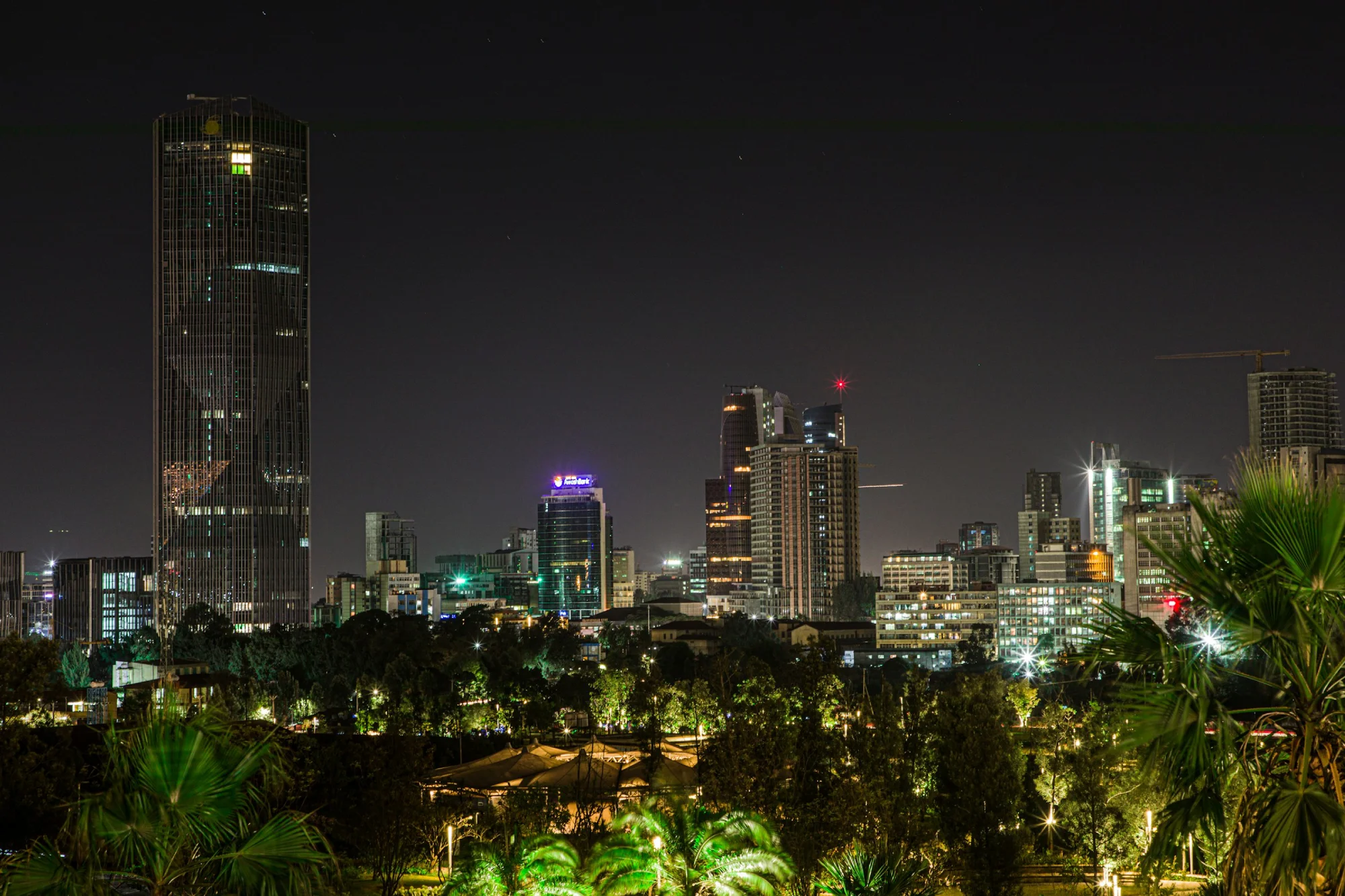
    Addis Ababa — Ethiopia’s “New Flower” — soars above 2,355 meters in the Ethiopian Highlands, emerging from the mist as a city that defies expectations. Usually considered Nairobi‘s main competitor for the status as East Africa’s premier hub, Addis Ababa forges its own identity where ancient traditions blend seamlessly with modern ambition. Here, centuries‑old churches coexist with gleaming glass towers, bustling open‑air markets share space with tranquil parks, and the warm spirit of Ethiopian hospitality makes every traveler feel at home. Whether you’re a history buff, a foodie, or a cultural explorer, Addis Ababa offers a treasure trove of experiences that celebrate Africa’s past, present, and future.

    A Storied Past: The History of Addis Ababa

    Founding & Imperial Glory

    In 1886, Emperor Menelik II and Empress Taytu Betul founded Addis Ababa in a location chosen for its natural hot springs and fertile soil below Mount Entoto. The city’s name, meaning “New Flower” in Amharic, was chosen to symbolize a new beginning for Ethiopia. Almost immediately, Addis Ababa grew into the center of an empire that would later etch its name in history with a stunning victory over Italian colonial forces at the Battle of Adwa in 1896. This remarkable win not only marked Ethiopia as the sole African nation to repel European colonization but also established the city as a beacon of national pride and independence.

    The Italian Occupation & Liberation

    From 1936 to 1941, Addis Ababa was under Italian occupation. During this dark chapter, the Italian administration transformed parts of the city by constructing wide boulevards, grand villas in the Art Deco style, and imposing administrative buildings. Today, many of these architectural relics remain in the historic Piazza district, providing visitors with a window into the city’s layered past. Liberation in 1941 was a turning point, restoring Ethiopian sovereignty and allowing Emperor Haile Selassie to spearhead a new era of modernization and international diplomacy.

    Post‑War Modernization & Transformation

    After World War II, Addis Ababa began a steady transformation. Under Haile Selassie’s reign, the city became the nucleus of pan‑African diplomacy, hosting the founding of the Organization of African Unity in 1963 (now the African Union). Despite the trauma inflicted during the Derg regime’s Red Terror (1977–1978), the city reinvented itself in the 1990s. Today, modern infrastructure — including Africa’s first light rail, expanded highways, and a skyline punctuated by glass and steel — reflects Addis Ababa’s dynamic evolution into one of Africa’s most vibrant capitals.

    (adsbygoogle = window.adsbygoogle || []).push({});

    Neighborhoods That Define Addis Ababa

    Bole: From Grassland to Cosmopolitan Hub

    Addis Ababa Bole Road

    At the turn of the millennium, the Bole district was little more than open grassland used for grazing and small‑scale farming. In less than two decades, Bole has transformed into Addis Ababa’s most cosmopolitan area. Today, Bole pulses with energy as international hotels, luxury shopping malls, trendy cafés, and gourmet restaurants line its wide boulevards.

    Bole Road, now the commercial and social spine of the city, buzzes with activity from early morning until the late hours. International airlines have established hubs here, and visitors can enjoy everything from upscale dining to vibrant nightlife in this district. The transformation of Bole is a microcosm of Addis Ababa’s rapid urban development, symbolizing the city’s journey from pastoral landscapes to a modern global metropolis.

    Piazza: The Historic Core

    In contrast to the modernity of Bole, the Piazza neighborhood preserves Addis Ababa’s historic charm. Here, Italian colonial architecture blends with local traditions. Narrow streets, shaded by jacaranda trees and dotted with family‑run trattorias, evoke an atmosphere of a bygone era. Budget guesthouses, quaint cafés, and artisanal boutiques invite visitors to slow down and savor the simplicity and authenticity of old‑world Addis.

    However, recent waves of redevelopment and demolition have begun to reshape the district, with several historic buildings and entire blocks cleared to make way for modern high-rises and commercial projects. While much of Piazza’s character remains, its future hangs in the balance—making it an essential place to visit now for those eager to experience the last vestiges of Addis Ababa’s architectural and cultural past.

    Kazanchis: The Diplomatic Quarter

    The Kazanchis district is synonymous with business and international affairs. Home to the African Union headquarters and numerous United Nations offices, Kazanchis caters to diplomats, NGO workers, and international business travelers. This neighborhood features a range of mid‑range hotels known for their efficiency, excellent service, and proximity to government offices. International restaurants in Kazanchis offer a diverse culinary palette, from Asian fusion to traditional Ethiopian fare, making it a perfect locale for travelers who need to balance work with leisure.

    Entoto Hills: The Panoramic Retreat

    Addis Ababa Entoto Hill Emperor Menelik II Imperial Residence
    Former Imperial Residence of Emperor Menelik II on Entoto Hill in Addis Ababa

    For those seeking respite from the urban rush, the Entoto Hills offer a panoramic escape. A short drive north of the city, this area is renowned for its stunning eucalyptus forests and breathtaking views of Addis Ababa below. At the summit, the historic Entoto Maryam Church, where Emperor Menelik II was crowned, stands as a testament to Ethiopia’s rich imperial history. Hiking trails meander through the hills, inviting adventurers to explore rural villages, ancient paths, and scenic overlooks that capture the vastness of the Ethiopian landscape.

    (adsbygoogle = window.adsbygoogle || []).push({});

    Landmarks & Cultural Experiences

    Addis Ababa African Union Headquarters AU Ethiopia
    The African union Headquarters in Addis Ababa

    National Museum of Ethiopia

    At the heart of Addis Ababa’s cultural scene is the National Museum of Ethiopia. This museum is a must‑visit destination for anyone interested in the origins of humankind. Its crown jewel, “Lucy,” is a 3.2‑million‑year‑old Australopithecus afarensis fossil that revolutionized our understanding of human evolution. Alongside Lucy, the museum displays royal regalia, ancient artifacts, and contemporary Ethiopian art. Visitors can spend hours exploring its expansive galleries, which serve as a timeline of Ethiopia’s—and indeed, humanity’s—rich history.

    Ethnological Museum

    Housed in what was once Emperor Haile Selassie’s palace at Addis Ababa University, the Ethnological Museum offers a unique, immersive journey through Ethiopia’s cultural diversity. The exhibits are thoughtfully arranged around the stages of life — birth, adulthood, and death — and showcase artifacts from over 80 ethnic groups. Traditional costumes, ritual objects, and recreated village settings provide visitors with an intimate understanding of the country’s traditions and the importance of community in Ethiopian society.

    Holy Trinity Cathedral & St. George’s Cathedral

    The spiritual heart of Addis Ababa beats in its magnificent cathedrals. Holy Trinity Cathedral, with its neo‑Baroque stained glass windows and ornate altars, serves as the final resting place of Emperor Haile Selassie and many national heroes. In contrast, St. George’s Cathedral, built to commemorate Ethiopia’s victory at Adwa, stands out with its striking octagonal design and black basalt façade. Inside, richly detailed murals and religious relics tell the story of Ethiopia’s deep spiritual heritage and the central role of the Ethiopian Orthodox Church in daily life.

    Meskel Square

    No visit to Addis Ababa is complete without experiencing the energy of Meskel Square. This expansive public space is the city’s civic center, where major celebrations, political rallies, and cultural festivals come together. The Meskel Festival, celebrated every September, transforms the square into a fiery display of bonfires, chanting, and dancing — an event so culturally significant that it is recognized by UNESCO. During quieter hours, the square offers a glimpse into everyday life, with street vendors, performers, and local families mingling in a vibrant urban tapestry.

    Unity Park

    A relatively recent addition to the city’s attractions, Unity Park lies within the restored grounds of the Grand Palace. Opened in 2019, Unity Park is a celebration of Ethiopia’s diverse heritage and national unity. Visitors can wander through meticulously restored imperial halls, lush gardens, and interactive exhibits that narrate Ethiopia’s history from its ancient origins to its modern achievements. A mini‑zoo showcasing endemic species such as gelada baboons adds an extra layer of local charm.

    Red Terror Martyrs’ Memorial Museum

    For a more reflective experience, the Red Terror Martyrs’ Memorial Museum documents the dark period of the Derg regime’s political purges. Through haunting photographs, survivor testimonies, and preserved artifacts, the museum offers an unflinching look at one of Ethiopia’s most turbulent chapters. This visit serves as a powerful reminder of the resilience of the Ethiopian people and the importance of remembering history.

    Merkato Market

    Merkato, touted as Africa’s largest open‑air market, is an adventure in itself. This sprawling labyrinth of stalls and alleyways sells everything from spices and textiles to handcrafted jewelry and traditional coffee. Navigating Merkato requires a keen eye and a local guide who can help decipher the art of bargaining. The market is a sensory overload — vibrant colors, rich aromas, and the hum of animated conversations create an atmosphere that epitomizes the energy and resourcefulness of Addis Ababa.

    African Union Headquarters

    Standing as a symbol of pan‑African unity and ambition, the African Union headquarters in Addis Ababa is a modern marvel. The sleek complex hosts high‑level summits and diplomatic meetings that shape the continent’s future. Exterior sculptures honor liberation heroes like Kwame Nkrumah and Patrice Lumumba, reminding visitors of the collective struggles and triumphs that have forged modern Africa.

    (adsbygoogle = window.adsbygoogle || []).push({});

    Ethiopian Cuisine & Dining Experiences

    Traditional Flavors

    Ethiopian cuisine is a celebration of communal eating and rich, layered flavors. Central to every meal is injera, a sour, spongy flatbread made from teff, which is used to scoop up a variety of spicy stews known as wot. Doro wot, a fiery chicken stew with hard‑boiled eggs, is the star of festive meals. Kitfo, a delicacy of finely minced raw beef seasoned with spices and clarified butter (niter kibbeh), offers a daring culinary experience. For those preferring plant‑based options, shiro wot — a thick, savory stew made from ground chickpeas or broad beans — is both comforting and filling.

    The Ethiopian Coffee Ceremony

    Ethiopian Coffee Jebena Traditional Clay Coffee Pot
    Jebena, the traditional clay pot used for serving Ethiopian coffee

    Coffee is an integral part of Ethiopian culture, and the traditional coffee ceremony is a must‑experience. In this ritual, green coffee beans are roasted over a small charcoal fire until fragrant, then ground by hand and brewed in a clay jebena. The coffee is served in three rounds — abol, tona, and bereka — each symbolizing a stage of life, and is accompanied by popcorn or roasted barley. The ceremony is a social event, a time for conversation, reflection, and connection that encapsulates the spirit of Ethiopian hospitality.

    Top Restaurants in Addis Ababa

    Dining in Addis Ababa caters to every palate and budget. Kategna Restaurant is celebrated for its refined presentation of Ethiopian classics, while Yod Abyssinia and 2000 Habesha offer immersive experiences that blend sumptuous cuisine with live traditional music and dance performances. Lucy Restaurant, located near the National Museum, fuses Ethiopian ingredients with international culinary techniques to create innovative dishes in a serene garden setting. For a more relaxed atmosphere, Five Loaves Bistro in the Bole area serves Mediterranean‑inspired fare that appeals to expats and locals alike, and Effoi Pizza has garnered a loyal following for its thin‑crust pies topped with local flavors.

    (adsbygoogle = window.adsbygoogle || []).push({});

    Accommodation Options for Every Traveler

    Luxury Stays

    For those seeking indulgence, Sheraton Addis stands out as an icon of luxury. With its majestic waterfall pools, world‑class spa, and lush, formal gardens, this hotel is a favorite among diplomats, dignitaries, and discerning travelers. The Hyatt Regency offers equally impressive amenities, with a rooftop bar that provides panoramic views of Meskel Square and the city beyond.

    Mid‑Range Comfort

    Mid‑range options provide a balance of comfort and convenience. The Radisson Blu in Kazanchis offers modern rooms, high‑speed Wi‑Fi, and generous buffet breakfasts, making it ideal for business travelers. Ethiopian Skylight Hotel, located near Bole International Airport, combines contemporary design with easy access to the city’s commercial and entertainment hubs.

    Boutique & Unique Retreats

    For travelers looking for a more intimate experience, boutique accommodations such as Zoma Museum Guesthouse offer eco‑friendly, earthen architecture set amid lush gardens and artistic installations. Momona Hotel in Bole, with its minimalist décor and personal service, provides a stylish yet relaxed atmosphere that appeals to creative souls and solo travelers alike.

    Budget-Friendly Options

    Lobelia Hotel is known for its clean, comfortable rooms, excellent value, and reliable airport shuttle service — an excellent choice for travelers on a budget. Wassamar Hotel, with its simple yet modern accommodations and central location, ensures that budget travelers enjoy a safe and pleasant stay without sacrificing convenience.

    Nightlife & Entertainment in Addis Ababa

    Live Music & Cultural Performances

    As the sun sets, Addis Ababa transforms into a city of vibrant sound and rhythm. Fendika Azmari Bet is a cultural institution where traditional azmari musicians and skilled eskista dancers perform impromptu, filling the intimate venue with the soulful sounds of Ethiopia. African Jazz Village pays homage to Ethio‑jazz legend Mulatu Astatke with nightly live bands that blend traditional melodies with modern jazz improvisation. For a more relaxed evening, the Garden of Coffee Lounge offers soft acoustic sets, poetry readings, and an atmosphere that encourages conversation and reflection.

    Bars & Nightclubs

    For those seeking a more energetic night out, Atmosphere Rooftop at Hyatt Regency provides craft cocktails, stylish decor, and breathtaking views of the city skyline. Black Rose Bar’s hidden, speakeasy‑style setting, with its expertly mixed drinks and deep‑house beats, offers an intimate escape from the urban hustle. Meanwhile, Club Illusion and Gaslight Club — located at Sheraton Addis — deliver high‑energy dance floors, Afrobeat, and EDM that keep partygoers moving until the early hours of the morning.

    (adsbygoogle = window.adsbygoogle || []).push({});

    Transportation & Getting Around

    Bole International Airport

    Bole International Airport (ADD) is the primary gateway to Addis Ababa, located just six kilometers from downtown. As Ethiopian Airlines’ global hub, it connects the city to more than 125 international destinations. A 2020 expansion increased the airport’s capacity to 22 million passengers per year and introduced modern lounges, duty‑free shops, and efficient immigration processes. Travelers should plan to arrive early to navigate security and immigration smoothly.

    The Future Absera Mega‑Airport

    Looking ahead, the new Absera International Airport is slated to open by 2030 in Bishoftu, roughly 40–60 minutes from Addis Ababa. Spanning 35 square kilometers and featuring four runways, Absera is designed to handle 100 million passengers annually. This ambitious project is set to cement Addis Ababa’s position as Africa’s premier aviation hub, supporting Ethiopian Airlines’ long‑term expansion and bolstering the region’s economic growth.

    Getting Around the City

    Within Addis Ababa, ride‑hailing apps like Ride and Feres offer fixed‑fare, safe transportation options. While blue‑and‑white street taxis are available, they often require fare negotiation. For a true local experience, minibuses are an economical option—though they can be complex to navigate if you are not familiar with the routes. Many visitors also enjoy exploring the city on foot, especially in central areas like Piazza and Kazanchis where historical landmarks, cafés, and boutiques cluster together.

    (adsbygoogle = window.adsbygoogle || []).push({});

    Day Trips & Excursions Beyond the City

    Debre Libanos Monastery

    Perched above the Jemma River gorge, Debre Libanos Monastery is a 13th‑century religious complex that offers dramatic views, cascading waterfalls, and encounters with gelada baboons in their natural habitat. The site’s ancient murals and stone carvings provide insight into Ethiopia’s long‑standing religious traditions and artistic heritage.

    Bishoftu (Debre Zeit)

    Just an hour southeast of Addis Ababa, Bishoftu is famous for its chain of crater lakes, including Babogaya, Hora, and Bishoftu. These pristine lakes invite visitors to enjoy kayaking, swimming, or simply relaxing by the water at one of the many eco‑resorts such as Kuriftu. The area’s cool climate and scenic vistas provide a welcome respite from the city’s energetic pace.

    Entoto Park & Hills

    For those who crave nature, Entoto Park is a must‑visit destination. Located on the outskirts of Addis Ababa, this park offers eucalyptus‑lined hiking trails, zip‑lining adventures, and breathtaking vistas over the city below. The historic Entoto Maryam Church, perched on a hilltop, adds a spiritual dimension to the outdoor experience, reminding visitors of the city’s imperial origins.

    Shopping, Souvenirs, & Local Crafts

    Addis Ababa is a shopper’s paradise, offering a variety of markets and modern retail experiences. At Merkato, Africa’s largest open‑air market, you can haggle for spices, handcrafted jewelry, leather goods, and traditional textiles. In areas like Piazza, local artisans display their handmade pottery, paintings, and woven baskets. For a more curated shopping experience, modern malls and boutique shops in Bole and Kazanchis offer designer clothing, imported goods, and souvenirs that capture the essence of Ethiopian culture.

    Practical Travel Tips for Visiting Addis Ababa

    Visa, Currency, & Payments

    Most visitors can obtain an e‑visa online or receive a visa on arrival at Bole Airport. It’s important to carry small denominations of the Ethiopian Birr (ETB) since cash is the primary mode of transaction in many markets and smaller establishments. While credit cards are accepted at higher‑end hotels and restaurants, ATMs can sometimes run low on cash, so plan accordingly.

    Health, Safety, & Altitude

    At an elevation of over 2,300 meters, altitude can affect first‑time visitors. Stay well‑hydrated, take it easy during your first day, and consider packing a small supply of altitude tablets if you are prone to headaches. Although Addis Ababa is generally safe, exercise common sense in crowded areas such as Merkato and public transportation hubs. Keep personal belongings secure and avoid flashing expensive electronics.

    Cultural Etiquette & Language

    Ethiopians are known for their hospitality and formality. When visiting religious sites, dress modestly by covering shoulders and knees. Always remove your shoes before entering a church or mosque. Handshakes are the customary greeting; in close‑knit communities, people may greet with a warm embrace or a kiss on the cheek. Learning a few Amharic phrases—such as “Selam” for hello and “Amesegenallo” for thank you—will go a long way in building rapport with locals.

    Transportation & Local Navigation

    For ease of movement, use reliable ride‑hailing apps like Ride and Feres. Blue‑and‑white taxis are plentiful but do not use meters; always agree on a fare before setting off. For more adventurous travelers, minibuses offer a truly local experience, though they can be crowded and confusing. Walking is an excellent way to explore central neighborhoods like Piazza and Kazanchis, where many historic landmarks, cafés, and boutiques are within easy reach.

    When to Visit & What to Expect

    Addis Ababa’s climate is generally mild throughout the year, a stark contrast to the at times scorching heat of East African counterparts Kampala and Dar es Salaam. Weather though the rainy season from June to September can be unpredictable. Spring‑like weather prevails even during the “winter” months, making it a pleasant destination year‑round. Major festivals such as Timket (Epiphany in January), Meskel (celebrated in September), and Enkutatash (Ethiopian New Year in September) offer unique opportunities to witness the city’s cultural vibrancy and communal celebrations.

    (adsbygoogle = window.adsbygoogle || []).push({});

    Why Addis Ababa Belongs on Your Bucket List

    Addis Ababa is far more than a stopover for international flights—it is a city that awakens the senses and transforms perceptions. Here, you trace the origins of humanity at the National Museum, navigate the vibrant labyrinth of Merkato, and savor the aromatic complexity of a traditional coffee ceremony. The city’s eclectic mix of ancient history and modern sophistication, combined with a contagious joie de vivre, makes every visit an exploration of art, culture, and the enduring spirit of Africa.

    For travelers seeking unforgettable experiences, Addis Ababa offers a narrative that spans millennia: from the ancient ruins and relics of the past to the dynamic pulse of modern urban life. Whether you are a history enthusiast, a culinary adventurer, a nightlife aficionado, or a culture seeker looking for deep, authentic encounters, Addis Ababa delivers an experience that resonates long after you leave its bustling streets.

    In every corner of Addis Ababa—from the dynamic corridors of Bole to the historic charm of Piazza, from the panoramic vistas atop Entoto Hills to the solemn memorials of the Red Terror Museum—there is a story waiting to be discovered. The city’s energy is palpable, its traditions are enduring, and its future is bright. For those who set foot in Addis Ababa, the journey is not just about sightseeing; it is an immersive dive into a world where every moment is a celebration of life, resilience, and the unyielding spirit of Ethiopia.

    Addis Ababa is a revelation. Its vibrant street life, its complex history, and its innovative embrace of modernity invite you to become part of a narrative that is as compelling as it is diverse. So pack your bags, bring an open mind, and prepare to be enchanted by the sights, sounds, and flavors of Africa’s most captivating capital. Your journey to Addis Ababa will be one of discovery, transformation, and unforgettable memories.

    (adsbygoogle = window.adsbygoogle || []).push({});
  • 20 Insanely Hot Spots in Nairobi: Your Ultimate Guide to Clubbing, Wining & Dining in Kenya’s Capital

    20 Insanely Hot Spots in Nairobi: Your Ultimate Guide to Clubbing, Wining & Dining in Kenya’s Capital

    Nairobi: The Ultimate Playground for Clubbing, Wining & Dining

    Nairobi isn’t just Kenya’s capital—it’s quickly rising as one of Africa’s most exciting cities for nightlife and dining. With its energetic pulse, multicultural crowd, and a fearless embrace of creativity, Nairobi delivers an after-dark experience that’s as bold and diverse as the city itself.

    In 2024, Nairobi was named one of the Best Cities to Visit by Lonely Planet, a nod to the city’s thriving cultural energy, youthful creativity, and irresistible buzz. The global spotlight is shifting, and Nairobi is claiming its place as a must-visit destination for travelers seeking more than just safari adventures.

    From Westlands’ neon-lit streets packed with bars and nightclubs to rooftop lounges offering panoramic views over the skyline, Nairobi has become a magnet for party lovers and foodies alike. The city’s party scene is eclectic, spanning everything from underground DJ sets and Afrobeats nights to laid-back live jazz and reggae sessions. It’s not unusual to find themed events, art collectives, and pop-up culinary showcases all happening in the same venue.

    Nairobi’s clubbing culture is also infused with innovation. Places like Geco Café have transformed from niche businesses into vibrant social hubs, and venues like Hero have gained international acclaim—ranked among the Top 50 cocktail bars in the world. Add in a crowd that knows how to have a good time, and you’ve got a city that competes with the likes of Lagos, Cape Town, and Accra when it comes to nightlife.

    Whether you’re in the mood for a wild night on the dance floor, a quiet glass of wine with perfect food pairings, or a sunset cocktail overlooking the city, Nairobi has something just for you. This is your ultimate guide to the 20 hottest spots redefining the way Nairobi parties, wines, and dines.

    Where to Party: Nairobi’s Hottest Clubs & Bars

    Nairobi’s party scene is as diverse as its people—vibrant, energetic, and always evolving. Whether you’re into underground house music, reggae nights, or cocktails under the stars, the city’s nightlife has it all. From rooftop lounges with skyline views to gritty dance floors pulsing with beats till dawn, these are the spots where Nairobi truly comes alive after dark.

    The Alchemist Bar – A Creative & Eclectic Nightspot

    Step into one of Nairobi’s most iconic venues. The Alchemist Bar is an artistic haven where music, fashion, and gourmet street food collide under the open skies of Westlands. Every evening transforms the space into a mini-festival with live performances and pop-up vendors tantalizing your taste buds. DJs blend Afro-house with jazzy undertones and global hits, keeping the energy high and the dance floor packed. Whether you’re seeking a wild party or a creative night out, The Alchemist is the destination for experiencing Nairobi’s clubbing culture.

    K1 Klub House – The Ultimate Reggae & Hip-Hop Experience

    A cornerstone of Nairobi’s nightlife, K1 Klub House offers a laid-back vibe that evolves throughout the week. On Thursdays, the venue becomes a reggae haven with smooth beats setting the tone; on Fridays, hip-hop rhythms fill the air; and on Sundays, a relaxed flea market brunch infuses the space with communal energy. With spacious outdoor seating and an inviting dance floor, K1 Klub House encapsulates the vibrant pulse of Nairobi’s party scene.

    Brew Bistro – Craft Beer & City Views

    Located on bustling Ngong Road, Brew Bistro is where Nairobi’s love for craft beer meets sweeping city views. This venue fuses a brewery, gastropub, and social hotspot under one roof. Savor signature handcrafted beers while soaking in the skyline from the rooftop lounge. Brew Bistro is perfect for unwinding after a busy day or kickstarting an exciting night of wining and dining in the heart of Nairobi.

    Havana Bar & Restaurant – A Taste of Cuba in Nairobi

    For nights when you crave an escape, Havana Bar & Restaurant in Westlands offers a journey into Cuban culture. Its dimly lit, intimate setting is accented by vibrant, Latin-inspired décor that makes every corner photo-worthy. Known for its inventive cocktail menu and a music lineup that fuses Latin beats with R&B grooves, Havana Bar creates an atmosphere that is both sultry and invigorating—ideal for infusing your night with exotic flair.

    The Bar Next Door – Intimate, Laid-Back & Perfect for Choma

    Tucked away on Othaya Road, The Bar Next Door is one of Nairobi’s best-kept secrets. This gem offers a relaxed, homey vibe perfect for enjoying Kenya’s famed nyama choma alongside expertly mixed cocktails. Live DJ sessions blend local rhythms with international sounds, providing an intimate setting where conversation flows as freely as the drinks. It’s a smart mix of neighborhood hangout and refined wining and dining experience.

    Quiver Lounge – High-Energy & Always Lively

    When you’re ready for a no-holds-barred party, Quiver Lounge delivers. Known for its high-octane atmosphere and expansive dance floor, this venue attracts a youthful, energetic crowd eager to let loose. With varied sections—from pulsating dance areas to chill lounge corners—Quiver Lounge is essential for anyone wanting to dive into Nairobi’s pulsating clubbing scene and experience a night of uninhibited fun.

    The Tunnel – Underground Vibes & Electric Beats

    For those craving an alternative experience, The Tunnel provides a raw, edgy atmosphere deep within Nairobi’s underground scene. Its low-lit décor, pounding beats, and industrial vibe attract party aficionados seeking an immersive, authentic night out. High-energy DJ sets and a rebellious spirit make The Tunnel perfect for those ready to escape convention and embrace Nairobi’s grittier side.

    Sky Lounge – Upscale Cocktails with a View

    Elevate your evening at Sky Lounge, where sophistication meets the vibrant pulse of Nairobi’s nightlife. Perched high above the city, this chic rooftop venue offers sweeping panoramic views alongside meticulously crafted cocktails. With a refined menu and upscale clientele, Sky Lounge is the choice for those seeking a wining and dining experience that exudes elegance. Whether you’re celebrating a milestone or savoring an evening under the stars, this venue delivers luxury in the heart of Nairobi.

    Nairobi Nightlife Kilimani Geco Cafe
    Geco Café in Kilimani, Nairobi

    Geco Café – The Best of Live Jazz & Laid-Back Vibes

    For a night that favors relaxation without sacrificing style, Geco Café is Nairobi’s haven for live jazz and soulful tunes. With cozy, rustic interiors and regular performances by talented jazz musicians, Geco Café attracts art lovers and creative spirits seeking a refined yet unpretentious night out. The intimate setting is perfect for enjoying signature cocktails and engaging conversations, offering a wining and dining experience that feels both personal and vibrant.

    Crafty Chameleon – The Craft Beer Spot for True Connoisseurs

    Synonymous with Nairobi’s burgeoning craft beer scene, Crafty Chameleon offers a rotating selection of local and international brews paired with gourmet comfort food. This hotspot provides a casual yet dynamic atmosphere to unwind, catch up with friends, and appreciate the innovative spirit of Nairobi’s wining and dining culture. For those who demand quality and creativity in every sip and bite, Crafty Chameleon is an unmissable destination.

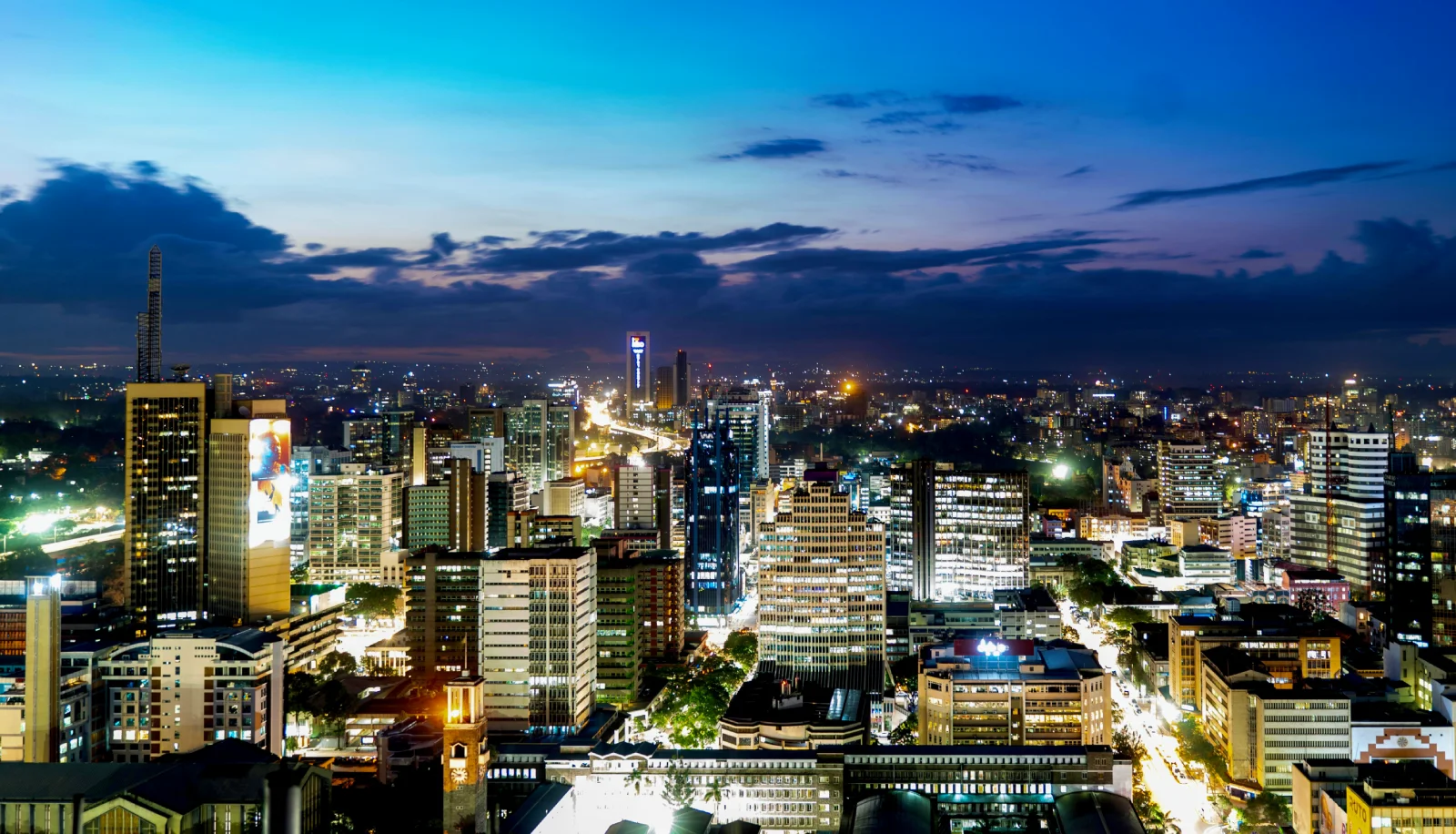
    Nairobi CBD by Night Nightlife Town Downtown

    Where to Wine & Dine: Nairobi’s Best Restaurants

    Nairobi isn’t just a city that knows how to party—it knows how to plate. From elegant garden eateries to high-rise gourmet hotspots, the city’s dining scene is a melting pot of global influences and local creativity. Whether you’re after a romantic dinner under the stars, a farm-to-table lunch, or artfully plated sushi, these restaurants showcase the bold flavors and refined flair that make Nairobi a rising star in African gastronomy.

    Talisman – Nairobi’s Beloved Fine-Dining Escape

    Hidden in the leafy suburb of Karen, Talisman is an oasis of culinary artistry and refined elegance. This cherished gastrolounge marries fine dining with a relaxed, home-like atmosphere amid lush gardens and tastefully decorated interiors. Known for its inventive fusion menu and signature dishes like feta and coriander samosas, Talisman has earned a cult following among discerning foodies. Whether you’re celebrating a milestone or enjoying an intimate dinner, Talisman delivers a wining and dining experience that is nothing short of extraordinary.

    Cave à Manger – A Wine Connoisseur’s Dream

    Step into Cave à Manger and immerse yourself in a cozy bistro setting that elevates the art of wining and dining. With a European-inspired ambiance, this venue is perfect for romantic evenings or close gatherings. Every dish is meticulously prepared and paired with a curated wine list featuring both local and international vintages, creating a refined, unforgettable dining experience in Nairobi.

    Cultiva – Where Farm Meets Table

    Located in Karen, Cultiva pioneers sustainable, organic dining that celebrates Kenya’s local bounty. With a menu that evolves seasonally, this restaurant crafts fresh, vibrant dishes honoring the farm-to-table philosophy. Ideal for eco-conscious diners, Cultiva offers an innovative wining and dining experience where every plate tells a story of sustainability, passion, and culinary mastery—a refreshing departure from the ordinary.

    Misono – The Best Japanese Cuisine in Town

    For enthusiasts of Japanese fare, Misono is Nairobi’s premier destination for authentic flavors and interactive dining. From meticulously crafted sushi to teppanyaki sessions where chefs perform their culinary artistry live, Misono delivers an immersive dining experience. The teppanyaki show, perfect for groups and special celebrations, adds theatrical flair to an exceptional wining and dining affair.

    La Terrazza – Italian Flavors with a View

    La Terrazza whisks you away to Italy without leaving Nairobi. Specializing in authentic Italian dishes such as homemade pasta, wood-fired pizzas, and a fine selection of Italian wines, this restaurant offers a dining experience that is both heartwarming and sophisticated. Nestled high above the city, La Terrazza boasts breathtaking skyline views that enhance every bite, making it ideal for romantic dinners or celebratory meals with friends.

    INTI – Nikkei Cuisine with Stunning Skyline Views

    Nairobi INTI Restaurant Food Wining Dining

    Perched atop One Africa Place, INTI merges bold Japanese-Peruvian fusion with Nairobi’s dazzling cityscape. With an innovative menu that marries the best of two culinary worlds, INTI offers visually stunning dishes paired with an elite cocktail experience. This upscale venue is perfect for those seeking an elevated wining and dining affair that reflects Nairobi’s cosmopolitan spirit while delighting the palate with creative, flavor-packed offerings.

    The Local Grill – Premium Steaks from Ol Pejeta

    For meat lovers, The Local Grill is a culinary paradise. Specializing in premium grass-fed and grain-fed beef sourced from Ol Pejeta Conservancy, this renowned steakhouse delivers rich, robust flavor in every bite—from perfectly aged ribeyes to succulent sirloins. With a warm, inviting ambiance, The Local Grill is ideal for intimate dinners or lively gatherings, offering a classic wining and dining experience that stands out in Nairobi’s competitive food scene.

    Hero – World-Class Cocktails & Japanese-Inspired Bites

    Nairobi Hero Restaurant Sushi Rolls

    Step into Hero, a rooftop marvel at Trademark Hotel that has earned accolades as one of the world’s top cocktail bars. With comic book-inspired décor and innovative mixology, Hero offers an immersive experience where Japanese-inspired small plates and bao buns complement meticulously crafted cocktails. Merging high-end clubbing with refined wining and dining, Hero is essential for anyone eager to experience Nairobi’s sophisticated nightlife.

    Insider Tips for Enjoying Nairobi’s Nightlife and Dining Scene

    Nairobi’s nightlife and dining culture isn’t just buzzing—it’s gaining international acclaim, and for good reason. The city is no longer flying under the radar. It’s now firmly on the map for global travelers, food critics, and cocktail connoisseurs seeking unique, authentic, and unforgettable experiences in Africa.

    Nairobi is On the Global Radar

    Nairobi’s culinary and cocktail excellence has not gone unnoticed. One of the city’s crown jewels, Hero Bar, was listed in the World’s 50 Best Discovery list—a recognition typically reserved for global heavyweights. Hero’s comic book-themed décor, rooftop views, and Japanese-inspired cuisine set it apart as one of the most creative bar experiences not just in Kenya, but worldwide.

    Likewise, restaurants like INTI, perched atop One Africa Place, have garnered attention from international travel and food platforms for their Nikkei cuisine (a fusion of Peruvian and Japanese flavors), sophisticated interiors, and breathtaking skyline views. Nairobi’s dining culture is evolving fast—and the world is watching.

    When to Go Out

    Nairobi nightlife generally kicks off a bit later than in some Western cities. Most bars begin to fill up around 9:30 PM, with clubs peaking from midnight to 3:00 AM. Fridays and Saturdays are naturally the busiest nights, but don’t overlook Thursday reggae nights at K1 Klub House or Sunday sessions at Geco Café or The Alchemist, which offer a more laid-back, social vibe with great music and food.

    If you’re dining out, 7:00 PM to 9:00 PM is prime time for dinner reservations, especially at high-end spots like Talisman, INTI, or Cultiva.

    Dress the Part

    While Nairobi has a relaxed dress culture during the day, nightlife leans stylish—especially in venues like Sky Lounge, Hero, or Brew Bistro. Upscale spots often expect smart casual or business-casual attire. You’ll fit right in with a chic outfit, well-fitted jeans or slacks, and a touch of personal flair. For local bars or live music venues like The Bar Next Door or Quiver Lounge, feel free to go a bit more casual but still clean and trendy.

    Getting Around Safely

    Nairobi Westlands GTC Skyline Expressway Roads Getting Around

    Nairobi is a car city, and ride-hailing apps like Uber, Bolt, and Little Cab are widely used and reliable. It’s best to avoid walking after dark, especially in unfamiliar areas. Stick to well-lit, busy zones like Westlands, Karen, or Gigiri, where most nightlife spots are clustered. Many venues also offer secure parking and vetted taxi services.

    If you’re staying out late, ask your venue if they can call a trusted driver or use the “Share Trip” feature on ride apps for added peace of mind.

    Cash or Card?

    Most mid to high-end venues in Nairobi accept Visa and Mastercard, and M-PESA (Kenya’s ubiquitous mobile money system) is accepted almost everywhere—even in some smaller clubs and food stalls. However, it’s always a good idea to carry a small amount of cash for cover charges, tipping, or venues where mobile connectivity might be an issue.

    Cover charges vary, but many clubs allow free entry before 9:00 PM or with guest list RSVPs, especially during special DJ nights or themed events.

    Blend In with the Locals

    One of the best ways to experience Nairobi’s nightlife is to go where the locals go. While visitors often flock to known names like The Alchemist or Hero, Nairobians are constantly discovering and supporting new pop-ups, backyard events, secret DJ sets, and Sunday food-and-music hangouts. Following pages like Nairobi Gossip Club and event brands like Blankets & Wine on Instagram can keep you up to date on what’s hot each weekend.

    You’ll also find that Nairobians are incredibly warm and welcoming, and it’s not uncommon to strike up conversations that turn into full table takeovers or spontaneous dance-offs.

    Respect Local Culture

    While Nairobi is cosmopolitan and youthful, it’s also a city rooted in tradition. Public displays of affection are generally accepted in most venues, but it’s wise to stay mindful of the environment. Some higher-end restaurants may prefer a more subdued dining atmosphere, while clubs are typically more relaxed and expressive.

    Also note: the party culture in Nairobi is highly social and often built around group experiences, shared plates, and communal energy. Don’t be surprised if strangers invite you to join their group—or if people respectfully ask to join yours.

    Nairobi isn’t just a stopover on the safari trail—it’s a standalone destination for serious food, music, and nightlife lovers. With world-class chefs, inventive mixologists, and music scenes that rival some of the continent’s best, it’s no wonder that global travel experts are turning their attention here.

    So whether you’re planning a weekend in Nairobi or adding it to your pan-African itinerary, come ready to eat, dance, connect, and be surprised. The city is alive—and it’s inviting you to join the party.

    Final Thoughts: Nairobi—The City That Never Sleeps!

    From pulsating clubs and buzzing bars to intimate restaurants that redefine wining and dining, Nairobi offers endless opportunities for adventure and indulgence. Every venue in this guide is more than a place to eat or party—it’s a destination where culture, creativity, and celebration converge into one unforgettable experience. Whether you’re losing yourself in the underground beats at The Tunnel or savoring an upscale cocktail with panoramic views at Sky Lounge, you’ll soon understand why this city is famed for its vibrant nightlife and culinary adventures.

    Embrace the rhythm of Nairobi, where every night promises new experiences and every meal is a celebration of life’s rich flavors. Step out, let the magic of this city ignite your senses, and create memories that will last a lifetime. Your ultimate journey through Nairobi’s world of clubbing, wining, and dining starts now—immerse yourself fully and enjoy every exhilarating moment.

    Embrace the ultimate Nairobi experience today. Whether you’re a dedicated foodie, a party aficionado, or simply eager to try something new, Nairobi’s diverse scene awaits you with open arms and endless possibilities. Enjoy every moment in a city that truly never sleeps!

    Why Others Think Nairobi is an Insanely Cool Place

  • 10 Must-Know Insider Tips for an Unforgettable Kampala Adventure: The Ultimate Guide to Hotels, Nightlife, Culture, and More!

    10 Must-Know Insider Tips for an Unforgettable Kampala Adventure: The Ultimate Guide to Hotels, Nightlife, Culture, and More!

    Kampala is a vibrant, bustling capital where tradition meets modernity in the most delightful way. From awe-inspiring cultural sites and historical landmarks to world-class hotels, tantalizing restaurants, energetic bars, and lively nightclubs, this city in Uganda offers an eclectic mix of experiences that cater to every traveler’s taste. Whether you’re an adventurer, a history buff, a foodie, or simply a curious wanderer, this comprehensive guide is your ticket to exploring the very best of Kampala.

    Why Kampala Should Be on Your Travel Radar

    Kampala, the beating heart of Uganda, offers a blend of historical depth, cultural vibrancy, and modern flair that few cities can match. This bustling metropolis sits on seven hills—much like Rome—and has expanded into a dynamic urban landscape where energy pulses through every street. The iconic Kasubi Tombs, a UNESCO World Heritage Site that honors the kings of the Buganda Kingdom, stands as a testament to the city’s rich history, while the bustling nightlife transforms Kampala into an urban carnival after dark.

    The city’s very name, derived from the phrase “Akasozi K’empala” (Hill of the Impalas), reflects its deep connection to nature and its storied past. Today, the city thrives as a melting pot of traditions and contemporary influences, drawing international tourists and local explorers alike. In contrast to the more modernized vibe of Nairobi, Kampala offers an authentic slice of East African heritage that enchants every visitor. Whether you’re wandering through the vibrant markets, savoring sumptuous dishes at an upscale restaurant, or immersing yourself in the city’s dynamic cultural scene, Kampala offers a rich tapestry of experiences that will leave you captivated.

    A Food Lover’s Guide: Restaurants and Cafes in Kampala

    Kampala’s culinary scene is as dynamic and diverse as the city itself. Whether you’re in search of high-end dining experiences or cozy cafes for a quick coffee break, Kampala’s restaurants and cafes serve up a delectable mix of traditional Ugandan dishes and international cuisine.

    Golden Hill Restaurant & Lounge

    Perched atop one of Kampala’s highest hills, Golden Hill Restaurant & Lounge offers diners a breathtaking 360-degree view of the city. The restaurant is renowned for its Asian-infused mezze, fresh pasta, crisp salads, and hearty Ethiopian stews served on injera bread. As the sun sets, the rooftop lounge transforms into a magical setting where expertly crafted cocktails complement the panoramic vistas of the city.

    The Vineyard Cafe & Wine Bar

    For those seeking a sophisticated yet relaxed ambiance, The Vineyard Cafe & Wine Bar is a must-visit. With an extensive wine selection and an exquisite menu that blends local flavors with international influences, this venue provides the perfect backdrop for both a quiet dinner and a lively evening out. Its elegant decor and attentive service make every meal feel like a special occasion.

    Yums Cafe

    Yums Cafe is the ideal spot for a casual coffee break or an informal meeting. Located along the bustling Ntinda-Kiwatuule Road, this cafe offers a warm, inviting atmosphere paired with a diverse selection of coffee, pastries, and light bites. Whether you need a quiet corner to relax or a vibrant space to catch up with friends, Yums Cafe caters to all your cravings.

    The Bourbon

    Situated near the shimmering shores of Lake Victoria, The Bourbon is a dining destination that combines generous portions with a laid-back vibe. This restaurant is celebrated for its well-cooked pork and fries, as well as an array of international dishes that leave diners thoroughly satisfied. Its relaxed ambiance and friendly service create an inviting space for both lunch and dinner.

    2Friends Bar (Dining Experience)

    Beyond its reputation as a premier nightlife venue, 2Friends Bar also doubles as a remarkable dining experience. Famous for its delicious pork ribs and eclectic mix of live music, 2Friends Bar offers a unique fusion of vibrant nightlife and gourmet cuisine. After an evening of dancing at Kampala’s trendy clubs, this spot provides the perfect setting for a late dinner with friends.

    Nightlife in Kampala: Bars and Nightclubs That Keep the City Alive

    As dusk falls, Kampala transforms into a playground for night owls. The city’s nightlife is an exhilarating blend of high-energy dance clubs, relaxed bars, and innovative cafes that double as evening hangouts. Here are some of the top spots where you can experience the pulsating heartbeat of Kampala after dark.

    Bubbles O’Learys Irish Pub

    Step into Bubbles O’Learys Irish Pub and immerse yourself in authentic Irish charm right in the heart of Kampala. Established in 1999, this vibrant venue features furnishings imported directly from Ireland, creating an atmosphere that is both nostalgic and energetic. A favorite among both locals and expatriates, Bubbles O’Learys offers live music, sports broadcasts, and an extensive selection of beers.

    Illusion

    Illusion Club Kampala
    Illusion Club Kampala

    Illusion is a standout nightclub in Kampala, known for its stunning city views and electrifying ambiance. With its chic decor and pulsating beats, Illusion attracts a trendy crowd ready to dance the night away. Whether you’re celebrating a special occasion or simply enjoying a night out, the club’s energetic atmosphere makes it an essential stop on any Kampala nightlife tour.

    Otters Bar

    Otters Bar is another gem in Kampala’s nightlife scene, blending a British-owned tradition with a modern twist. Its shaded terrace, themed nights including Abba karaoke, and DJs spinning Cuban beats create an environment that is both relaxed and lively. Otters Bar is the perfect spot to savor rustic pizzas baked in a stone oven while mingling with a diverse crowd.

    The Drop

    The Drop offers a unique dual personality: a co-working café by day that morphs into a laid-back bar by night. Known for its themed nights—Thursday karaoke sessions, Wednesday quiz nights, and Tuesday taco specials—this venue invites you to unwind with a shawarma wrap or an iconic Ugandan rolex while enjoying creative music and an artsy atmosphere.

    Club Silk

    Club Silk is a staple in Kampala’s nightlife, providing a classic nightclub experience with multiple lounges and dance floors. Its modern setup, crisp music, and impeccable service create a memorable night out whether you’re celebrating with friends or enjoying a solo adventure. Club Silk captures the energetic spirit of Kampala with every beat.

    Cultural Landmarks and Activities You Can’t Miss

    Kampala is a city steeped in history and culture, offering visitors a chance to connect with Uganda’s rich heritage. Beyond the modern hotels and vibrant nightlife, the cultural landmarks of Kampala provide a deep and meaningful glimpse into the soul of the city.

    Kasubi Tombs

    Kampala Kasubi Tombs Royal Buganda UNESCO World Heritage
    The Kasubi Tombs in Kampala – a UNESCO World Heritage Site

    A UNESCO World Heritage Site, the Kasubi Tombs are the sacred resting place of the kings (Kabakas) of the Buganda Kingdom. This historically significant site not only showcases unique architectural styles but also offers a glimpse into the traditional practices that have shaped Kampala’s identity. A visit to the Kasubi Tombs is both an educational journey and a spiritual experience.

    Uganda Museum

    Established as the oldest museum in East Africa, the Uganda Museum houses a fascinating collection of artifacts, musical instruments, and historical exhibits. A tour of the museum provides insight into the cultural evolution of Uganda, bridging the past with the present in an engaging and visually rich environment.

    Makerere University

    One of Africa’s oldest and most prestigious universities, Makerere University is a landmark of Kampala’s educational heritage. Strolling through its historic campus offers a serene escape from the urban bustle while providing a fascinating look into Uganda’s academic legacy. The campus itself is steeped in history and continues to be a hub of intellectual activity.

    Kabaka Palace

    Kampala - Kabaka Palace
    The Kabaka Palace in Kampala – the Royal Palace of the Buganda Kings

    Kabaka Palace, the official residence of the Kabaka (king) of Buganda, is another key cultural landmark. This palace is a symbol of the rich royal heritage of the Buganda Kingdom and offers insight into the traditional leadership and history of the region. Visitors can admire the historical artifacts and the stunning architecture that tell the story of Uganda’s regal past.

    Religious Landmarks

    Kampala is also home to several significant religious sites. The impressive Gaddafi Mosque, one of the largest in Africa, along with the stunning Rubaga and Namirembe Cathedrals, not only serve as places of worship but also offer breathtaking views of the city. These landmarks encapsulate Kampala’s architectural diversity and the deep-rooted spirituality of its people.

    Essential Traveler Tips for a Smooth Kampala Experience

    Kampala City Boda Bodas Motorbikes Roads
    Boda Bodas – The fastest and most common, but not the safest way of getting around in Kampala

    Before you dive into the myriad attractions and activities that Kampala has to offer, it’s essential to be prepared with practical advice and local insights. Here are some indispensable tips to ensure your adventure here is both enjoyable and hassle-free:

    Safety and Security

    • Stay Alert: As with any bustling metropolis, Kampala experiences its share of petty theft—especially in crowded areas like Owino and Nakasero Markets. Always keep an eye on your belongings and avoid flaunting expensive items.
    • Transport Tips: Registered taxis and ride-hailing services such as Uber, Bolt, and SafeBoda are recommended when navigating the city. Although boda bodas (motorcycle taxis) are a quick way to get around, using reputable services minimizes risk.
    • Nighttime Precautions: Kampala’s nightlife is lively, but it’s best to avoid wandering alone after dark. Stick to well-lit streets or opt for a trusted ride to keep safe.

    Health and Hygiene

    • Vaccinations: A Yellow Fever vaccination is mandatory for entry, and additional immunizations (typhoid, hepatitis A & B, meningitis) are advisable. Check with your doctor before traveling.
    • Malaria Prevention: With Kampala being in a malaria-prone region, pack insect repellent, use bed nets, and consult your healthcare provider regarding anti-malarial medication.
    • Water and Food: Always drink bottled or purified water. Though Kampala’s street food is tempting, choose busy vendors with high turnover to ensure freshness and quality.

    Money and Payments

    • Local Currency: The Ugandan Shilling (UGX) is the official currency. Although some establishments accept US dollars, carrying shillings is essential for everyday transactions.
    • Cash Versus Card: While many upscale hotels and restaurants accept credit cards, ATMs can sometimes be unreliable. Carry sufficient cash for small purchases and visits to local markets.
    • Mobile Money: Mobile Money services like MTN MoMo and Airtel Money are widely used in Kampala and offer a convenient method of payment for various services.

    Local Culture and Etiquette

    • Greetings: Ugandans are known for their warmth and hospitality. A friendly handshake paired with a simple greeting such as “Oli otya?” (How are you?) can open many doors.
    • Dress Code: Given Kampala’s tropical climate, light and breathable clothing is ideal. However, when visiting religious sites or upscale venues, modest attire is recommended.
    • Photography: Always ask permission before taking photos of people or sensitive areas, especially in traditional settings or near government buildings.

    Connectivity

    • Local SIM Cards: Purchase a local SIM card from providers like MTN or Airtel for reliable communication and internet access. A passport is required for registration.
    • WiFi Access: WiFi is available in most hotels, cafes, and restaurants. However, it’s wise to purchase a data bundle for consistent connectivity throughout the city.

    Top Hotels for Every Traveler

    Choosing the right hotel sets the tone for your entire Kampala experience. Whether you’re seeking luxury, boutique charm, or a cozy budget option, the city’s diverse accommodations cater to every traveler’s needs. Here is a curated list of the top hotels in Kampala that blend comfort, style, and local flavor.

    1. Kampala Serena Hotel

    Kampala Serena
    Kampala Serena Hotel

    Nestled on Nakasero Hill, Kampala Serena Hotel epitomizes luxury and elegance. Spanning 17 acres of lush gardens, this five-star establishment boasts 152 beautifully furnished rooms and 13 exclusive suites. Guests can choose from a variety of on-site dining options, relax in an Olympic-sized pool, or rejuvenate in a world-class spa. Its state-of-the-art conference center also makes it a preferred venue for business meetings.

    Highlights:

    • Hosted dignitaries like Queen Elizabeth II during the Commonwealth Heads of Government Meeting in 2007.
    • Recently renovated to elevate guest comfort and modern amenities.

    2. Sheraton Kampala Hotel

    A stalwart of Kampala since 1967, the Sheraton Kampala Hotel exudes timeless charm and sophistication. With 233 spacious rooms and suites, the hotel caters to families, business travelers, and tourists alike. Guests rave about the delectable seafood at the Seven Seas Restaurant and enjoy the relaxed atmosphere at the Equator Bar.

    Highlights:

    • Centrally located, ensuring easy access to business and entertainment districts.
    • A rich history combined with impeccable service that continues to charm visitors.

    3. Protea Hotel by Marriott Kampala

    Located in the upscale Kololo neighborhood, Protea Hotel by Marriott Kampala offers a blend of modern comfort and personalized service. With 59 contemporary rooms and 11 stylish suites, this boutique hotel caters to discerning travelers seeking convenience and luxury. A modern restaurant, a well-equipped fitness center, and proximity to top shopping and dining spots enhance its appeal.

    Highlights:

    • As part of the globally recognized Marriott chain, quality and consistency are assured.
    • An ideal choice for travelers who desire both comfort and accessibility.

    4. Latitude 0 Degrees

    For those who appreciate art and design alongside modern luxury, Latitude 0 Degrees is a boutique hotel that stands out. Situated on Makindye Hill, this hotel features spacious rooms adorned with African art and design elements. The rooftop bar offers panoramic views of Kampala, creating a perfect setting for relaxation and socializing.

    Highlights:

    • Emphasizes sustainable practices and celebrates local craftsmanship.
    • Provides a serene yet vibrant retreat that caters to both leisure and business travelers.

    5. Speke Resort and Conference Centre

    Set on the tranquil shores of Lake Victoria in Munyonyo, Speke Resort and Conference Centre is a luxurious escape from the urban hustle of Kampala. With 335 rooms, cottages, and apartments, this expansive resort is perfect for family vacations, corporate retreats, and leisure getaways. Its extensive conference facilities, equestrian center, marina, and multiple dining venues make it a versatile destination.

    Highlights:

    • Renowned for hosting the Commonwealth Heads of Government Meeting in 2007.
    • Offers an array of water sports and recreational activities that highlight its lakeside charm.

    6. Hilton Garden Inn Kampala

    Situated on Kitante Road in the vibrant Kamwokya neighborhood, Hilton Garden Inn Kampala is a modern hotel that provides 96 well-appointed rooms along with contemporary amenities. The hotel’s Garden Grille & Bar is celebrated for its diverse menu, and its proximity to the Uganda Golf Club and Acacia Mall makes it a favorite for both business and leisure travelers.

    Highlights:

    • Provides complimentary WiFi and essential business facilities.
    • Known for its friendly service and modern design that appeals to a broad range of guests.

    7. Fairway Hotel & Spa

    Located in the bustling Nakasero district, Fairway Hotel & Spa is a perfect blend of modern comfort and historical charm. This hotel offers well-appointed rooms, a rejuvenating spa, and lush gardens alongside multiple dining options. The Asian Fusion Restaurant serves up exquisite Indian and Chinese dishes, making every meal a culinary delight.

    Highlights:

    • Centrally located, offering convenience for both leisure and business travelers.
    • A perfect combination of cultural richness and modern luxury.

    8. Le Petit Village Boutique Hotel

    Tucked away in Nsambya, Le Petit Village Boutique Hotel is an intimate retreat that exudes European luxury combined with African hospitality. With just 12 thatched-roof suites, each uniquely designed with handcrafted furniture, this hotel offers personalized service and a warm, cozy atmosphere. Guests can unwind by the outdoor pool or enjoy a gourmet meal at the on-site Belgian restaurant, Le Chateau.

    Highlights:

    • A hidden gem that offers an intimate, boutique experience.
    • Perfect for romantic getaways or travelers seeking a peaceful retreat.

    9. Mestil Hotel & Residences

    Mestil Hotel & Residences in Nsambya provides a flexible accommodation option for both short-term visitors and long-term residents. Combining the comforts of a hotel with the conveniences of serviced apartments, this modern property features amenities like kitchenettes, spacious living areas, a spa, gym, and pool. Its Mediterranean-inspired dining options add an extra layer of sophistication to your stay.

    Highlights:

    • Ideal for families and business travelers who require flexible accommodation.
    • Offers a comfortable blend of home-like warmth and hotel luxury.

    Practical Advice and Local Insights for a Memorable Trip

    Making the most of your Kampala adventure involves embracing the local way of life while keeping practical tips in mind. Here are additional insights to help you navigate Kampala like a local and create unforgettable memories.

    Transportation in Kampala

    • Ride-Hailing Services: For a safe and comfortable ride around Kampala, rely on ride-hailing apps like Uber, Bolt, or SafeBoda. While boda bodas are ubiquitous, opting for regulated services reduces the risk of mishaps.
    • Traffic Awareness: Kampala is known for its heavy traffic, particularly during rush hours (7-9 AM and 5-8 PM). Plan your journeys accordingly to avoid delays.
    • Local Buses: For an authentic experience, consider riding a matatu (minibus). However, be prepared for crowded conditions and a rustic ride that is part of the local charm.

    Communication and Connectivity

    • Local SIM Cards and Data: Stay connected by purchasing a local SIM card from MTN or Airtel. This not only helps with navigation but also keeps you updated with local events and travel advisories.
    • Language Tips: Although English is widely spoken, learning a few Luganda phrases like “Webale” (thank you) and “Oli otya?” (how are you?) will enrich your interactions with friendly locals.

    Embracing Local Culture

    • Market Exploration: Wander through bustling markets like Owino and Nakasero to experience Kampala’s energetic street life and to pick up unique souvenirs crafted by local artisans.
    • Cultural Performances: The Ndere Cultural Centre is a must-visit for those interested in traditional Ugandan music and dance. Live performances provide an immersive insight into the nation’s diverse cultural heritage.
    • Local Festivals: Check out the local calendar for cultural festivals and events that capture the spirit of Kampala. Participating in these celebrations can transform your visit into a culturally rich experience.

    Food and Drink Etiquette

    Kampala Street Food Rolex
    Rolex – the ultimate classic of Kampala’s street foods
    • Dining Experiences: From gourmet meals at upscale restaurants like Golden Hill Restaurant & Lounge to casual bites at Yums Cafe, Kampala offers a diverse culinary landscape. Remember that tipping (5-10%) is appreciated in most establishments.
    • Street Food: While street food is a delightful way to sample local flavors, choose busy stalls with high turnover to ensure both freshness and quality.

    Planning Your Itinerary

    When planning your itinerary, consider mixing cultural excursions with moments of leisure. Start your day exploring the Uganda Museum, enjoy a sumptuous lunch at an elegant restaurant, and later unwind at a rooftop bar watching the sunset over Kampala. For a broader East African experience, you might also consider a short trip to Dar es Salaam, where the coastal vibe and vibrant arts scene offer a refreshing contrast to Kampala’s urban energy.

    Packing Essentials

    • Appropriate Clothing: Kampala’s tropical climate calls for light, breathable clothing. However, if you plan to visit religious or upscale locations, pack some modest attire.
    • Rain Gear: With Kampala’s rainy seasons peaking from March to May and September to November, a compact umbrella or lightweight raincoat is a travel essential.
    • Travel Documents: Always carry copies of your passport, travel insurance, and any required vaccination certificates. Having digital backups on your phone can also be a lifesaver.

    Final Thoughts: Embrace the Spirit of Kampala

    Kampala is more than just a destination—it’s an experience that captivates the senses and leaves a lasting imprint on your soul. From its luxurious hotels and mouth-watering restaurants to the energetic nightlife and rich cultural landmarks, Kampala weaves a tapestry of experiences that celebrate both its storied past and its vibrant present.

    Imagine starting your day with a steaming cup of locally brewed coffee at Yums Cafe, where the aroma awakens your senses. Later, stroll through the historic corridors of Makerere University, where centuries of academic excellence whisper tales of Uganda’s past. As the day unfolds, explore the artistic beauty of the Kasubi Tombs, where tradition and history converge in a sacred space. And when the sun sets, the city comes alive with the pulsating beats of nightclubs like Illusion and Club Silk, inviting you to dance the night away.

    Kampala’s accommodations cater to every whim and fancy. Whether you choose the regal elegance of Kampala Serena Hotel, the storied charm of Sheraton Kampala Hotel, or the boutique intimacy of Le Petit Village Boutique Hotel, each property offers a unique perspective on luxury and local hospitality. Dining in Kampala is a journey in itself—from the panoramic views at Golden Hill Restaurant & Lounge to the refined tastes of The Vineyard Cafe & Wine Bar, every meal is a celebration of flavor and culture.

    For those looking to immerse themselves in the local lifestyle, the vibrant markets, cultural festivals, and friendly encounters on the streets of Kampala provide a genuine connection to the Ugandan way of life. This is a city that invites you to slow down, savor every moment, and embrace the unexpected joys that arise around every corner.

    Your adventure in Kampala promises not only a glimpse into the rich cultural heritage of Uganda but also an invitation to create memories that will last a lifetime. Whether you’re here for business, leisure, or a deep dive into cultural exploration, the warmth and vibrancy of Kampala are sure to inspire you. So, pack your bags, leave your worries behind, and get ready to discover a city where every moment is a celebration of life, history, and unbridled energy.

    Kampala is waiting to welcome you with open arms. Let the journey begin, and may your time in this remarkable city be as enriching as it is exhilarating.

  • Discover the Timeless Charm of Stone Town: 15 Unforgettable Experiences in Zanzibar

    Discover the Timeless Charm of Stone Town: 15 Unforgettable Experiences in Zanzibar

    Stone Town, Zanzibar, is not merely a destination—it’s an immersive journey through time. Nestled on the shores of the Indian Ocean, this UNESCO World Heritage Site is renowned for its labyrinthine streets, intricately carved wooden doors, and a legacy that blends African, Arab, Persian, Indian, and European influences. Whether you are a history buff, a food lover, or a traveler seeking authentic cultural experiences, Stone Town offers a wealth of treasures waiting to be explored. In this ultimate guide, we invite you to discover the magic of Stone Town through its historic landmarks, culinary delights, and diverse accommodations that together paint a vivid portrait of Zanzibar.

    1. A Glimpse Into the Rich History of Stone Town

    Every stone, every door, and every alley in Stone Town whispers a story from the past. This ancient town has witnessed centuries of triumphs, turmoil, and cultural exchange that have left an indelible mark on its very soul.

    The House of Wonders and the Old Fort

    Zanzibar Stone Town Sultan Palace House of Wonders
    The House of Wonders (Beit al-Ajaib) in Stone Town, Zanzibar

    At the heart of Stone Town stands the House of Wonders (Beit al-Ajaib), a monumental building that once heralded modernity in East Africa. Constructed in 1883 by Sultan Barghash, this architectural marvel was the first building in the region to be equipped with electricity, running water, and an elevator. Today, even as it undergoes restoration, the House of Wonders remains a symbol of Zanzibar’s innovative spirit and historical grandeur.

    Not far from the House of Wonders is the Old Fort (Ngome Kongwe). Originally built by the Omanis in the late 17th century to fend off Portuguese invaders, the Old Fort has evolved into a lively cultural center. Its sturdy walls now house art exhibitions, local performances, and bustling markets where the present meets the past. Walking through its ancient corridors, you can almost hear echoes of history whispering through the stone walls.

    A Dark Chapter: The Slave Trade and Remembrance

    Stone Town’s history is not without its darker chapters. Once a central hub of the Indian Ocean slave trade, the town played a significant role in the enslavement of Africans who were captured and sold across the region. Today, the former slave market has been transformed into a place of remembrance. The Anglican Cathedral, built on the very site of the old slave market, stands as a moving memorial dedicated to those who suffered during those turbulent times. This powerful monument reminds visitors of the resilience of the human spirit and the importance of honoring the past.

    Stone Town Zanzibar Slave Monument

    The Omani Legacy and the Birth of a Legend

    Zanzibar’s transformation into a global trading powerhouse is closely linked to the era of the Omani Sultanate. In the 19th century, Sultan Said bin Sultan moved his capital from Muscat to Zanzibar, turning the island into a bustling center for the spice, ivory, and slave trades. The influence of Omani culture is still palpable in Stone Town’s ornate architecture, the intricate designs of its wooden doors, and the lingering aromas of exotic spices.

    Adding another layer to Stone Town’s colorful history is the story of Freddie Mercury, born Farrokh Bulsara in Zanzibar in 1946. The legendary frontman of Queen is celebrated not only through his music but also by local establishments like Mercury’s Restaurant & Bar. For decades, Mercury’s has been a beloved landmark in Stone Town, symbolizing the fusion of history and modern culture that defines Zanzibar.

    Surprising Tidbits of History

    Did you know that Stone Town gets its name from the coral stone used in the construction of its buildings? Over time, the soft coral stone weathers to a distinctive golden-brown hue that gives Stone Town its characteristic charm. Moreover, the island of Zanzibar was once known as the “Spice Island” due to its prolific production of cloves, nutmeg, cinnamon, and other aromatic spices. Even the 38-minute Anglo-Zanzibar War of 1896—the shortest war in history—adds to the fascinating mosaic of Stone Town’s past, making it a treasure trove for history enthusiasts.

    2. Culinary Adventures with a Historic Flair

    Stone Town’s culinary scene is a delightful blend of tradition and innovation. The flavors here are as diverse as the cultures that have influenced Zanzibar over the centuries. Dining in Stone Town is not just about eating; it’s about experiencing a vibrant heritage through every bite.

    Iconic Dining Destinations

    • Taarab Restaurant & Rooftop Bar:
      Imagine savoring a fusion of Swahili, Indian, and Mediterranean cuisines while gazing at a panoramic view of the Indian Ocean. Taarab Restaurant offers just that—an unforgettable culinary experience where every dish is a celebration of Zanzibar’s rich heritage. As the sun sets over Stone Town, the gentle strains of Taarab music add an enchanting soundtrack to your meal.
    • Cape Town Fish Market Zanzibar:
      Located along the scenic waterfront, this restaurant is a haven for seafood enthusiasts. The open-air terrace offers spectacular views of the ocean, making it the perfect spot to enjoy freshly caught seafood, innovative sushi creations, and Swahili-spiced grilled fish. Whether you’re dining under a starlit sky or a radiant sunset, every meal here is a feast for the senses.
    • Emerson on Hurumzi:
      Housed within a beautifully restored Swahili palace, Emerson on Hurumzi offers an immersive dining experience that is as much about culture as it is about cuisine. Enjoy a multi-course Swahili tasting menu, where traditional flavors are reimagined with modern flair. Live Taarab music fills the air, transporting you to another era as you dine in an ambiance steeped in history.
    • Mercury’s Restaurant & Bar – A Stone Town Legend:
      For decades, Mercury’s has been a beloved institution in Stone Town. Named after the legendary Freddie Mercury, this restaurant and bar is renowned for its eclectic mix of seafood, grills, and international dishes. With its mesmerizing ocean views, live music, and a legacy that spans generations, Mercury’s is a must-visit for anyone wanting to taste the spirit of Zanzibar.

    Local Favorites and Hidden Gems

    Stone Town Zanzibar Forodhani Food Market

    Beyond the well-known landmarks, Stone Town is dotted with charming eateries that capture the essence of local life. Lukmaan Restaurant is celebrated for its authentic Swahili dishes, serving up hearty plates of octopus curry, pilau rice, and chapati in a bustling, no-frills setting. Meanwhile, The Tea House Restaurant offers a refined high tea experience, complete with spiced teas, local pastries, and a serene ambiance that perfectly complements the historic surroundings.

    Cafés such as Zanzibar Coffee House and Lazuli Café provide a cozy retreat for travelers. Whether you’re in the mood for a rich, locally roasted coffee or a light, refreshing smoothie, these spots offer the perfect blend of flavor and culture—ideal for a leisurely break as you wander through the storied streets of Stone Town.

    3. Rest and Relaxation: Where to Stay in Stone Town

    After a day of exploring history and savoring sumptuous meals, the perfect sanctuary awaits in Stone Town. Accommodation here ranges from luxurious hotels steeped in heritage to charming mid-range options that offer both comfort and authenticity.

    Luxury & Boutique Options

    • Park Hyatt Zanzibar:
      For travelers seeking the pinnacle of elegance and luxury, Park Hyatt Zanzibar delivers an unrivaled oceanfront experience. Set against the backdrop of the Indian Ocean, this top-tier hotel combines Swahili-inspired decor with modern amenities. The spacious rooms, infinity pool, and gourmet dining options create a setting where every moment is steeped in opulence.
    • Emerson on Hurumzi:
      More than just a hotel, Emerson on Hurumzi is a cultural experience in itself. Nestled in a restored palace, this boutique hotel offers uniquely decorated rooms that reflect the rich heritage of Stone Town. Guests can indulge in the celebrated rooftop restaurant, where live Taarab music and multi-course Swahili tasting menus provide an unforgettable dining experience.

    Mid-Range Marvels

    • DoubleTree by Hilton Hotel Zanzibar – Stone Town:
      Ideally located in the heart of Stone Town, this hotel strikes the perfect balance between modern comfort and traditional charm. With well-appointed, air-conditioned rooms and amenities like a fitness center and rooftop dining, DoubleTree by Hilton is an excellent choice for both leisure and business travelers. Its proximity to major attractions, such as the House of Wonders and Forodhani Gardens, makes it a convenient and stylish base for your Stone Town adventures.
    • Tembo House Hotel:
      Step into history at Tembo House Hotel, where a historic building meets modern-day comforts. Located right on the beachfront, this hotel enchants guests with antique furnishings, traditional Swahili decor, and a refreshing courtyard pool. The unique beach access in Stone Town is a rarity, offering guests the luxury of both land and sea.
    • Zanzibar Serena Hotel:
      Overlooking the mesmerizing ocean, Zanzibar Serena Hotel is an upscale boutique option that exudes elegance and warmth. With its beautifully landscaped garden courtyard and a sparkling beachfront pool, this hotel offers a refined yet comfortable stay that captures the essence of Zanzibari hospitality.
    • Maru Maru Hotel & Kisiwa House:
      For those who prefer a more intimate setting, Maru Maru Hotel and Kisiwa House are two charming boutique accommodations that offer picturesque rooftop views and personalized service. These hotels are perfect for couples and solo travelers looking to experience the local flavor in a tranquil, yet stylish environment.

    Budget-Friendly & Authentic Guesthouses

    For travelers on a more modest budget who still want to experience the true essence of Stone Town, authentic guesthouses provide a welcoming home away from home. The Swahili House and Stone Town Café & Bed & Breakfast offer cozy, budget-friendly accommodations where traditional Zanzibari decor meets warm local hospitality. These guesthouses provide not only a comfortable place to rest but also a deeper connection to the local community and culture.

    4. Explore and Immerse: Must-Do Activities and Attractions

    Stone Town is a treasure trove of experiences that bring its rich history to life. Whether you’re a seasoned explorer or a curious traveler, the following activities offer a glimpse into the soul of Zanzibar:

    Wander the Labyrinthine Streets

    Stone Town Zanzibar Street Alley

    One of the simplest yet most captivating experiences in Stone Town is the act of wandering its narrow, winding alleys, similar to those found in Mombasa Old Town or Lamu. Here, every carved wooden door tells a story—each one a unique blend of Arab, Indian, and African artistry. As you meander through these ancient pathways, you’ll stumble upon hidden courtyards, vibrant artisan shops, and centuries-old mosques. It is a living museum where the past and present coexist in a dynamic dance of color, sound, and scent.

    Local Cultural Hotspots

    • Jaws Corner:
      Immerse yourself in local life at Jaws Corner, a bustling gathering spot where residents converge over strong, aromatic coffee. This open-air hub is a microcosm of Stone Town’s social fabric—filled with animated conversations, impassioned debates, and a sense of community that is both infectious and genuine.
    • Spice Tours and the Essence of Zanzibar:
      Just beyond the narrow streets of Stone Town lies the aromatic legacy of Zanzibar—the Spice Island. Venture on a spice tour to explore lush plantations where cloves, nutmeg, cinnamon, and vanilla are grown. These tours are not only a sensory delight but also a window into the historical trade that once made Zanzibar one of the richest spice producers in the world.
    • Prison Island Adventure:
      A short boat ride from Stone Town takes you to Prison Island, a serene retreat that offers a mix of history and nature. Originally used as a prison for rebellious slaves, this island is now a sanctuary for ancient giant tortoises, some of which are over a century old. Snorkeling in the crystal-clear waters surrounding the island adds a splash of adventure to this cultural excursion.

    Discover Cultural Landmarks

    Stone Town’s many museums and historic sites offer deeper insights into its multifaceted past:

    • Sultan’s Palace Museum:
      Once the residence of Omani sultans, the Sultan’s Palace Museum is a treasure trove of royal artifacts, ornate furnishings, and historical documents. A visit here allows you to step back into a world of regal opulence and learn about the intricate history of Zanzibar’s ruling elite.
    • Hamamni Persian Baths and Maruhubi Palace Ruins:
      Explore the exquisite remnants of the Persian Baths and the ruins of Maruhubi Palace. These sites speak to the lavish lifestyles and architectural prowess of Zanzibar’s past rulers, inviting you to imagine the splendor that once graced these ancient walls.
    • The Anglo-Zanzibar War Memorial:
      History enthusiasts will be intrigued by the tale of the 38-minute Anglo-Zanzibar War—the shortest war in history. Though brief, this conflict in 1896 left an indelible mark on Zanzibar’s narrative, serving as a reminder of the island’s complex colonial past.

    5. Embracing the Local Spirit: Art, Music, and Handicrafts

    No visit to Stone Town is complete without engaging with its vibrant cultural scene. The town is a hub for local artisans, musicians, and craftspeople who keep age-old traditions alive while adding their own modern twists.

    The Art of the Carved Doors

    Perhaps one of the most iconic symbols of Stone Town is its elaborately carved wooden doors. These masterpieces are a visual testament to the town’s rich heritage. Ranging from the simple elegance of Swahili designs to the intricate floral patterns of Arab-inspired doors, each door reflects the wealth, status, and cultural pride of the family that once resided behind it. As you photograph these stunning works of art, you become part of a centuries-old tradition that celebrates beauty and craftsmanship.

    Music That Tells a Story

    Music is the heartbeat of Zanzibar, and nowhere is this more evident than in the haunting melodies of Taarab. This unique musical genre—a blend of Arabic, African, and Indian influences—fills the air at many of Stone Town’s rooftop restaurants and cultural centers. Whether you’re enjoying a meal at Taarab Restaurant & Rooftop Bar or being serenaded at Emerson on Hurumzi, the music of Zanzibar adds an irreplaceable layer of authenticity to your experience.

    Handicrafts and Souvenirs

    Stone Town’s bustling markets are a paradise for shoppers seeking authentic souvenirs. From handmade textiles and intricate beadwork to locally produced spices and artisanal ceramics, the markets here offer a glimpse into the everyday artistry of Zanzibar. The Darajani Market, in particular, is a sensory overload where every stall tells a story of tradition, skill, and community.

    Final Thoughts: Your Unforgettable Zanzibar Adventure Awaits

    Stone Town, Zanzibar, is a destination where every experience is steeped in history and every moment is a chance to create lasting memories. Its unique blend of ancient landmarks, vibrant culinary experiences, and diverse accommodations create a canvas rich with color, culture, and endless possibilities.

    Imagine waking up in a heritage hotel like Park Hyatt Zanzibar or Emerson on Hurumzi, where every detail tells a story of tradition and modern elegance. Spend your mornings exploring centuries-old forts, bustling markets, and secret alleys that lead to hidden treasures. Savor a lunch of freshly caught seafood at Cape Town Fish Market, followed by an afternoon wandering through spice plantations that have defined Zanzibar’s identity for generations. As the sun sets, the air fills with the soulful strains of Taarab music, inviting you to dine under the stars at Mercury’s Restaurant & Bar—an institution that has captivated locals and visitors alike for decades.

    This is the magic of Stone Town, Zanzibar—a place where the past and present coalesce into a vibrant mosaic of experiences. Whether you’re fascinated by history, in love with food, or simply seeking a destination that feels authentically alive, Stone Town promises an adventure that is as timeless as it is unforgettable.

    So pack your bags, set your spirit free, and prepare to be enchanted by the endless wonders of Stone Town, Zanzibar. Your unforgettable journey awaits in this island paradise where every moment is a story, and every story is a treasure.

    See Also

    https://hellozanzibar.com/stone-town-zanzibar-to-do-explore-mji-mkongwe/
  • 7 Epic Dar es Salaam Secrets: Discover the Best Nightlife, Dining, and Cultural Delights

    7 Epic Dar es Salaam Secrets: Discover the Best Nightlife, Dining, and Cultural Delights

    Dar es Salaam, often affectionately referred to as “Dar,” is not just Tanzania’s largest city—it’s the pulsating heart of East Africa’s culture, commerce, and creativity. A vibrant blend of modernity and history, Dar es Salaam offers travelers a rich tapestry of experiences ranging from scenic oceanfront vistas and bustling markets to sophisticated dining and electrifying nightlife.

    Just like its coastal counterpart Mombasa in Kenya, Dar captivates with its unique energy, and beckons with a vibrant mix of historic charm and seaside allure, offering visitors an extended taste of East Africa’s dynamic spirit. In this comprehensive guide, we’ll take you on an in-depth journey through the very best the city has to offer. Read on to uncover the top bars and nightclubs, restaurants, hotels, must-do activities, and intriguing historical facts that shape this dynamic city.

    (adsbygoogle = window.adsbygoogle || []).push({});

    A Nightlife to Remember: Top Bars and Nightclubs in Dar es Salaam

    Dar es Salaam’s nightlife is an eclectic mix of chic rooftop lounges, lively dance floors, and relaxed neighborhood bars. Whether you’re in the mood for sipping cocktails under the stars or dancing the night away, the city’s venues cater to every style and taste.

    1. Level 8 Rooftop Bar

    Location: Hyatt Regency Dar es Salaam, 24 Kivukoni Rd
    Best For: Stunning panoramic views and an upscale, sophisticated ambiance

    Perched atop the elegant Hyatt Regency, Level 8 Rooftop Bar is a must-visit for anyone who loves breathtaking vistas. As the city’s lights begin to twinkle against the backdrop of the Indian Ocean, this rooftop bar creates a mesmerizing ambiance ideal for romantic evenings or high-end gatherings with friends. With an expertly curated cocktail menu and impeccable service, Level 8 provides a luxurious escape from the everyday hustle.

    2. High Spirit Lounge Bar

    Location: It Plaza, Ohio Street (Garden Ave)
    Best For: Open-air vibes and a dynamic mix of music

    High Spirit Lounge Bar offers more than just great drinks—it’s a full sensory experience. Nestled in the heart of the city, this rooftop venue boasts captivating views of the ocean and the cityscape below. The relaxed yet energetic atmosphere, paired with a diverse music playlist that blends African beats with international hits, makes it an ideal spot for unwinding after a long day or kicking off a night on the town.

    3. Slow Leopard

    Location: Chole Road
    Best For: Casual, laid-back vibes perfect for sports enthusiasts

    If you’re looking for a more relaxed setting, Slow Leopard is your go-to bar. Popular among both locals and expats, this laid-back venue is renowned for its delicious burgers, finger foods, and, of course, its excellent drink selection. The casual atmosphere makes it the perfect place to catch a game, chat with friends, and soak up the local vibe without the need for any pretense.

    4. HAVOC

    Location: Various locations in Dar es Salaam
    Best For: An electrifying nightclub experience with a spacious dance floor

    For those who want to experience the high-energy pulse of Dar’s nightlife, HAVOC is a top choice. This vibrant nightclub features multiple sections that cater to different musical tastes and moods, ensuring that there’s something for everyone. With its expansive dance floor and sophisticated decor, HAVOC is perfect for letting loose and celebrating life deep into the early hours.

    5. Samaki Samaki

    Location: Multiple locations around Dar es Salaam
    Best For: A lively fusion of seafood dining and vibrant nightlife

    Samaki Samaki is not your average restaurant—it’s a cultural hub where dining meets entertainment. Famous for its delectable seafood dishes, this venue also transforms into a buzzing bar as the night progresses. The energetic atmosphere, live music, and eclectic mix of patrons create a dynamic environment that perfectly encapsulates Dar’s spirit.

    6. Elements Restaurant & Lounge

    Location: Haile Selassie Road
    Best For: Trendy ambiance with an eclectic mix of music styles

    Elements Restaurant & Lounge is where style meets substance. Catering to a trendy, cosmopolitan crowd, this venue is known for its fusion of hip-hop, Afro beats, and Bongo Flava. With its chic interior, creative cocktail offerings, and an atmosphere that effortlessly transitions from relaxed to lively, Elements stands out as one of the city’s hippest lounges.

    (adsbygoogle = window.adsbygoogle || []).push({});

    Culinary Adventures: The Best Restaurants in Dar es Salaam

    Dar es Salaam’s culinary scene is as diverse as its people, offering everything from high-end dining experiences to local eateries that have won hearts for their authenticity and flavor. Whether you’re seeking gourmet international dishes or traditional Tanzanian fare, the city’s restaurants cater to every palate and budget.

    High-End Dining Experiences

    1. Akemi Revolving Restaurant

    Location: 21st Floor, Golden Jubilee Tower (Ohio Street)
    Best For: A unique dining experience with 360-degree views

    Akemi Revolving Restaurant is a culinary landmark in Dar es Salaam. As Tanzania’s only revolving restaurant, Akemi offers diners a mesmerizing 360-degree view of the city and the shimmering Indian Ocean. The menu features a sophisticated blend of international and local cuisines—perfect for those special occasions when you want your dining experience to be as memorable as the view.

    2. The Palm at Hyatt Regency Dar es Salaam

    Location: Hyatt Regency Dar es Salaam, The Kilimanjaro, 24 Kivukoni Front
    Best For: Fine dining with a blend of international and local flavors

    Nestled within the luxurious Hyatt Regency, The Palm delivers an exceptional fine dining experience. The restaurant offers a menu that artfully blends Swahili spices with European culinary techniques. From fresh seafood to gourmet steaks, every dish is prepared with precision and served in an elegant, modern setting. It’s the ideal destination for romantic dinners, business meetings, or special celebrations.

    3. Karambezi Café

    Location: Sea Cliff Hotel
    Best For: Oceanfront dining with a focus on fresh seafood

    Karambezi Café, set at the iconic Sea Cliff Hotel, offers diners more than just a meal—it provides a sensory experience. With its cliffside location, guests are treated to panoramic ocean views while enjoying an array of fresh seafood and continental dishes. Whether you’re there for brunch or a romantic dinner, the stunning setting coupled with delicious cuisine makes Karambezi Café an unforgettable dining destination.

    Mid-Range Marvels

    4. Addis in Dar

    Location: Various locations in Dar es Salaam
    Best For: Authentic Ethiopian cuisine and a communal dining experience

    For a change of pace from traditional Tanzanian fare, Addis in Dar brings the rich flavors of Ethiopian cuisine to the heart of Dar es Salaam. This family-owned restaurant offers a unique dining experience where dishes are served on injera (Ethiopian flatbread) and shared among friends and family. The bold spices, hearty stews, and warm, inviting atmosphere make Addis in Dar a standout mid-range dining option.

    5. Épi d’Or

    Location: Haile Selassie Road
    Best For: A delightful fusion of French, Mediterranean, and Middle Eastern dishes

    Épi d’Or is a charming café that blends the best of French and Mediterranean culinary traditions with a touch of Middle Eastern flavor. It’s a popular spot for breakfast, brunch, and casual dinners. Whether you’re indulging in freshly baked pastries or a gourmet sandwich, the relaxed ambiance and beautiful garden seating ensure a pleasant dining experience.

    Budget-Friendly Delights

    6. Mamboz Corner BBQ

    Location: 296/101 Libya St (Morogoro Road)
    Best For: Authentic Tanzanian barbecue at unbeatable prices

    Mamboz Corner BBQ is a must-visit for those seeking the true taste of local street food without breaking the bank. Known for its succulent grilled meats and vibrant atmosphere, this budget-friendly eatery is a hit among locals and travelers alike. Here, you can savor flavor-packed dishes like ‘Sekela’ chicken, beef mishkaki, and spicy Zanzibar mix—all served in a bustling, authentic environment that epitomizes Dar’s street food culture.

    Rest and Relaxation: The Top Hotels and Accommodations in Dar es Salaam

    Finding the perfect place to stay in Dar es Salaam is key to enjoying your trip to the fullest. The city offers a wide range of accommodations from luxurious five-star hotels to cozy mid-range options and standout budget-friendly alternatives.

    (adsbygoogle = window.adsbygoogle || []).push({});

    High-End Hotels

    1. Hyatt Regency Dar es Salaam, The Kilimanjaro

    Location: Kivukoni Street, Dar es Salaam
    Best For: Luxurious amenities, panoramic views, and central location

    Hyatt Regency Dar es Salaam stands as a beacon of luxury in the city. With modern rooms that offer breathtaking views of the Indian Ocean, this five-star hotel combines comfort with elegance. Guests can indulge in a world-class spa, work out at the state-of-the-art fitness center, or enjoy a cocktail at the rooftop bar. Whether you’re in town for business or leisure, Hyatt Regency provides an impeccable blend of style and convenience.

    2. Dar es Salaam Serena Hotel

    Location: Ohio Street, Dar es Salaam
    Best For: Elegant ambiance set in lush tropical gardens

    Set against a backdrop of tropical gardens, Dar es Salaam Serena Hotel is the epitome of elegance. The hotel’s spacious rooms, adorned with a mix of African and modern décor, create a serene atmosphere that’s perfect for relaxation. With its excellent dining options, outdoor pool, and comprehensive amenities, Serena Hotel offers a luxurious retreat in the heart of the city.

    3. Johari Rotana

    Location: Sokoine Drive, Dar es Salaam
    Best For: Contemporary luxury with exceptional business facilities

    Johari Rotana caters to both business and leisure travelers with its stylish and modern rooms and suites. The hotel features a wellness center, an outdoor pool, and diverse dining venues that serve a variety of cuisines. Its central location along Sokoine Drive makes it an ideal base for exploring Dar es Salaam’s commercial and cultural hubs.

    Mid-Range Hotels

    4. Mediterraneo Hotel & Restaurant

    Location: Kawe Beach, Dar es Salaam
    Best For: A charming beachfront boutique hotel with a Mediterranean twist

    Mediterraneo Hotel & Restaurant offers a refreshing change of pace. Located right on Kawe Beach, this boutique hotel combines Swahili-inspired décor with Mediterranean elegance. The lush gardens, cozy rooms, and an on-site restaurant renowned for its seafood and Mediterranean dishes create an inviting atmosphere perfect for a relaxed getaway. It’s an ideal choice for those who want to enjoy the tranquility of the beach without sacrificing comfort or style.

    5. Protea Hotel by Marriott Dar es Salaam Courtyard

    Location: Sea-view Ocean Road, Dar es Salaam
    Best For: Colonial charm and a convenient location for urban explorers

    Housed in a beautifully restored colonial building, the Protea Hotel by Marriott Courtyard offers a delightful blend of history and modernity. The hotel features comfortable rooms, a charming courtyard pool, and a restaurant serving both local and international fare. Its location on Ocean Road makes it an excellent choice for travelers eager to explore the city’s landmarks and hidden treasures.

    6. Tanzanite Executive Suites

    Location: Mali Street, Dar es Salaam
    Best For: Spacious suites ideal for extended stays and city center access

    Tanzanite Executive Suites caters especially to those planning a longer stay in Dar es Salaam. With modern suites equipped with kitchenettes, this hotel is perfect for travelers who prefer a home-like environment while exploring the bustling city. The added convenience of a fitness center and proximity to shopping areas further cements its reputation as a reliable mid-range option.

    Standout Budget Accommodation

    7. Sophia Hotel

    Location: Mchafukoge, Dar es Salaam
    Best For: Exceptional value in a central location with reliable amenities

    For budget-conscious travelers, Sophia Hotel offers clean, comfortable rooms without compromising on quality. Located in the bustling area of Mchafukoge, this hotel is renowned for its affordability, dependable Wi-Fi, and friendly service. Despite its budget-friendly pricing, Sophia Hotel consistently receives praise for its attention to detail and prime location, making it a standout choice for those looking to explore Dar es Salaam on a budget.

    Must-Do Experiences and Attractions in Dar es Salaam

    The city is bursting with activities and attractions that reflect its vibrant cultural tapestry. From museums and markets to nature escapes and artistic hubs, there’s something in Dar es Salaam for every kind of traveler.

    (adsbygoogle = window.adsbygoogle || []).push({});

    1. Immerse Yourself in History and Culture

    National Museum & House of Culture

    Location: Shaaban Robert Street, Dar es Salaam
    Highlights:

    • Discover Tanzania’s fascinating history, including early hominid fossils and cultural artifacts.
    • Learn about the region’s colonial past through exhibits featuring German and British influences.

    The National Museum & House of Culture is a treasure trove of historical insights that take you on a journey through time. Here, visitors can delve into the rich pre-colonial and colonial history of Tanzania, viewing rare artifacts and educational exhibits that provide context to the region’s development.

    Village Museum (Kijiji cha Makumbusho)

    Location: Mikocheni, Dar es Salaam
    Highlights:

    • Explore a vibrant open-air museum showcasing traditional huts from 16 different Tanzanian ethnic groups.
    • Enjoy live cultural performances, including music and dance, that bring the museum to life.

    This unique museum offers a hands-on cultural experience where traditional lifestyles are recreated through authentic structures and regular performances. The Village Museum is an essential stop for those eager to understand the diverse heritage of Tanzania.

    2. Engage with Local Markets and Landmarks

    Kivukoni Fish Market

    Location: Ocean Road, Kivukoni, Dar es Salaam
    Highlights:

    • Witness the hustle and bustle of a traditional fish market where local fishermen bring in their fresh catches.
    • Experience the vibrant local commerce and sample freshly prepared seafood dishes.

    The Kivukoni Fish Market is a sensory overload in the best way possible. Early risers can catch the excitement of auctions and the energetic banter of vendors—a perfect snapshot of local life.

    Askari Monument

    Location: Samora Avenue, Dar es Salaam
    Highlights:

    • Admire the bronze statue commemorating the brave African soldiers of World War I.
    • Reflect on the monument’s historical significance as a symbol of resilience and unity.

    A short stroll through the city’s bustling streets will lead you to this iconic monument, a poignant reminder of Dar es Salaam’s historical contributions and the sacrifices of its people.

    3. Explore Spiritual and Natural Havens

    Azania Front Lutheran Church

    Location: Kivukoni Road, Dar es Salaam
    Highlights:

    • Marvel at the Gothic architecture and historic red-roofed design built by German missionaries in 1898.
    • Enjoy panoramic views of the harbor from the church’s prominent belfry.

    This charming church offers more than spiritual solace—it’s a window into the city’s colonial past, standing proudly as one of Dar es Salaam’s most recognizable landmarks.

    St. Joseph’s Metropolitan Cathedral

    Location: Sokoine Drive, Dar es Salaam
    Highlights:

    • Visit a stunning Gothic-style cathedral known for its intricate stained glass windows and historical depth.
    • Reflect on the rich religious history that has influenced the region for over a century.

    Whether you’re a history buff or simply appreciate architectural beauty, this cathedral is a must-see landmark in the city.

    Botanical Gardens

    Location: Samora Avenue, Dar es Salaam
    Highlights:

    • Wander through lush gardens established in 1895, featuring both indigenous and exotic plants.
    • Enjoy a peaceful respite from the city’s hustle while learning about tropical flora.

    The Botanical Gardens provide a serene escape where nature and history coexist—a perfect retreat for nature lovers and those seeking tranquility.

    4. Sun, Sand, and Island Escapes

    Bongoyo Island

    Location: Off the Msasani Peninsula, Dar es Salaam
    Highlights:

    • Embark on a day trip to an uninhabited island within the Dar es Salaam Marine Reserve.
    • Enjoy pristine beaches, clear waters perfect for snorkeling, and scenic nature trails.

    For a taste of paradise, a short boat ride from Dar es Salaam will transport you to Bongoyo Island, where you can bask in the natural beauty of Tanzania’s coastline. This island escape is ideal for adventurers and beach lovers alike.

    Nafasi Art Space

    Location: Mikocheni B, Dar es Salaam
    Highlights:

    • Dive into the contemporary art scene at this cultural hub, where exhibitions, workshops, and live performances foster creativity.
    • Meet local artists and gain insights into the evolving artistic landscape of Tanzania.

    Nafasi Art Space is more than just an art gallery—it’s a dynamic center for creative expression that captures the progressive spirit of Dar es Salaam’s modern cultural scene.

    Kariakoo Market

    Location: Kariakoo, Dar es Salaam
    Highlights:

    • Explore one of the city’s largest and most bustling markets, offering everything from fresh produce to textiles.
    • Experience the vibrant energy of local commerce and interact with friendly vendors.

    A visit to Kariakoo Market is essential for those who want to immerse themselves in the daily life of Dar es Salaam. The market is not only a shopping destination but also a cultural experience that reveals the city’s heartbeat.

    The Historical Tapestry of Dar es Salaam: 4 Fascinating Facts

    No exploration of Dar es Salaam would be complete without understanding its rich historical backdrop. Here are four captivating historical facts that have shaped the city into what it is today:

    (adsbygoogle = window.adsbygoogle || []).push({});
    1. Founding and Name Origin:
      Founded in 1866 by Sultan Majid bin Said of Zanzibar, Dar es Salaam—meaning “abode of peace” in Arabic—was established near the village of Mzizima. Its peaceful name belies the dynamic growth and evolution that the city has undergone over the decades.
    2. Colonial Capital:
      In the late 19th century, Dar es Salaam emerged as the administrative and commercial center of German East Africa. Following World War I, British control reshaped the city as it became the capital of the Tanganyika Territory, leaving behind a legacy of colonial architecture and urban planning.
    3. Railway Development:
      The early 1900s saw the construction of the Central Railway Line, linking Dar es Salaam to the interior regions of Tanzania. This pivotal development spurred trade, boosted economic growth, and positioned the city as a vital hub for commerce.
    4. Post-Independence Capital Shift:
      After Tanganyika gained independence in 1961 and later united with Zanzibar in 1964 to form Tanzania, Dar es Salaam continued as the capital for many years. Despite plans in 1973 to move the capital to Dodoma, many government functions remain in Dar, maintaining its status as the political and economic heartbeat of the nation.

    Why Dar es Salaam Should Be Your Next Destination

    Dar es Salaam is more than just a gateway to Tanzania—it’s a destination in its own right. Here’s why travelers from around the world are drawn to this dynamic city:

    (adsbygoogle = window.adsbygoogle || []).push({});

    A Cultural Melting Pot

    Dar es Salaam is a living, breathing mosaic of cultures. The city’s bustling markets, lively street scenes, and colorful festivals offer endless opportunities to engage with the local culture. Whether you’re bargaining for souvenirs at Kariakoo Market or enjoying a traditional dance at the Village Museum, every experience is a chance to immerse yourself in the vibrant tapestry of Tanzanian life.

    A Food Lover’s Paradise

    The culinary scene in Dar es Salaam is as diverse as its people. From high-end restaurants serving international gourmet dishes to street-side BBQ joints dishing out local favorites, the city caters to every taste and budget. Whether you’re savoring the panoramic views at Akemi Revolving Restaurant or enjoying the authentic flavors of Mamboz Corner BBQ, your taste buds are in for a treat.

    Luxurious Comfort and Cozy Retreats

    When it comes to accommodations, Dar es Salaam offers options for every traveler. Indulge in the luxury of five-star hotels like the Hyatt Regency and Dar es Salaam Serena Hotel, or choose from charming mid-range options such as Mediterraneo Hotel & Restaurant. For those on a tighter budget, standout choices like Sophia Hotel ensure that comfort and convenience are never compromised.

    A Blend of Modernity and History

    Walking through Dar es Salaam, you can see firsthand how the city balances its rich historical heritage with modern dynamism. Historic landmarks like the National Museum and Askari Monument stand side by side with contemporary art spaces and bustling nightlife. This unique blend creates an urban landscape that is as inspiring as it is diverse.

    Natural Beauty and Island Escapes

    Beyond the city limits, the natural beauty of Dar es Salaam’s surroundings beckons. With easy access to pristine beaches, vibrant marine reserves, and scenic islands like Bongoyo, adventurers can quickly switch from urban exploration to tropical relaxation. Whether you’re snorkeling in crystal-clear waters or lounging on a sun-kissed beach, the region’s natural attractions provide the perfect counterbalance to city life.

    Tips for Making the Most of Your Dar es Salaam Experience

    To truly enjoy everything Dar es Salaam has to offer, here are a few insider tips:

    • Plan Ahead:
      With so many attractions, planning your itinerary can help you make the most of your time. Consider grouping activities by location to minimize travel time and maximize experiences.
    • Embrace Local Culture:
      Interact with locals, try regional dishes, and attend cultural events. The more you immerse yourself in the local culture, the richer your experience will be.
    • Stay Hydrated and Protected:
      The tropical climate of Dar es Salaam means the sun is often strong. Always carry water, wear sunscreen, and don a hat or sunglasses when exploring during the day.
    • Safety First:
      Like any major city, it’s wise to stay aware of your surroundings. Use reputable transportation services, especially at night, and always keep your valuables secure.
    • Connect with Locals:
      Whether it’s through guided tours or casual conversations at a local café, interacting with residents can provide unique insights into the city’s hidden gems and local traditions.
    (adsbygoogle = window.adsbygoogle || []).push({});

    Final Thoughts

    Dar es Salaam is a city of endless discovery—a place where historic legacy meets modern vibrancy, where culinary adventures blend with luxury and budget-friendly finds, and where every street tells a story. From the high-energy nightlife to the exquisite dining and comfortable accommodations, every facet of the city is designed to captivate the senses.

    Whether you’re exploring cultural landmarks, indulging in gourmet cuisine, or simply soaking up the tropical sun on a nearby beach, Dar es Salaam offers experiences that are as diverse as they are unforgettable. The rich history, dynamic urban scene, and warm, welcoming people make it clear why so many travelers have fallen in love with this remarkable city.

    So pack your bags, prepare your senses, and get ready to explore one of East Africa’s most captivating destinations. Dar es Salaam isn’t just a place to visit—it’s an experience that will leave you inspired, rejuvenated, and longing for your next adventure.

    By combining world-class hospitality, an ever-evolving cultural scene, and a deep historical narrative, Dar es Salaam stands as a beacon for travelers seeking both luxury and authenticity. This ultimate guide is your key to unlocking the many layers of this dynamic city. Whether you’re planning a short trip or an extended stay, let Dar es Salaam’s magic sweep you off your feet and leave you with memories that last a lifetime.

    Experience the pulse of Tanzania—experience Dar es Salaam.

    Ready to plan your next adventure? Bookmark this guide, share it with fellow travelers, and let the vibrant streets of Dar es Salaam welcome you with open arms!

  • 10 Epic “Mombasa Raha” Moments : Uncover Coastal Magic, Gourmet Delights & Timeless Culture

    10 Epic “Mombasa Raha” Moments : Uncover Coastal Magic, Gourmet Delights & Timeless Culture

    Mombasa is more than a destination; it’s an experience. A vibrant international city on Kenya’s coast, Mombasa boasts an irresistible mix of cultural heritage, breathtaking beaches, and a dynamic modern vibe. In Swahili, “raha” means joy or delight, and here, the term “Mombasa raha” captures the spirit of carefree pleasure and unforgettable experiences that define the city. Whether you’re exploring ancient fortifications or unwinding at luxurious beach resorts, Mombasa invites you to savor every moment of its magic.

    Mombasa Raha: The Joyful Spirit of Coastal Kenya

    The phrase “Mombasa raha” perfectly sums up the exuberant, relaxed vibe of the city. This unique energy blends centuries of history, from Arab and Portuguese influences to modern-day multiculturalism, into an atmosphere of genuine joy and hospitality. Here, every corner—from lively street markets to serene seaside retreats—radiates warmth, inviting travelers to embrace life with open arms and a smile.

    Sun, Sand, and Sea: The Beaches of Mombasa

    Northern Beach Escapes in Nyali and Bamburi

    Mombasa’s northern outskirts, especially in Nyali and Bamburi, offer some of the most stunning beaches on the Kenyan coast. Picture expansive white sands, crystal-clear turquoise waters, and luxurious beach hotels where every detail is designed to pamper you.

    • Nyali Beach: Known for its vibrant energy and upscale resorts, Nyali offers an ideal blend of leisure and luxury. Imagine spending your days lounging under the sun and your evenings dining in style at beachside restaurants.
    • Bamburi Beach: With its more laid-back atmosphere, Bamburi is perfect for those seeking a relaxed beach escape without compromising on quality. Here, you can enjoy long walks along the shoreline and rejuvenating spa treatments at some of the finest resorts in the region.
    • Shanzu Beach: Located along Mombasa’s northern coast, Shanzu Beach is renowned for its pristine white sands and clear blue waters. This tranquil beach is less crowded compared to others, offering a serene environment ideal for relaxation. Visitors can indulge in activities such as swimming, sunbathing, and snorkeling among vibrant coral reefs teeming with marine life. The beachfront is dotted with luxury resorts and hotels, providing upscale accommodations and dining options. Additionally, the presence of palm trees enhances the tropical ambiance, making Shanzu Beach a picturesque getaway. ​
    • Mtwapa Beach: Situated to the north of Shanzu, Mtwapa Beach is a vibrant destination known for its lively atmosphere and scenic beauty. The beach features soft golden sands and turquoise waters, making it perfect for sunbathing, swimming, and various water sports. The area is also famous for its bustling nightlife, with numerous beach bars and restaurants offering local cuisine and entertainment. Nearby, the Mtwapa Creek provides opportunities for boat trips and deep-sea fishing, adding to the adventure. The blend of natural beauty and cultural experiences makes Mtwapa Beach a must-visit spot.
    • Beaches and Waterfronts Around Mombasa Island: Mombasa Island itself is surrounded by several notable waterfronts and beaches that offer a mix of historical significance and recreational activities:​
      • English Point: Located directly opposite Mombasa’s Old Town, English Point offers stunning views of the historic area. While the beach itself is not ideal for swimming, it is home to the upscale Hotel English Point, which features a marina, restaurants, and a spa. The waterfront promenade is perfect for leisurely walks, offering panoramic vistas of the old harbor and Fort Jesus. ​
      • Mama Ngina Waterfront: Situated at the southern tip of Mombasa Island, this public space has been revitalized into a modern waterfront park. It features paved walkways, seating areas, and spots to enjoy ocean views and passing ships. The area is also known for its street food vendors, offering local snacks like cassava crisps and coconut water. ​

    Thrilling Watersports and Coastal Adventures

    Mombasa’s coastline offers a plethora of thrilling water sports and coastal adventures that cater to both adrenaline seekers and those looking for leisurely experiences. Here’s an expanded look at some of the most popular activities:​

    Jet Skiing

    Experience the exhilaration of speeding across the Indian Ocean on a jet ski. Facilities like East Coast Water Sports, located at Mombasa Continental Resort, provide top-of-the-line equipment and professional guidance to ensure a safe and exciting ride. ​

    Kitesurfing

    With its consistent winds and expansive beaches, Mombasa is a kitesurfer’s paradise. Whether you’re a beginner or an experienced surfer, the conditions are ideal for harnessing the wind and gliding over the waves. Numerous schools and rental shops along the coast offer lessons and equipment. ​

    Scuba Diving and Snorkeling

    Explore the vibrant underwater world of Mombasa’s marine parks. The Mombasa Marine National Park, teeming with colorful coral reefs and diverse marine life, is perfect for both snorkeling and diving enthusiasts. Dive centers in the area provide guided tours and certification courses for all levels. ​

    Dhow Sailing

    Experience traditional Swahili culture by embarking on a dhow sailing excursion. These wooden boats offer a unique way to explore the coastline, often accompanied by local music and cuisine, especially during sunset cruises.

    Paddleboarding

    For a more tranquil adventure, paddleboarding along the calm waters of Mombasa’s beaches offers both relaxation and a full-body workout. It’s an excellent way to enjoy the scenic beauty of the coastline at your own pace.

    Deep-Sea Fishing

    The waters off Mombasa are rich with game fish like marlin, sailfish, and tuna, making it a prime location for deep-sea fishing. Chartered fishing trips are available, providing all the necessary equipment and expertise for an exciting fishing expedition. ​

    Glass-Bottom Boat Rides

    For those who prefer to stay dry while observing marine life, glass-bottom boat tours offer a window into the underwater world, showcasing the vibrant coral reefs and fish species without the need for snorkeling or diving. ​

    These activities highlight the diverse and exciting coastal adventures that Mombasa has to offer, ensuring unforgettable experiences for all visitors.

    A Culinary and Nightlife Haven

    Dining Delights: From Traditional to Trendy

    Mombasa’s culinary scene is a feast for the senses. The city’s diverse restaurants and eateries cater to every palate, merging local Swahili flavors with international culinary trends.

    Mombasa Sea Haven Crab
    • Tamarind Restaurant: Overlooking Mombasa Old Town, Tamarind is one of the city’s most celebrated dining establishments. Known for its elegant setting and panoramic views, it offers a refined menu focusing on fresh seafood and Swahili-influenced international cuisine—a must-visit for those looking to indulge in fine dining with a historic twist.
    • Forodhani Restaurant: Situated in the heart of Mombasa Old Town, Forodhani offers an authentic taste of Swahili street food. With a menu featuring traditional dishes such as biryani, pilau, and freshly grilled seafood, it provides an immersive experience into the local culinary heritage in a lively, bustling atmosphere.
    • Char-Choma: A local favorite, Char-Choma specializes in traditional Kenyan barbecue. This casual spot is popular for its flame-grilled meats and hearty portions, making it a go-to destination for travelers and locals craving robust, smoky flavors in a laid-back setting.
    • Yul’s: A legendary beach bar and restaurant known for its vibe, Yul’s has earned a reputation for serving some of the best pizzas on the coast.
    • Sea Haven: With its prime beachfront location on top of a cliff, Sea Haven is celebrated for its relaxed, open-air setting and stunning ocean views. The restaurant emphasizes fresh, locally sourced seafood prepared in both traditional and modern styles, offering an ideal dining experience for anyone looking to savor the coastal vibe.
    • Monsoons at Jumba Ruins: Set on a beach against the evocative backdrop of historic Jumba Ruins, Monsoons provides a unique dining experience where ancient heritage meets Italian cuisine. The restaurant’s atmosphere and carefully curated menu allow guests to enjoy a fusion of history and culinary arts.
    • The Moorings: A chic and laid-back floating restaurant, The Moorings is known for its creative cocktail menu and inviting ambiance. Overlooking the ocean, it offers a perfect blend of relaxed dining and stylish nightlife, making it a favorite among those looking to enjoy Mombasa’s coastal charm after sunset.

    Nightlife and Entertainment: Where Mombasa Comes Alive After Dark

    When the sun sinks beneath the horizon and the Indian Ocean reflects the last blush of daylight, Mombasa’s coastal charm takes on a new rhythm. The city’s nightlife scene is as warm and vibrant as its beaches—where Swahili soul meets global beats. Whether you’re looking for an all-night dance floor, laid-back lounges, or rooftop elegance, Mombasa offers nightlife that’s as diverse as it is electric. Here’s a look at the city’s most iconic nightclubs and after-dark hotspots:

    Club Hypnotica – The Pulse of Mombasa’s Dance Scene

    Located along the lively Links Road in Nyali, Club Hypnotica is where Mombasa parties hardest. With a massive dance floor, neon lighting, and a rotation of top local and international DJs, this club is a mainstay for those who live for the beat. Music genres range from Afrobeats and amapiano to dancehall and electronic, creating an energy-charged atmosphere that lasts until dawn. VIP tables and premium bottle service are available for those who want to elevate the night.

    Tapas Cielo – Where Gourmet Meets Groovy

    Perched inside Nyali Centre, Tapas Cielo blends fine dining with nightlife in one dynamic venue. The evening starts with mouthwatering Spanish tapas, paella, and craft cocktails, but as the night deepens, the space evolves into a vibrant club. With sleek interiors, mood lighting, and a curated playlist of Afrohouse, R&B, and deep house, it’s the go-to for a classy, culinary-fueled night out.

    Anuba Lounge – Sophistication with Skyline Views

    Anuba Lounge, also located at Nyali Centre, offers a more refined experience. Its indoor-outdoor rooftop layout provides views over the Mombasa-Malindi highway, while its music selection spans R&B, soulful house, and Afro-fusion. The crowd here leans upscale, the drinks are meticulously crafted, and the atmosphere is effortlessly chic. Though currently undergoing renovations, Anuba remains one of Mombasa’s most talked-about lounges—and one to watch when it reopens.

    Z Lounge – Rooftop Glamour in the Heart of Nyali

    Found atop City Mall in Nyali, Z Lounge invites you to unwind in rooftop luxury. Known for its ambient lighting, stylish décor, and smooth musical selection, Z Lounge is ideal for those who want to sip cocktails under the stars. With everything from jazz-infused evenings to lounge-style DJ sets, it offers a mellow yet sophisticated nightlife option, perfect for pre-club drinks or an easygoing night out.

    Il Covo – Seaside Elegance Meets Nightclub Energy

    Nestled right on Bamburi Beach, Il Covo combines oceanfront dining with nightlife sophistication. The venue starts as a romantic dinner spot serving Italian and Japanese cuisine, but as the night builds, the indoor space and open-air terrace transform into a buzzing club. With sea breezes, dancing under the stars, and eclectic DJ sets, Il Covo offers one of the most atmospheric experiences in Mombasa’s nightlife scene.

    Buddha Lounge – A Hidden Gem for the Soulful Crowd

    Buddha Lounge in Nyali is an intimate venue favored by locals in the know. Its dim lighting, plush seating, and Afro-fusion soundscapes create an immersive, sensual vibe. It’s the kind of spot where you ease into the night—sipping slow, moving subtly, and soaking up Mombasa’s nocturnal rhythm. With a curated cocktail list and a stylish yet relaxed crowd, Buddha Lounge is made for deep conversations and low-lit magic.

    Moonshine Beach Bar – Barefoot Beats by the Sea

    Located within the Reef Hotel on Nyali Beach, Moonshine is as casual as it gets—and that’s the charm. Set right on the sand, this beach bar offers live reggae nights, acoustic sets, and beach BBQs under the stars. Here, it’s less about the glam and more about the vibe. Come as you are, order a cold Tusker or tropical cocktail, and dance barefoot by the shoreline.

    Live Music and Cultural Nights: The Rhythmic Heartbeat of Coastal Nights

    Mombasa’s cultural spirit doesn’t fade with the sunset—it transforms. From live bands echoing the rhythms of taarab and Afro-jazz to Swahili poetry slams and traditional dance showcases, the city offers an intoxicating mix of music and heritage after dark. If you’re looking for experiences beyond the typical nightclub, these live music venues and cultural hotspots deliver a soulful slice of Mombasa nightlife.

    Jahazi Coffee House – Taarab and Storytelling in Old Town

    Nestled in the narrow alleys of Mombasa’s Old Town, Jahazi Coffee House is a cultural gem. By day it’s a quiet Swahili café with strong kahawa and coconut-infused pastries, but by night it often comes alive with live taarab music, spoken word, and storytelling events. Local artists gather here to revive centuries-old traditions through sound and verse. If you’re lucky, you’ll catch a performance that fuses oud strings, poetry in Kiswahili, and the echoes of Mombasa’s coastal soul.

    Tapas Cielo (Live Lounge Nights) – Gourmet Sounds

    In addition to its role as a lounge and nightclub, Tapas Cielo regularly hosts live band nights that feature acoustic soul, Afro-jazz, and Afro-pop sets from local musicians. The live sessions usually begin in the early evening, making it a great place to start your night with mellow tunes and elegant bites before the volume cranks up later on. These curated evenings offer a taste of Mombasa’s contemporary soundscape in an upscale setting.

    The Tamarind Dhow – Dinner Cruise with Coastal Music

    For a floating cultural experience, the Tamarind Dhow offers one of Mombasa’s most iconic night excursions. Aboard a traditional dhow boat, guests enjoy a seafood feast on the water, accompanied by live coastal music—usually soft Swahili ballads or mellow jazz with a Kenyan twist. The warm breeze, candlelit deck, and lilting melodies create an experience that’s both romantic and rooted in the region’s maritime traditions.

    Nyali Cinemax Amphitheatre – Concerts and Cultural Showcases

    This open-air venue behind Nyali Cinemax mall plays host to occasional live concerts, community theatre, and cultural showcases. From Afrobeat concerts to dance troupes performing traditional Giriama and Luo routines, the amphitheatre is a flexible space where modern and indigenous art forms coexist. Events here are seasonal, so check listings or ask locals what’s happening while you’re in town.

    Little Theatre Club – Where Drama Meets Rhythm

    For those drawn to performance arts, Mombasa’s Little Theatre Club is a long-standing institution. While known for its drama productions and stand-up comedy nights, it also features occasional live music nights, ranging from Swahili folk fusion to gospel showcases. It’s one of the few places in the city where you can experience the intersection of Mombasa’s theatre and musical talent in one cozy venue.

    Char Choma Lounge – Afro Live Nights

    Situated in the Nyali area, Char Choma Lounge is part grill, part live music venue. On select nights, it hosts Afro Live sessions with high-energy bands playing everything from benga to Congolese rumba. The vibe here is relaxed and joyful—perfect for those who want to pair grilled nyama choma with authentic East African rhythms. The setting is casual, the food is hearty, and the music is always vibrant.

    Mombasa’s live music and cultural nights offer far more than just entertainment—they’re a window into the region’s history, rhythm, and creativity. Whether you’re drifting on a dhow beneath the stars or swaying to taarab in a candlelit café, these experiences add depth and authenticity to your coastal nights.

    Rich History and Cultural Heritage

    Fort Jesus: A Testament to Colonial Struggles

    Mombasa Fort Jesus

    Dominating Mombasa’s coastline is Fort Jesus, a monumental fortress constructed by the Portuguese between 1593 and 1596 to safeguard their trade interests in the region. Designed by Italian architect Giovanni Battista Cairati, the fort exemplifies Renaissance military architecture with its geometric proportions and strategic layout. Over the centuries, Fort Jesus witnessed numerous power shifts, including Omani Arab sieges and British occupation, symbolizing the tumultuous colonial history of the area. Today, as a UNESCO World Heritage Site, it houses a museum displaying artifacts from various periods, offering visitors a glimpse into Mombasa’s storied past.

    Mombasa Old Town: A Cultural Mosaic

    Adjacent to Fort Jesus lies Mombasa’s Old Town, a historic quarter that encapsulates the city’s multicultural heritage. Covering 72 hectares, this area is characterized by narrow winding streets, ancient buildings, and a blend of architectural styles reflecting African, Arab, and European influences. The Swahili architecture, with intricately carved wooden doors and balconies, tells stories of the diverse communities that have called Mombasa home. Exploring Old Town offers a sensory journey through bustling markets, aromatic spice shops, and landmarks like the Old Port and the Swahili House Museum, each narrating tales of trade and cultural exchange.

    Swahili Culture: The Heartbeat of Mombasa

    At the core of Mombasa’s identity is the Swahili culture, a rich blend of Bantu and Arab traditions that emerged from centuries of coastal interactions. This culture is evident in the city’s language, cuisine, music, and daily life. Traditional Swahili music, such as Taarab, fills the air during local celebrations, while the cuisine offers a fusion of flavors influenced by various trading partners. The Swahili people’s hospitality and communal ethos further enrich the cultural fabric of Mombasa, inviting visitors to immerse themselves in authentic coastal experiences.​

    Mombasa’s rich history and cultural heritage are not merely relics of the past but living narratives that continue to shape the city’s present and future. Exploring its historic sites and engaging with its diverse communities provide a profound understanding of the confluence of cultures that define this vibrant coastal city.

    Mama Ngina Drive and New Urban Spaces

    Modern Mombasa blends history with contemporary life. The iconic Mama Ngina Drive cuts through the city, connecting bustling markets and street vendors selling everything from fresh sugarcane juice to local crafts. Recently developed parks beneath Fort Jesus provide tranquil spaces for relaxation, creating a harmonious balance between the old and the new.

    A Melting Pot of Global Influences

    Mombasa’s cultural landscape is a vibrant tapestry woven from centuries of international trade and interaction.

    • Portuguese Legacy: The Portuguese were among the first Europeans to leave their mark on the city, their repeated invasions and subsequent retreats shaping Mombasa’s fortifications and cultural identity.
    • Omani and Zanzibari Influences: Later, the influence of Oman and the Zanzibar Sultanate further enriched the city’s heritage, introducing new architectural styles, culinary traditions, and social customs that are still evident today.
    • International Trade Routes: Even before European contact, Arab, Persian, Indian, and Chinese traders converged on Mombasa, making it a vital hub in the Indian Ocean trade network. This historical melting pot has given rise to a rich cultural legacy that continues to define the city.

    Luxurious Beach Hotels and Modern Comforts

    Mombasa Serena Hotel

    Mombasa’s hospitality scene is as diverse as its history. The northern beach resorts in Nyali and Bamburi offer world-class accommodations that combine modern luxury with breathtaking natural beauty.

    • Whitesands Hotel: Renowned for its impeccable service and stunning beachfront location, Whitesands Hotel is a favorite among discerning travelers.
    • Severin Beach Hotel: This upscale resort offers elegant rooms, infinity pools, and direct access to pristine beaches, ensuring a perfect blend of relaxation and adventure.
    • Serena Beach Resort: Part of the esteemed Serena group, this resort exemplifies sophisticated coastal living with its refined amenities and traditional Swahili touches.
    • English Point: A hidden gem known for its intimate atmosphere and exclusive offerings, English Point provides a serene escape from the hustle and bustle of city life.

    Mombasa – A City of Ever-Evolving Magic

    Mombasa is a city that never ceases to amaze—where ancient traditions and contemporary flair converge to create a vibrant mosaic of experiences. With its sun-drenched beaches, historic landmarks like Fort Jesus and Old Town, and an infectious spirit encapsulated by “Mombasa raha,” the city continues to evolve and expand at a rapid pace.

    Adding to this dynamic energy is the new highway northwards through Bamburi, which has transformed what was once a notorious traffic bottleneck into a smooth, scenic route. This upgrade has unlocked effortless travel to top coastal destinations such as Kilifi, Watamu, Malindi, and even Lamu, making the journey to these idyllic escapes a true breeze. Whether you’re savoring gourmet meals, exploring historic sites, or simply enjoying the vibrant urban life, Mombasa invites you to experience its ever-changing magic in every direction.

    In a city where history, culture, and modernity seamlessly converge, Mombasa stands as a beacon of coastal allure and dynamic energy—ever-changing, ever-inspiring, and always inviting you to experience its magic.